
Winter Ice Climbing Training Overview – Himalayan High-Altitude Adventure
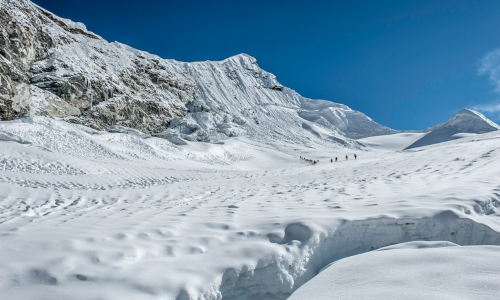
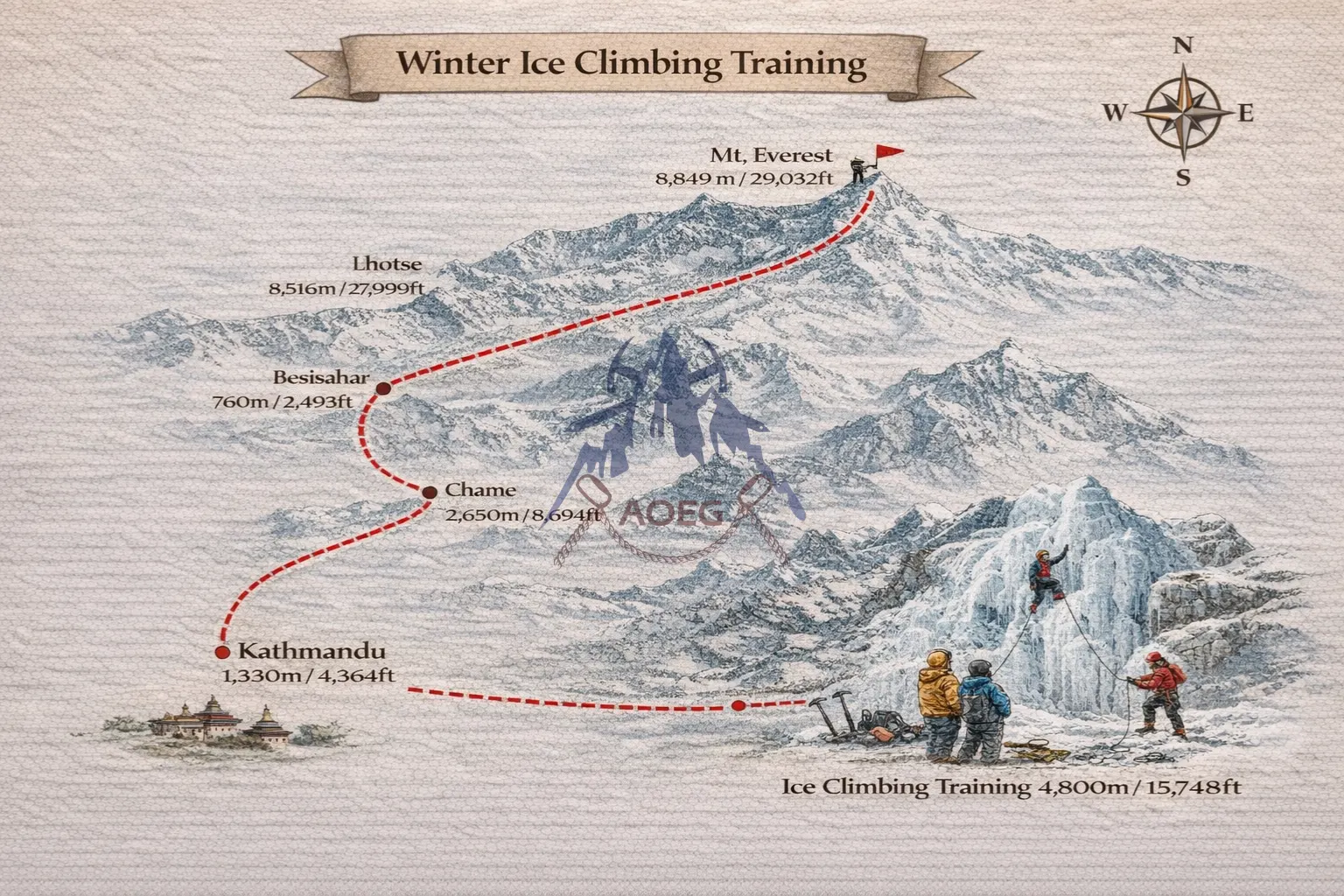
The Winter Ice Climbing Training is a 12-day specialized expedition designed for climbers and adventure enthusiasts eager to develop technical ice climbing skills in the stunning Himalayan winter landscape. With a maximum altitude of 4,800 meters, this program provides hands-on training in ice climbing, glacier walking, anchor building, and the use of essential tools like ice axes and crampons.
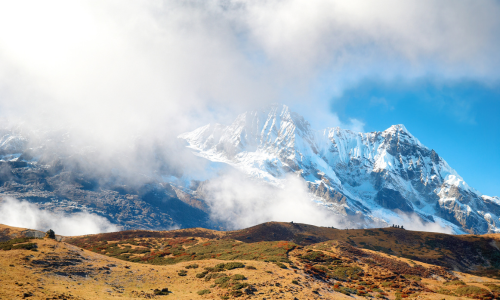
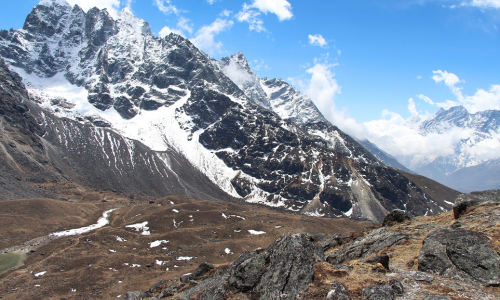
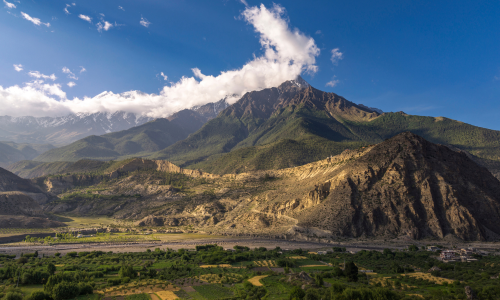
Starting from the vibrant city of Kathmandu, participants travel through the scenic Manang region, experiencing charming Himalayan villages, terraced fields, and pristine snow-covered landscapes. The expedition blends high-altitude acclimatization, practical climbing lessons, and cultural exploration, ensuring that participants gain confidence and expertise in a safe and controlled environment.
This program is ideal for beginners wanting to learn ice climbing fundamentals as well as intermediate climbers looking to refine their techniques before tackling more challenging peaks. Under the guidance of experienced mountaineering instructors, participants practice single-pitch climbs, top-rope techniques, and essential safety protocols, building the foundation for future high-altitude expeditions.
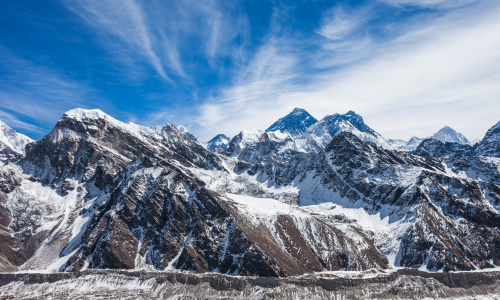
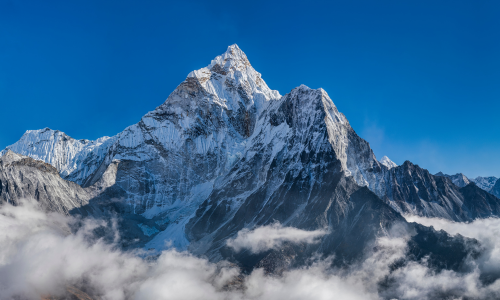
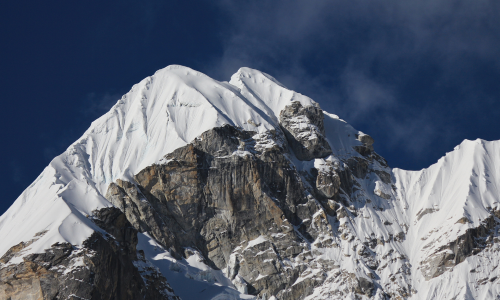
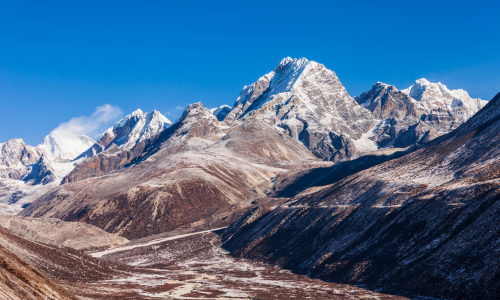
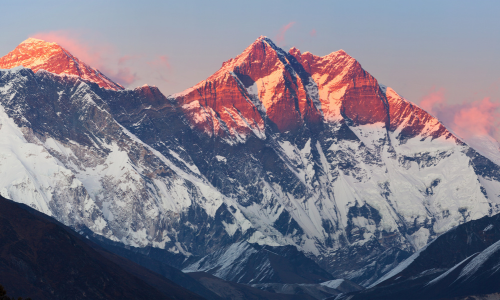
Beyond technical training, this journey offers the opportunity to witness the majestic beauty of the Himalayas, interact with local communities, and develop a deep understanding of winter climbing challenges. The Winter Ice Climbing Training promises an unforgettable blend of adventure, skill-building, and Himalayan exploration.
Key Highlights of Winter Ice Climbing Training – Himalayan Adventure
The Winter Ice Climbing Training is not just a training program—it’s a complete Himalayan experience that combines technical skill development, high-altitude adventure, and cultural exploration. This 12-day expedition is designed to give participants hands-on experience in ice climbing, glacier navigation, and winter mountaineering techniques, all while enjoying the breathtaking landscapes of the Nepalese Himalayas. Here are the key highlights that make this training unique:
Hands-On Ice Climbing Practice
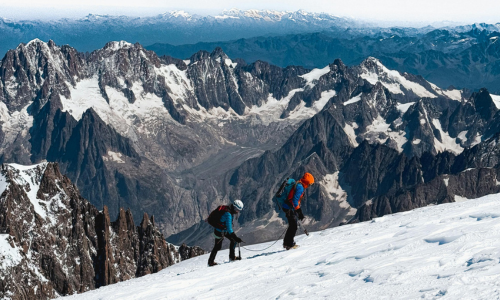
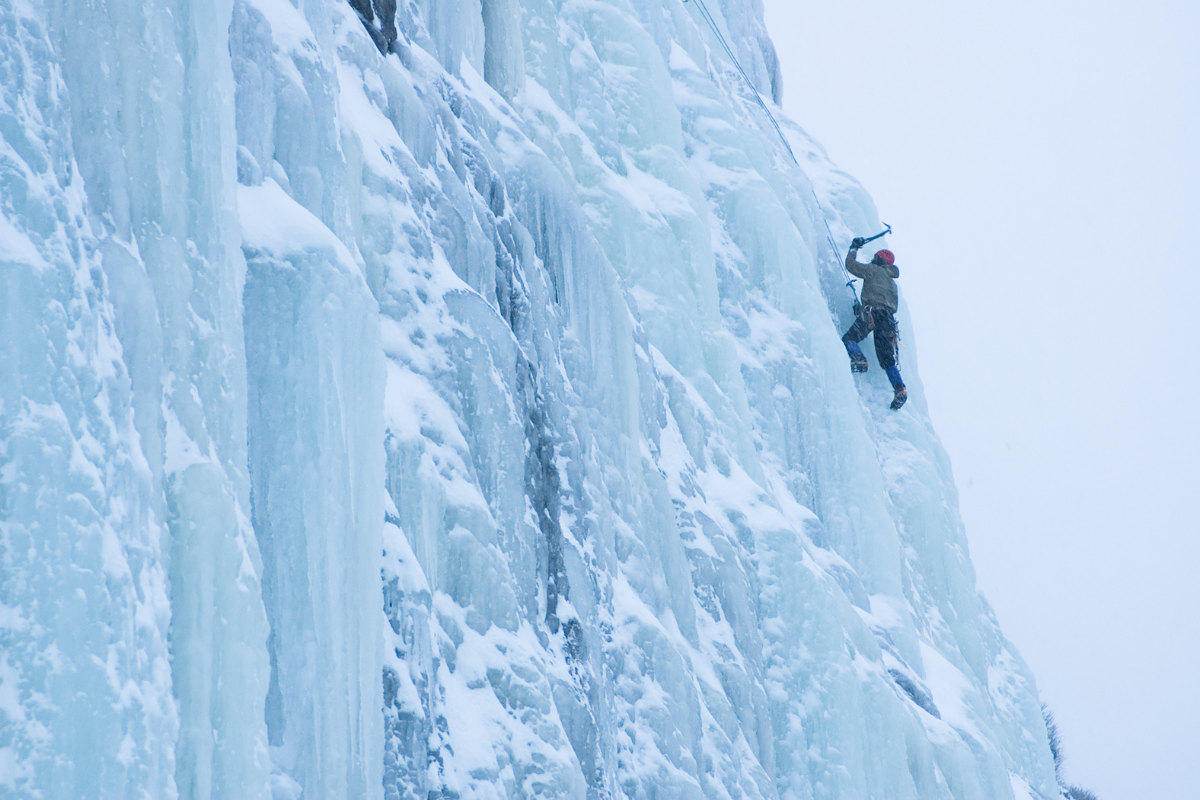
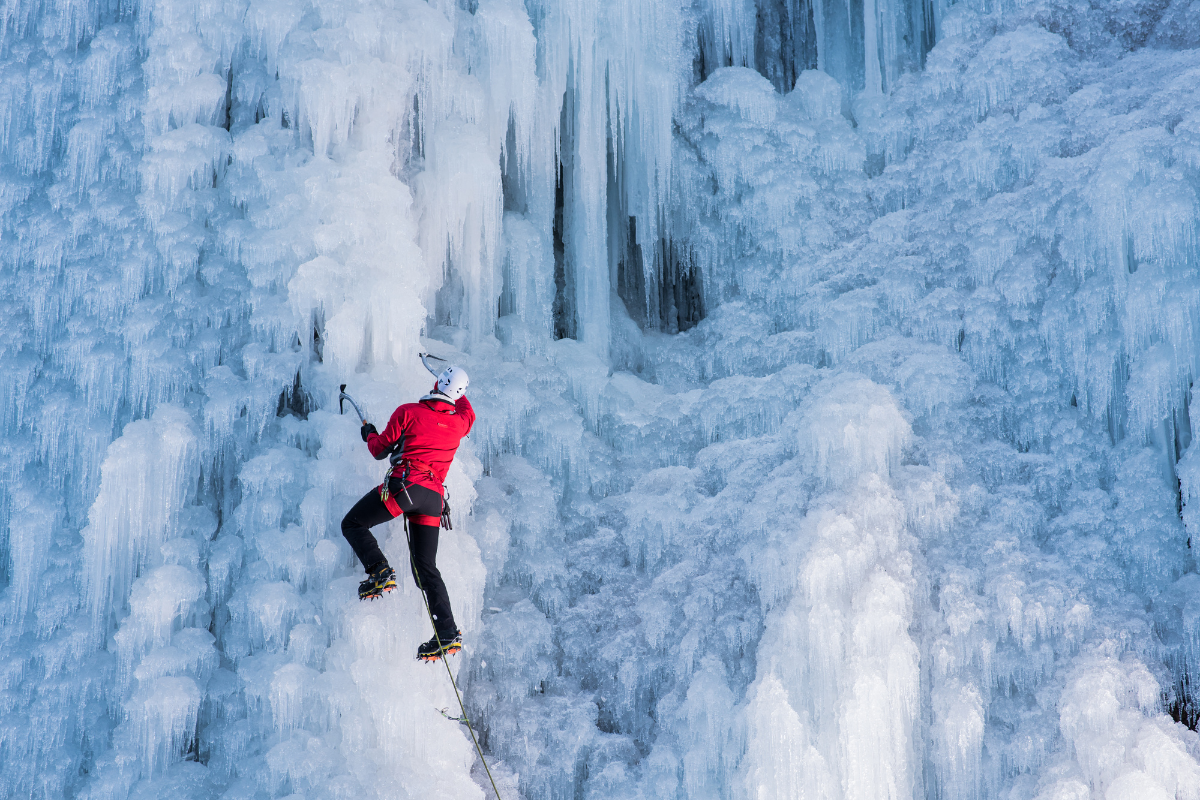
Learn practical ice climbing techniques under the guidance of professional instructors. Participants gain experience in single-pitch climbing, top-rope techniques, and anchor placement, ensuring they develop confidence and safety skills for future high-altitude climbs.
Glacier Navigation and Safety Skills
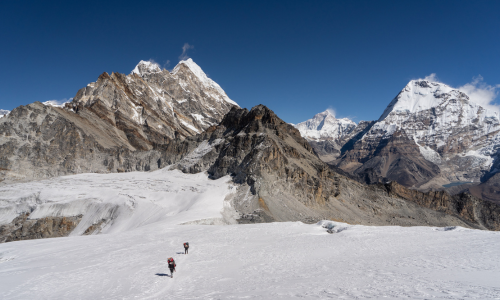
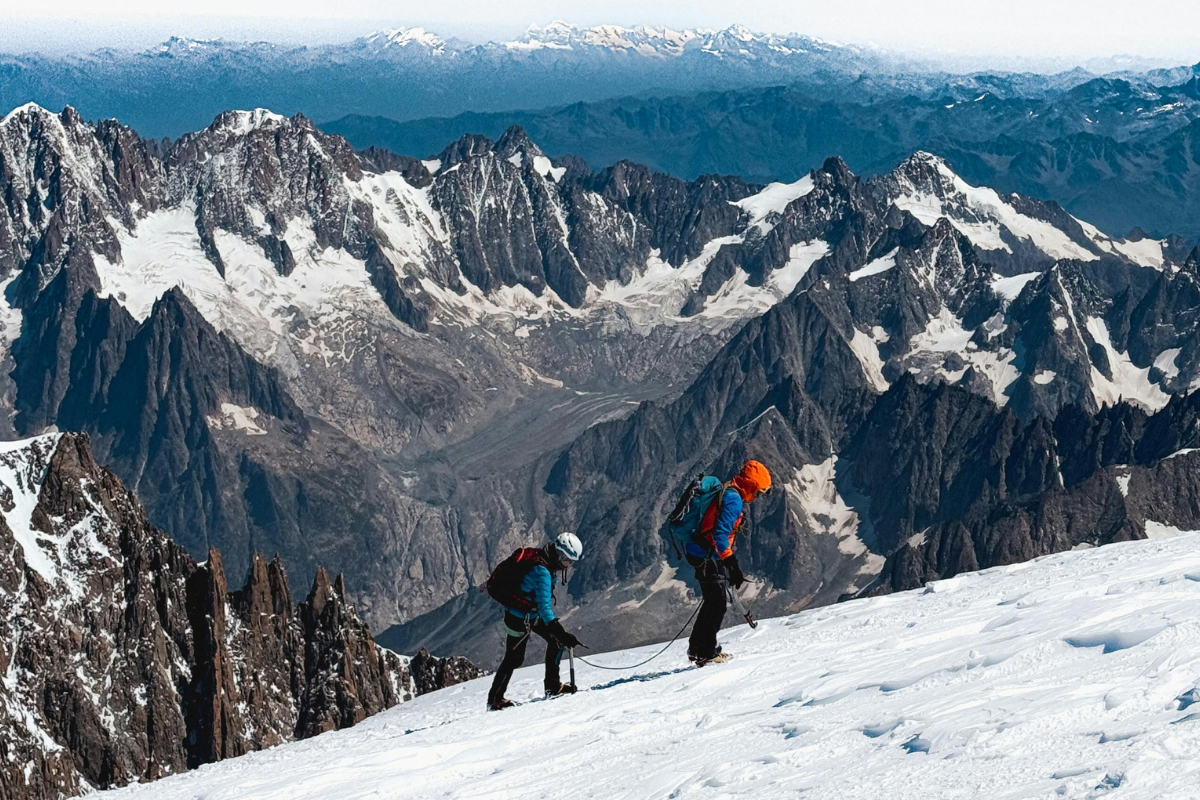
Master the essentials of glacier walking, crevasse awareness, and rope techniques, which are critical for safe movement on icy terrain. This training builds a strong foundation for winter mountaineering and alpine expeditions.
High-Altitude Winter Exposure
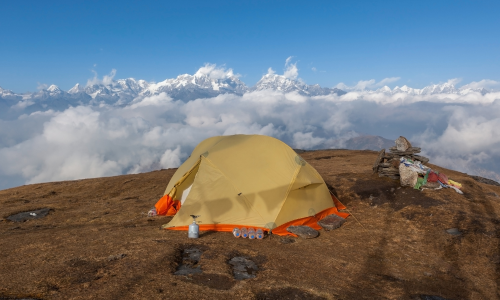
Experience the challenges and beauty of winter conditions at high altitudes (up to 4,800 meters). Participants learn to adapt to cold temperatures, thin air, and snow-covered landscapes, preparing them for real Himalayan expeditions.
Professional Instruction and Safety
The expedition is led by experienced climbing guides and certified instructors, providing continuous support, safety monitoring, and step-by-step coaching throughout the training.
Cultural and Scenic Immersion
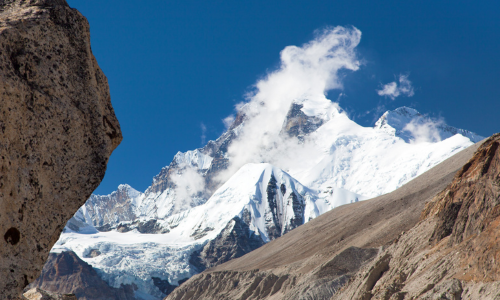
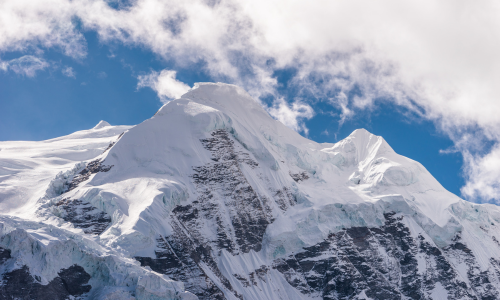
Travel through remote Himalayan villages, witness traditional lifestyles, and enjoy stunning winter landscapes, including snow-capped peaks, frozen rivers, and alpine meadows.
This training program combines technical skill-building, adventure, and Himalayan exploration, offering participants an unforgettable opportunity to gain confidence in ice climbing while immersing themselves in the majestic winter environment.
Permits Required for Winter Ice Climbing Training
Participating in the Winter Ice Climbing Training requires specific trekking and climbing permits to ensure safety and legal access to the Himalayan regions. The main permits include the Annapurna Conservation Area Permit (ACAP) and the Trekkers’ Information Management System (TIMS) card, which are mandatory for all trekkers and climbers in the Annapurna and Manang regions. These permits help protect the environment, regulate trekking activity, and ensure proper emergency support in high-altitude areas.
For this training program, the expedition team arranges all necessary permits in advance, saving participants time and administrative hassle. Having the correct permits guarantees legal entry, access to restricted areas, and a smooth, worry-free training experience while navigating high-altitude trails and practicing ice climbing techniques safely.
Ideal Season for Winter Ice Climbing Training
The Winter Ice Climbing Training is best undertaken during the peak winter months, from December to February, offering optimal ice conditions, clear skies, and a truly immersive high-altitude experience in the Nepalese Himalayas.
Winter (December to February): This is the ideal time for ice climbing practice and high-altitude training. The cold temperatures create stable, solid ice formations, perfect for learning ice axe techniques, crampon movements, glacier walking, and anchor building. Crisp morning air and clear skies provide excellent visibility, allowing participants to admire the surrounding Himalayan peaks, frozen rivers, and snow-covered valleys. The serene winter landscapes also create a unique opportunity to experience the Himalayas in a quieter, less crowded environment.
Avoiding Monsoon and Pre-Winter: The monsoon season (June to August) brings heavy rain, unstable ice, and slippery trails, making ice climbing unsafe. Pre-winter months (October–November) may offer less stable ice surfaces due to melting snow. Scheduling the training during December to February ensures solid ice conditions, safe climbing practice, and breathtaking winter scenery, providing participants with a truly rewarding Himalayan ice climbing adventure.
Difficulty Level of Winter Ice Climbing Training – Skill and Fitness Requirements
The Winter Ice Climbing Training is classified as moderate to advanced in difficulty, making it suitable for both dedicated beginners seeking hands-on experience and climbers aiming to refine their ice climbing skills. Participants should have good physical fitness, stamina, and the ability to adapt to cold, high-altitude conditions up to 4,800 meters.
While prior mountaineering experience is helpful, it is not mandatory, as professional instructors provide step-by-step guidance in ice climbing techniques, rope systems, and glacier safety. The training involves steep icy slopes, anchor building, and top-rope climbs, which require focus, balance, and controlled movements.
This program emphasizes safety, acclimatization, and proper technique, ensuring climbers develop confidence while challenging themselves physically and mentally in a Himalayan winter environment.
Final Thoughts on Winter Ice Climbing Training – Himalayan Adventure Experience
The Winter Ice Climbing Training is more than just a technical course—it is a complete Himalayan adventure that combines skill development, high-altitude exposure, and breathtaking winter landscapes. Over 12 days, participants gain hands-on experience in ice climbing, glacier walking, anchor building, and top-rope techniques, all under the guidance of experienced instructors.
This program provides an invaluable foundation for future high-altitude climbs while offering a unique opportunity to experience the serene beauty of the Nepalese Himalayas in winter. From snow-covered peaks to frozen rivers and remote villages, every moment is both challenging and rewarding.
Designed for adventurers with moderate to advanced fitness levels, the training emphasizes safety, proper acclimatization, and technical skill mastery. By the end of the expedition, participants leave with confidence, practical ice climbing expertise, and memories that will last a lifetime, making this a truly unforgettable Himalayan experience.
 Instant Booking