
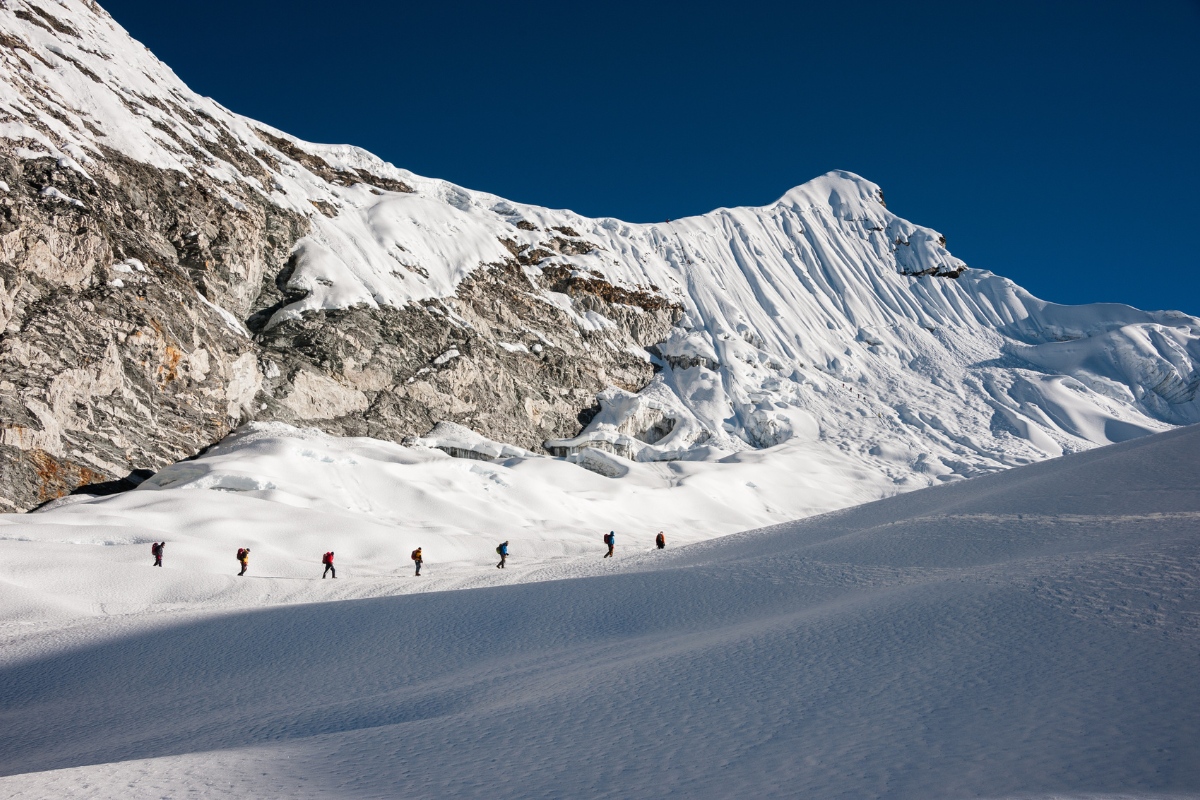
Island Peak Climbing Overview
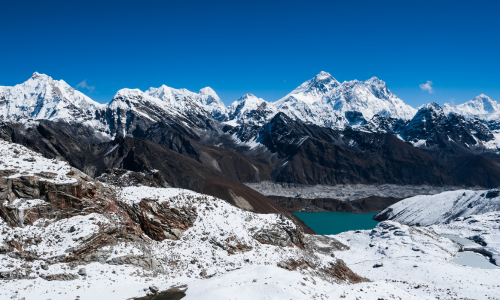
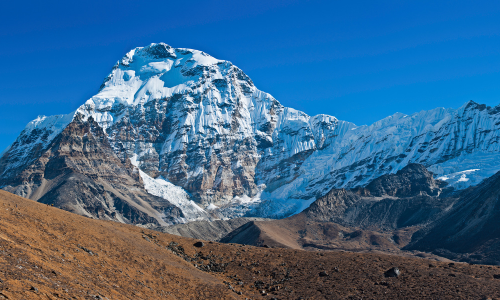
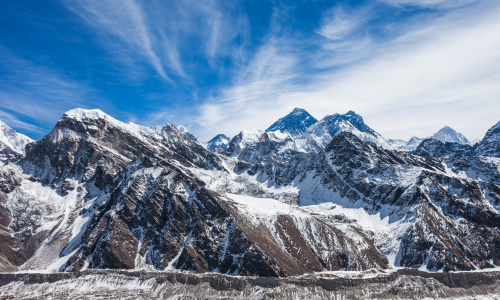
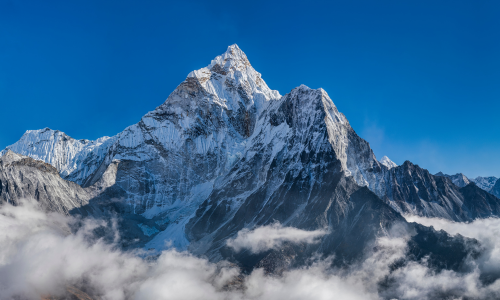
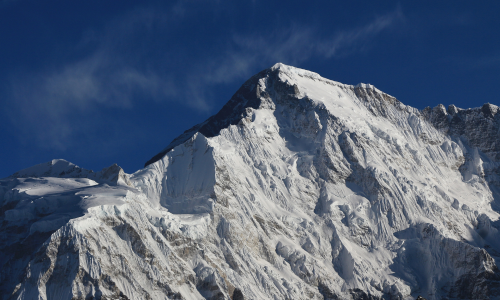
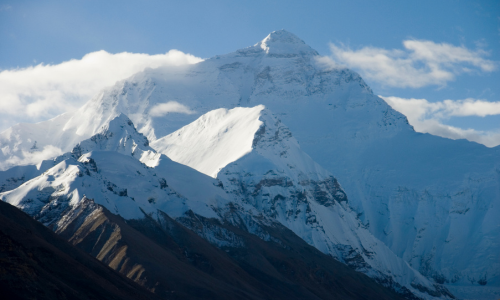
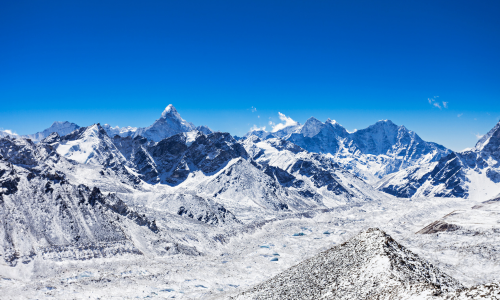
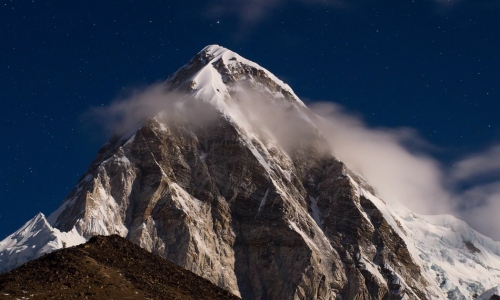
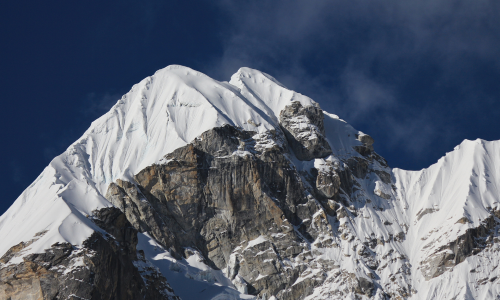
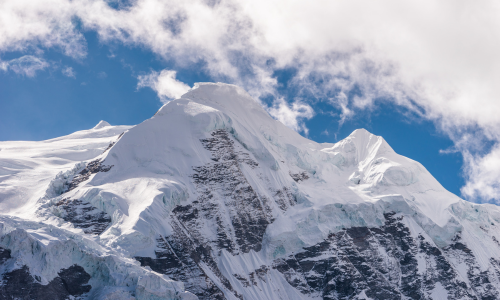
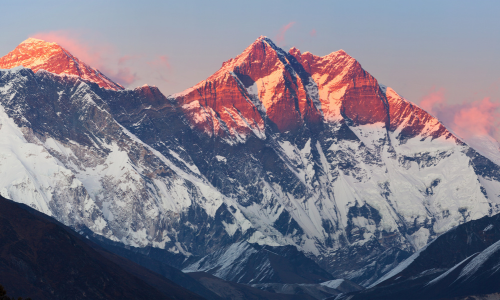
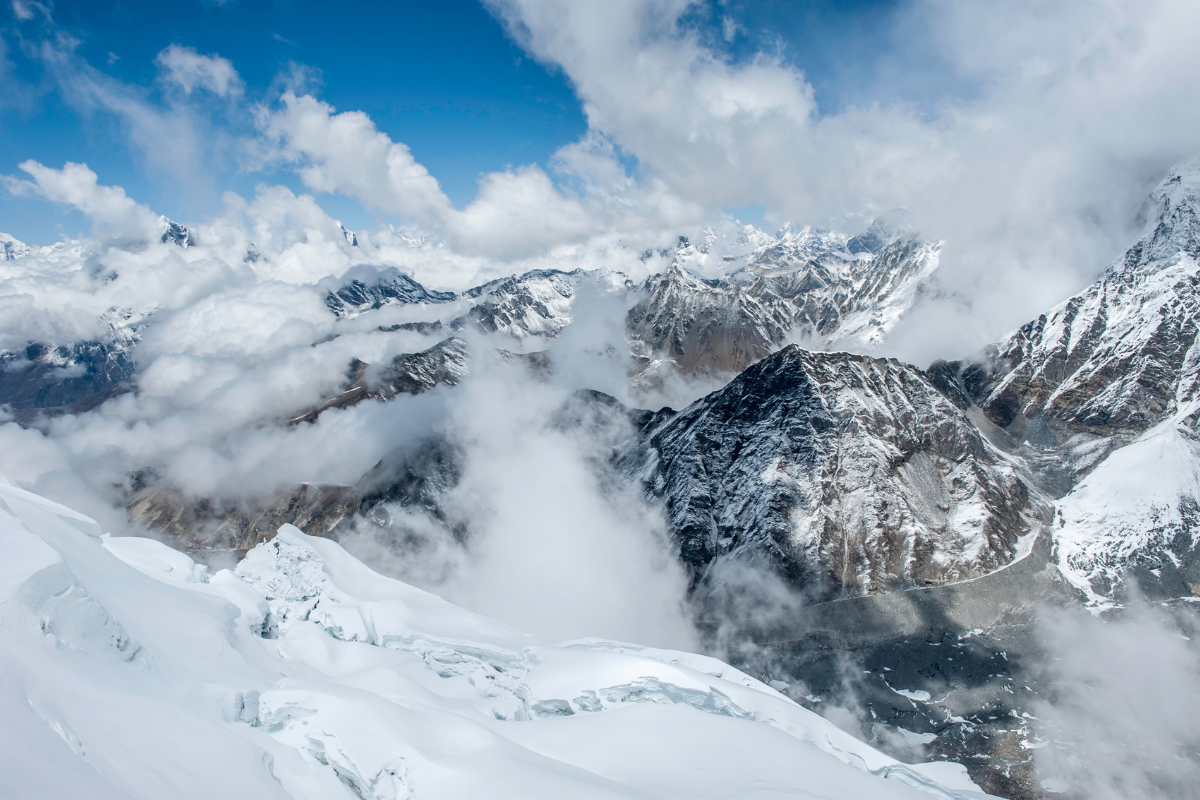
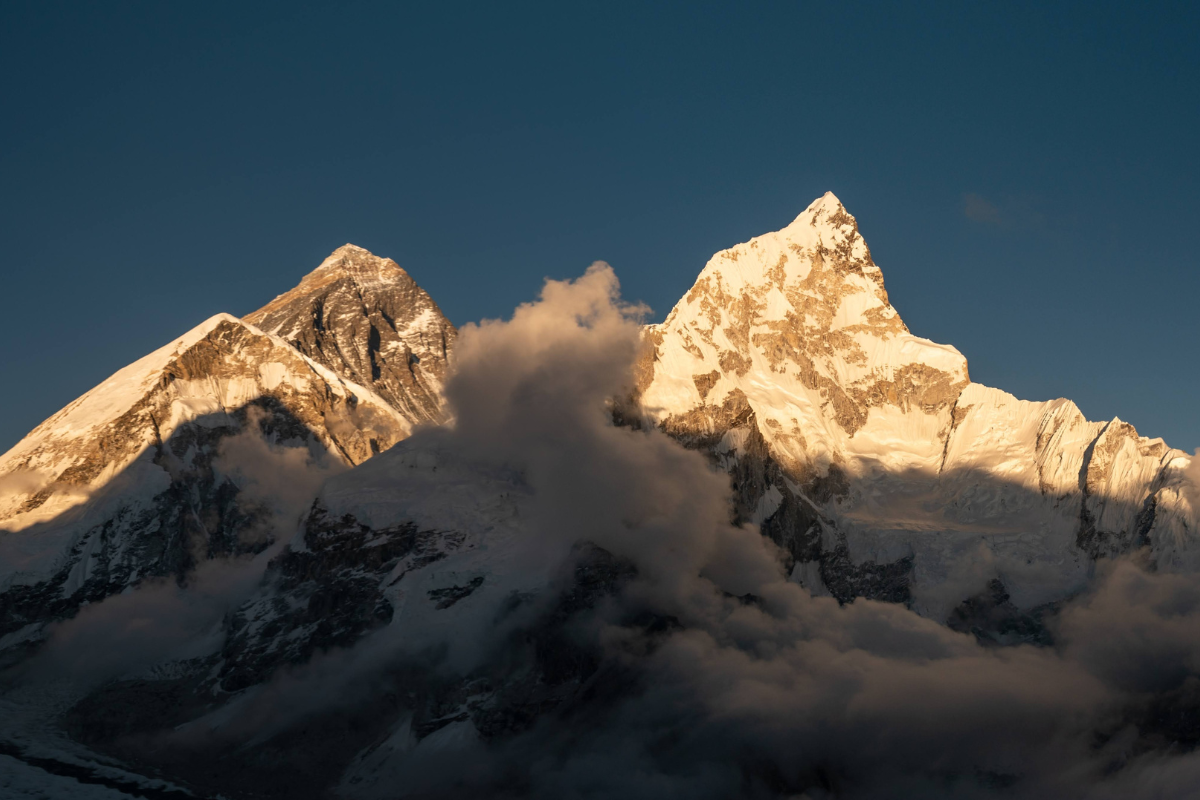
Island Peak Climbing is one of Nepal’s most iconic mountaineering adventures, offering the perfect introduction to Himalayan peak climbing. Rising to 6,189 meters (20,305 feet) in the heart of the Everest region, Island Peak—locally known as Imja Tse—stands surrounded by some of the world’s highest mountains, including Mount Everest, Lhotse, Nuptse, and Ama Dablam. This expedition combines classic Everest trekking routes with a real alpine climbing experience, making it both adventurous and deeply rewarding.
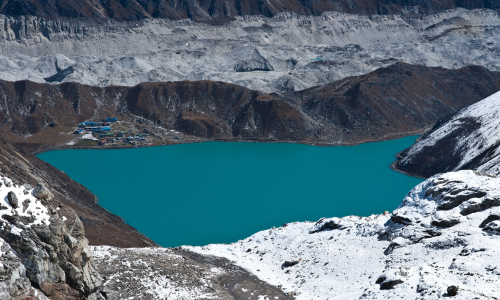
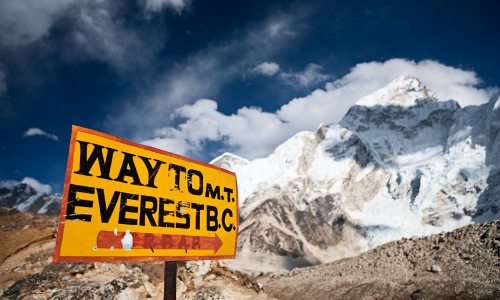
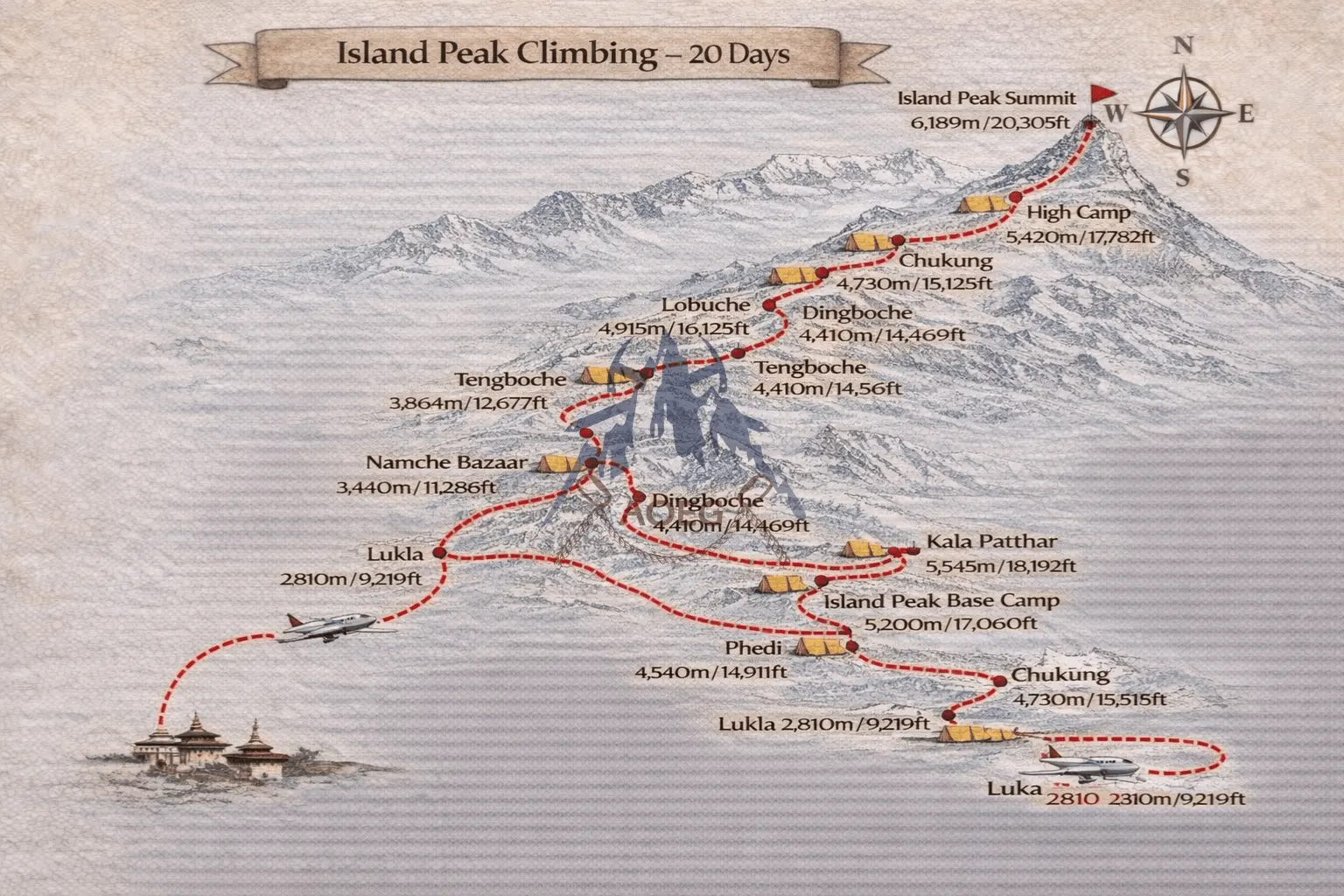
The journey begins in Kathmandu and follows the legendary trail to Lukla, Namche Bazaar, Tengboche, and Dingboche before reaching Everest Base Camp and Kala Patthar. These acclimatization stops are not only essential for safety but also allow climbers to experience Sherpa culture, ancient monasteries, and dramatic Himalayan landscapes. Walking through stone villages, crossing suspension bridges, and hiking alongside glaciers creates a strong connection with the mountains long before the summit push begins.
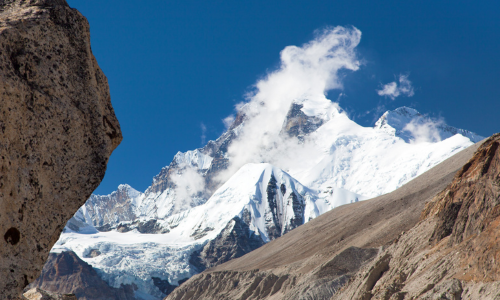
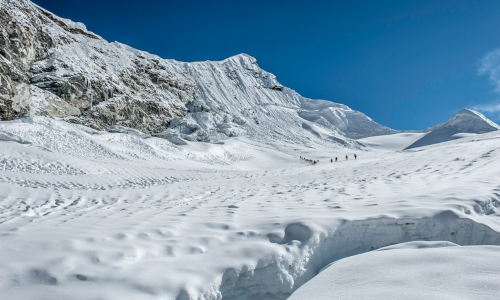
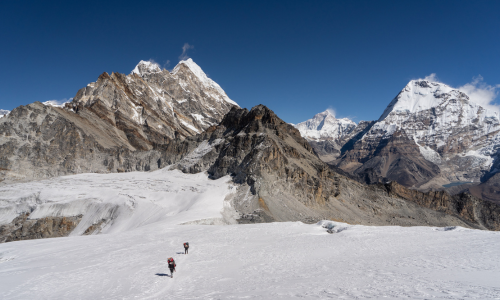
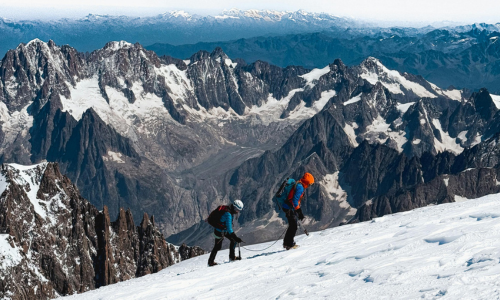
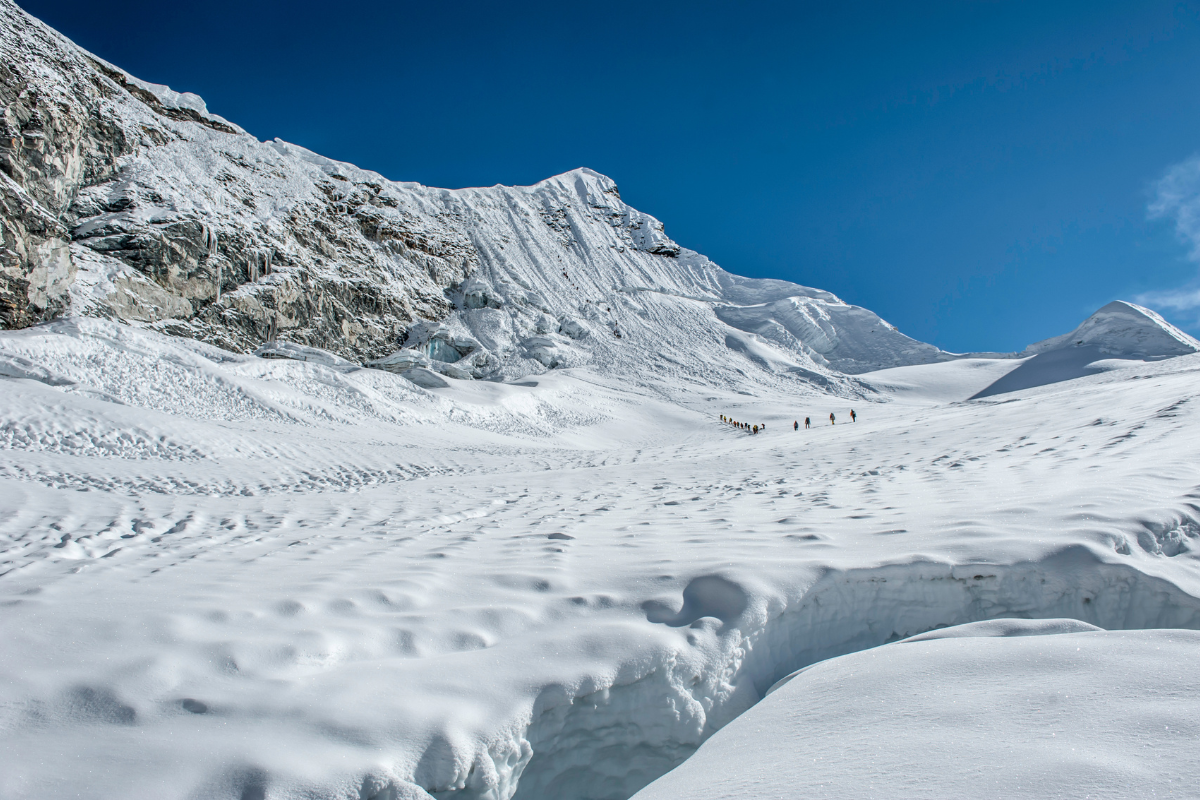
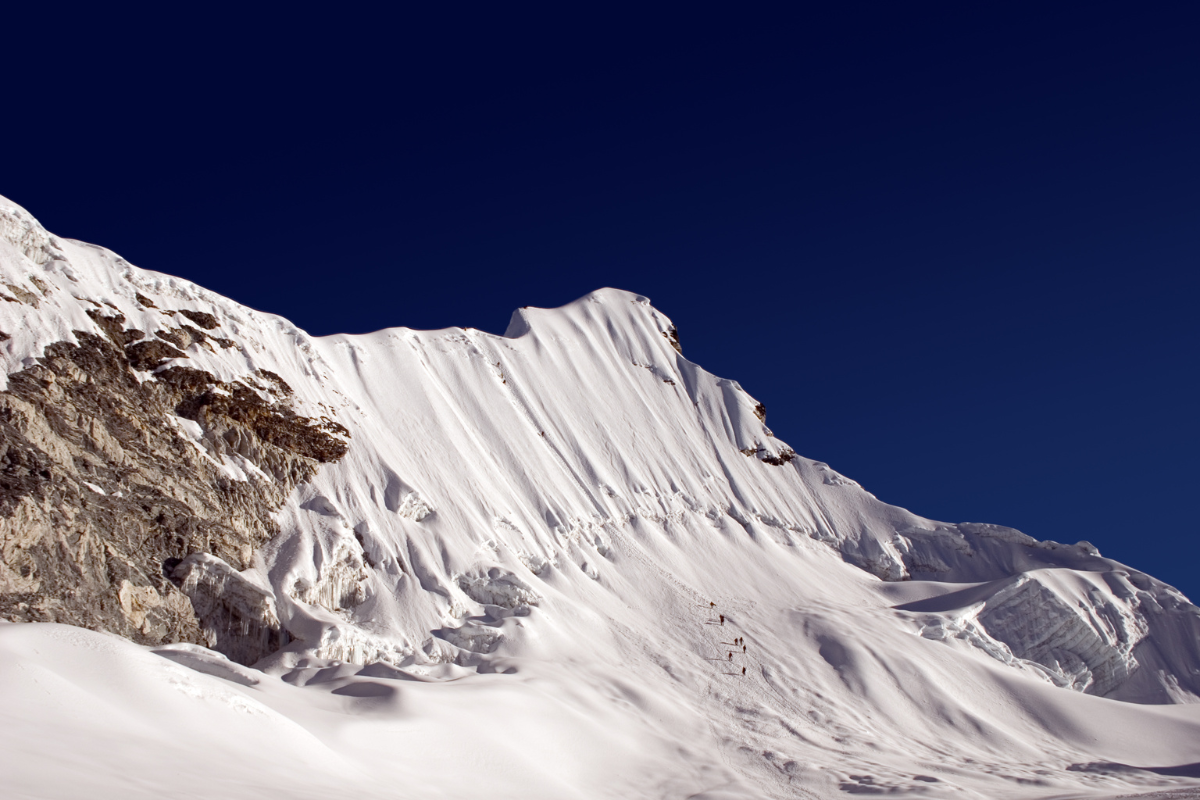
Island Peak itself is considered a trekking peak, but it delivers a true mountaineering feel. The final ascent involves glacier travel, fixed ropes, snow slopes, and a steep headwall near the summit. With proper training, guidance, and acclimatization, climbers gain hands-on experience using crampons, ice axes, and harnesses—skills that build confidence for future higher expeditions.
This 20-day Island Peak Climbing itinerary is carefully designed to balance trekking, acclimatization, training, and summit attempts. The pace allows your body to adapt naturally to altitude while maximizing safety and success. Experienced climbing guides and Sherpas support every stage of the journey, ensuring that climbers can focus on enjoying the adventure rather than worrying about logistics.
Island Peak Climbing is ideal for adventurous trekkers looking to step into mountaineering, as well as climbers seeking a classic Himalayan summit without extreme technical difficulty. Reaching the summit delivers an overwhelming sense of achievement, breathtaking panoramic views, and memories that last a lifetime. This expedition is not just about reaching the top—it’s about the journey, personal growth, and the unforgettable spirit of the Himalayas.
Island Peak Climbing Highlights
The Island Peak Climbing Expedition is not just a high-altitude climb—it is an extraordinary journey of adventure, culture, and Himalayan splendor. Every step brings breathtaking scenery, personal challenges, and unforgettable moments. Here’s what makes this expedition truly special:
- Summit Island Peak (6,189m / 20,305ft): Reach one of the most iconic trekking peaks in Nepal, offering a thrilling high-altitude climbing experience with stunning panoramic views of the Everest region.
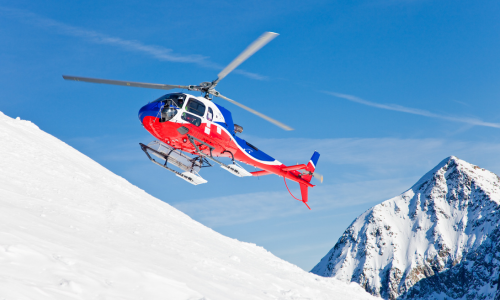
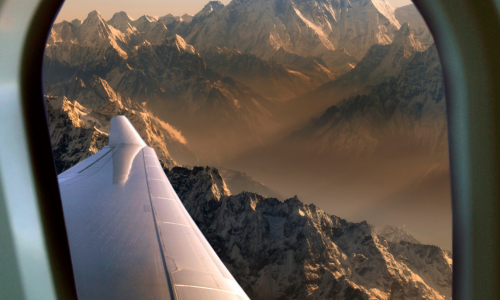
- Scenic Mountain Flights: Experience the exhilarating flight from Kathmandu to Lukla, one of the world’s most spectacular and dramatic air routes.
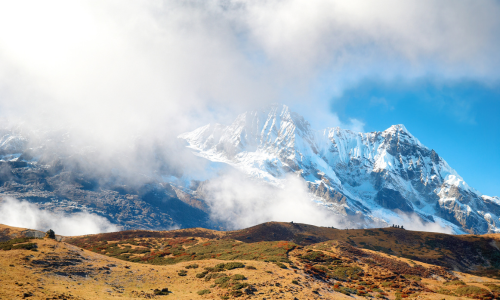
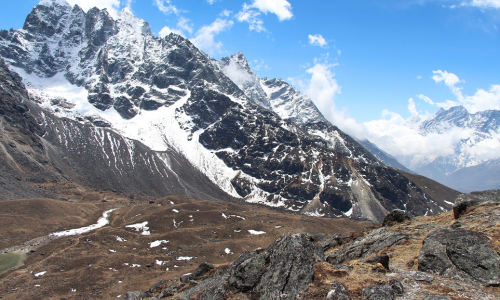
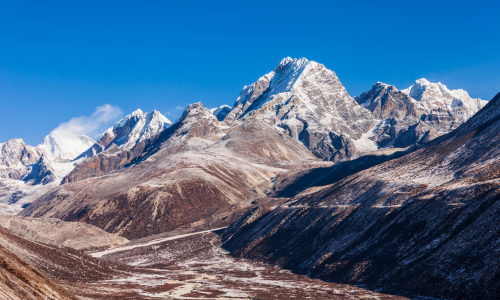
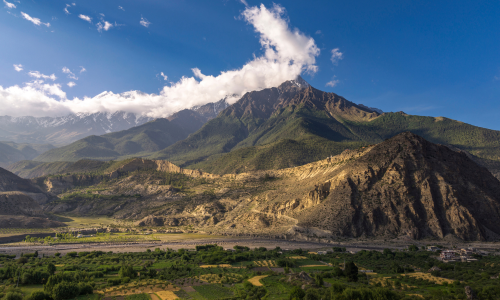
- Trek through the Khumbu Valley: Walk amidst towering Himalayan giants, including Everest, Lhotse, Nuptse, Ama Dablam, and Thamserku, passing through lush rhododendron forests, glacial rivers, and alpine meadows.
- Cultural Immersion in Sherpa Villages: Stay in traditional villages like Namche Bazar, Tengboche, Dingboche, and Chhukung, learning about Sherpa culture, mountain life, and local traditions.
- Visit Sacred Monasteries: Explore Tengboche Monastery and other spiritual sites, experiencing the unique blend of Buddhism, prayer flags, and Himalayan serenity.
- Well-Paced Acclimatization: Follow a thoughtfully designed itinerary with rest and acclimatization days to minimize altitude sickness and improve chances of a successful summit.
- Professional Guides and Sherpa Support: Climb with experienced Himalayan guides and skilled Sherpas who ensure safety, manage high-altitude logistics, and provide technical climbing assistance.
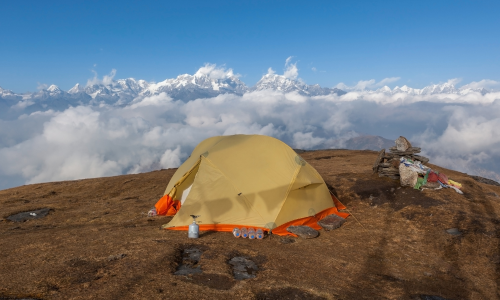
- Base Camp and High Camp Experience: Camp beneath dramatic glaciers, icefalls, and ridges, soaking in the raw beauty of the Himalayas while preparing for the summit.
- Panoramic Summit Views: From the top of Island Peak, witness awe-inspiring vistas of Everest, Lhotse, Nuptse, Makalu, and Ama Dablam, creating memories and photo opportunities that last a lifetime.
- Sense of Achievement: Feel the profound satisfaction of conquering a 6,000-meter Himalayan peak, blending physical challenge, mental endurance, and the joy of adventure.
The Island Peak Climbing Expedition is a perfect blend of natural beauty, cultural experiences, and personal achievement. It’s an adventure that challenges your limits, rewards your effort, and leaves an unforgettable mark on your Himalayan journey.
Permits Required for Island Peak Climbing
Island Peak Climbing requires several official permits issued by the Government of Nepal. These permits ensure legal access, environmental protection, and climber safety throughout the Everest region.
You will need the Sagarmatha National Park Permit, which allows entry into the protected Everest area. A Khumbu Pasang Lhamu Rural Municipality Permit is also mandatory for all trekkers in the region. For the climb itself, a Nepal Mountaineering Association (NMA) Island Peak Climbing Permit is required.
All permits are arranged before or during the trip through authorized agencies, allowing climbers to focus fully on preparation and the adventure ahead.
Best Season for Island Peak Climbing
Choosing the right season is crucial for a safe, enjoyable, and successful Island Peak Climbing Expedition. The best time to climb is during the pre-monsoon (spring) and post-monsoon (autumn) seasons, when the weather is stable, skies are clear, and mountain views are at their best.
Spring Season (March to May)
Spring is one of the most popular times for Island Peak. During these months, the weather gradually warms, the skies are mostly clear, and the landscapes burst with color. Rhododendrons bloom along the trails, alpine meadows turn vibrant, and rivers swell with melted snow, creating picturesque scenery. Daytime temperatures are moderate, making trekking comfortable, while nights at higher altitudes are still chilly, perfect for acclimatization. Spring also offers excellent conditions for climbing, with manageable snow and ice on the summit slopes.
Autumn Season (September to November)
Autumn is considered the peak trekking and climbing season. The monsoon rains have cleared the skies, leaving crisp, dry air and spectacular mountain visibility. Snow conditions are stable, and the trails are dry and safe. This season provides some of the best photographic opportunities, as Everest, Lhotse, Ama Dablam, and surrounding peaks appear sharply against deep blue skies. Temperatures are slightly cooler than spring, but the dry weather and stable conditions make it ideal for summit attempts.
Seasons to Avoid
- Monsoon (June to August): Heavy rainfall, slippery trails, and leeches make trekking and climbing dangerous. Visibility is often poor, and rivers can flood, slowing progress.
- Winter (December to February): Extremely cold temperatures, high snow accumulation, and shorter daylight hours make climbing technically more challenging and risky. Only highly experienced climbers with winter mountaineering skills should attempt during this period.
Conclusion: For most climbers, spring and autumn are the perfect windows to attempt Island Peak. These seasons provide the ideal mix of weather, scenic beauty, and safe climbing conditions, ensuring that your Himalayan adventure is both memorable and successful.
Island Peak Climbing Difficulty Level
The Island Peak Climbing Expedition is classified as a moderate to challenging trekking peak, ideal for climbers with some high-altitude experience. While it is not as technically demanding as peaks like Everest or Ama Dablam, it still requires good physical fitness, stamina, and mental endurance.
Climbers will face a combination of long trekking days, steep ascents, rocky ridges, and glacier crossings. The summit push involves using basic mountaineering equipment such as crampons, ropes, and ice axes, along with rope techniques for fixed sections. Proper acclimatization days are incorporated into the itinerary to minimize the risks of altitude sickness and ensure safe progress.
This expedition is suitable for adventurous individuals who are comfortable with multi-day treks and high-altitude conditions. Beginners with excellent fitness can also attempt it if accompanied by professional guides and Sherpas. Overall, Island Peak offers a rewarding challenge, combining trekking and alpine climbing in a spectacular Himalayan setting.
How to Book Island Peak Climbing
Booking the Island Peak Climbing Expedition is straightforward and designed to make your Himalayan adventure stress-free. Start by contacting the tour operator through email, phone, or the official website to discuss your preferred travel dates, typically in spring (March–May) or autumn (September–November). Once your schedule is confirmed, secure your spot with a deposit and provide essential personal details, including passport information, emergency contacts, and any prior trekking or climbing experience.
After the deposit, the operator will guide you through gear recommendations, travel requirements, and pre-departure preparations. Complete the final payment within the specified period to receive your detailed pre-departure guide, itinerary, and packing checklist. Early booking, ideally 3–4 months in advance, is recommended due to limited expedition slots and high demand. With all logistics professionally handled, you can focus entirely on the adventure, ensuring a safe, well-organized, and unforgettable Island Peak climbing experience.
 Instant Booking