
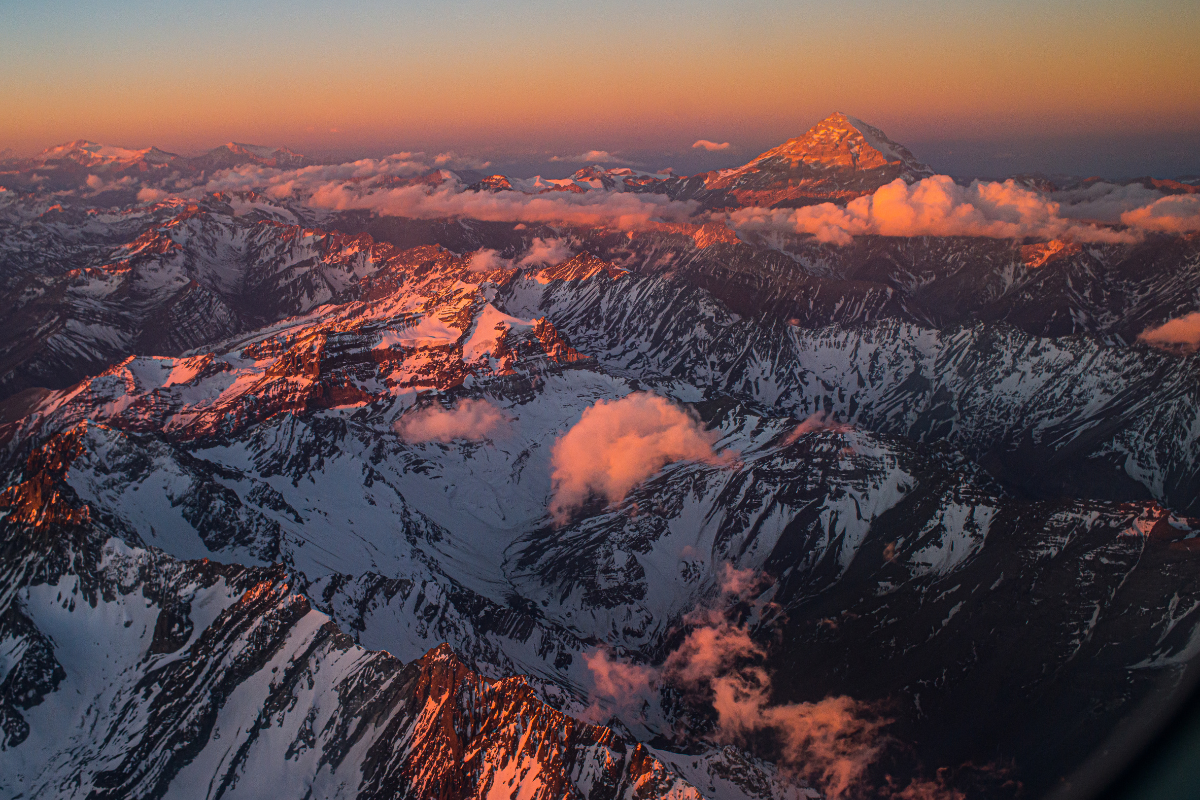
Aconcagua Expedition Overview – Climbing the Highest Peak Outside Asia
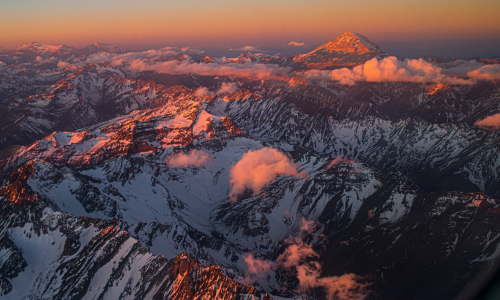
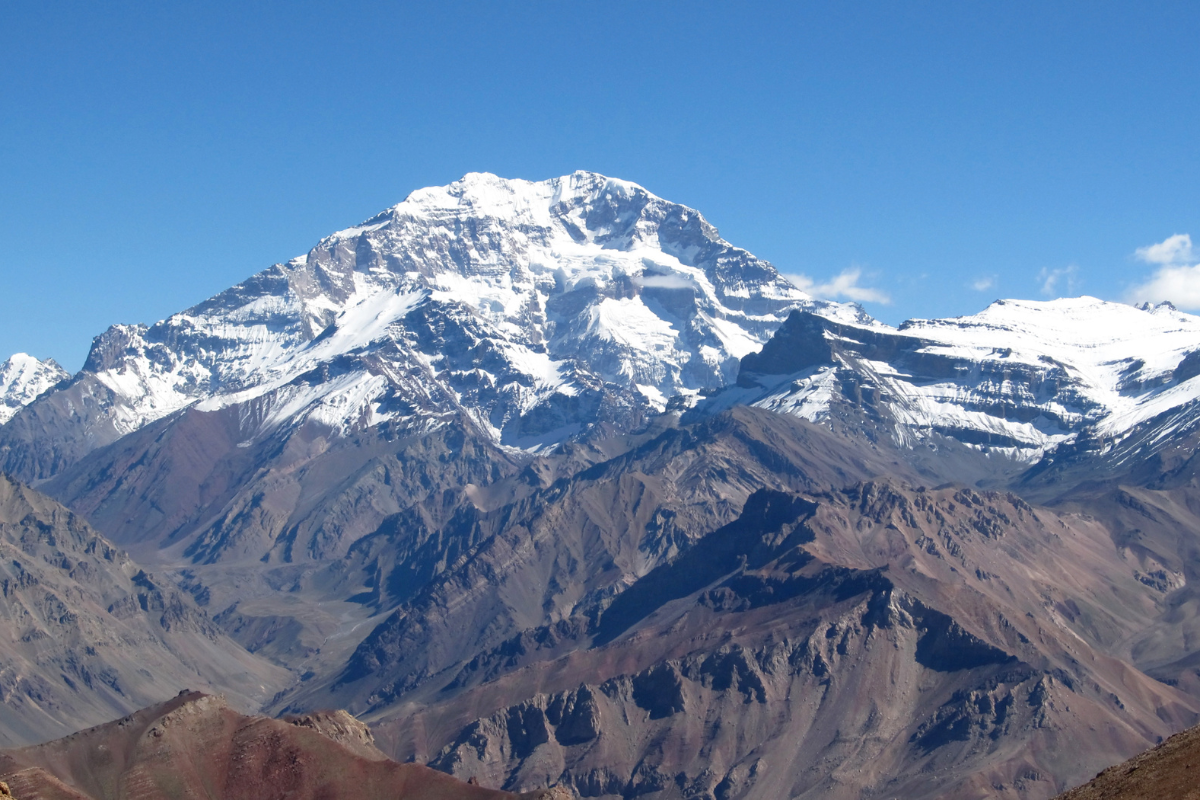
The Aconcagua Expedition is a legendary high-altitude adventure that takes you to the summit of Aconcagua (6,959m / 22,831ft), the highest mountain in South America, the Western Hemisphere, and the Southern Hemisphere. Located in the heart of Argentina’s Andes, this iconic peak is part of the famous Seven Summits, attracting climbers from all over the world.
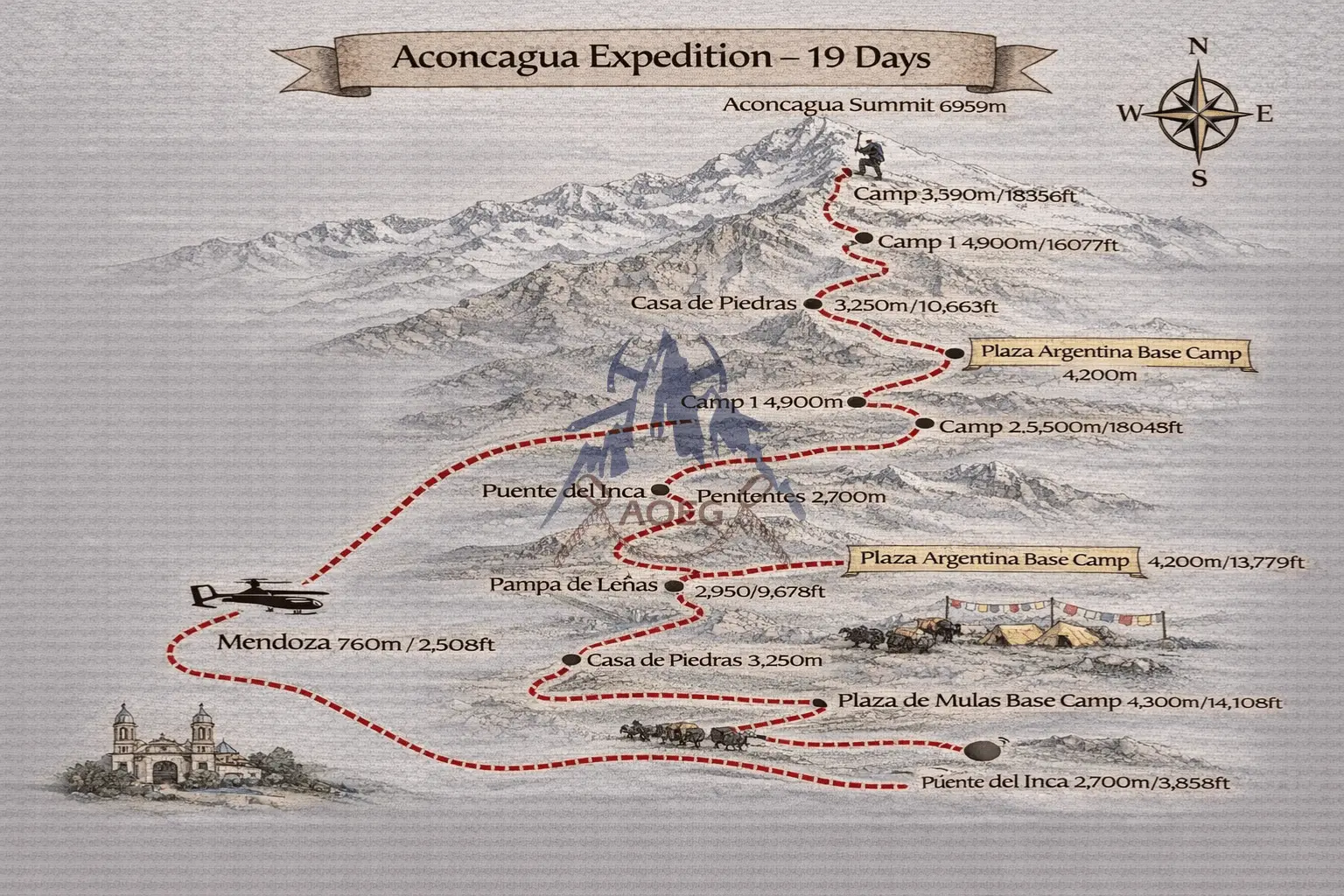
This 19-day Traverse 360° itinerary is carefully designed to provide proper acclimatization, gradual altitude gain, and enough rest days to increase your chances of a successful summit. Unlike technical Himalayan climbs, Aconcagua does not require advanced rope or ice climbing skills, but the altitude, long summit day, and harsh mountain weather make it a serious physical and mental challenge.
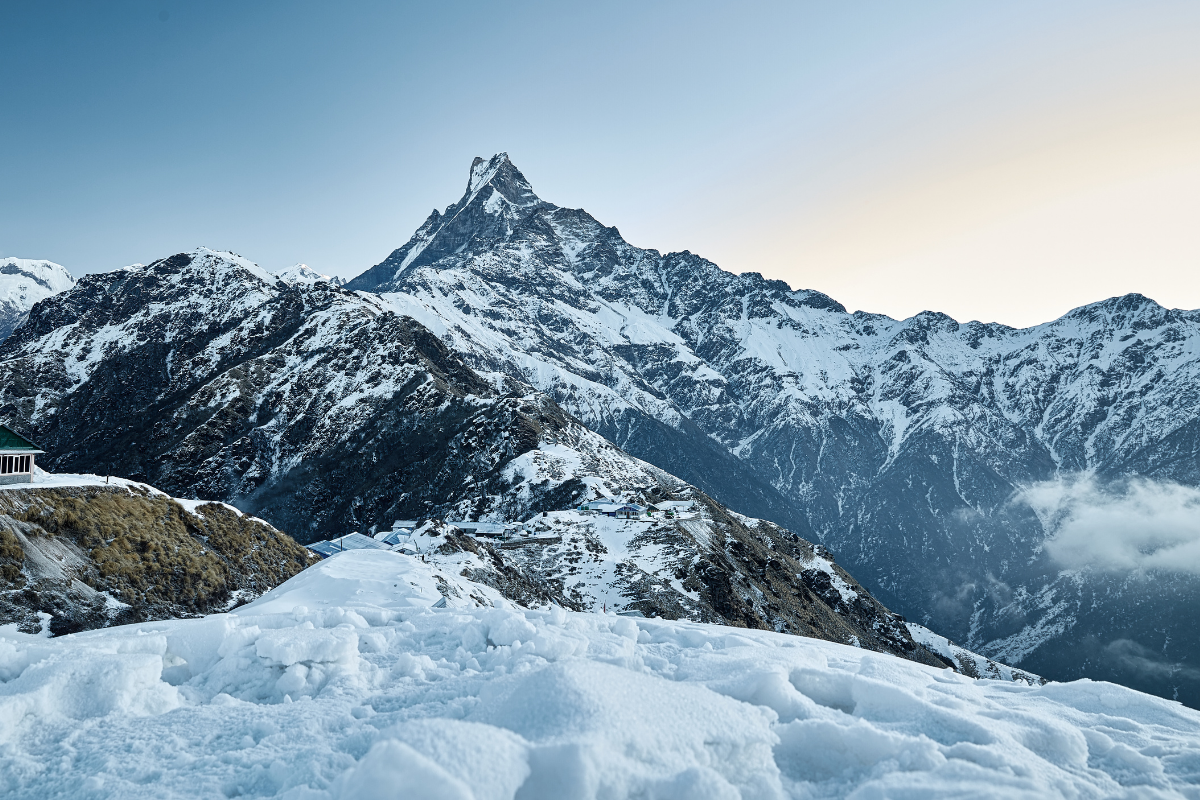
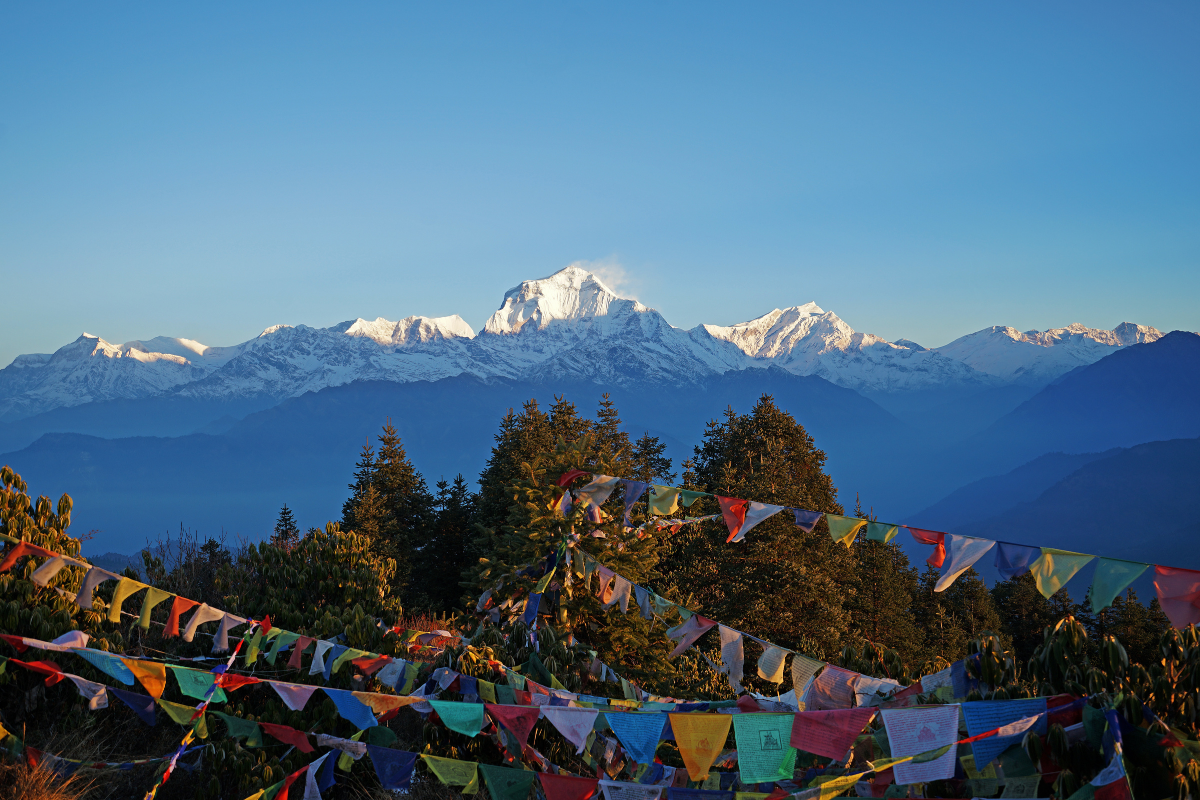
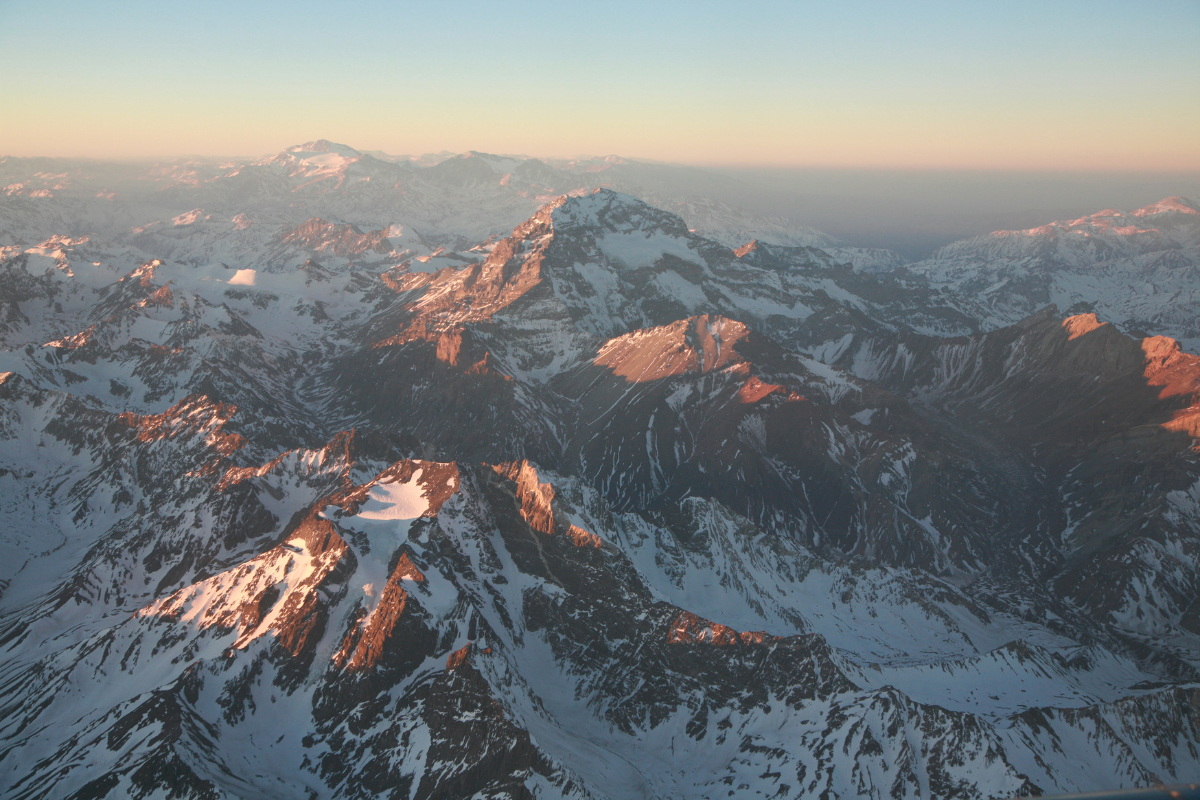
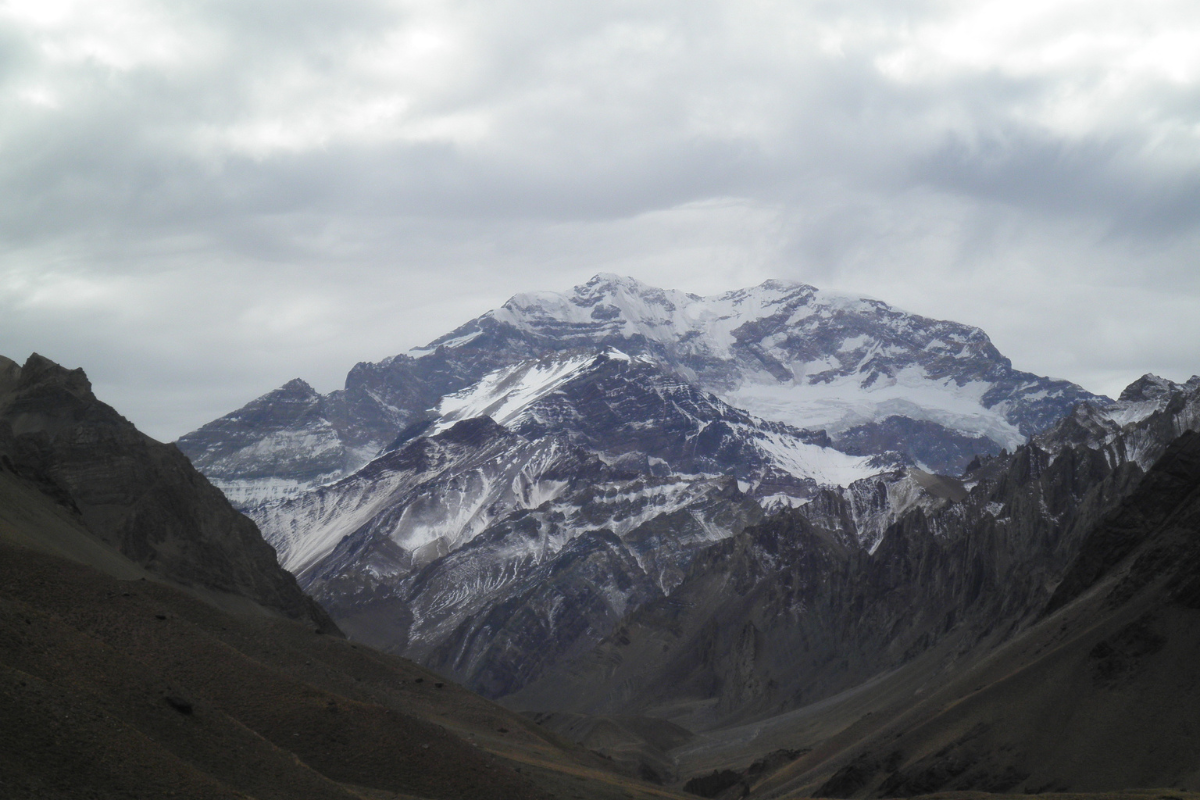
The journey begins in Mendoza, a lively mountain city surrounded by vineyards, before heading deep into Aconcagua Provincial Park. You will trek through vast valleys, rocky landscapes, glacial terrain, and high camps that feel truly remote and wild. Along the way, dramatic views of the Andes, endless skies, and powerful mountain silence create a once-in-a-lifetime experience.
This expedition is ideal for strong trekkers, experienced hikers, and aspiring mountaineers who want to test themselves at extreme altitude while climbing one of the world’s most famous mountains. With professional guides, a well-planned route, and strong logistical support, the Aconcagua Expedition offers the perfect balance of challenge, safety, and achievement.
Aconcagua Expedition Highlights – Why This Climb Is Special
The Aconcagua Expedition is not just a climb; it’s a once-in-a-lifetime journey to the highest peak in South America, standing tall at 6,959 meters (22,831 feet). Known as the “Stone Sentinel of the Andes,” Aconcagua offers adventurers an incredible blend of natural beauty, high-altitude challenge, and cultural experiences. This expedition attracts climbers seeking both personal achievement and the thrill of exploring one of the world’s iconic mountains.
Stunning Summit Views
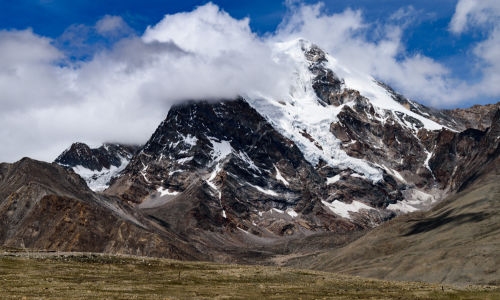
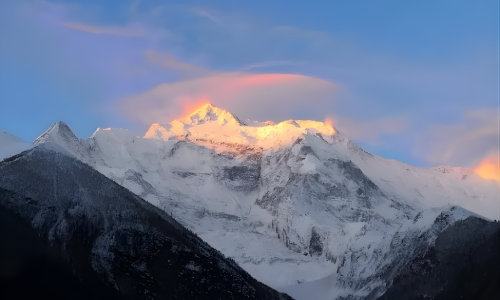
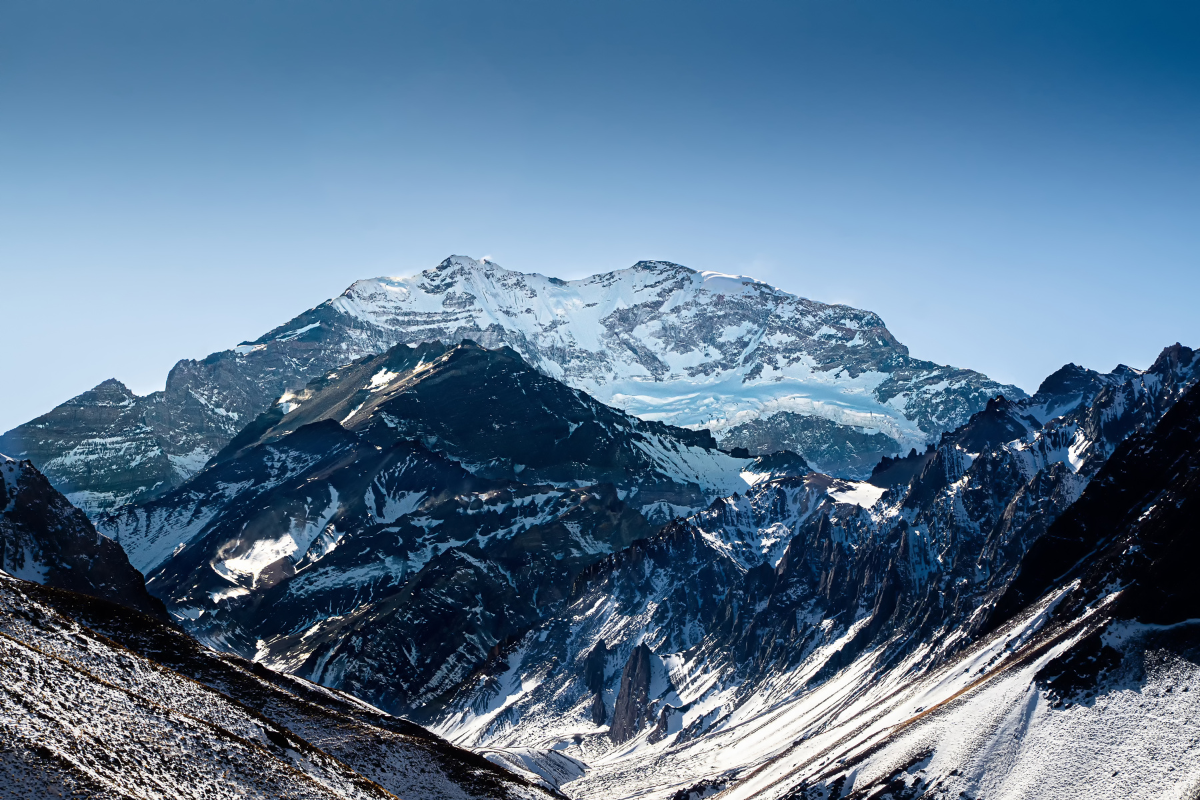
Reaching the summit of Aconcagua rewards climbers with panoramic views of the Andes stretching across Argentina and Chile. From the top, the vast snowy ridges, glacial valleys, and neighboring peaks create an unforgettable visual spectacle.
High-Altitude Trekking Experience
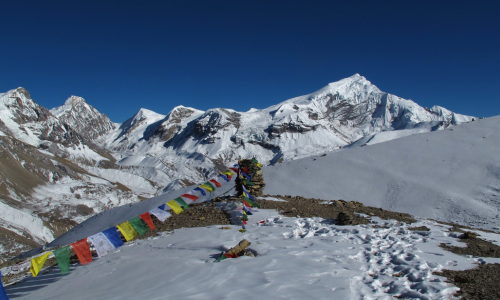
The journey to the summit involves trekking through diverse landscapes, from arid foothills and rock formations to high alpine meadows. Each camp offers a chance to witness unique geology and spectacular mountain scenery while gradually acclimatizing to high altitudes.
Remote Base Camps
Climbers experience the serenity of Plaza Argentina and Plaza de Mulas Base Camps, set against the backdrop of Aconcagua’s towering walls. These camps provide both adventure and a sense of connection with nature in its purest form.
Personal Achievement and Adventure
Climbing Aconcagua is a test of endurance, mental strength, and mountaineering skills. Successfully reaching the summit delivers an unmatched sense of accomplishment, making this expedition a truly life-changing adventure.
Aconcagua Expedition Permits – Essential Information
Climbing Aconcagua requires an official permit issued by the Argentine authorities. These permits are mandatory and are strictly checked at park entrances and base camps. The permit cost depends on the season and nationality, with peak season permits being more expensive.
Permits are arranged in Mendoza, where personal details, passport copies, and expedition information are submitted. The process usually takes one full day. Without a valid permit, entry into Aconcagua Provincial Park is not allowed.
The permit system helps regulate climber numbers, maintain safety standards, and protect the fragile mountain environment. Carrying your permit at all times during the expedition is essential, as park rangers regularly conduct inspections along the route.
Best Season and Time for Aconcagua Expedition
The Aconcagua Expedition is best undertaken during the Austral summer months, from December to February, offering stable weather, longer daylight hours, and optimal climbing conditions for this high-altitude Andean peak.
Summer (December to February) – Ideal Climbing Conditions
During this period, temperatures are comparatively milder, and the mountain experiences less severe storms, making trekking and climbing safer. Snow conditions are more predictable, and high-altitude camps like Plaza Argentina and Plaza de Mulas remain accessible. Clear skies and extended daylight provide excellent visibility, allowing climbers to fully appreciate the vast landscapes, jagged ridges, and sweeping views of the Andes.
This season also allows for gradual acclimatization, as each camp can be reached under safer weather conditions. The trail from Penitentes through Casa de Piedras and up to the high camps is easier to navigate, reducing the risk of altitude-related issues or unexpected delays.
Avoiding Shoulder Seasons
Climbing outside the Austral summer, particularly in late fall or early spring (March to November), is riskier due to heavy snowfall, high winds, and unstable weather. These conditions make camps difficult to access, increase avalanche hazards, and reduce the safety margin for climbers.
Planning your Aconcagua Expedition between December and February ensures optimal safety, stable snow conditions, and the most rewarding experience, offering climbers a chance to summit South America’s highest peak under the best possible conditions.
Aconcagua Expedition Difficulty Level
The Aconcagua Expedition is considered moderate to advanced in difficulty, suitable for climbers with prior trekking or high-altitude experience. While it does not require technical rock climbing or ice climbing skills on the normal route, it demands excellent physical fitness, endurance, and mental resilience. Climbers face long days of trekking and climbing at high altitudes, with gradual elevation gains up to 6,959 meters (22,831 feet), where thin air and extreme weather pose significant challenges.
The expedition includes several rest and acclimatization days at base camps and intermediate camps, which help reduce the risk of altitude sickness. Weather conditions can change rapidly, with strong winds and low temperatures adding to the challenge. Success relies on careful preparation, proper pacing, and the support of experienced guides and Sherpas, making the climb both demanding and deeply rewarding.
Final Thoughts on Aconcagua Expedition
The Aconcagua Expedition is more than just a climb—it’s a journey of personal achievement, adventure, and awe-inspiring natural beauty. Standing atop South America’s highest peak at 6,959 meters (22,831 feet) is a dream for mountaineers and adventure enthusiasts alike. From trekking through rugged Andean landscapes to camping at remote base camps and finally summiting, every step offers breathtaking views, cultural experiences, and moments of self-discovery.
This expedition is meticulously planned to balance challenge, safety, and enjoyment, with experienced guides and proper acclimatization ensuring a rewarding high-altitude adventure. It is perfect for climbers who are physically fit, mentally prepared, and eager to push their limits while exploring one of the most iconic mountains in the world.
Embark on the Aconcagua Expedition today—secure your spot, embrace the adventure of a lifetime, and create memories that will stay with you forever.
 Instant Booking