
Everest Three Pass Trek Overview
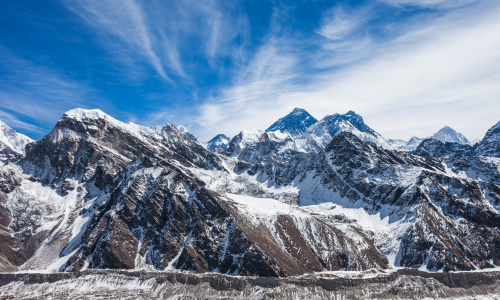
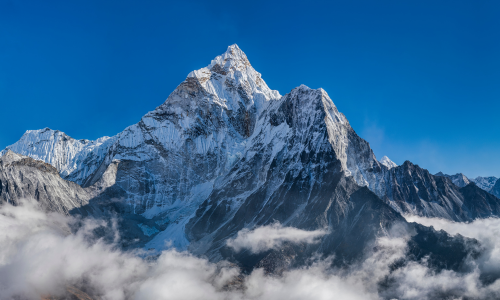
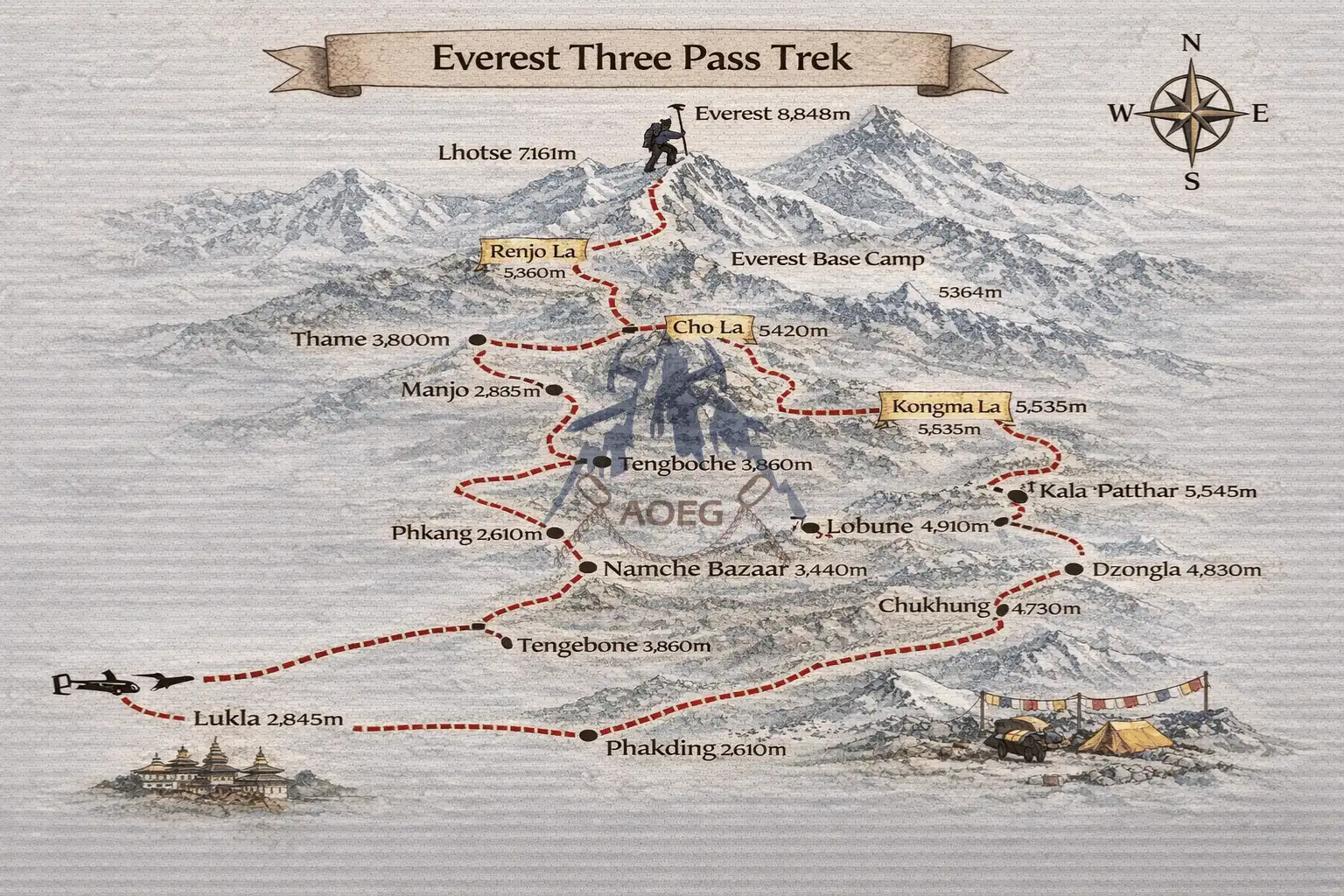
The Everest Three Pass Trek is one of the most adventurous and complete trekking experiences in the Nepal Himalayas, created for trekkers who want to explore Everest beyond the usual trails. This epic journey takes you deep into the heart of the Khumbu region, crossing three dramatic high mountain passes—Khongma La (5,535m), Cho La (5,420m), and Renjo La (5,360m)—while offering nonstop views of the world’s highest peaks.
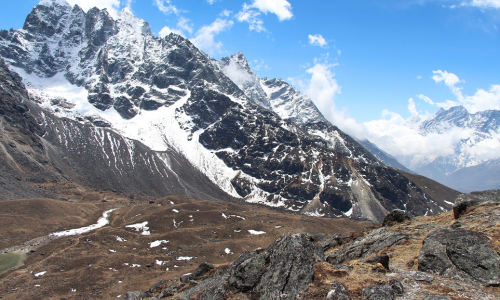
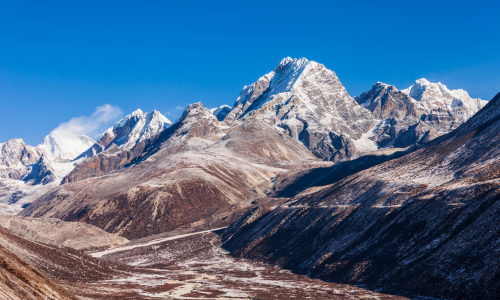
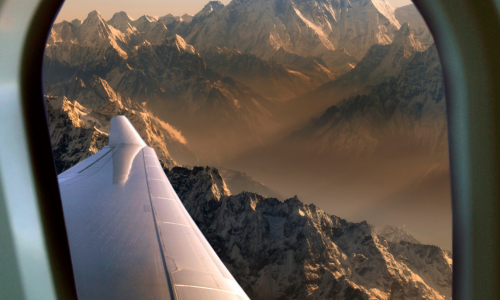
Over the course of 21 unforgettable days, the trek combines classic Everest highlights with remote, less-crowded routes. From the thrilling flight into Lukla to iconic landmarks like Everest Base Camp and Kala Patthar (5,615m), every day brings a new perspective of the Himalayas. The trail winds through Sherpa villages, ancient monasteries, glacier valleys, turquoise lakes of Gokyo, and rugged alpine landscapes shaped by ice and time.
This trek is physically demanding and designed for experienced trekkers with good fitness and a strong sense of adventure. Carefully planned acclimatization days help your body adjust to the altitude, making the journey safer and more enjoyable. Along the way, you will experience warm Sherpa hospitality, rich Buddhist culture, and the peaceful rhythm of mountain life.
The Everest Three Pass Trek is more than a challenge—it is a full Himalayan expedition on foot. For those seeking raw beauty, true adventure, and a deep connection with the mountains, this trek delivers a powerful and unforgettable experience.
Best Highlights of Everest Three Pass Trek
The Everest Three Pass Trek is not just a trek—it’s a full Himalayan adventure that brings together high-altitude challenges, breathtaking landscapes, rich Sherpa culture, and iconic Everest viewpoints. This journey goes far beyond the classic Everest Base Camp route, taking you through remote valleys and across dramatic mountain passes that few trekkers ever experience. Below are the key highlights that make this trek truly exceptional.
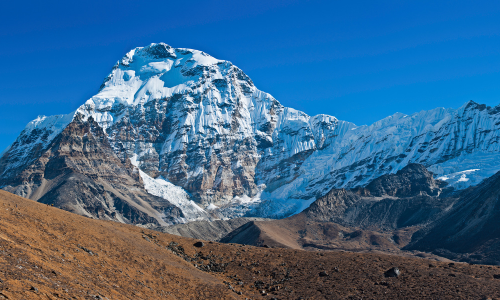
Crossing Three High Mountain Passes
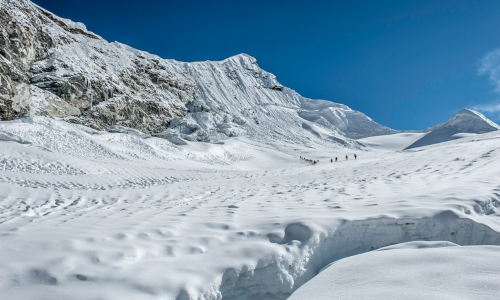
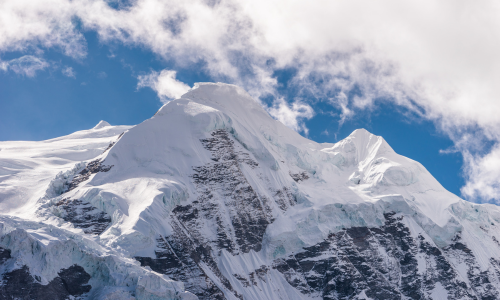
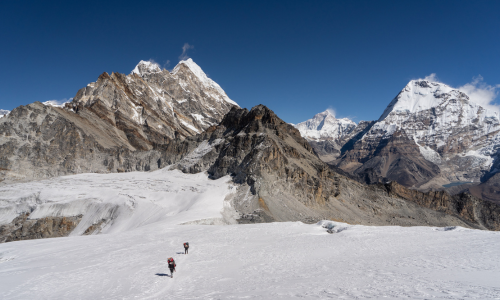
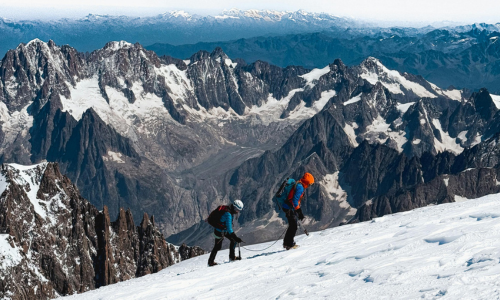
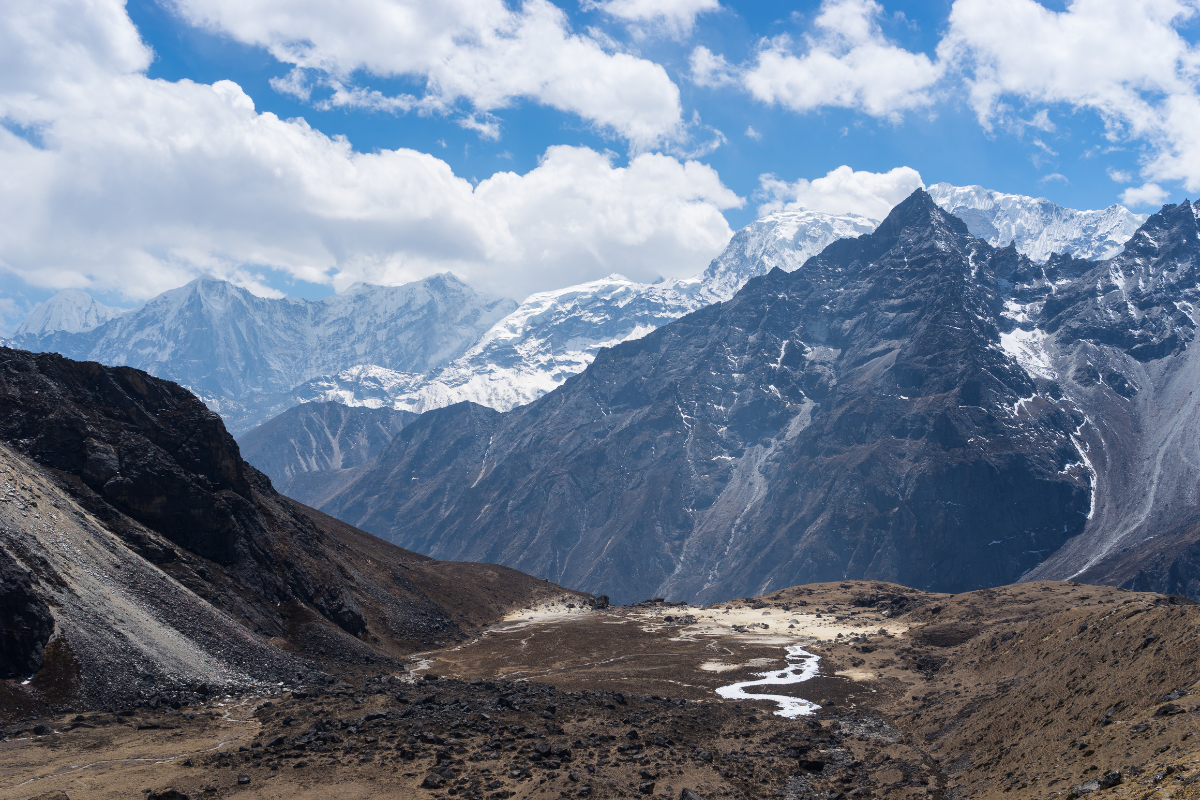
The main highlight of this trek is crossing Khongma La (5,535m), Cho La (5,420m), and Renjo La (5,360m). Each pass offers a different challenge and rewards you with jaw-dropping views of glaciers, icy ridges, and towering Himalayan giants. Standing at the top of these passes feels like conquering the mountains themselves.
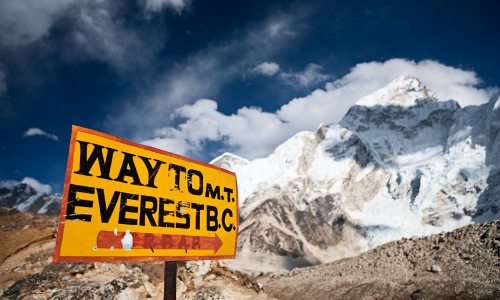
Everest Base Camp Experience
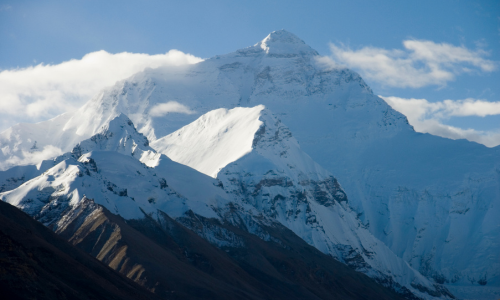
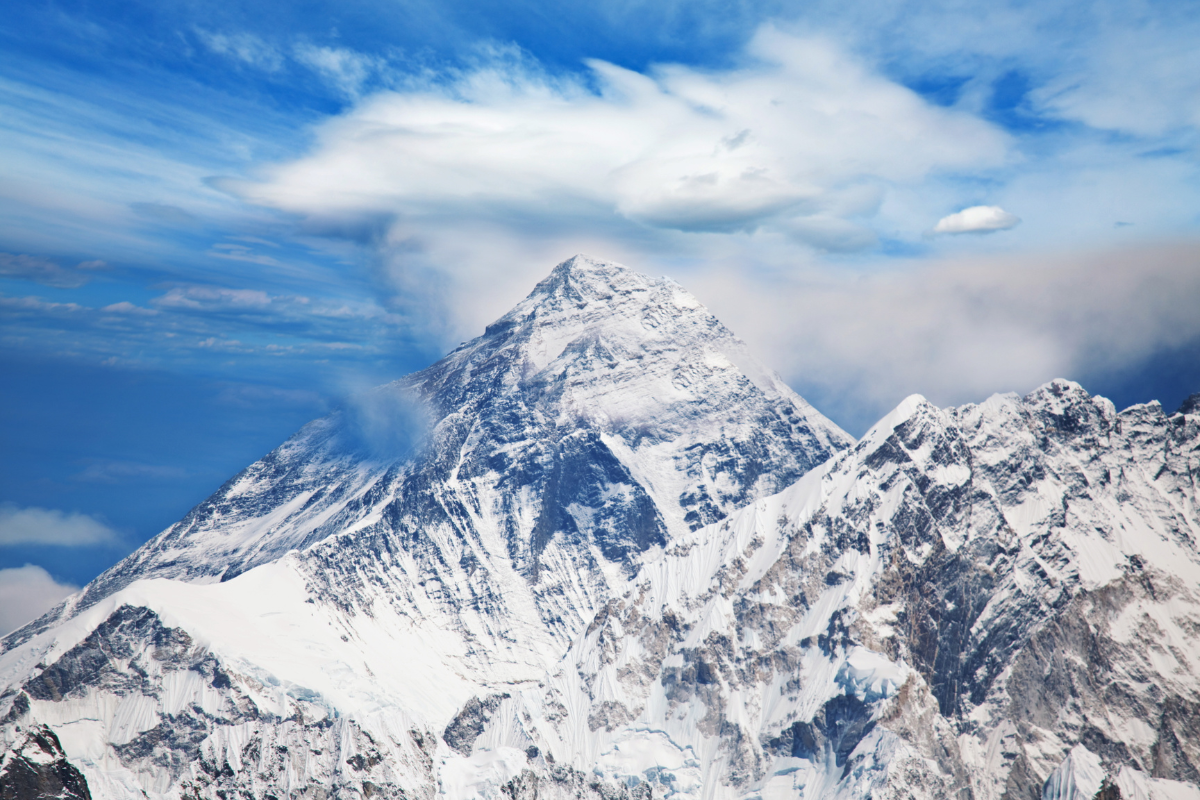
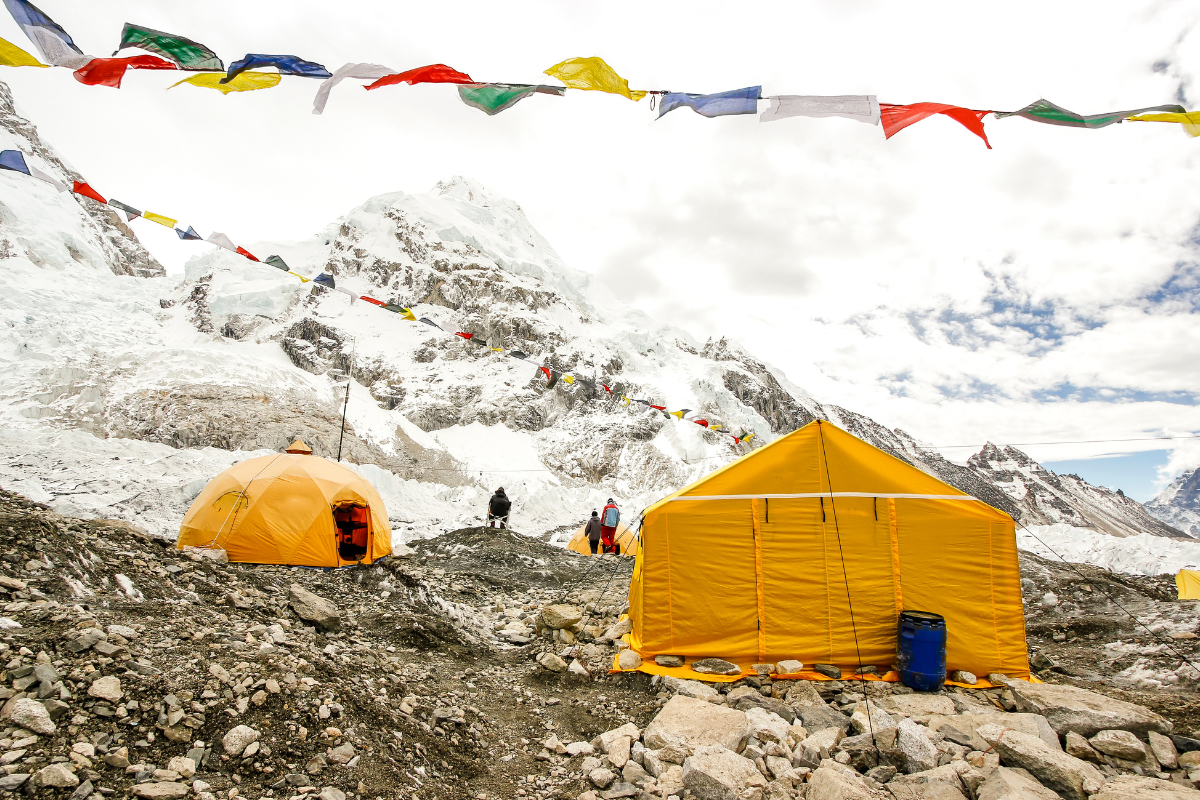
Walking to Everest Base Camp (5,364m) is a dream for many trekkers. Standing at the base of the world’s highest mountain, surrounded by icefalls and legendary peaks, is an emotional and unforgettable moment that defines the Everest journey.
Sunrise from Kala Patthar
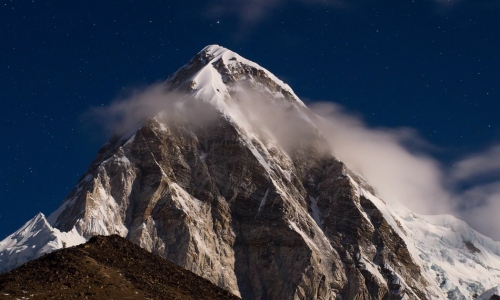
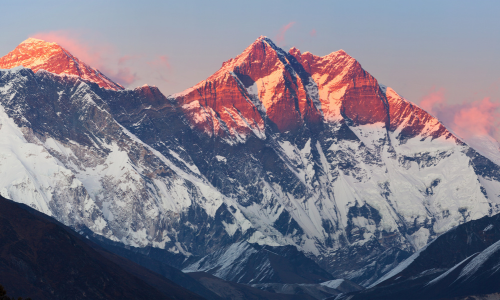
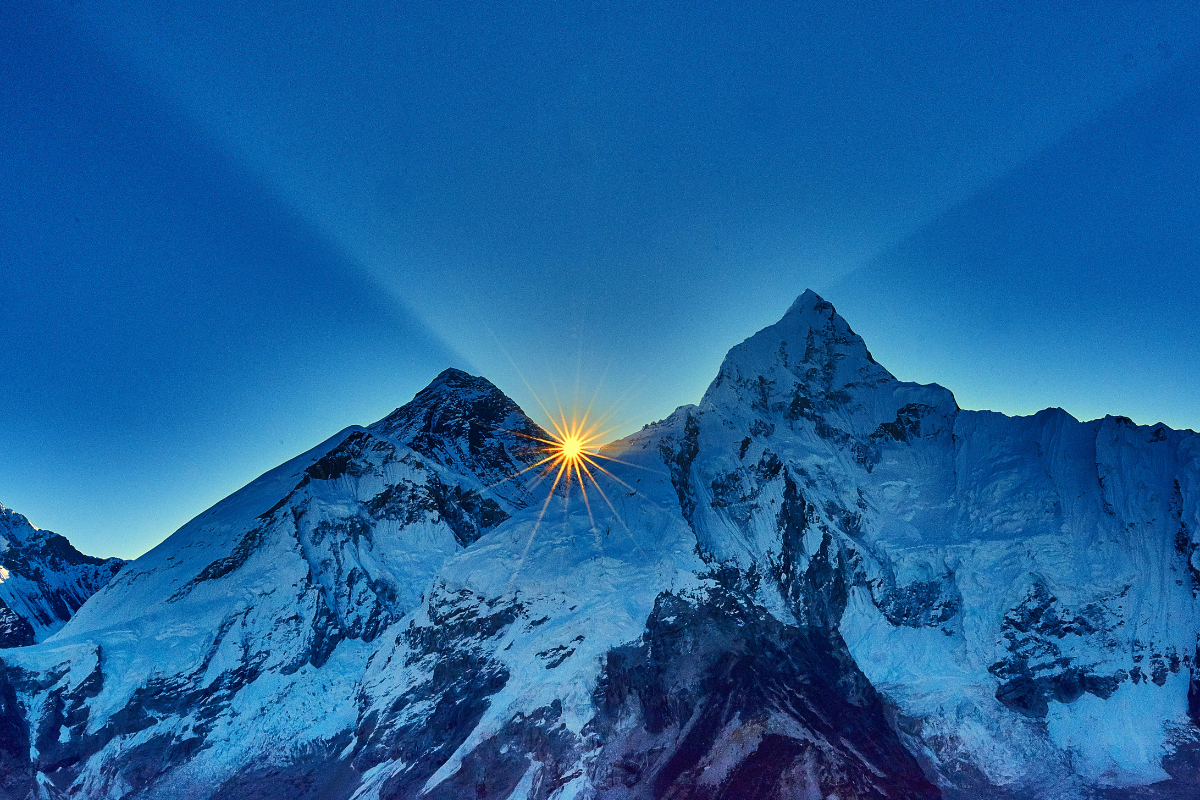
The climb to Kala Patthar (5,615m) offers the best close-up view of Mount Everest, along with Nuptse, Pumori, and the Khumbu Glacier. Watching sunrise paint the peaks in golden light is one of the most magical moments of the trek.
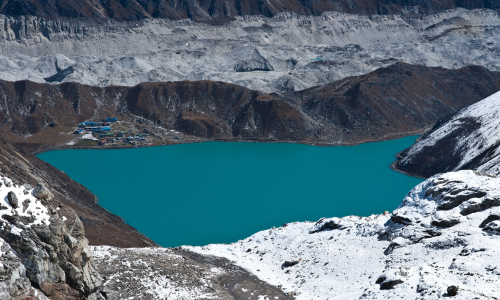
Gokyo Lakes and Gokyo Valley
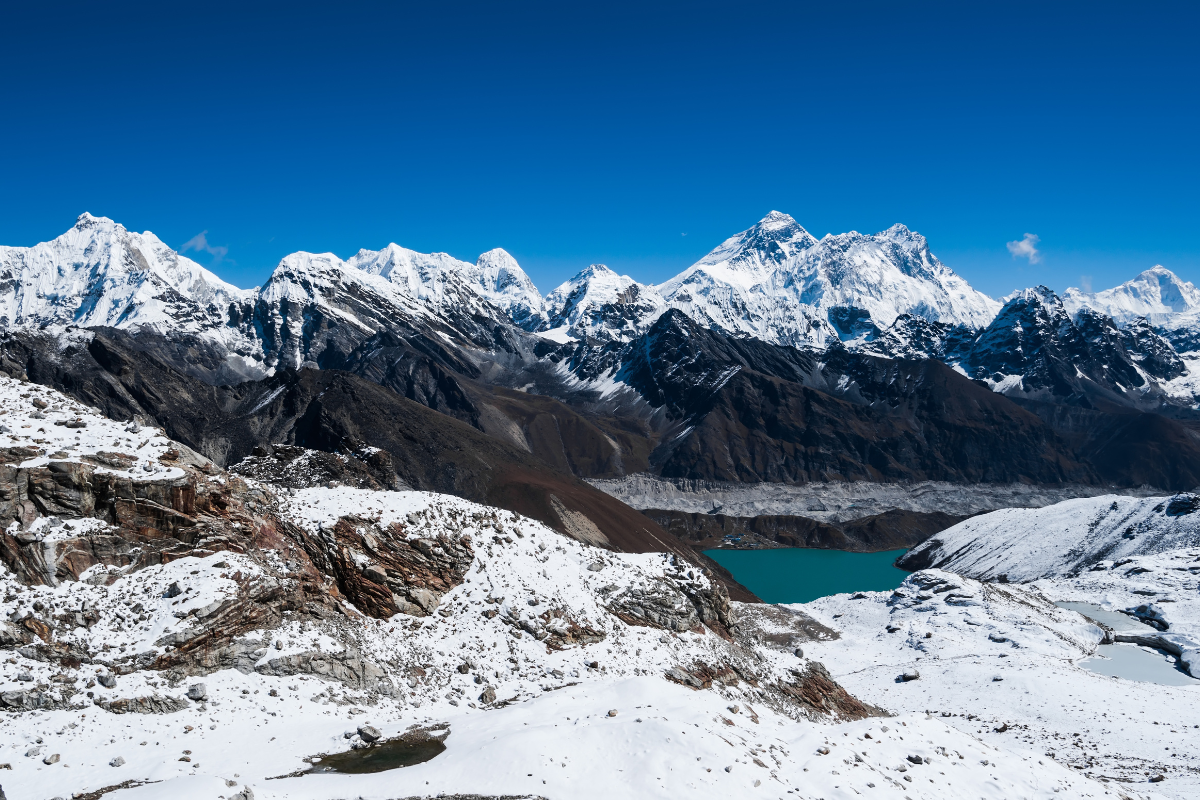
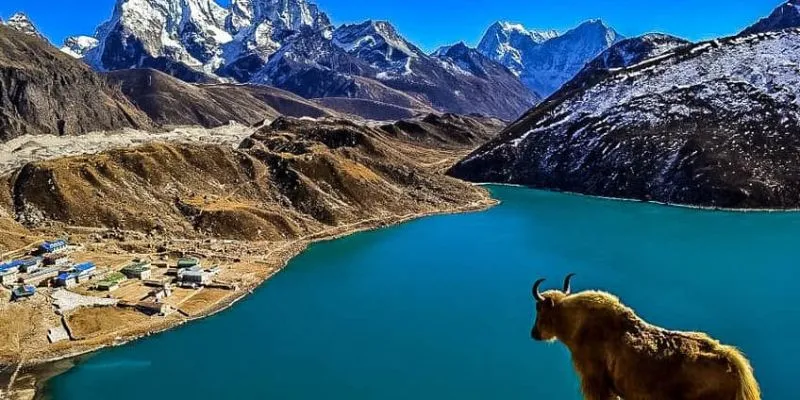
The turquoise Gokyo Lakes, set against a backdrop of snow-covered peaks, feel almost unreal. This peaceful valley offers a quieter, more scenic alternative to the busy Everest Base Camp trail and provides some of the most photogenic landscapes in the Khumbu region.
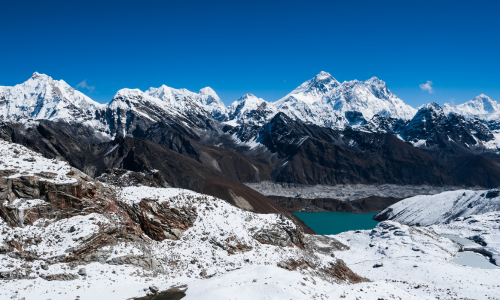
Renjo La Viewpoint
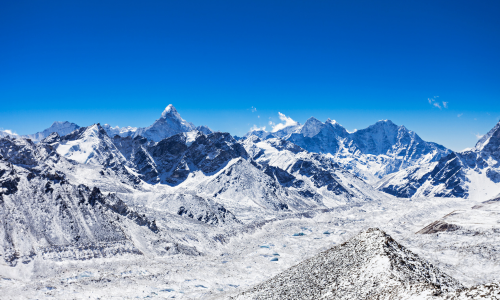
Renjo La Pass is often considered the most beautiful of the three passes. From the top, you get a stunning panoramic view of Everest, Lhotse, Makalu, Cho Oyu, and the entire Gokyo Valley—an unforgettable Himalayan panorama.
Authentic Sherpa Culture
The trek passes through traditional Sherpa villages such as Namche Bazaar, Thame, Dingboche, and Gokyo, where you experience warm hospitality, ancient monasteries, prayer flags, and a deep connection to Buddhist traditions that have shaped mountain life for centuries.
Remote and Less-Crowded Trails
Unlike standard Everest routes, the Three Pass Trek takes you into remote sections of the Khumbu, offering a sense of solitude and true wilderness. These quieter trails allow you to fully absorb the beauty and silence of the high Himalayas.
A True High-Altitude Adventure
This trek tests your endurance, strength, and determination. Completing all three passes brings a strong sense of achievement, making it one of the most rewarding trekking experiences in Nepal.
Permits Required for Everest Three Pass Trek
Embarking on the Everest Three Pass Trek requires specific permits to ensure your journey is legal, safe, and environmentally responsible. The primary permits include the Sagarmatha National Park Permit, which allows access to the protected Everest region and contributes to the conservation of this fragile environment. Every trekker must also obtain a TIMS (Trekkers’ Information Management System) Card, which helps authorities monitor trekkers in remote areas for safety and emergency purposes.
For some areas on the trek, additional permits or entry fees may be required for restricted zones, monasteries, or special conservation areas. Your trekking agency usually assists in arranging all permits in Kathmandu before departure, making the process seamless. Carrying these documents at all times is mandatory, and failure to do so can result in fines or denied entry to protected regions.
Proper permits not only ensure legal compliance but also contribute to the preservation of the Himalayan environment, allowing future adventurers to enjoy the pristine beauty of the Everest region safely.
Best Season Time for Everest Three Pass Trek
Timing your Everest Three Pass Trek correctly is crucial for safety, clear mountain views, and an overall enjoyable experience. The trek is possible year-round, but the ideal seasons are spring and autumn.
Spring (March to May)
Spring offers moderate temperatures, blooming rhododendrons, and vibrant alpine scenery. Trails are generally clear of snow at lower altitudes, and the skies are often bright and clear, providing excellent views of Everest, Lhotse, and surrounding peaks. This season is perfect for photographers and nature lovers, as colorful landscapes complement the towering Himalayan backdrop.
Autumn (September to November)
Autumn is considered the peak trekking season. After the monsoon, the air is crisp, and visibility is exceptional. Temperatures are stable, making high-altitude trekking and crossing the three passes safer and more comfortable. The trails are less slippery, and villages along the route are lively with local culture and festivals.
Seasons to Avoid
- Winter (December to February): Extremely cold temperatures, heavy snow, and high winds make trekking challenging and sometimes unsafe.
- Monsoon (June to August): Heavy rainfall leads to slippery trails, landslides, and poor visibility, increasing the risk of accidents.
Planning your trek in spring or autumn ensures the best combination of safety, clear views, and vibrant Himalayan landscapes, making your Everest Three Pass adventure truly unforgettable.
Difficulty Level of Everest Three Pass Trek
The Everest Three Pass Trek is considered challenging and suitable for experienced trekkers who are physically fit and prepared for high-altitude trekking. Covering altitudes up to 5,615 meters, the trek involves crossing three high Himalayan passes—Kongma La, Cho La, and Renjo La—which require stamina, endurance, and careful acclimatization.
Trekkers will face long days of walking, steep ascents and descents, and variable weather conditions. While technical climbing skills are not required, prior experience in high-altitude trekking is highly recommended. Proper acclimatization days are included in the itinerary to reduce the risk of altitude sickness, and trekkers are guided by experienced professionals to ensure safety.
This trek is ideal for adventurers seeking a rewarding, physically demanding journey that combines stunning mountain views, remote villages, and the thrill of crossing multiple Himalayan passes.
Final Insights on Everest Three Pass Trek – Adventure, Views, and Culture
The Everest Three Pass Trek is not just a trek—it’s a journey that challenges your limits, rewards your perseverance, and immerses you in the breathtaking beauty of the Nepalese Himalayas. From the vibrant streets of Kathmandu to remote villages, serene valleys, and majestic mountain passes, every step offers a unique adventure and unforgettable memories. Crossing Kongma La, Cho La, and Renjo La provides not only a physical challenge but also a rare opportunity to witness Everest, Lhotse, and surrounding peaks from incredible vantage points.
This trek is perfect for adventurers who are physically fit, passionate about mountains, and eager to explore the hidden gems of the Everest region. With experienced guides, proper acclimatization, and well-planned logistics, you can focus entirely on the journey and the stunning landscapes around you.
Take the first step towards your Himalayan adventure—book your Everest Three Pass Trek with Alpine Outdoors & Expedition Guide Pvt. Ltd today and create memories that will last a lifetime!
 Instant Booking