
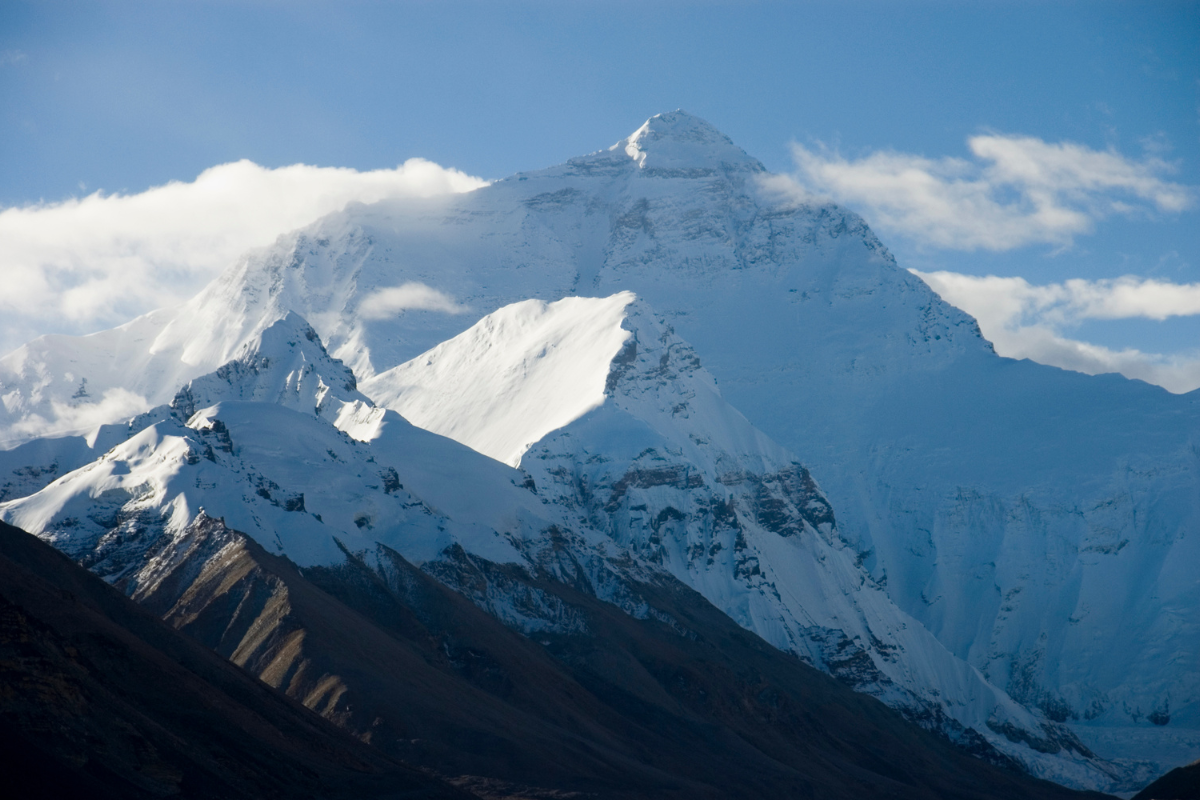
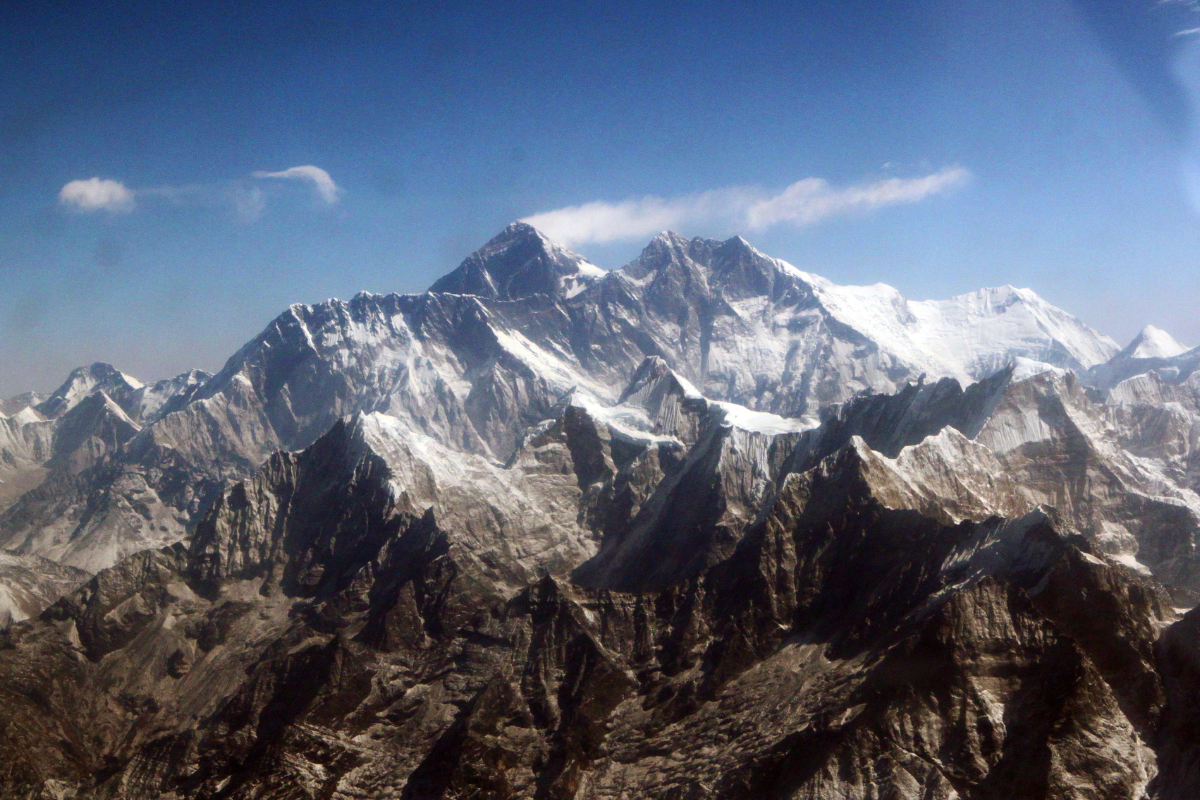
Everest North Expedition Overview
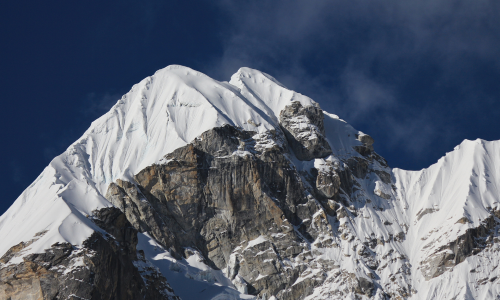
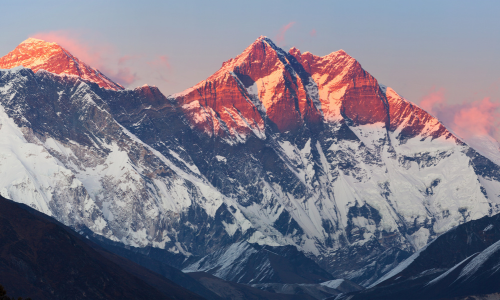
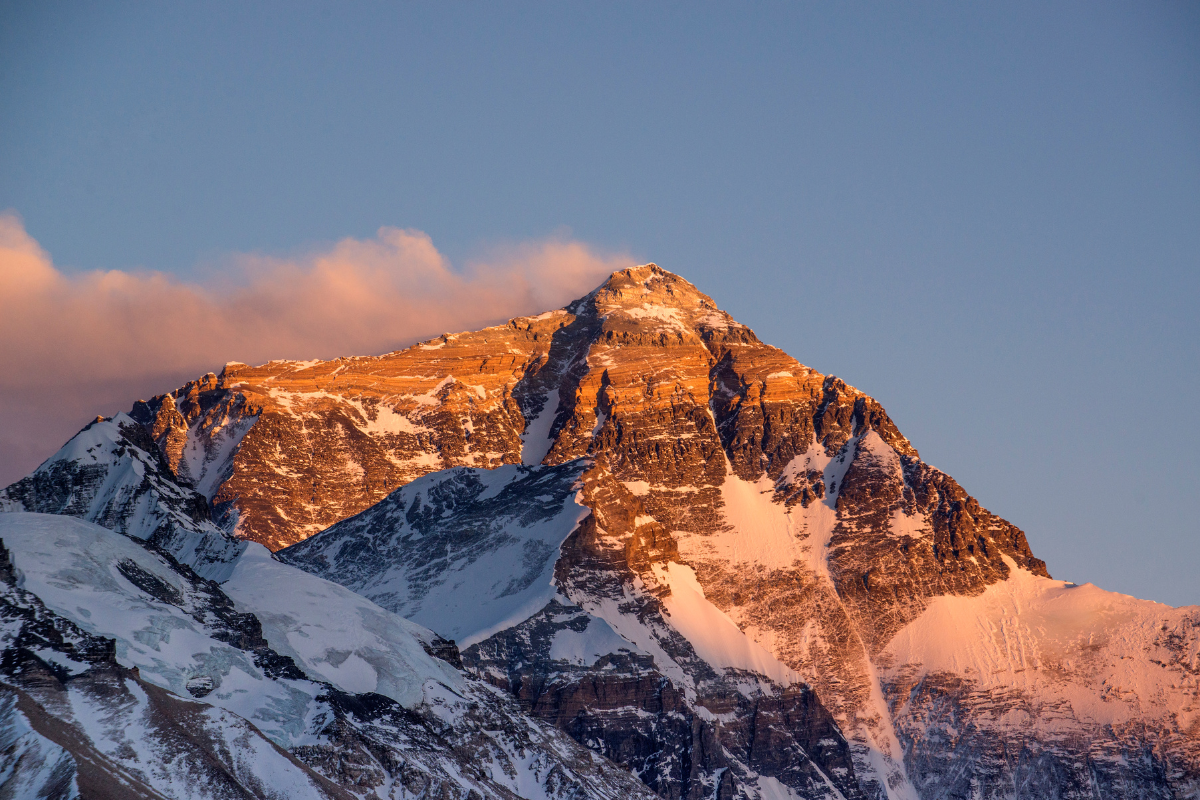
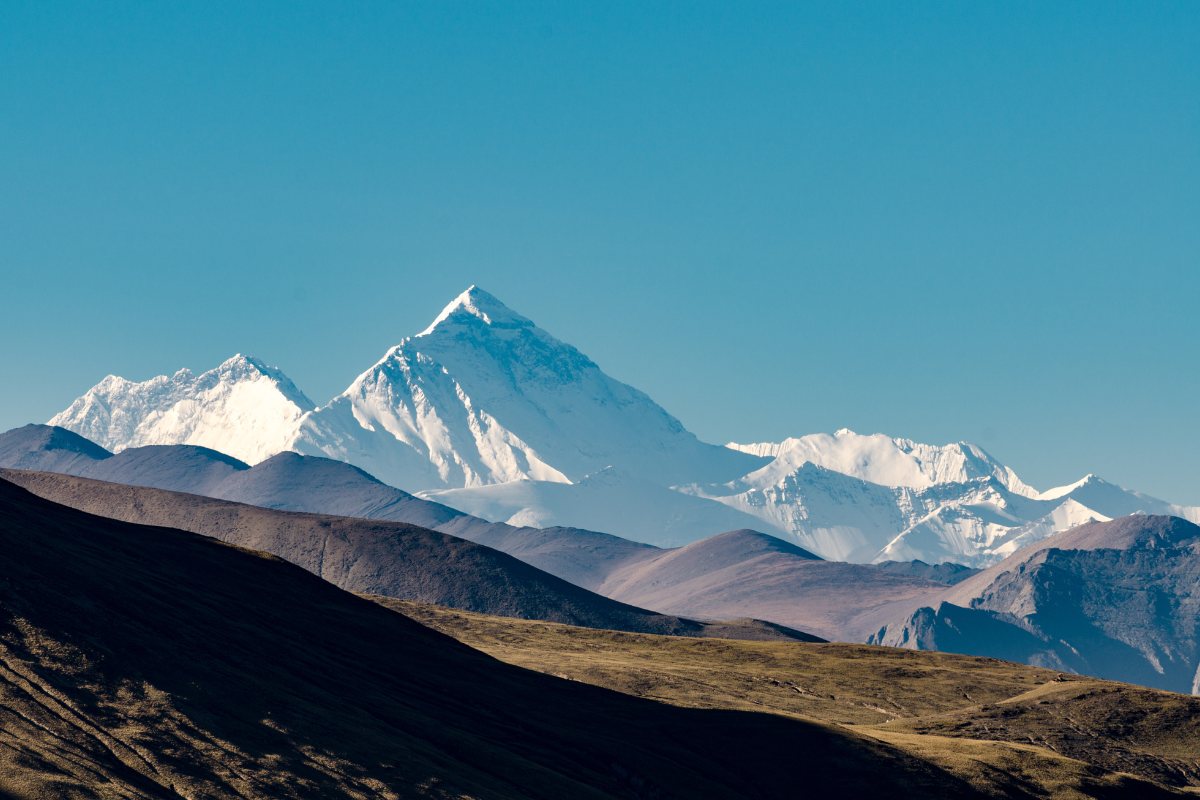
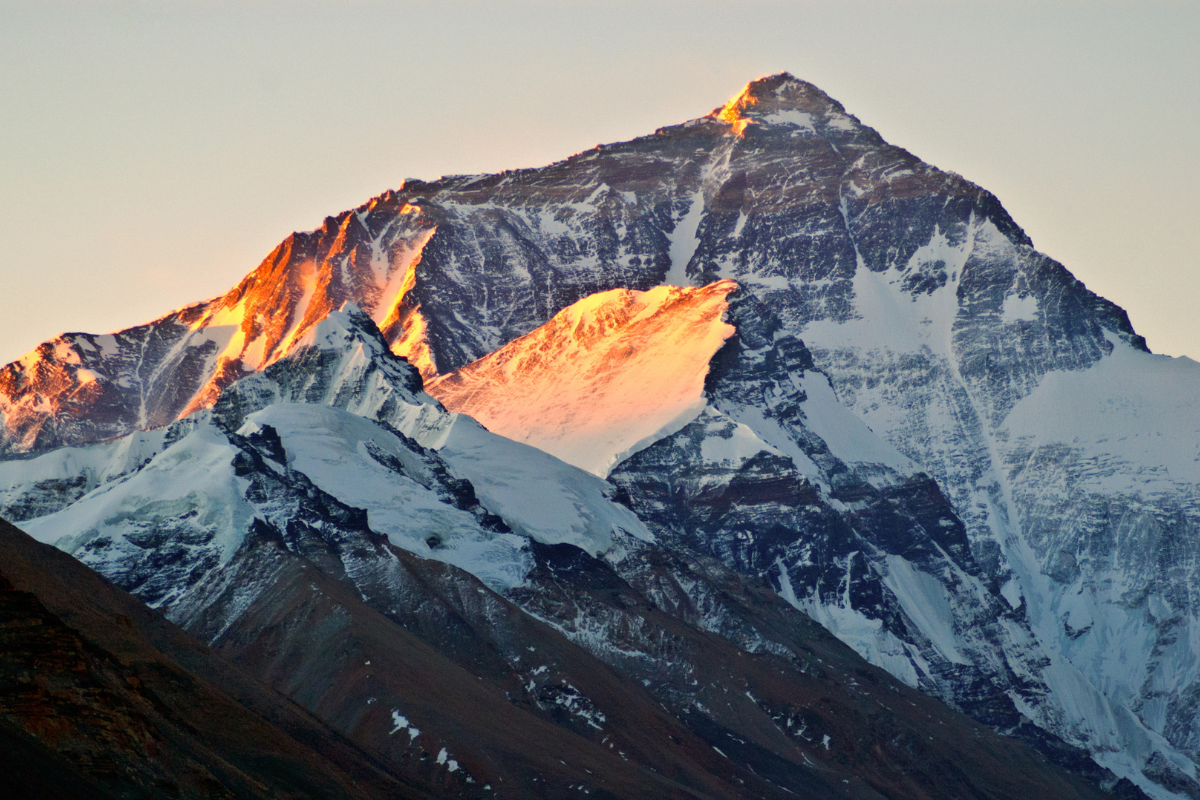
The Mt. Everest North Expedition is one of the most challenging and rewarding high-altitude adventures in the world. Standing tall at 8,848 meters (29,029 feet), Everest North offers climbers the ultimate test of endurance, skill, and determination. Unlike the South route from Nepal, the North route via Tibet provides a unique cultural and scenic experience, taking you through Tibetan landscapes, monasteries, and remote villages, alongside the breathtaking Himalayan peaks.
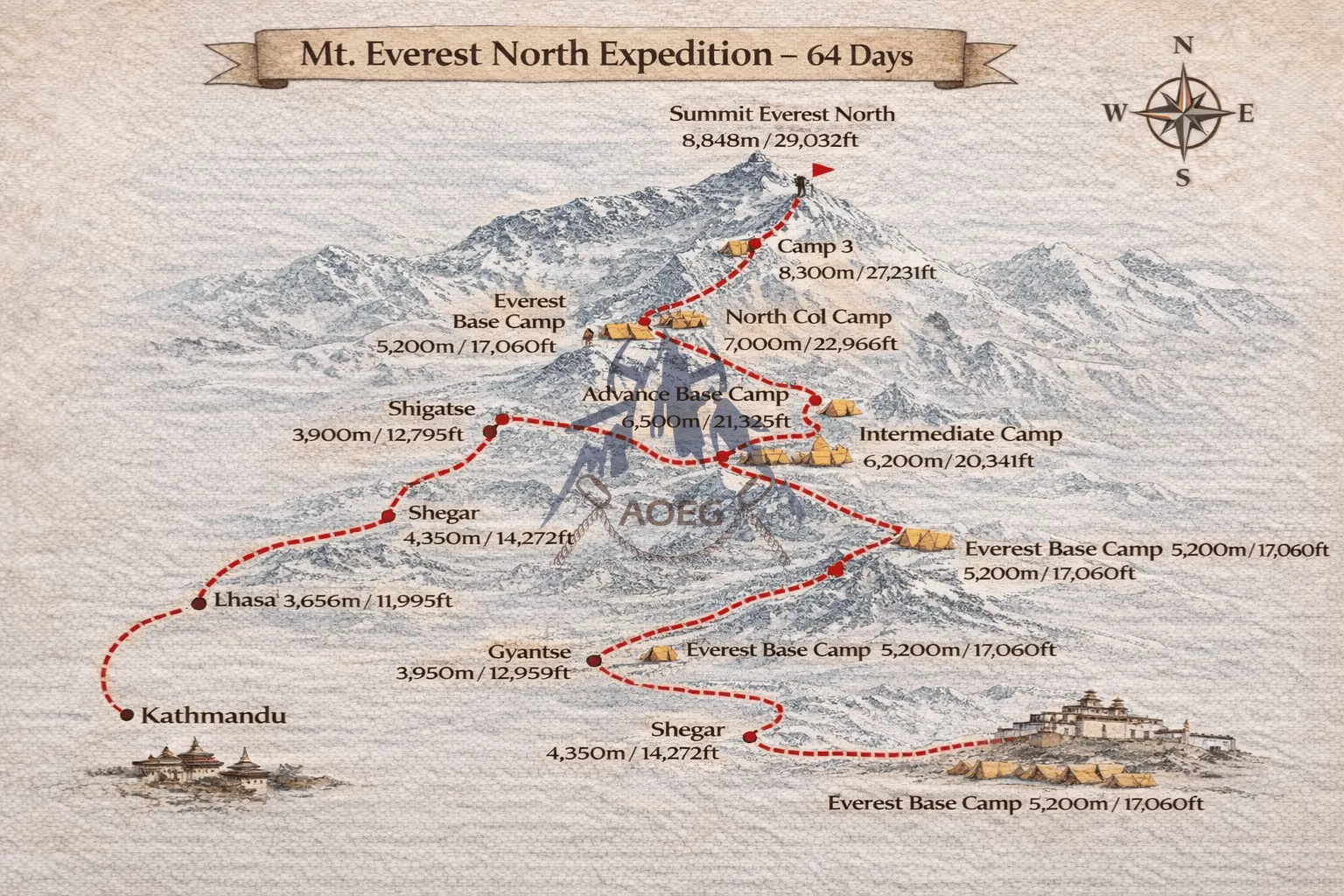
This 64-day expedition is designed for experienced mountaineers seeking a comprehensive high-altitude challenge. From the bustling streets of Kathmandu to the vast plateaus of Tibet, and from Base Camp to the summit of the world's tallest peak, this journey combines trekking, cultural immersion, acclimatization, and technical climbing.
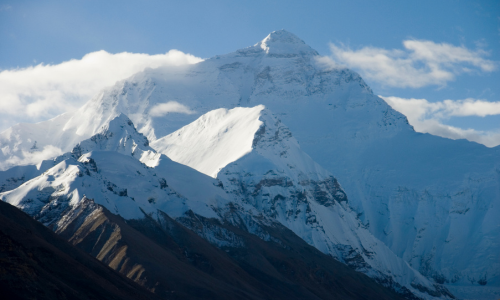
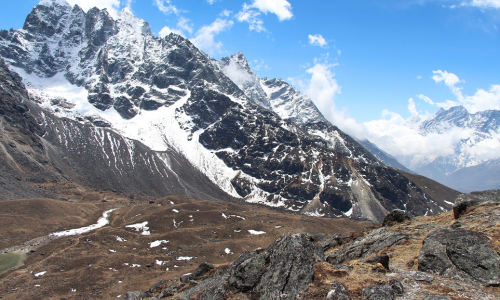
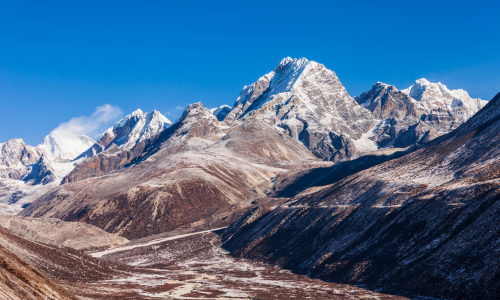
Climbers will experience the majestic North Face of Everest, explore Shigatse and Lhasa, and trek through the stunning Rongbuk Valley, witnessing landscapes untouched by large crowds. Every step is planned for safety, acclimatization, and maximum enjoyment, ensuring a balance between adventure and well-being. This expedition promises unforgettable memories, a sense of personal achievement, and the thrill of standing atop the roof of the world.
Everest North Expedition Highlights
The Everest North Expedition is a once-in-a-lifetime journey, combining adventure, culture, and nature. Here are the key highlights:
- Summit Mt. Everest (8,848m/29,029ft): Achieve the ultimate mountaineering goal on the world's tallest peak.
- Rongbuk Glacier and Base Camp: Experience the remote and dramatic landscapes of the northern Everest region.
- Tibetan Cultural Immersion: Explore Lhasa, Shigatse, and Gyantse, visiting monasteries, prayer flags, and traditional Tibetan villages.
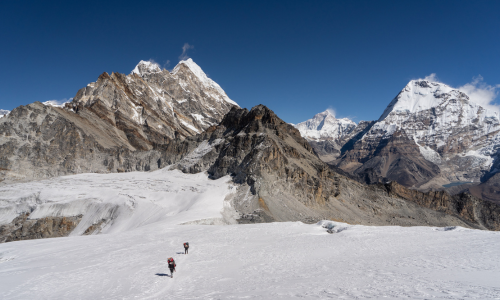
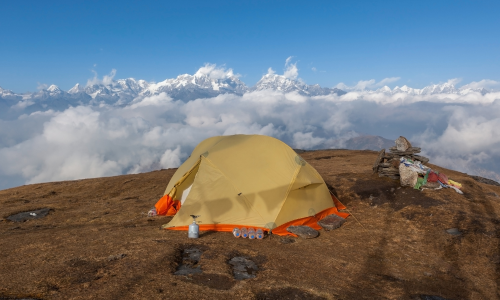
- High-Altitude Trekking & Camping: Trek through stunning valleys, setting up base and high camps amidst breathtaking Himalayan scenery.
- Professional Support: Experienced guides, Sherpas, and high-altitude support ensure safety and proper acclimatization.
- Once-in-a-Lifetime Adventure: Less crowded than the southern route, giving climbers solitude and a sense of true Himalayan wilderness.
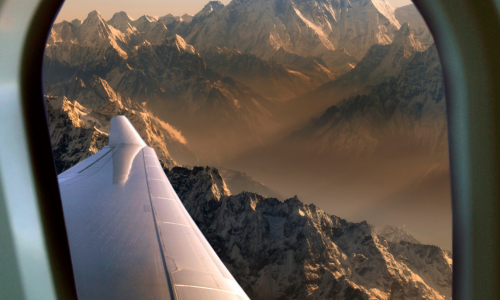
- Scenic Flights & Road Journeys: Fly to Lhasa and drive through Tibet’s scenic landscapes, rivers, and high mountain passes.
Everest North Expedition Permits
Climbing Mt. Everest via the North Route requires several official permits issued by the Tibetan authorities. These permits ensure that your expedition is legal, safe, and well-organized. Our team handles all permit arrangements, so you can focus on the climb.
Required Permits:
- Tibet Travel Permit – Mandatory for all foreign climbers entering Tibet. This permit allows you to travel through Lhasa, Shigatse, and other regions en route to Everest Base Camp.
- Military Permit – Required for access to the restricted Everest North region. It ensures you comply with Tibetan government regulations while trekking and climbing.
- Climbing Permit – Authorizes you to summit Mt. Everest (8,848m / 29,029ft). This official permit is strictly issued by Tibetan authorities and is included in the expedition package.
- Base Camp Permit – Legalizes your stay in the Rongbuk Valley and Everest Base Camp area. This permit supports safe trekking and environmental protection.
- Liaison Officer – A Tibetan government-appointed official accompanies the expedition to oversee compliance with local rules and regulations.
Having these permits in place ensures a smooth and hassle-free expedition, allowing climbers to focus fully on trekking, acclimatization, and the summit attempt. Proper documentation is crucial, and early submission of personal information (passport details, experience records) is necessary to secure all permits on time.
Best Season for Everest North Expedition
Choosing the right season is crucial for a safe and successful Everest North Expedition. The ideal time to climb is during the spring (April to May) and autumn (September to November) seasons. These periods offer the most stable weather, clear skies, and optimal climbing conditions, making your expedition safer and more enjoyable.
Spring Season (April – May)
Spring is the most popular climbing season for Everest. During these months:
- Temperatures are moderate, and the days are longer, providing better trekking and climbing conditions.
- The skies are generally clear, offering breathtaking views of the Himalayas.
- Snow conditions on the route are suitable for climbing, reducing avalanche risks.
- Spring allows climbers to witness blossoming alpine landscapes and the beauty of the Tibetan plateau in full bloom.
Autumn Season (September – November)
Autumn is considered the second-best season for Everest North expeditions:
- The monsoon has passed, leaving crisp, clear skies and excellent visibility.
- Cooler temperatures reduce the risk of snow melting and avalanches, making climbs safer.
- The trekking trails are dry and stable, ideal for long drives and Base Camp approaches.
- Fewer climbers than in spring provide a more peaceful and exclusive climbing experience.
- Seasons to Avoid
Seasons to Avoid
- Winter (December – February): Extreme cold, high winds, and severe snowfall make climbing dangerous.
- Summer Monsoon (June – August): Heavy rain, snow, and unstable weather increase the risk of landslides and avalanches, making trekking and climbing unsafe.
Tip: Planning your Everest North Expedition during spring or autumn maximizes your chances of a successful summit while ensuring safety, comfort, and unforgettable Himalayan views.
Everest North Expedition Difficulty Level
The Everest North Expedition is among the most challenging high-altitude climbing experiences in the world. Standing at 8,848 meters (29,029 feet), this expedition demands not only physical endurance but also mental resilience, technical skills, and careful planning.
Physical Challenges
- Extreme Altitude: Climbers face low oxygen levels above 6,500 meters, which requires proper acclimatization to prevent altitude sickness.
- Long Duration: The expedition lasts 64 days, including trekking, acclimatization, and summit attempts, requiring consistent stamina and fitness.
- Harsh Weather: Temperatures can drop to -30°C or lower at high camps, with strong winds and sudden weather changes.
Technical Challenges
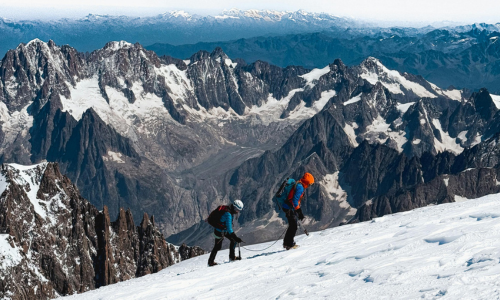
- Climbing Skills Required: Use of fixed ropes, ice axes, crampons, and ladders is essential on steep icy slopes and glacier crossings.
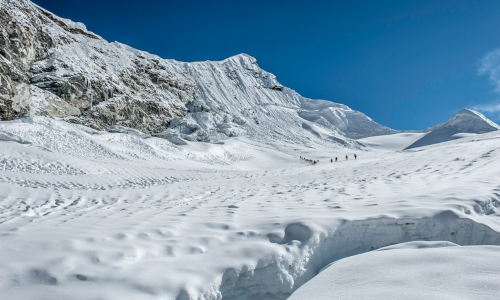
- High Camps and Glacier Navigation: Climbers must navigate glaciers, crevasses, and snow-covered slopes with precision and safety in mind.
- Summit Push: The final ascent involves steep, exposed terrain, requiring both skill and careful decision-making.
Mental Challenges
- Long Period Away from Civilization: Extended stays at high altitude in remote regions demand mental endurance and resilience.
- High-Stress Situations: Climbers face unpredictable weather, fatigue, and high-altitude conditions that require focus and determination.
Who Should Attempt This Expedition
- Experienced Mountaineers Only: This expedition is recommended for climbers with prior high-altitude trekking or mountaineering experience.
- Good Physical Fitness: Strong cardiovascular health, stamina, and strength are essential.
- Mental Preparedness: Ability to handle extreme conditions, isolation, and physical stress.
In short, the Everest North Expedition is extremely demanding, but with proper preparation, training, and guidance from professional Sherpas and guides, it offers a life-changing adventure and the ultimate reward of standing atop the world’s highest peak.
Everest North Expedition – Final Thoughts
The Everest North Expedition is the ultimate journey for serious mountaineers seeking the thrill, challenge, and reward of standing atop the world’s highest peak. This 64-day expedition combines high-altitude trekking, cultural immersion in Tibet, and the technical climb of Mt. Everest (8,848m / 29,029ft), offering a once-in-a-lifetime adventure.
Every stage of the journey is meticulously planned for safety, proper acclimatization, and maximum enjoyment, from Kathmandu to Base Camp, through high camps, and during the summit push. Along the way, climbers experience stunning Himalayan landscapes, remote Tibetan villages, ancient monasteries, and the serene Rongbuk Glacier, creating a profound connection with both nature and culture.
While the expedition is physically demanding and technically challenging, the reward is unparalleled: breathtaking views, personal accomplishment, and memories that last a lifetime. With professional guides, Sherpas, and fully organized logistics, climbers can focus entirely on the adventure, embracing the once-in-a-lifetime experience of conquering Everest North.
Step into the mountains, embrace the challenge, and create a story that few will ever live to tell.
 Instant Booking