
Overview of Baruntse Expedition - 38 Dyas
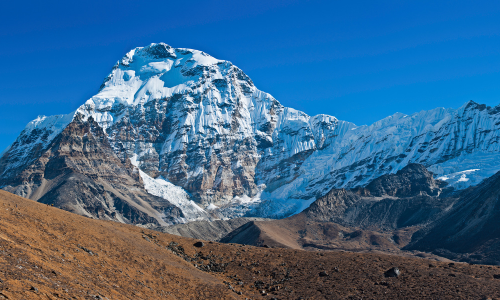
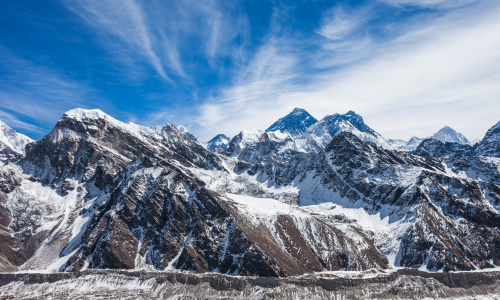
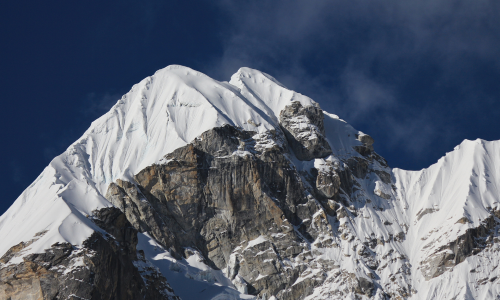
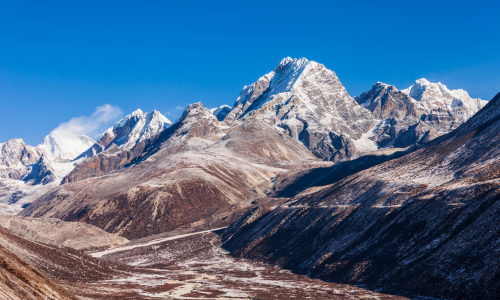
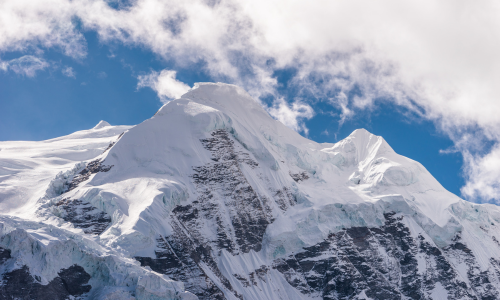
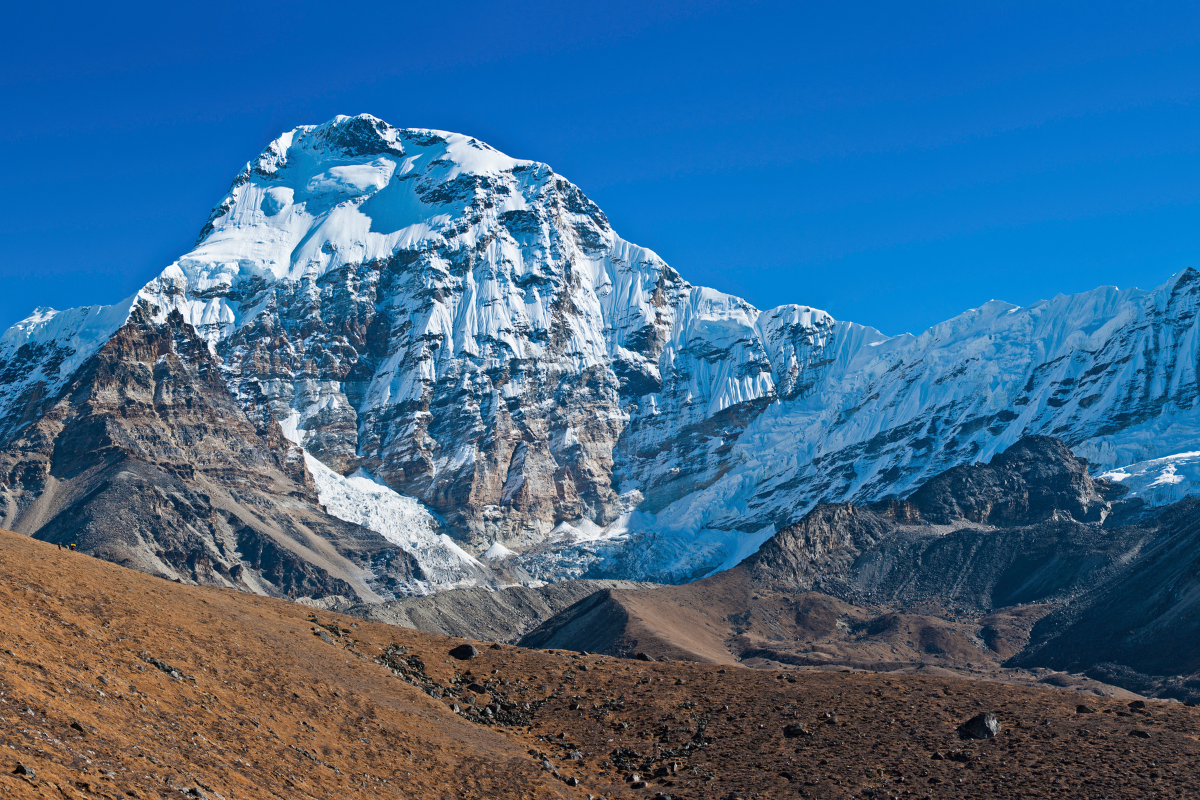
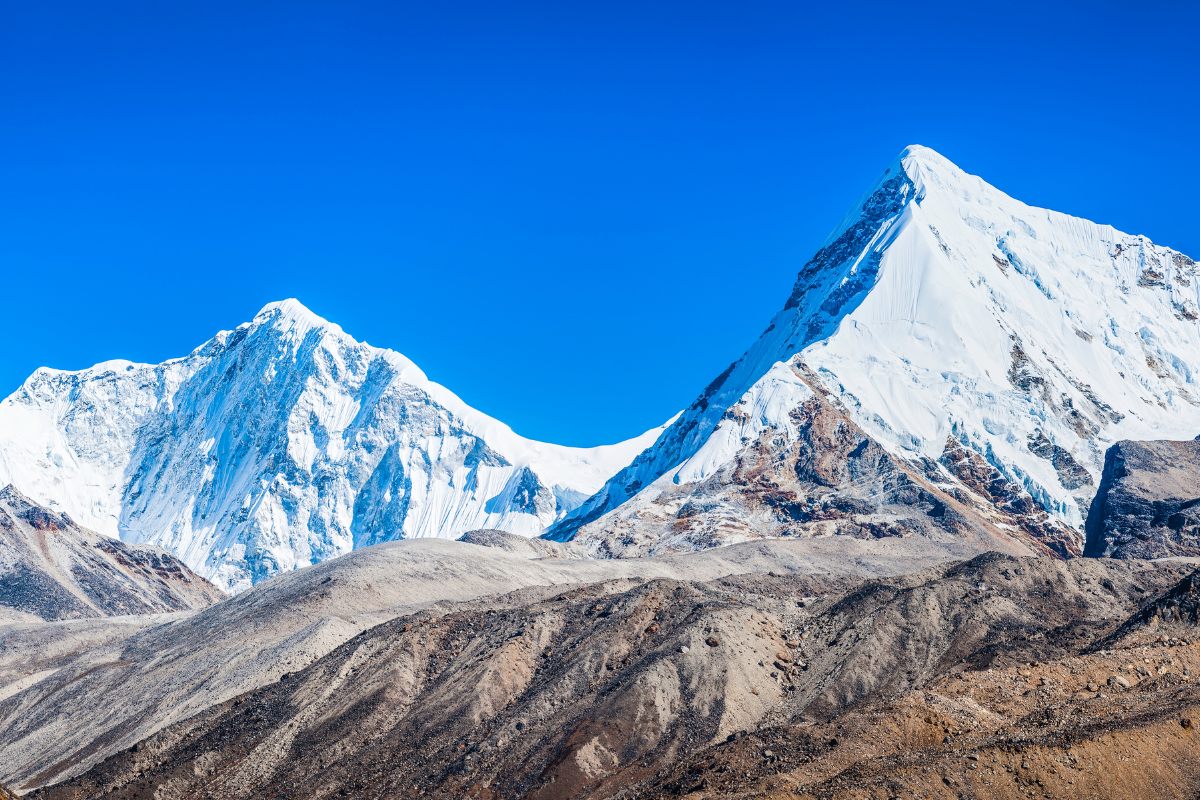
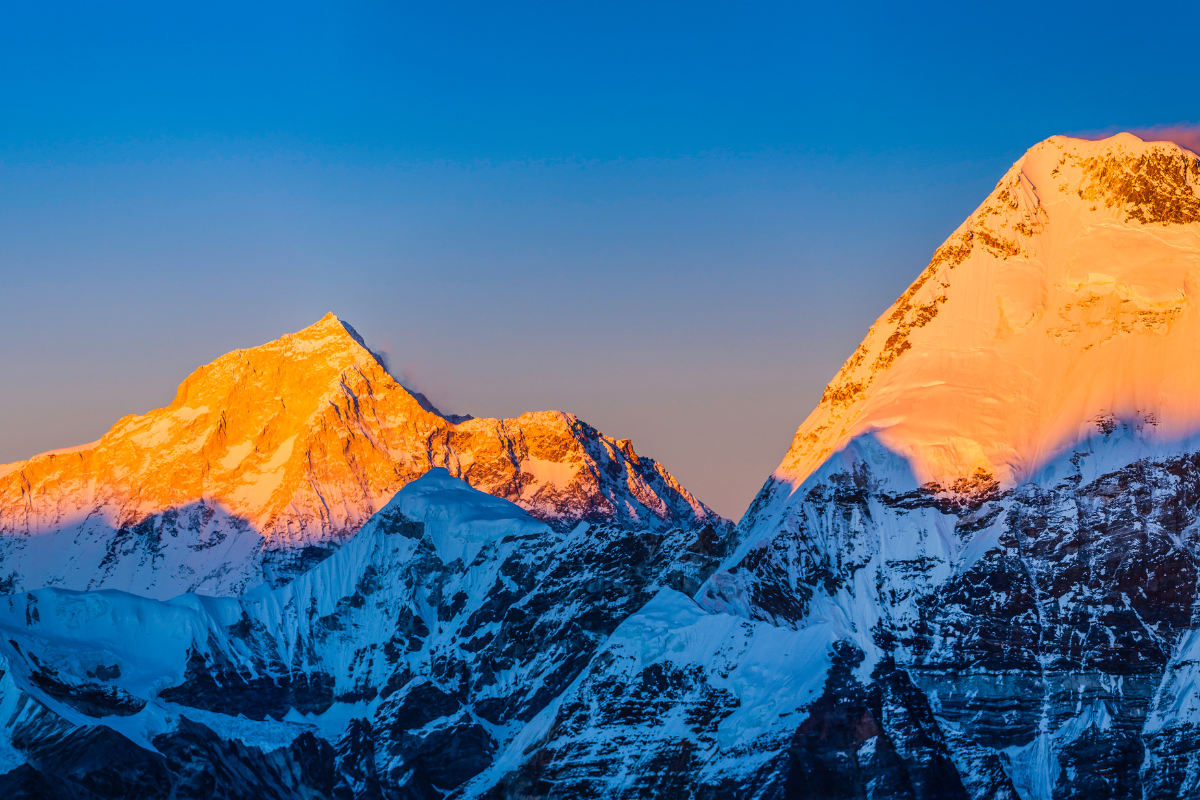
The Baruntse Expedition (7,129 meters / 23,389 feet) is one of Nepal’s most rewarding and scenic high-altitude mountaineering adventures. Located in the remote Khumbu–Makalu region, Baruntse lies between two giant Himalayan massifs — Mount Everest to the west and Mount Makalu to the east. This remarkable position makes the expedition a journey through some of the most dramatic mountain landscapes on earth.
This 38-day Baruntse Expedition is carefully designed to allow proper acclimatization, safe climbing, and a high chance of summit success. Unlike shorter itineraries, this program gradually gains altitude, includes multiple rest and reserve days, and uses Mera Peak as an important acclimatization and training climb before attempting Baruntse. This makes the expedition ideal for climbers who are ready to move beyond 6,000-meter peaks and aim for a technically demanding 7,000-meter mountain.
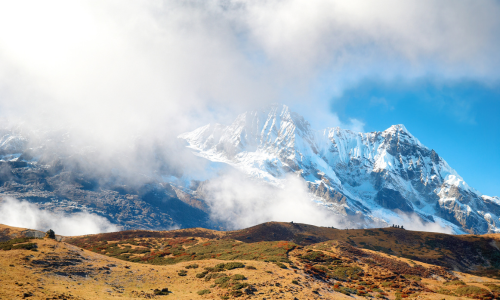
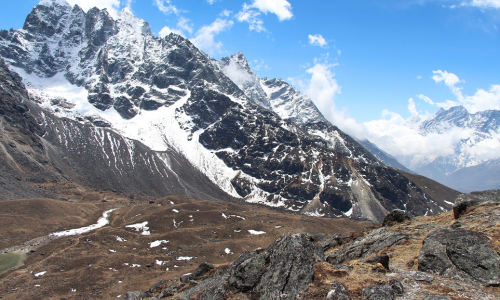
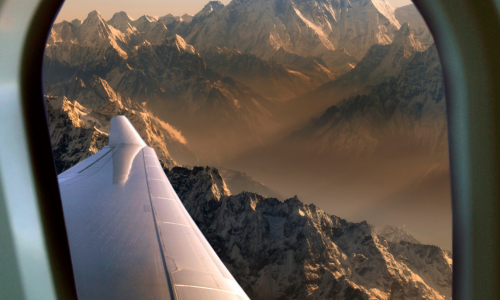
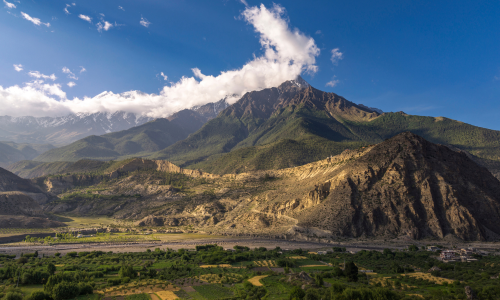
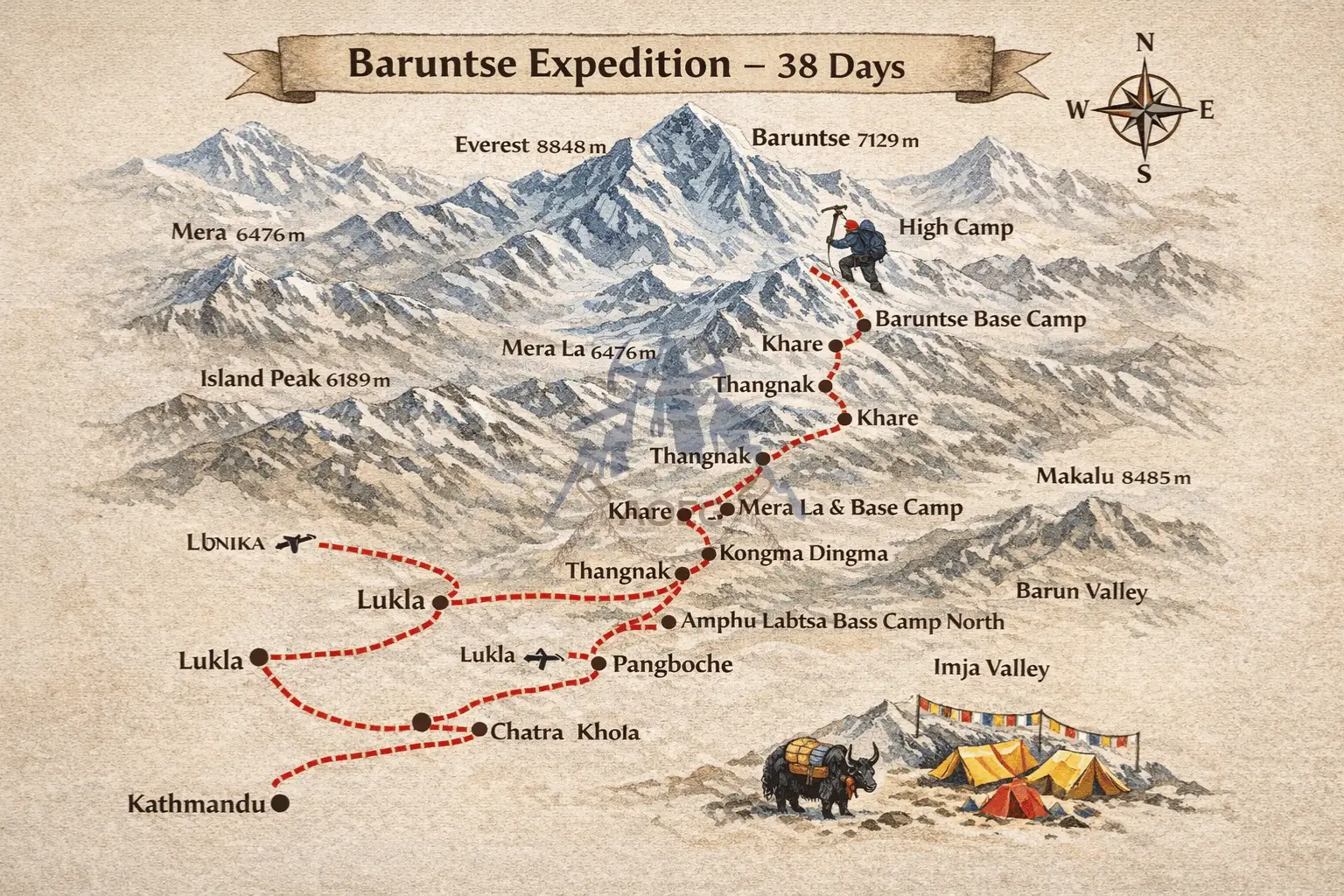
The adventure begins in Kathmandu, where climbers complete final preparations and attend an official expedition briefing at the Ministry of Tourism. After a scenic mountain flight to Lukla, the trek follows a less-traveled route through Paiya, Pangoma, Ningsaw, and the beautiful Hinku Valley. This region is known for its pristine forests, alpine meadows, traditional Sherpa villages, and stunning views of snow-covered peaks.
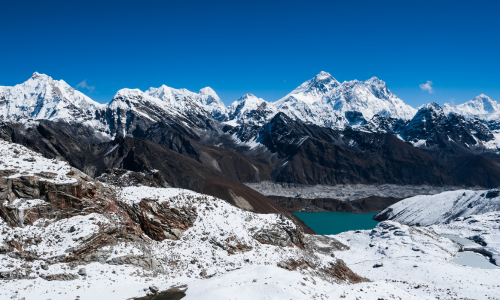
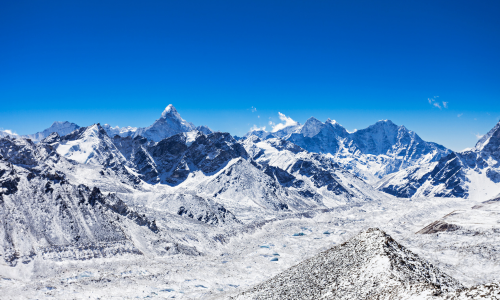
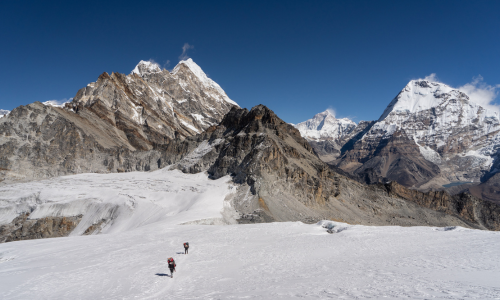
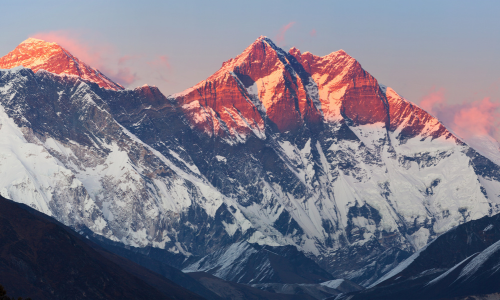
As the trek continues, the trail leads to Khare, the gateway to Mera Peak. An acclimatization day is spent here to prepare climbers for higher elevations. The ascent over Mera La Pass and the climb of Mera Peak provide excellent high-altitude training, allowing climbers to practice using crampons, ice axes, and fixed ropes. From the summit of Mera Peak, climbers are rewarded with one of the finest panoramic views in the Himalayas, including Everest, Lhotse, Makalu, Cho Oyu, and Kangchenjunga on a clear day.
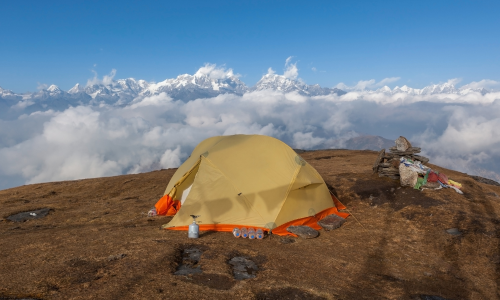
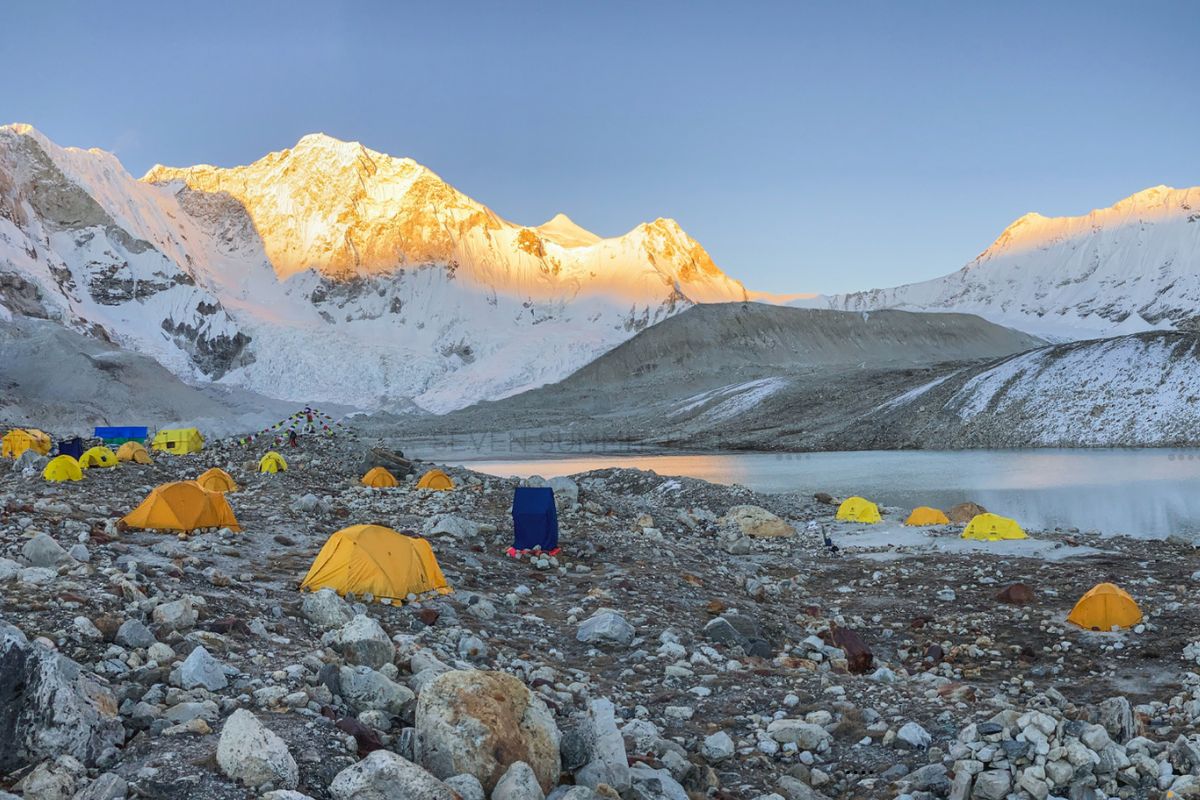
After descending from Mera Peak, the expedition moves deeper into the remote alpine wilderness toward Seto Pokhari and finally reaches Baruntse Base Camp. The base camp is set in a stunning glacial basin surrounded by towering peaks and icy ridges, creating a true expedition atmosphere. Climbers spend several days here during the Baruntse climbing period, establishing higher camps, acclimatizing further, and waiting for a suitable weather window to attempt the summit.
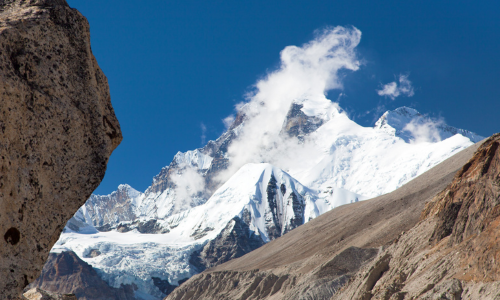
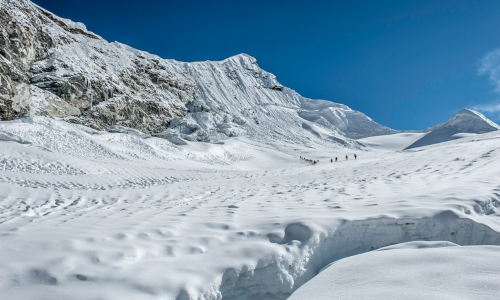
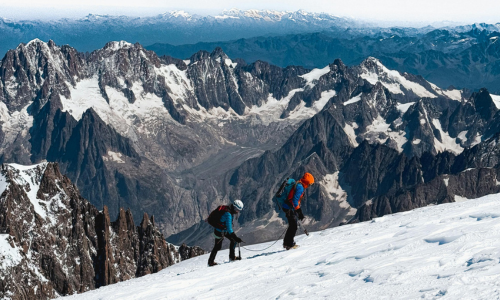
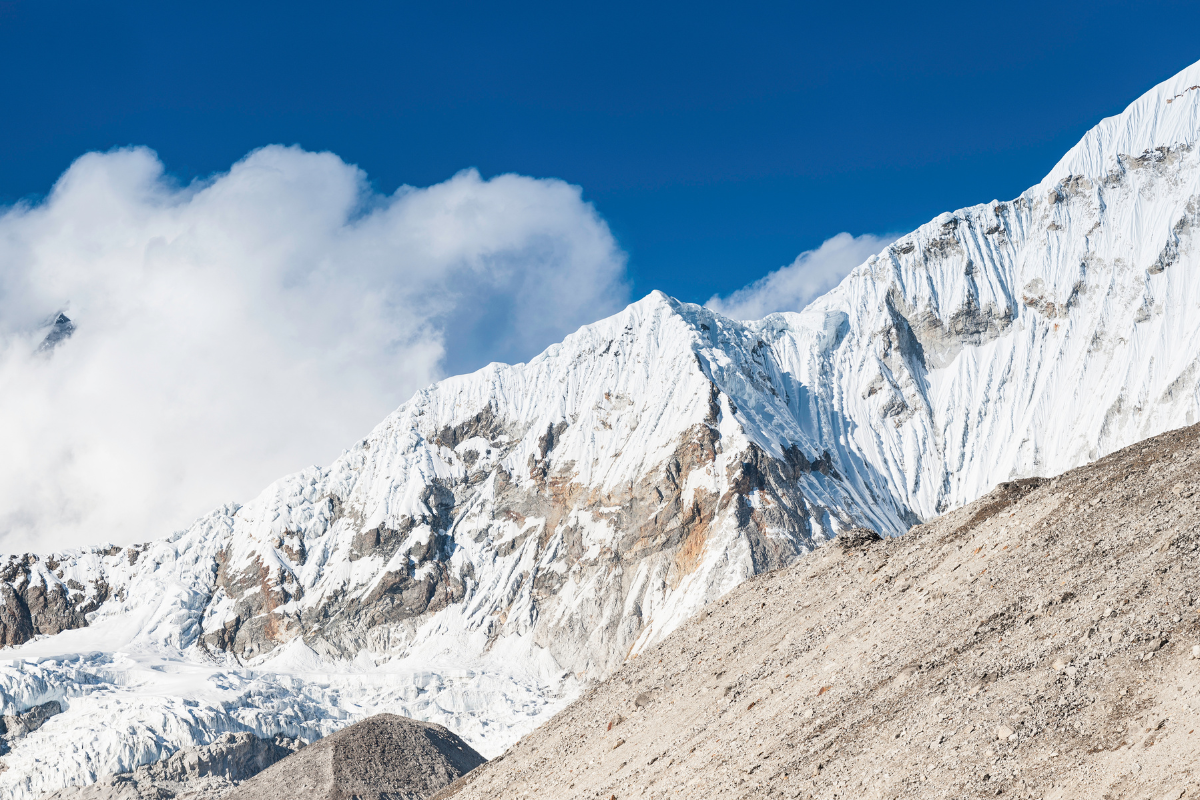
The climb of Baruntse itself involves snow and ice climbing, glacier travel, and fixed rope sections, making it a challenging yet achievable objective for experienced mountaineers. On summit day, climbers are rewarded with breathtaking views across the Khumbu, Makalu, and Barun regions, standing face to face with some of the world’s highest mountains.
After the summit attempt, the expedition continues with another major highlight — the crossing of the Amphu Labtsa Pass (5,780m). This technical high pass is both challenging and scenic, involving steep snow and ice sections before descending into the beautiful Imja Valley. The route then joins the classic Everest region trail, passing through Pangboche, Namche Bazaar, and finally returning to Lukla.
The journey concludes with a flight back to Kathmandu, followed by a free day to relax, celebrate, and reflect on an unforgettable Himalayan achievement. Overall, the Baruntse Expedition – 38 Days is more than just a mountain climb. It is a complete Himalayan experience that combines remote trekking, technical mountaineering, cultural encounters, and world-class scenery. With its well-planned itinerary, excellent acclimatization, and professional support, Baruntse is considered one of the best 7,000-meter peaks in Nepal for climbers seeking a serious challenge and a true expedition adventure.
Key Highlights of Baruntse Expedition (38 Days)
- Summit Baruntse Peak (7,129m), one of Nepal’s most beautiful and technically rewarding 7,000-meter mountains
- Carefully designed 38-day itinerary with excellent acclimatization and high summit success rate
- Climb Mera Peak (6,476m) as part of the expedition for high-altitude training and acclimatization
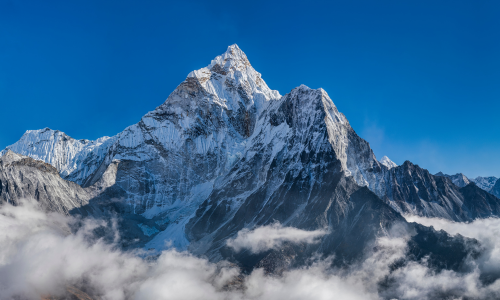
- Breathtaking panoramic views of Mount Everest, Lhotse, Makalu, Ama Dablam, Cho Oyu, and Baruntse Himal
- Trek through the remote and less-crowded Hinku Valley, known for pristine nature and dramatic landscapes
- Experience true expedition climbing with snow, ice, and glacier travel
- Technical crossing of the iconic Amphu Labtsa Pass (5,780m)
- Walk through three major Himalayan regions: Hinku, Makalu-Barun, and Khumbu
- Stay in a combination of tea houses, camping, and full expedition base camps
- Guided by experienced high-altitude Sherpa climbing guides
- Opportunity to practice and use mountaineering equipment such as crampons, ice axe, fixed ropes, and ascenders
- Spectacular sunrise and sunset views from high camps and summits
- Rich cultural experience in traditional Sherpa villages like Pangboche and Namche Bazaar
- Ideal expedition for climbers preparing for future 8,000-meter Himalayan peaks
- A perfect blend of adventure trekking, technical climbing, and wilderness exploration
Difficulty Level - Baruntse Expedition
The Baruntse Expedition is considered a challenging high-altitude mountaineering expedition and is best suited for experienced climbers with prior exposure to peaks above 6,000 meters. The climb involves long trekking days, extreme altitude, cold temperatures, and physically demanding summit pushes. Climbers must be comfortable using technical mountaineering equipment such as crampons, ice axe, fixed ropes, harness, and ascenders, as sections of the route include steep snow and ice slopes, glacier travel, and crevasse crossings.
Weather conditions can change rapidly, and strong winds, snowfall, and sub-zero temperatures are common at higher camps. A high level of physical fitness, mental endurance, and the ability to adapt to remote expedition-style camping are essential. While the itinerary is well designed with proper acclimatization and reserve days, Baruntse remains a serious Himalayan climb that requires commitment, discipline, and previous mountaineering experience.
Best Season for Baruntse Peak Climbing
The best time to climb Baruntse Peak is during the spring and autumn seasons, when weather conditions are most stable and visibility is at its best.
- Spring (April to May) is the most popular season, offering longer daylight hours, favorable snow conditions, and a higher chance of summit success.
- Autumn (September to October) is the second-best season, known for clear skies, crisp mountain views, and relatively stable weather after the monsoon.
During these periods, temperatures are more manageable at high altitude, and the routes are safer for snow and ice climbing. Winter and monsoon seasons are not recommended due to extreme cold, heavy snowfall, strong winds, and poor visibility, which significantly increase climbing risks.
How to Book
To book the Baruntse Expedition – 38 Days, you can contact Alpine Outdoors & Expedition Guide Pvt. Ltd., a government-registered trekking and expedition company based in Nepal. Interested climbers can reach out directly to the company to check availability, request a detailed expedition proposal, and confirm dates.
Once you finalize the trip, you will need to submit a copy of your passport and pay a booking deposit to secure your place. The company will handle all necessary permits, logistics, and pre-departure support, ensuring a smooth and well-organized Himalayan expedition experience.
 Instant Booking