
Everest Base Camp Trek Overview
The Everest Base Camp (EBC) Trek is a legendary Himalayan journey that takes you into the heart of the world’s highest mountains. Standing at a maximum altitude of 5,550 meters, this 14-day trek offers a unique combination of adventure, culture, and stunning landscapes. It is ideal for trekkers looking for an authentic Himalayan experience without technical climbing.
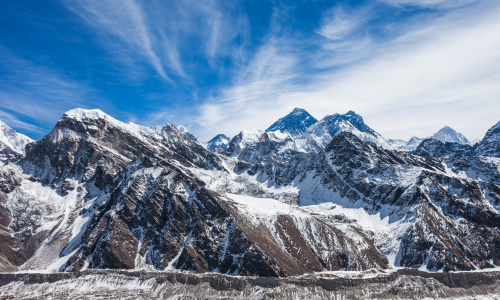
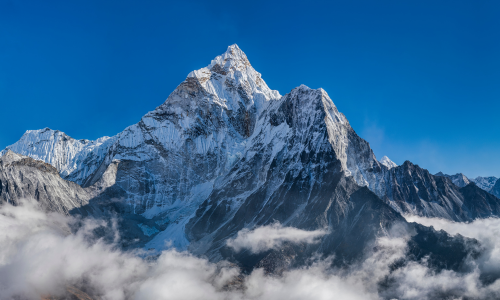
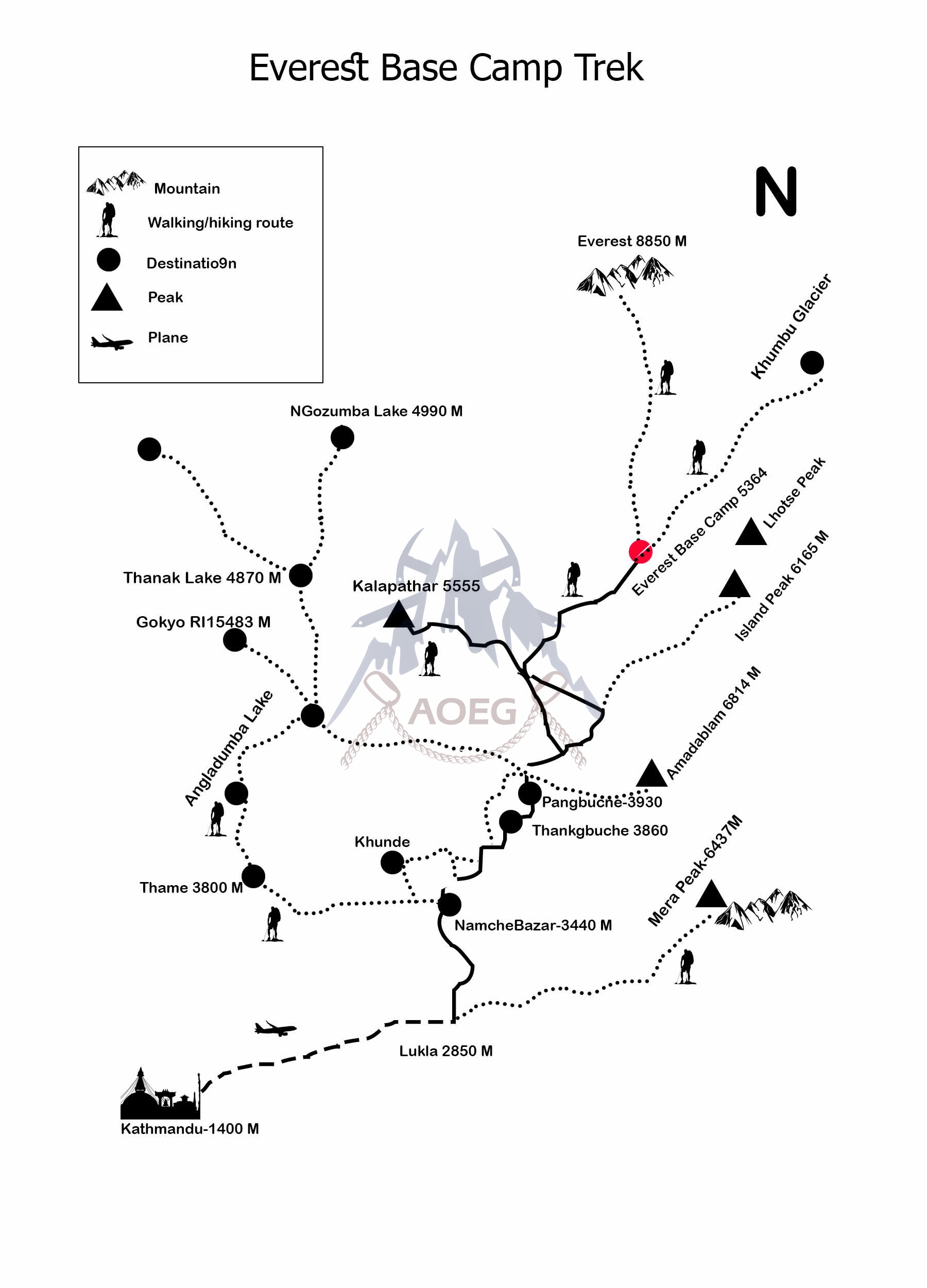
The trek begins in Kathmandu, the vibrant capital of Nepal, filled with temples, bustling markets, and rich history. From there, you journey into the Khumbu region, home to the Sherpa people and some of the most iconic peaks on Earth, including Mount Everest, Lhotse, Nuptse, and Ama Dablam. The trek is carefully planned to allow gradual acclimatization, ensuring that trekkers enjoy the journey safely while marveling at the breathtaking landscapes.
Along the way, trekkers will pass through charming Sherpa villages, ancient monasteries, suspension bridges, and rhododendron forests. Staying in cozy teahouses along the route allows you to experience local hospitality and enjoy hearty Nepali meals. The ultimate reward is reaching Everest Base Camp, standing at the foot of the world’s tallest mountain, an experience that inspires awe and a sense of accomplishment.
This trek is suitable for those with moderate fitness levels and a spirit of adventure. Whether it is your first Himalayan trek or you are a seasoned trekker, the Everest Base Camp Trek promises unforgettable views, cultural insights, and a once-in-a-lifetime adventure.
Everest Base Camp Trek Highlights
The Everest Base Camp Trek is one of the world’s most iconic trekking experiences, offering not only a journey through the Himalayas but also an immersion into the culture, landscapes, and lifestyle of the Khumbu region. Every step of the trek brings you closer to the highest peaks on Earth while providing unforgettable encounters with nature and local traditions. Here are the key highlights that make this trek truly special:
1. Reach Everest Base Camp – 5,364m
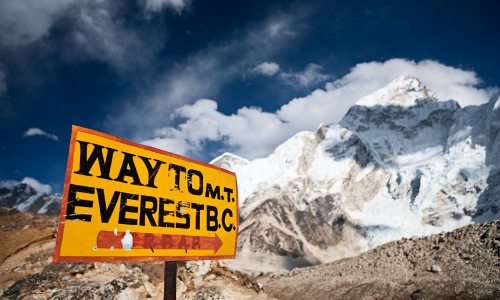
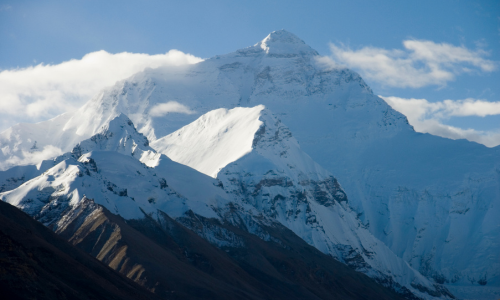
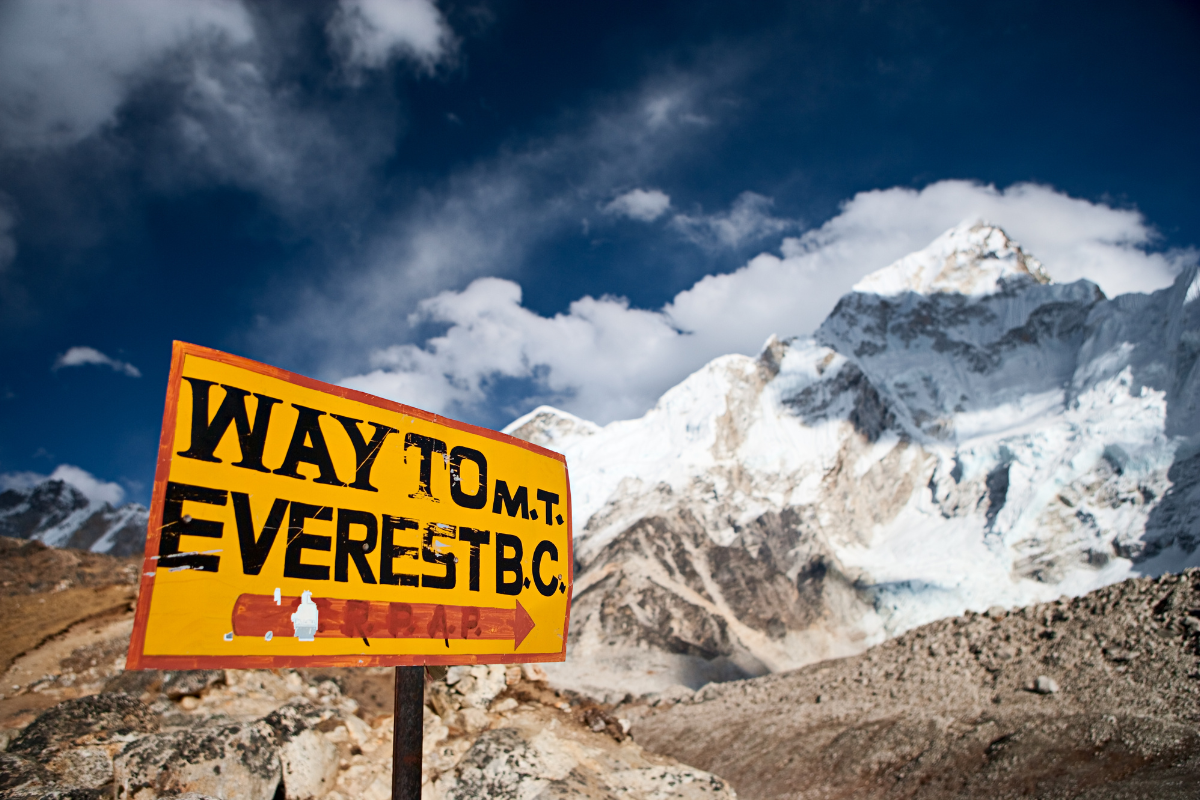
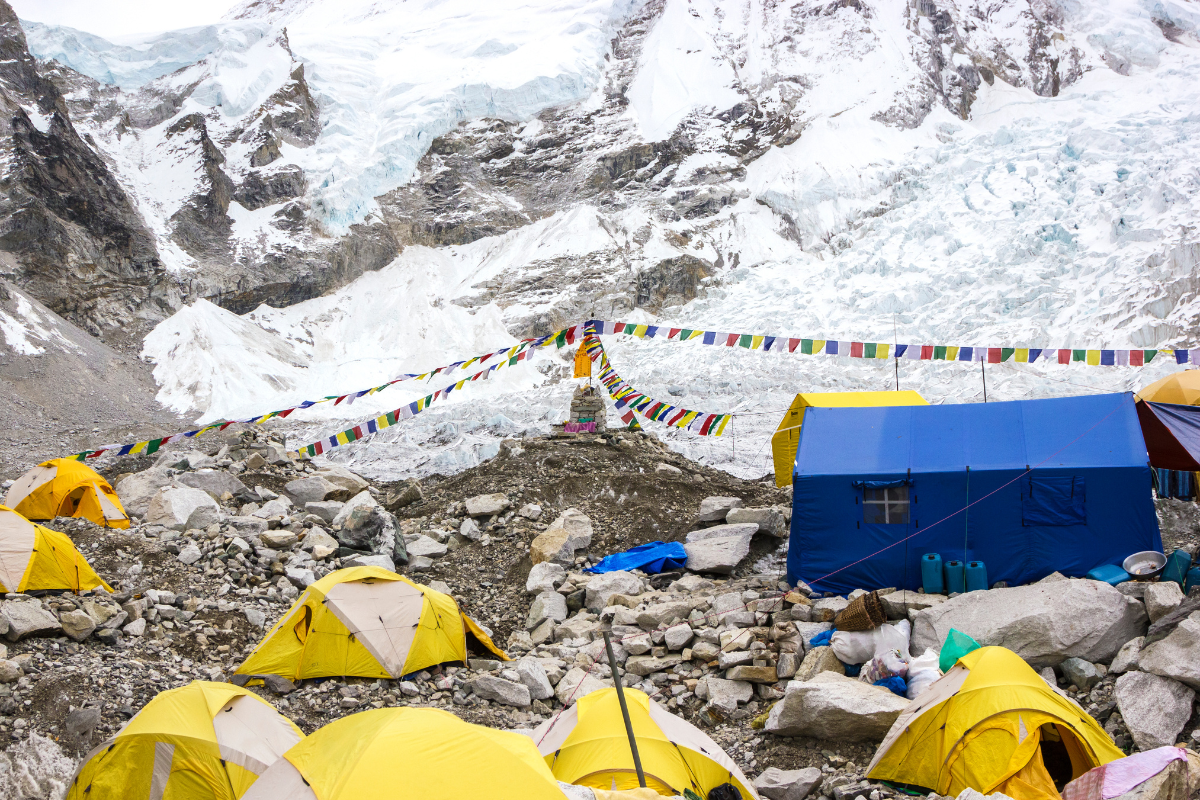
Standing at Everest Base Camp, you are at the foot of the world’s tallest mountain. This moment is the ultimate reward for weeks of trekking, offering panoramic views of Mount Everest, Lhotse, and Nuptse. The sense of accomplishment and awe is unparalleled, making it the highlight of the trek.
2. Spectacular Himalayan Views
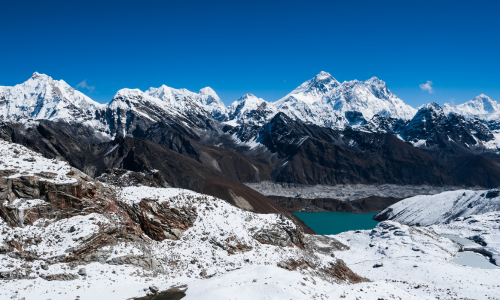
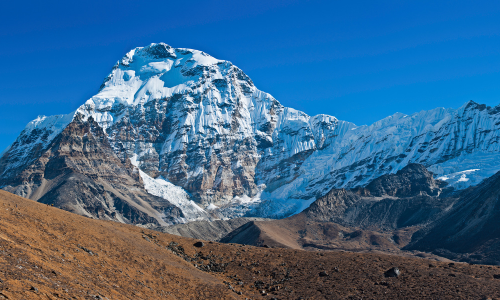
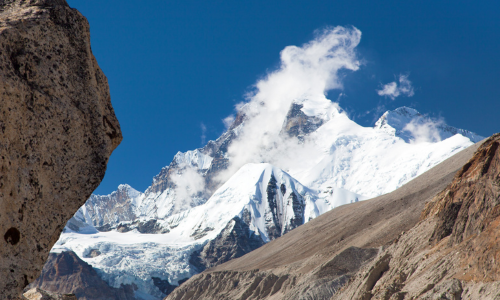
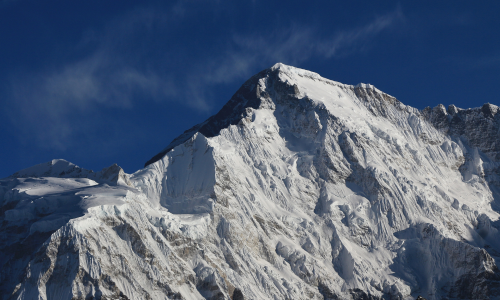
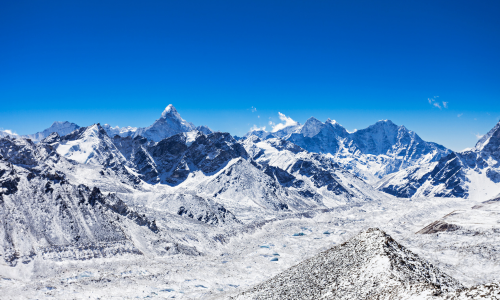
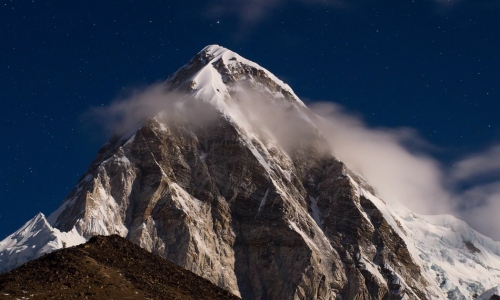
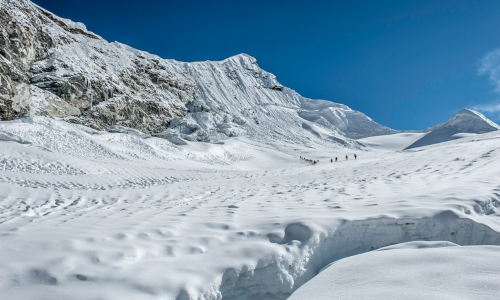
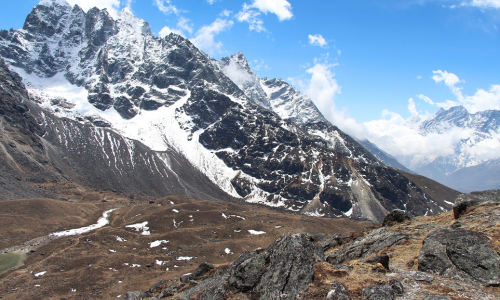
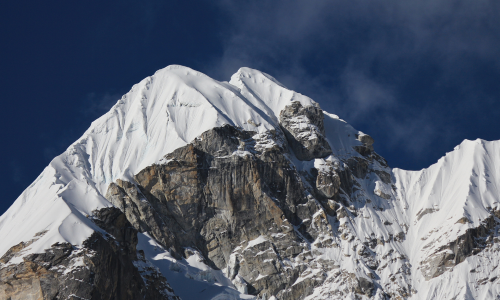
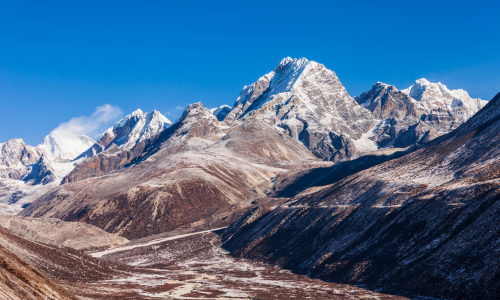
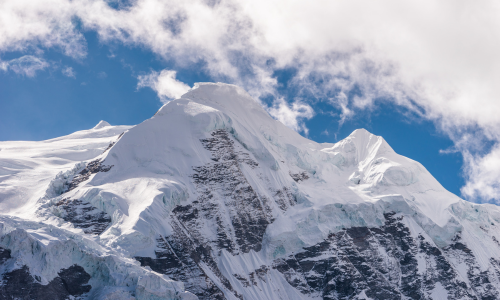
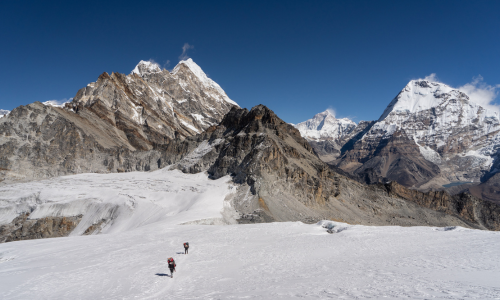
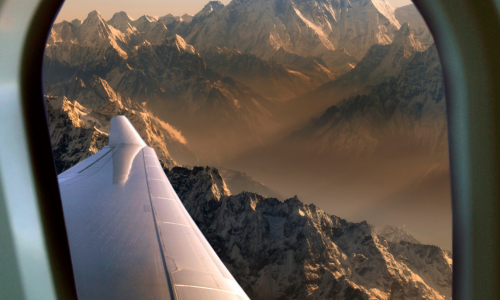
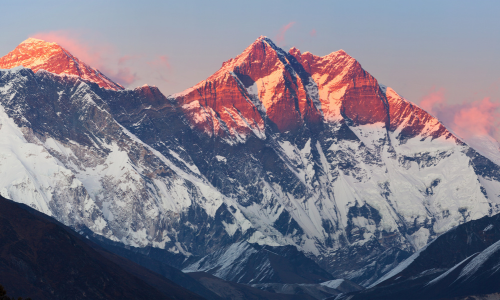
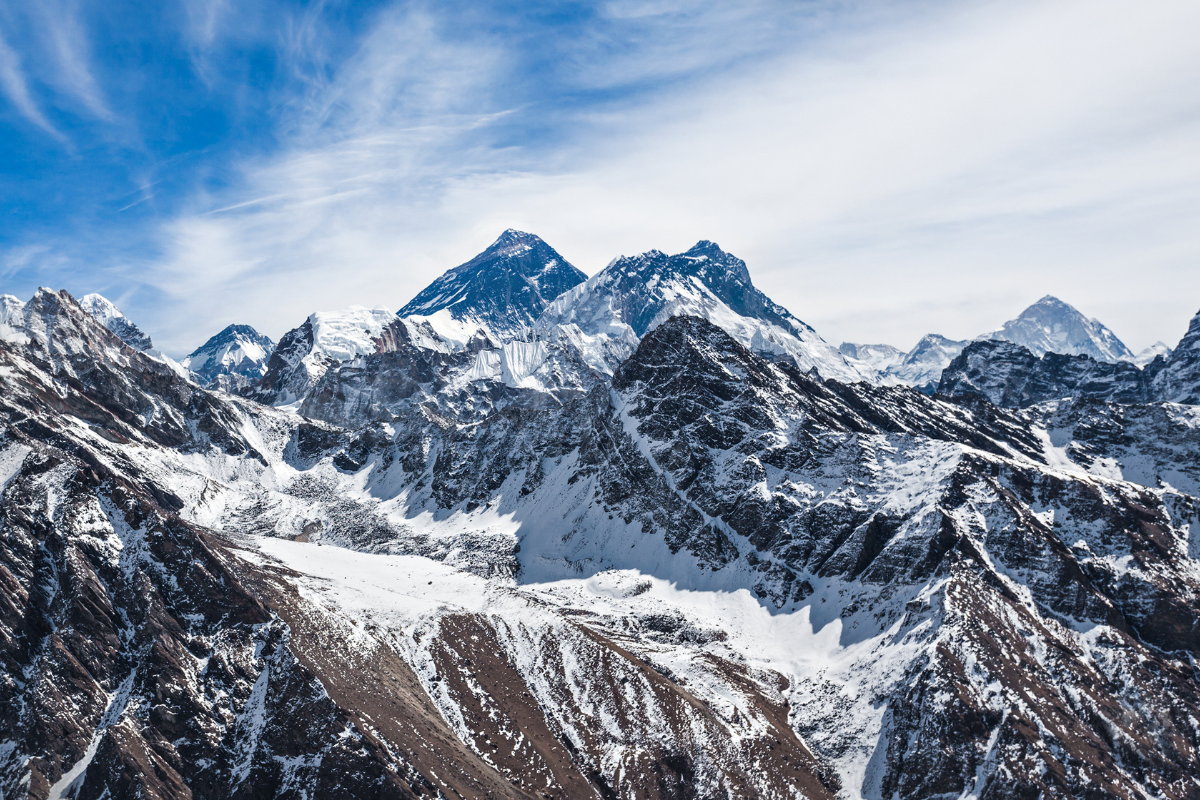
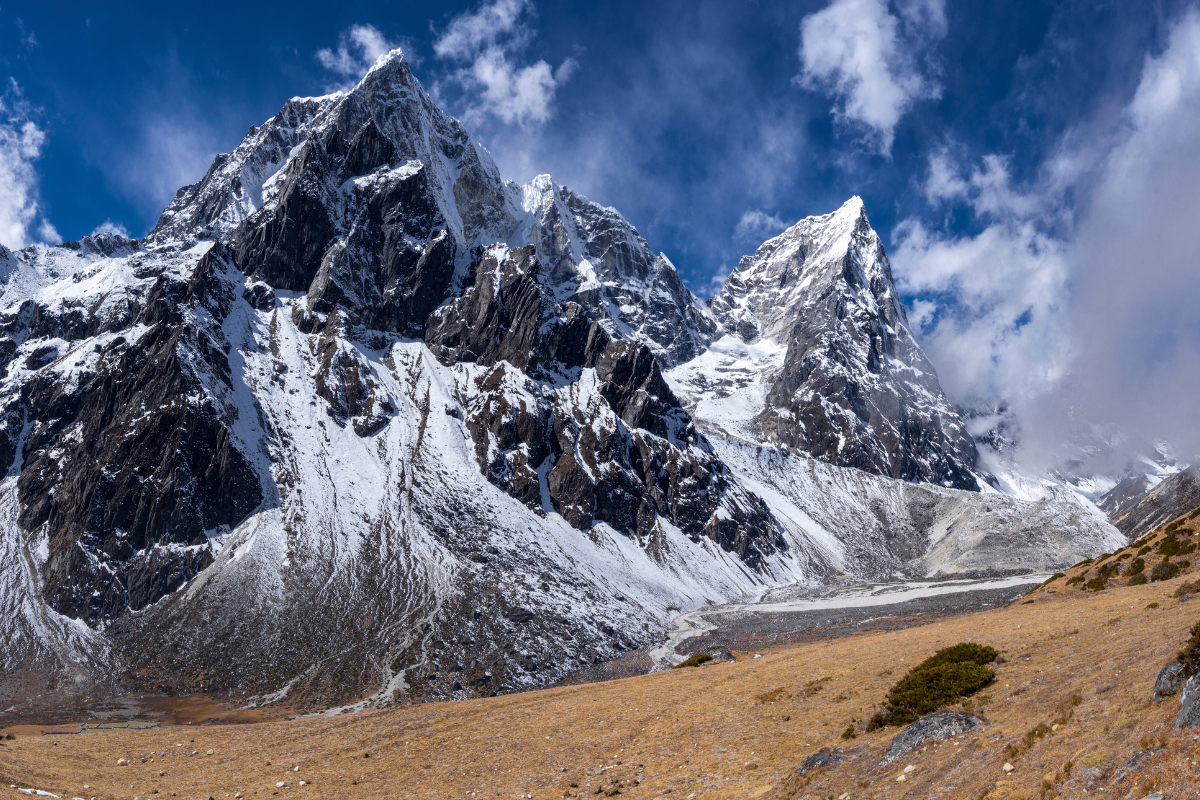
The trek offers breathtaking vistas of the Khumbu peaks, including Ama Dablam, Thamserku, and Pumori. Sunrise and sunset over these mountains create unforgettable photographic opportunities. From icy glaciers to rugged ridges, the scenery is constantly changing, keeping every day of the trek exciting.
3. Sherpa Villages and Culture
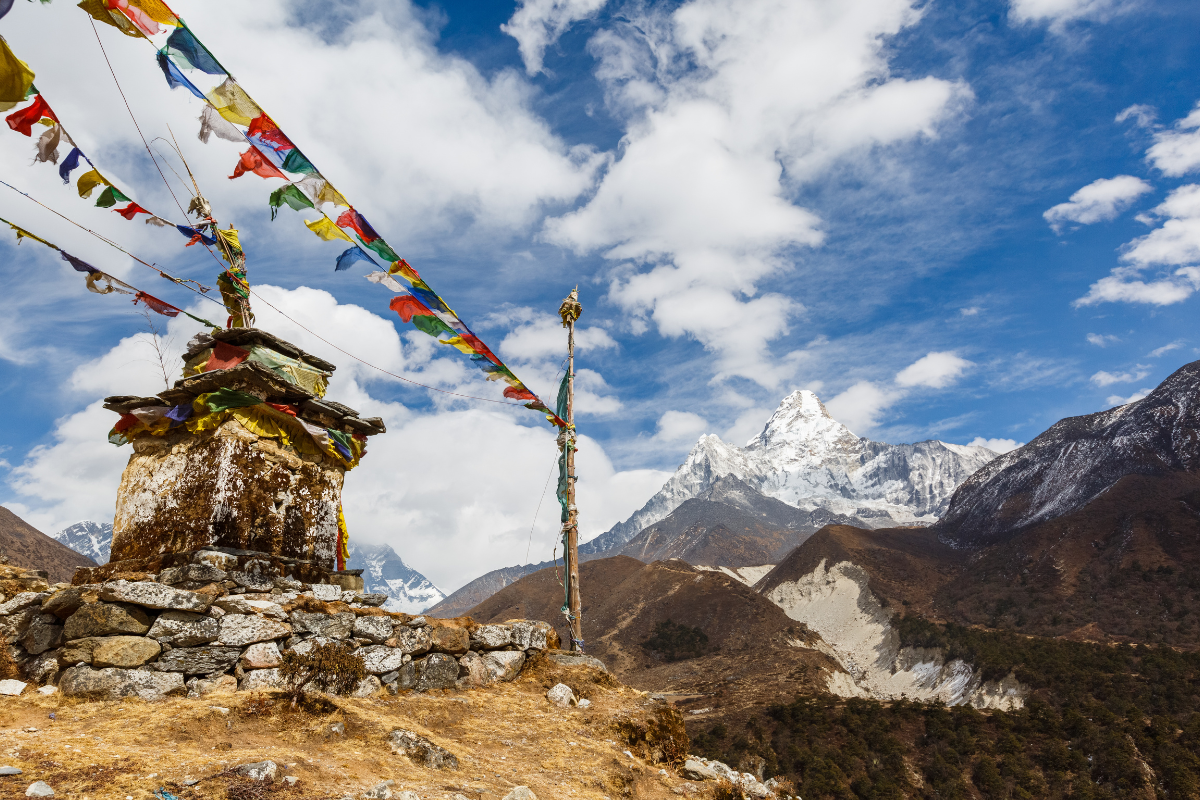
Experience the warm hospitality of the Sherpa people in villages like Namche Bazaar, Tengboche, and Pangboche. Visit ancient monasteries, prayer wheels, and colorful Buddhist stupas. Learn about the local lifestyle, traditional architecture, and mountaineering history, enriching your journey beyond trekking.
4. Challenging High-Altitude Adventure
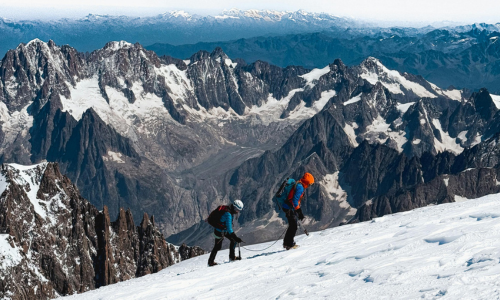
The trek includes high passes and long trekking days, such as the ascent to Thorong La Pass on the Himlung expedition. Traversing high-altitude trails tests endurance, builds resilience, and provides a thrilling adventure for trekkers seeking a challenge.
5. Teahouse Trekking Experience
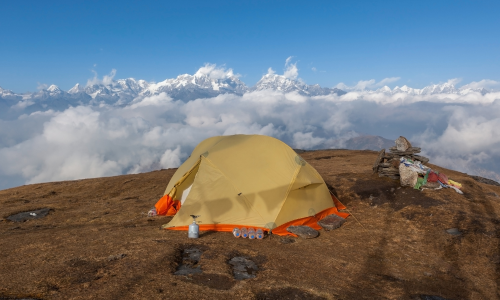
Staying in teahouses along the route gives a unique perspective on local life. Enjoy authentic Nepali cuisine like dal bhat and momos, interact with fellow trekkers, and rest comfortably before heading to higher altitudes. These stops make the trek accessible while maintaining an immersive experience.
6. Wildlife and Nature
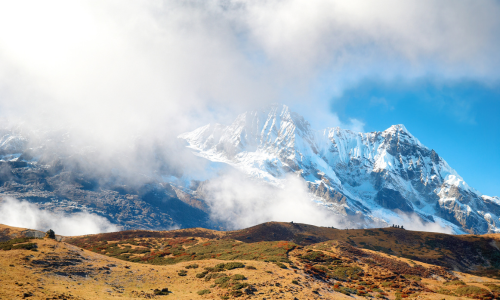
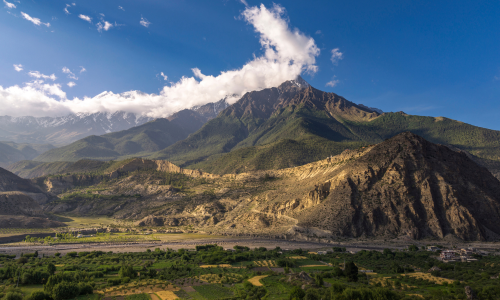
Trek through rhododendron forests, alpine meadows, and glacier-fed rivers. You may spot wildlife such as Himalayan tahr, musk deer, and colorful birds. The changing landscapes from lush valleys to rugged highlands provide a diverse and mesmerizing trekking environment.
7. Photographic Opportunities
Every stage of the trek is a visual treat. From suspension bridges over roaring rivers to glacial moraines and panoramic peaks, the Everest region is a photographer’s paradise. Sunrise and sunset at Kala Patthar or near Everest Base Camp offer iconic Himalayan shots.
8. Connection with Mountaineering History
Walk the same trails once used by legendary climbers and Sherpa pioneers. Learn about historic expeditions, base camp life, and the challenges faced by those who first conquered Everest. This historical connection adds depth and meaning to the trek.
Everest Base Camp Trek Permits
Trekking to Everest Base Camp requires a few essential permits to ensure legal access, safety, and conservation of the region. The primary permits are the Sagarmatha National Park Permit and the TIMS (Trekkers’ Information Management System) Card. The Sagarmatha National Park Permit is issued by the government to protect the natural and cultural heritage of the park, and it is mandatory for all trekkers entering the area. The TIMS card tracks trekkers’ movements and helps maintain safety and monitoring in high-altitude regions.
These permits can be obtained in Kathmandu or at the trailhead in Lukla, and most trekking agencies handle the process for their clients to ensure a smooth start to the expedition. Carrying these permits at all times during the trek is mandatory, and rangers may check them at various checkpoints along the route.
Best Season to Trek Everest Base Camp
The Everest Base Camp Trek can be done almost year-round, but the best time to trek is during spring (March to May) and autumn (September to November). These seasons offer clear skies, moderate temperatures, and stunning mountain views, making your trek safer, more enjoyable, and highly rewarding.
Spring (March to May): This season brings blooming rhododendrons and alpine flowers, creating vibrant landscapes along the trail. The weather is moderate, and the skies are generally clear, offering breathtaking views of Everest, Lhotse, and Ama Dablam.
Autumn (September to November): Considered the most popular trekking season, autumn provides stable weather and crisp air, perfect for photography and high-altitude trekking. Visibility is excellent, and the trails are less crowded than spring, offering a peaceful trekking experience.
Avoid monsoon (June–August) due to heavy rainfall, slippery trails, and cloud-covered peaks. Winter trekking (December–February) is possible but extremely cold with potential snow, making some routes more challenging.
Everest Base Camp Trek Difficulty Level
The Everest Base Camp Trek is considered moderate to challenging, suitable for trekkers with good physical fitness and stamina. While no technical climbing is required, the trek involves long walking days, steep ascents, and high-altitude trails that demand endurance and preparation. The maximum altitude reached is 5,550 meters, which can cause mild to moderate altitude sickness if proper acclimatization is not followed.
Trekkers should be comfortable walking 4–8 hours daily, carrying a small daypack, and navigating rocky or uneven trails. Acclimatization days, such as those in Manang, are included to help your body adjust gradually to higher altitudes. This trek is achievable for beginners with good fitness, but prior trekking experience and regular cardio training significantly enhance safety and enjoyment.
With determination, proper preparation, and guidance from professional trekking staff, reaching Everest Base Camp is an immensely rewarding achievement.
How to Book the Everest Base Camp Trek
Booking your Everest Base Camp Trek is simple, seamless, and designed to give you peace of mind before your adventure begins. Start by contacting our tour team via email, phone, or website to check availability and discuss your preferred dates. Once you confirm your schedule, pay a deposit to secure your spot.
Next, provide your passport details, emergency contacts, and trekking experience, so our team can customize your pre-departure guide, gear checklist, and itinerary. Complete the remaining payment before departure to receive your official confirmation.
We recommend booking at least 3–4 months in advance, especially during peak seasons (spring and autumn), as slots are limited to ensure safety, quality service, and personalized attention.
Take the first step towards your Himalayan adventure today! Secure your place on this once-in-a-lifetime trek and prepare to experience the magic of Everest like never before.
 Instant Booking