
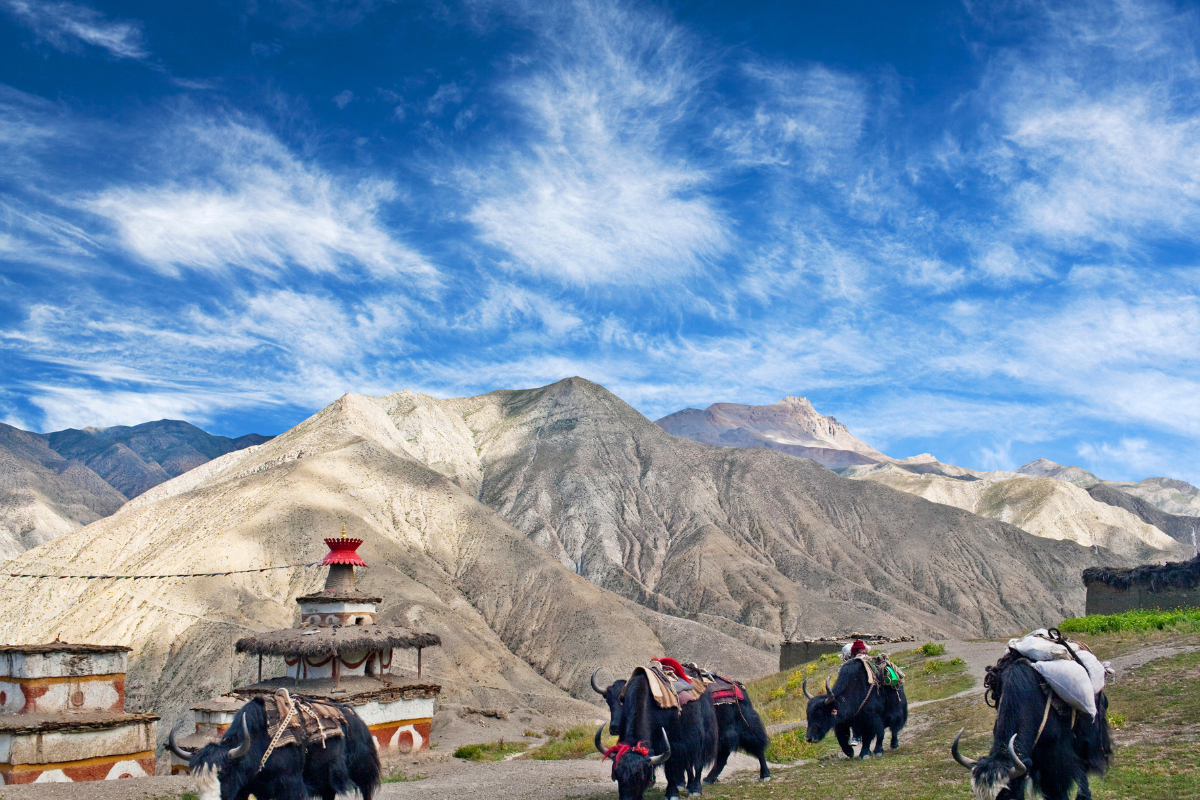
Upper Dolpo Trek Overview – A Complete Guide
The Upper Dolpo Trek is one of the most remote, least explored, and culturally preserved trekking routes in Nepal. Located in the far north-western Himalayas near the Tibetan Plateau, Upper Dolpo feels like a different world—isolated, silent, and deeply spiritual. This region remained closed to foreigners until the late 1980s, and even today it receives very few visitors due to its restricted status, high altitude, and long trekking duration.
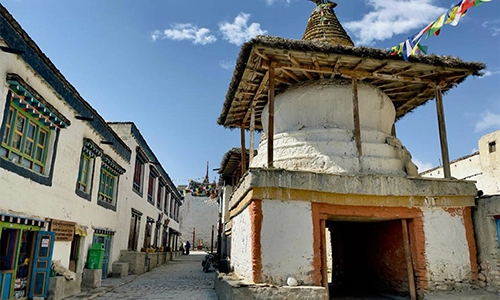
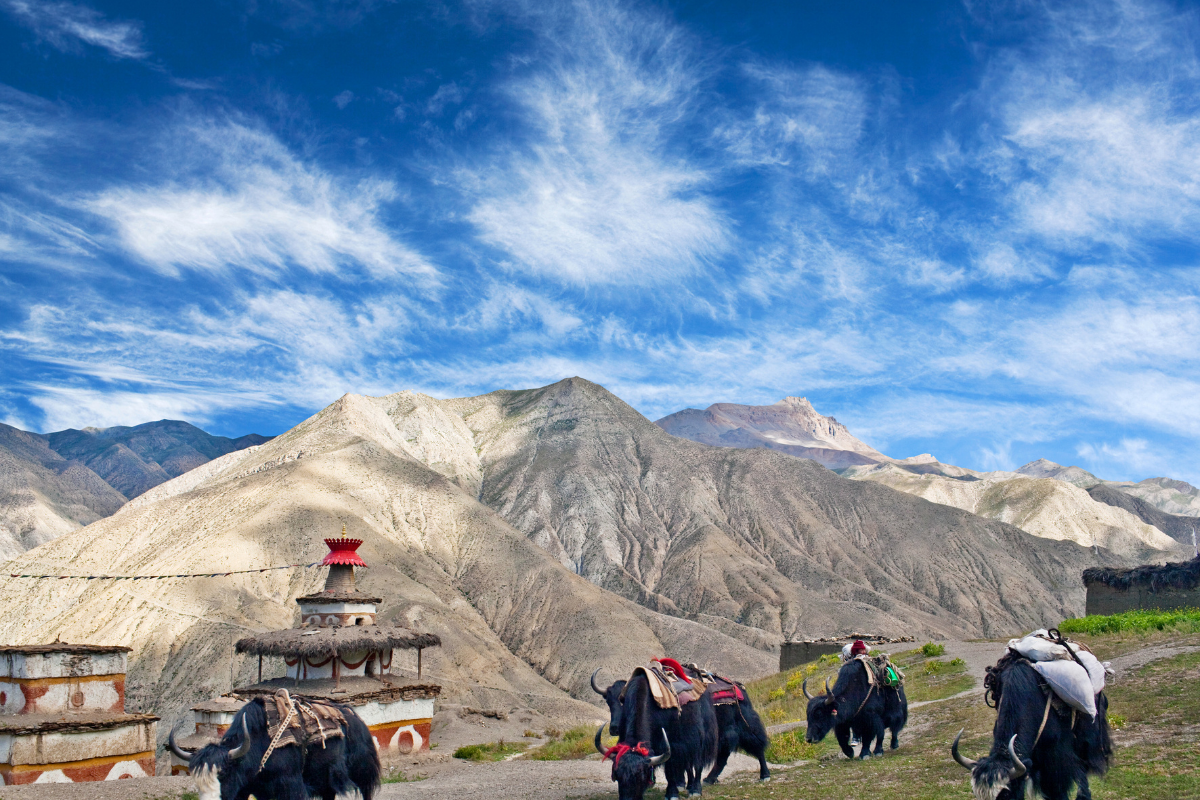
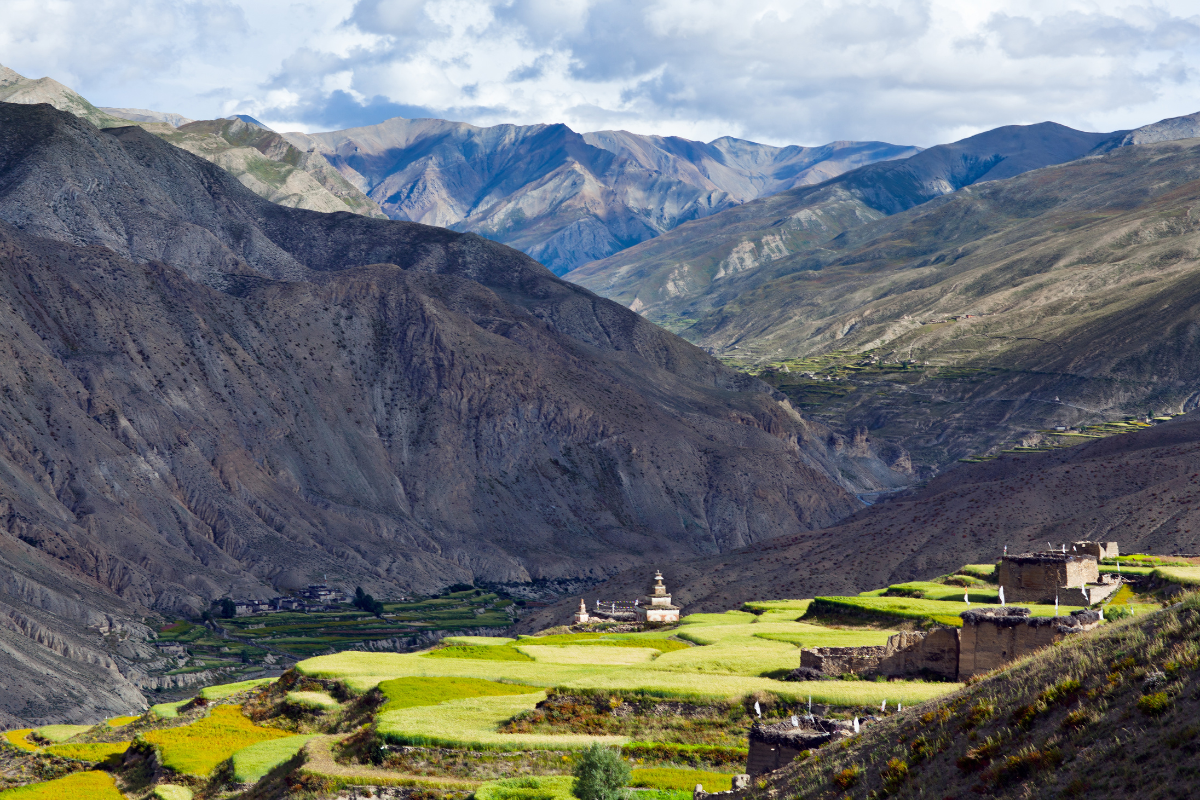
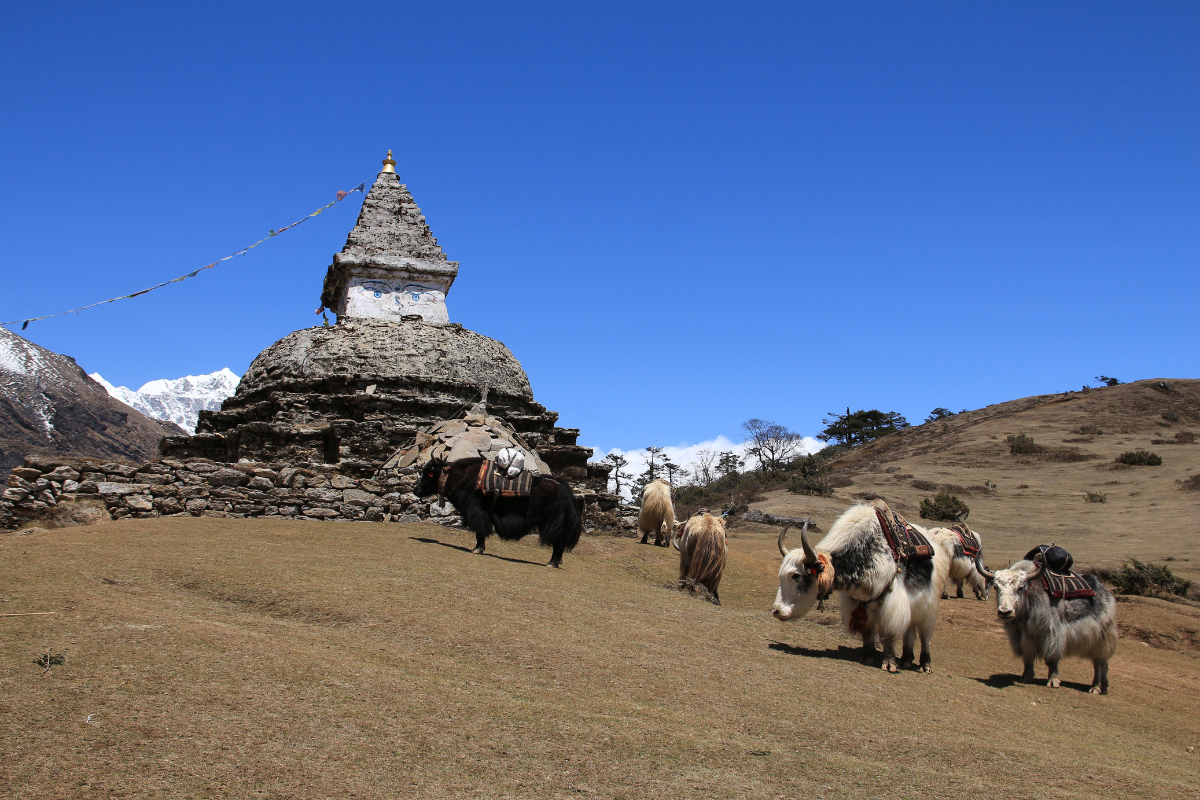
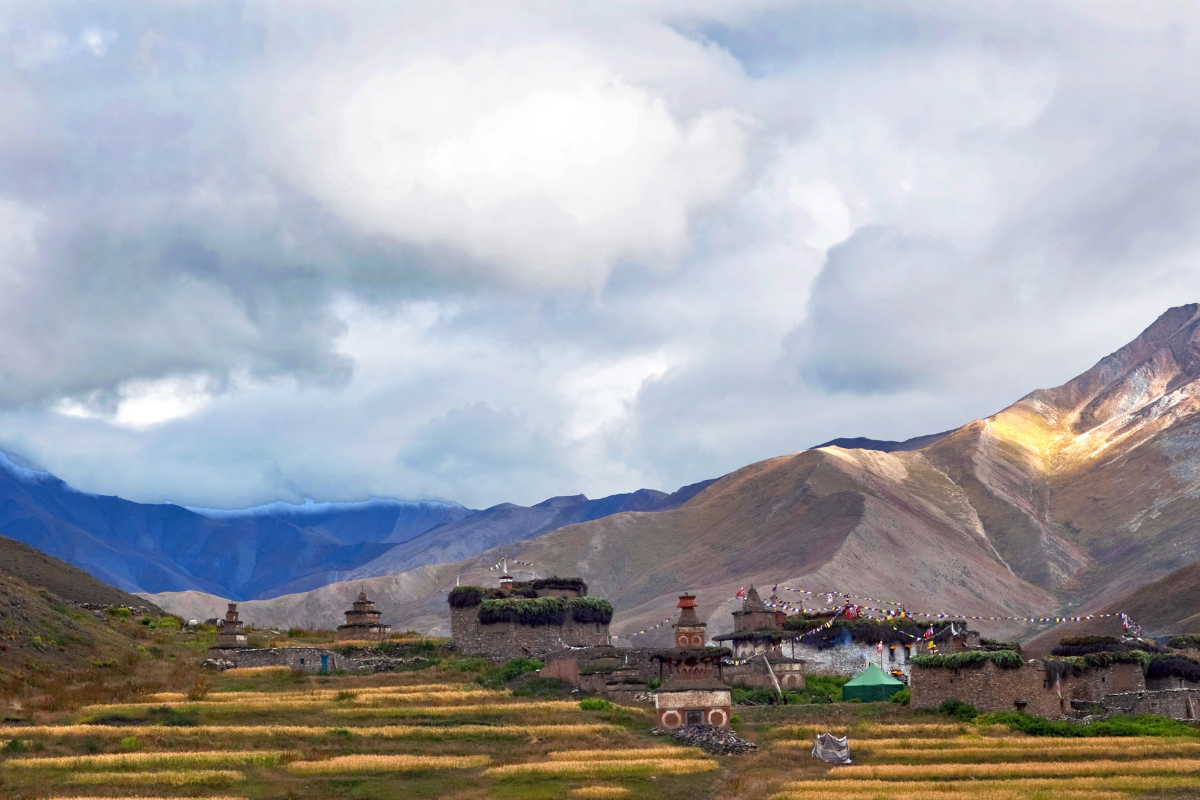
What makes the Upper Dolpo Trek truly special is not only the dramatic Himalayan scenery but also the strong presence of ancient Tibetan Buddhist and Bon traditions that continue to shape daily life. Villages such as Saldang, Dho Tarap, Tokyu Gaon, and Namduna Gaun appear frozen in time, where stone houses, prayer flags, mani walls, and centuries-old monasteries define the landscape. Modern roads, internet, and urban influence are almost non-existent here, allowing trekkers to experience Nepal in its purest form.
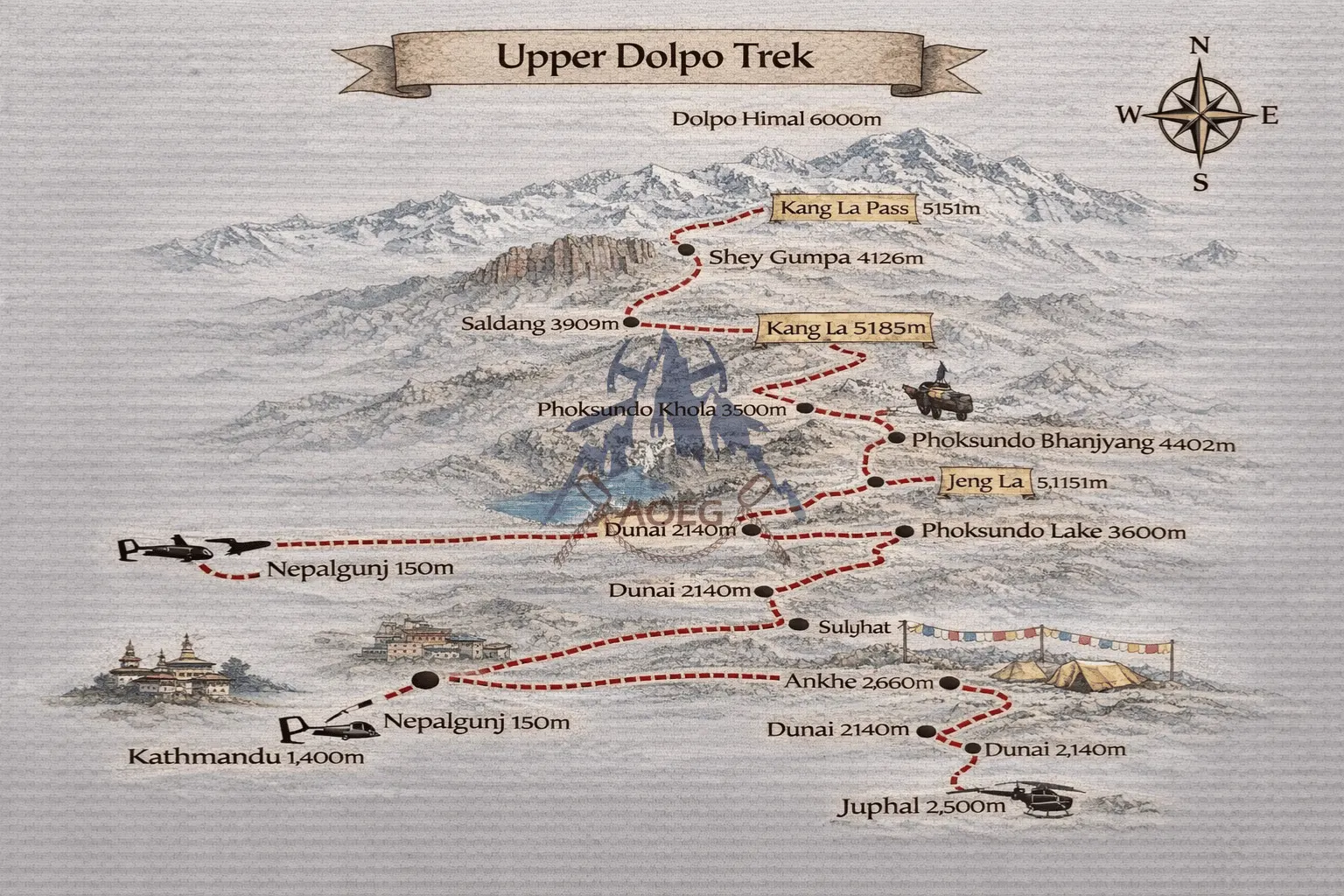
The journey begins with scenic flights from Kathmandu to Nepalgunj and onward to Juphal, followed by weeks of trekking through Shey Phoksundo National Park, Nepal’s largest national park. One of the most iconic highlights is the breathtaking Phoksundo Lake, a crystal-clear turquoise lake surrounded by rugged cliffs and snow-capped peaks. The lake is not only visually stunning but also spiritually significant to the local Bon community.
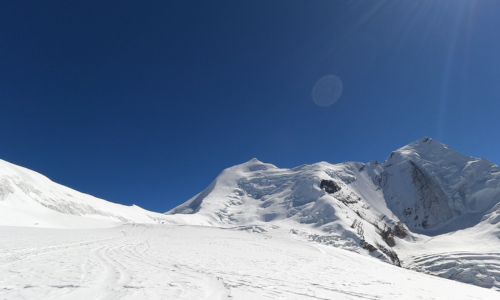
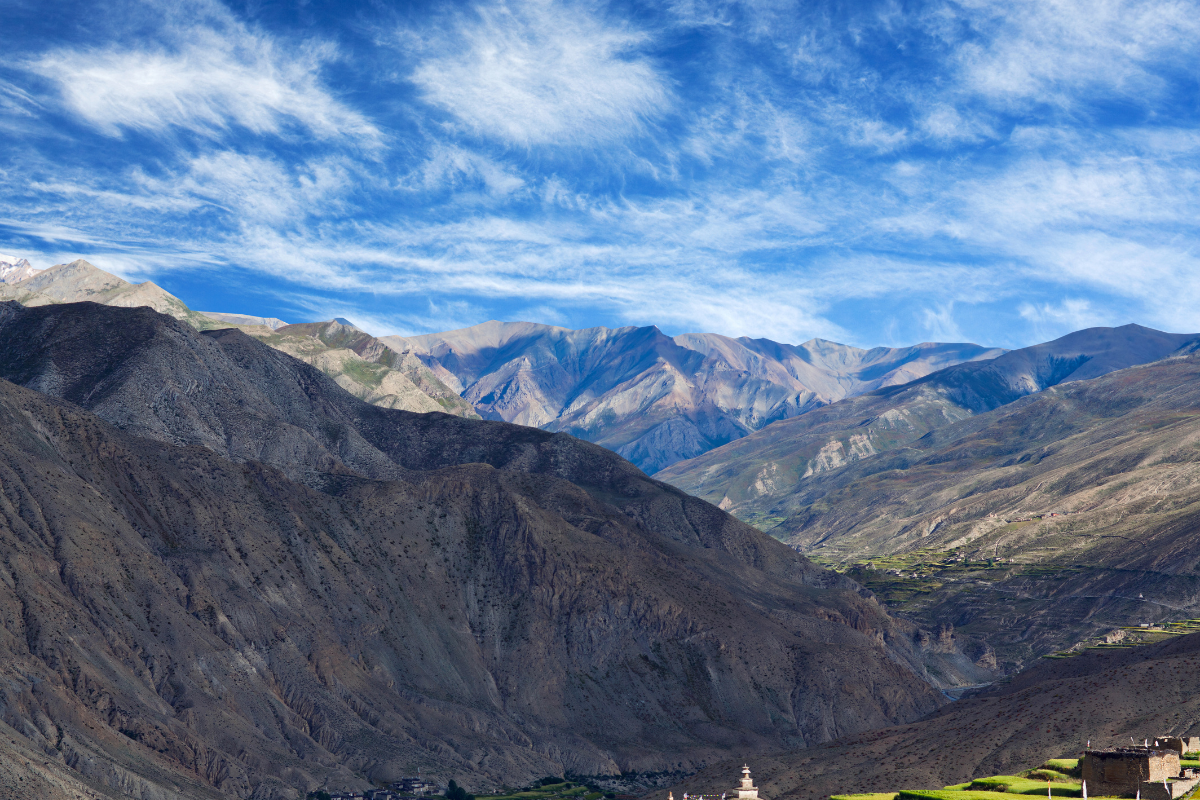
As the trek progresses deeper into Upper Dolpo, the landscape changes dramatically—from green river valleys and pine forests to dry, barren high-altitude terrain resembling the Tibetan Plateau. Trekkers cross several challenging mountain passes such as Kang La Pass (5,151m), Saldang La (4,785m), and Jeng La Pass, offering panoramic views of vast Himalayan ranges and endless wilderness.
Another major spiritual highlight of the Upper Dolpo Trek is the visit to Shey Gompa, a sacred monastery believed to be over 800 years old. Located beneath the towering Crystal Mountain, Shey Gompa is one of the most important pilgrimage sites in Dolpo. The trek also includes visits to remote monasteries like Yangze Gompa, where ancient Bon rituals are still practiced today.
Unlike teahouse treks such as Everest or Annapurna, the Upper Dolpo Trek is primarily a camping trek, due to the extreme remoteness and lack of infrastructure. This adds to the adventure, allowing trekkers to sleep under star-filled Himalayan skies and fully disconnect from modern life. Meals are freshly prepared by the trekking crew, and nights are spent in quiet, untouched nature.
The Upper Dolpo Trek is physically demanding and mentally rewarding. Long trekking days, high altitudes, unpredictable weather, and limited communication require good fitness and strong determination. However, the carefully planned itinerary includes multiple rest and acclimatization days at key locations like Phoksundo Lake, Shey Gumpa, and Dho Tarap, ensuring a safer and more enjoyable experience.
This trek is ideal for experienced trekkers, adventure seekers, photographers, cultural explorers, and those who wish to escape crowded trails. It is not about rushing to a destination but about immersing yourself in one of the last truly wild regions of the Himalayas.
In summary, the Upper Dolpo Trek offers an unmatched combination of natural beauty, spiritual depth, cultural authenticity, and raw adventure. For those willing to venture far beyond the usual trekking routes, Upper Dolpo delivers a once-in-a-lifetime journey into Nepal’s hidden Himalayan heart.
Upper Dolpo Trek Highlights – What Makes This Trek Unique
- Explore the remote and restricted region of Upper Dolpo
- Walk through traditional Tibetan-influenced villages like Dho Tarap and Saldang
- Visit ancient monasteries including Shey Gompa and Yangze Gompa
- Cross high Himalayan passes such as Kang La (5,151m) and Saldang La (4,785m)
- Experience the magical beauty of Phoksundo Lake
- Trek inside Shey Phoksundo National Park, Nepal’s largest national park
- Enjoy true wilderness trekking with minimal tourist traffic
- Discover Bon and Tibetan Buddhist culture preserved for centuries
Upper Dolpo Trek Permit Required – Restricted Area Regulations
The Upper Dolpo Trek lies in a restricted region of Nepal, and trekkers must obtain special permits before starting the journey. These permits are strictly regulated and can only be arranged through a registered trekking agency.
Permits required:
- Upper Dolpo Restricted Area Permit
- Shey Phoksundo National Park Entry Permit
- Trekking Information Management System (TIMS) Card
- A minimum of two trekkers and a licensed guide are mandatory for this trek.
Best Season for Upper Dolpo Trek – Ideal Time to Visit
The best season for the Upper Dolpo Trek is during spring (April to June) and autumn (September to October).
- Spring:
Clear skies, blooming alpine flowers, and stable weather - Autumn:
Crisp air, excellent mountain views, and dry trails
Upper Dolpo lies in a rain-shadow area, making it one of the few trekking regions suitable even during the monsoon months, though flights can be less reliable.
Upper Dolpo Trek Difficulty – Who Is This Trek For?
The Upper Dolpo Trek is considered challenging to strenuous. It involves long trekking days, high-altitude passes above 5,000 meters, limited facilities, and camping in remote areas.
This trek is suitable for:
- Experienced trekkers
- Adventurers seeking remote and off-the-beaten-path routes
- Travelers with good physical fitness and prior high-altitude experience
- Proper acclimatization, preparation, and mental readiness are essential for success.
Final Thoughts on Upper Dolpo Trek – A Once-in-a-Lifetime Experience
The Upper Dolpo Trek is not just a trek—it is a journey back in time. From sacred monasteries and untouched villages to dramatic Himalayan landscapes, this adventure offers something truly rare in today’s world: authenticity.
If you are looking for a trekking experience that goes beyond mountains and into culture, spirituality, and pure wilderness, the Upper Dolpo Trek stands as one of Nepal’s most rewarding and unforgettable journeys.
 Instant Booking