
Annapurna Circuit Trek Overview
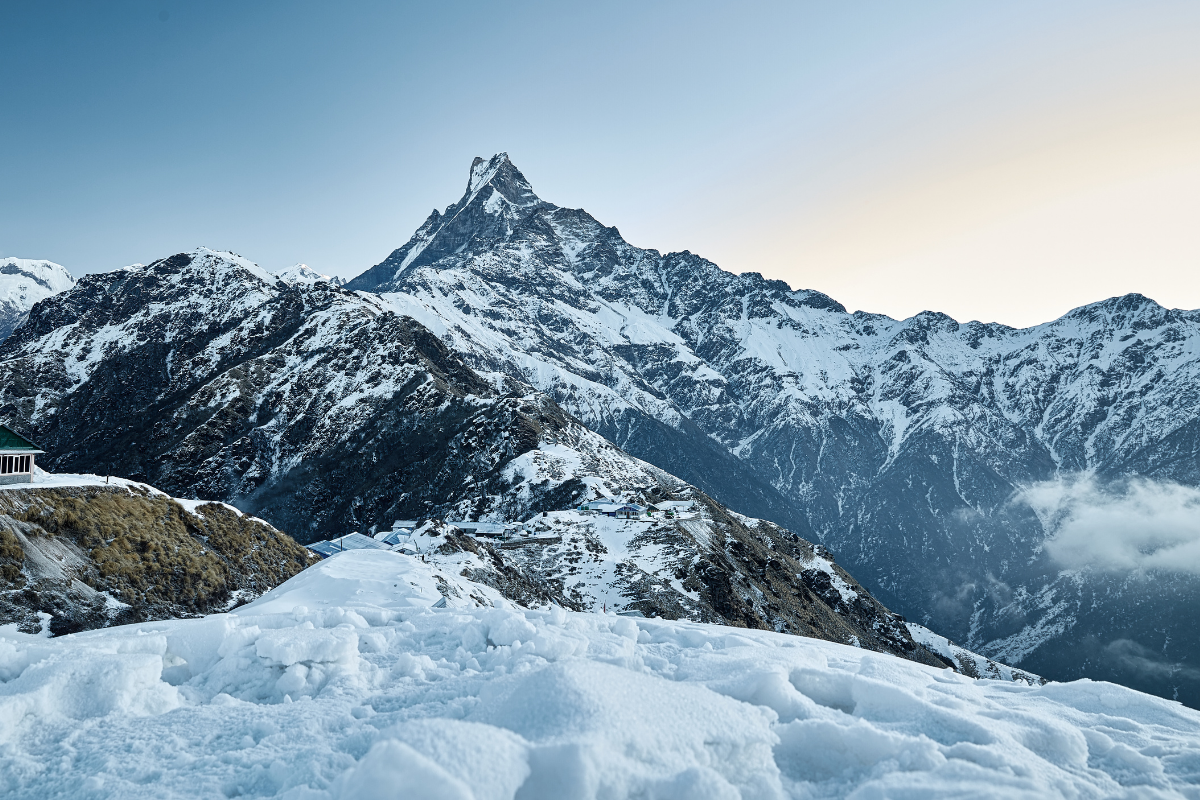
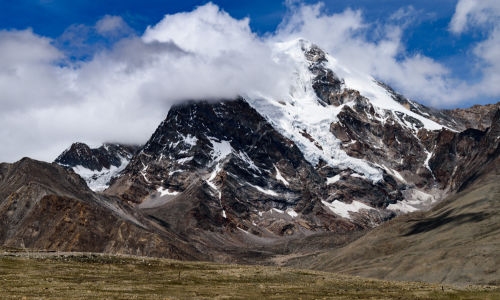
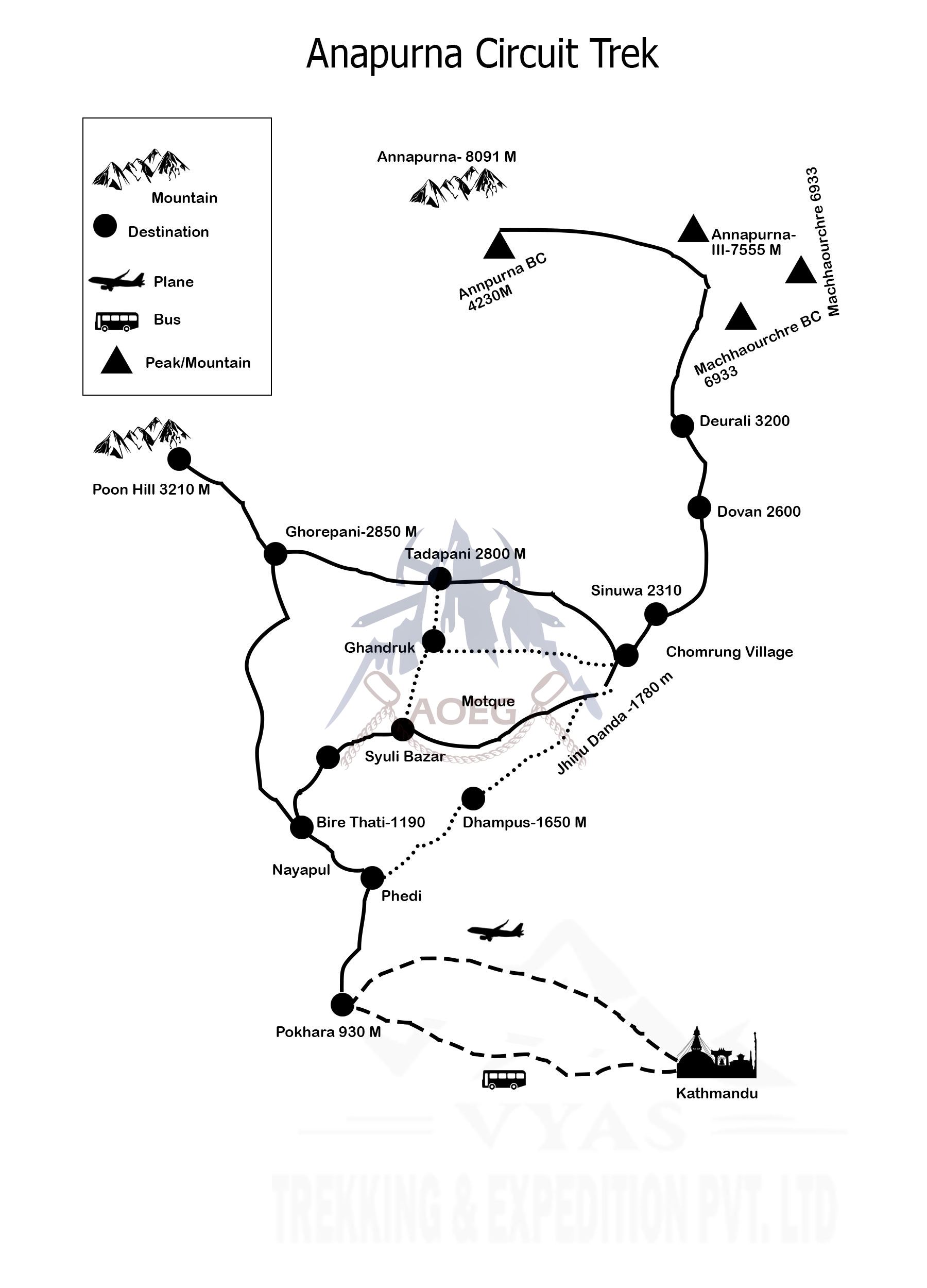
The Annapurna Circuit Trek is one of Nepal’s most iconic high-altitude trekking experiences, offering an unparalleled combination of adventure, culture, and Himalayan scenery. This 15-day trek takes you through the diverse landscapes of the Annapurna region, starting from subtropical valleys and gradually ascending to the arid highlands near Thorong La Pass (5,416m), one of the world’s highest trekking passes. Along the way, trekkers are treated to panoramic views of Annapurna I, Dhaulagiri, Machapuchare, and Manaslu, creating unforgettable photo opportunities at every turn.
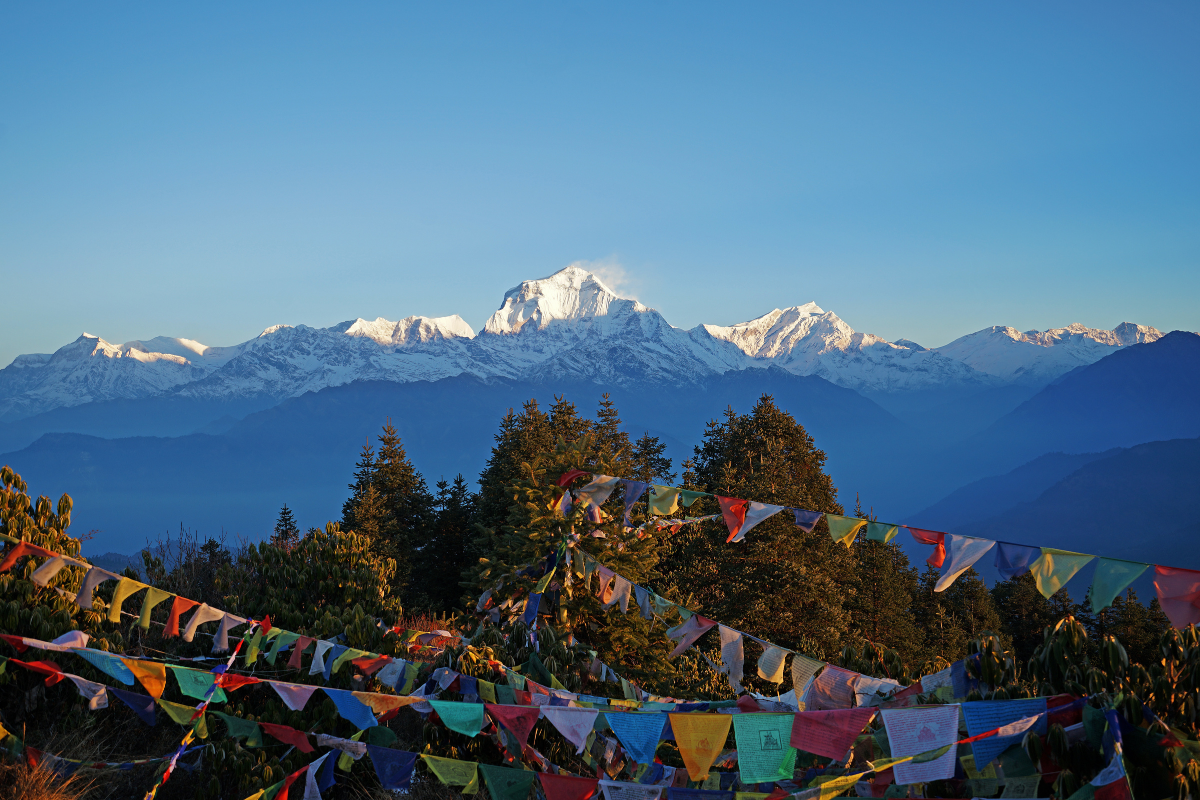
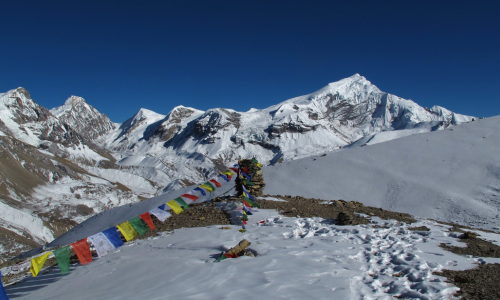
Beyond the mountains, the trek offers rich cultural immersion in traditional villages like Manang, Pisang, and Chame. Here, travelers witness ancient monasteries, colorful prayer flags, and the hospitality of Gurung, Thakali, and Manangi communities, giving a deep understanding of local life in the Himalayas.
The trek is designed with acclimatization days, allowing trekkers to adjust to high altitudes safely. Moderate fitness and some prior trekking experience are recommended, but the route is manageable for dedicated adventurers seeking a rewarding and accessible high-altitude trek. Whether you are a first-time trekker or an experienced hiker, the Annapurna Circuit Trek promises breathtaking landscapes, cultural encounters, and the thrill of conquering Thorong La Pass, making it a must-do Himalayan adventure.
Annapurna Circuit Trek Highlights
The Annapurna Circuit Trek is one of the most celebrated trekking routes in the world, offering a unique blend of stunning Himalayan landscapes, rich cultural experiences, and thrilling adventure. From lush subtropical forests to high-altitude deserts, this trek provides a journey through Nepal’s diverse natural beauty. Here are the key highlights that make this trek truly unforgettable:
1. Thorong La Pass (5,416m)
The trek’s pinnacle is the Thorong La Pass, one of the highest trekking passes in the world. Crossing this pass offers breathtaking panoramic views of Annapurna, Dhaulagiri, and Nilgiri ranges. The sense of achievement after conquering this high-altitude challenge is unforgettable.
2. Diverse Landscapes
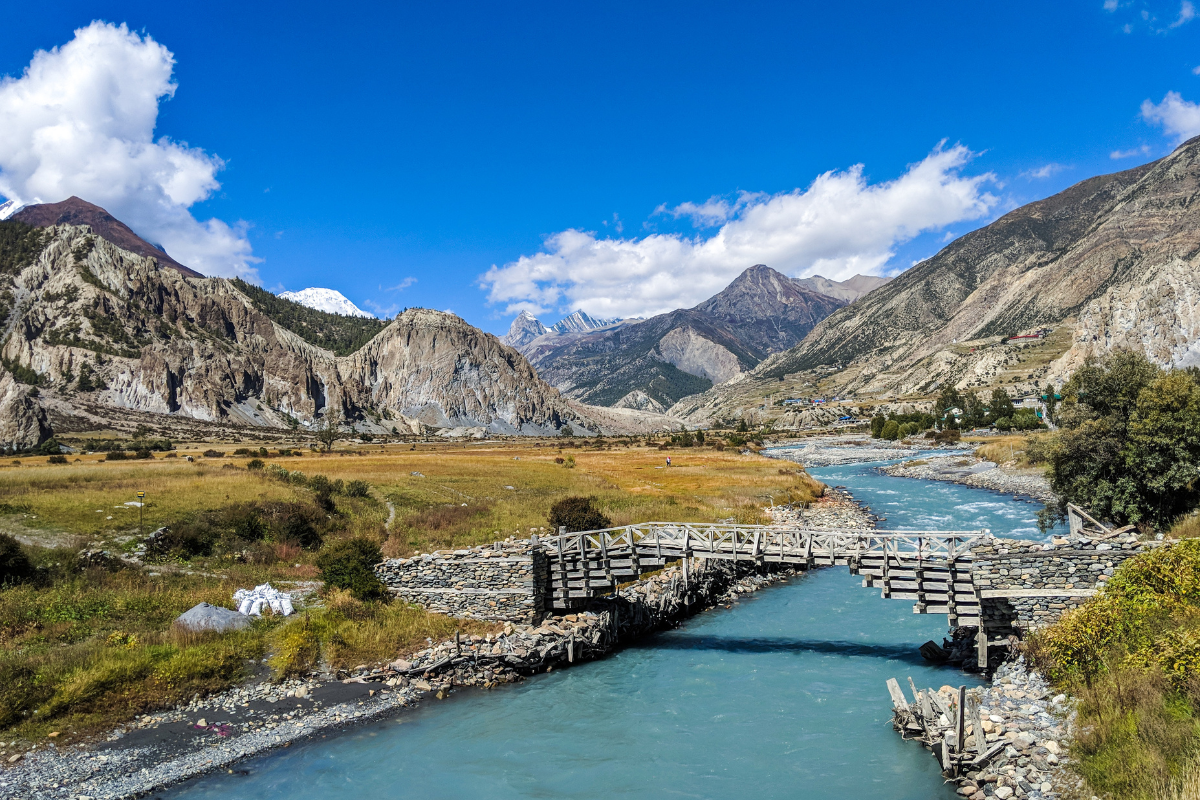
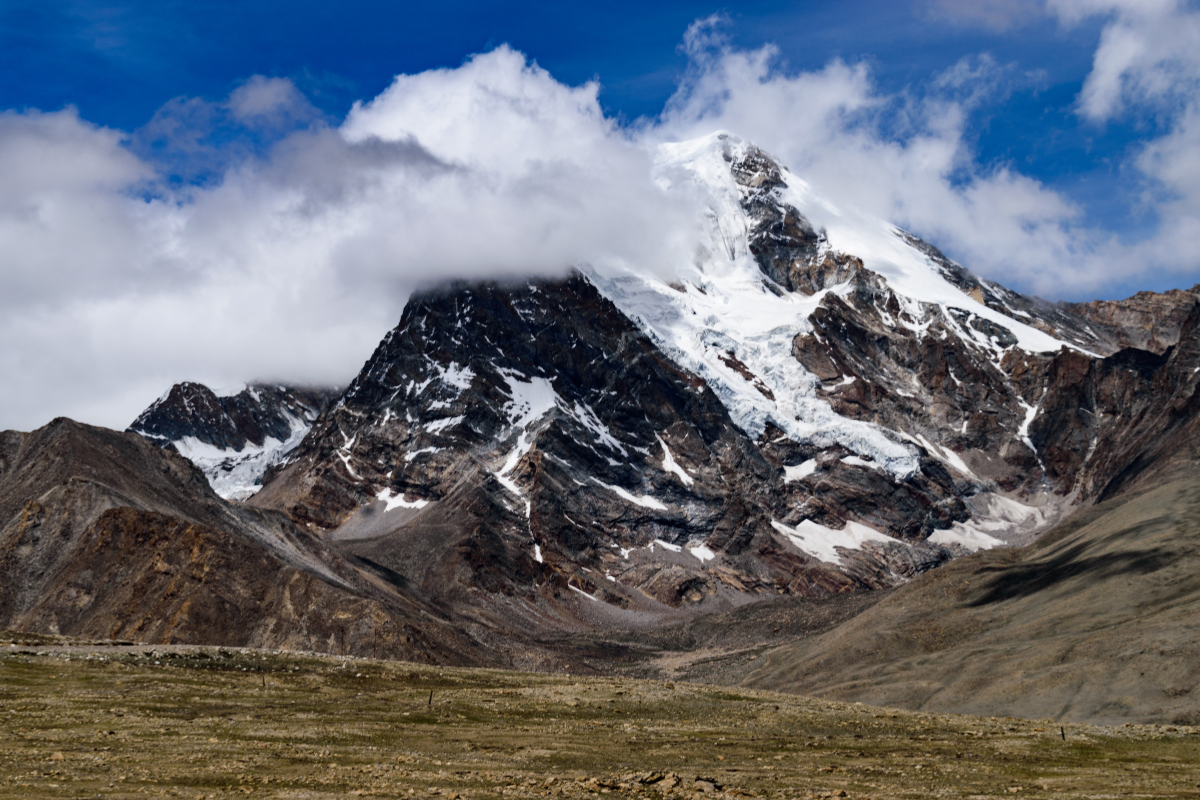
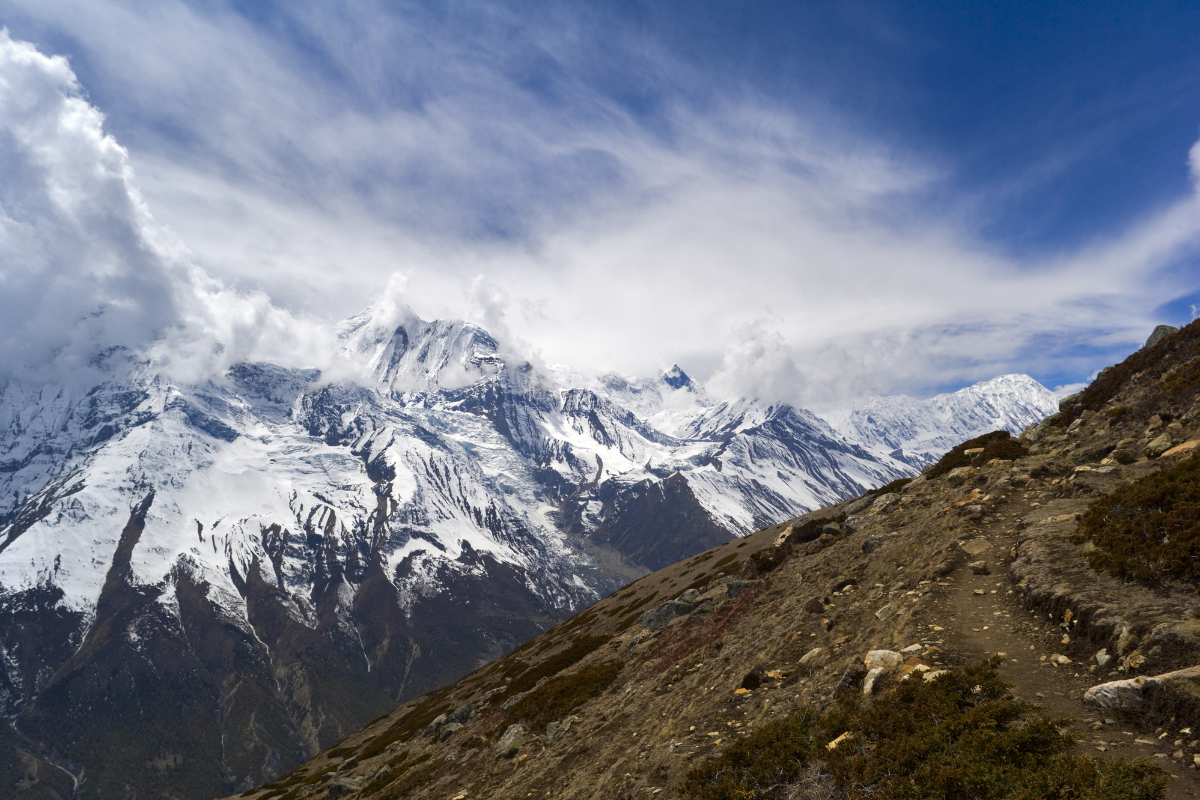
The trek passes through varied ecosystems: subtropical forests, terraced farmlands, alpine meadows, and arid high-altitude regions. This variety provides spectacular scenery and opportunities for photography at every stage of the trek.
3. Cultural Immersion
Villages like Manang, Pisang, and Chame allow trekkers to experience local traditions, monasteries, and vibrant festivals. Travelers can interact with Gurung, Thakali, and Manangi communities, gaining insight into Himalayan life.
4. Spectacular Mountain Views
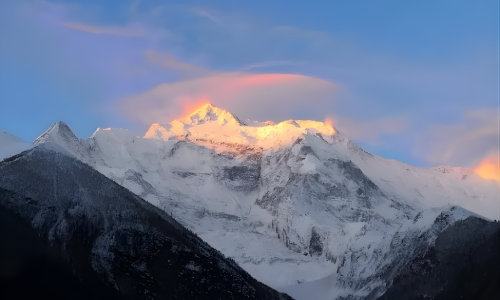
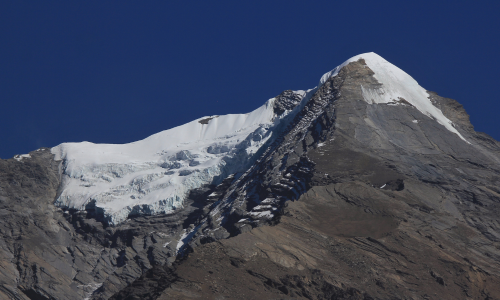
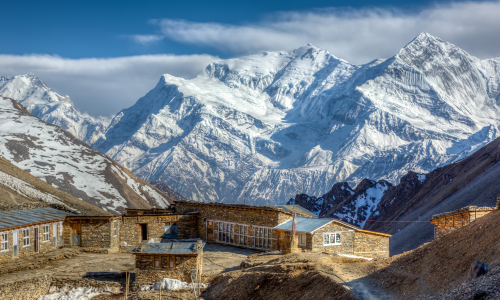
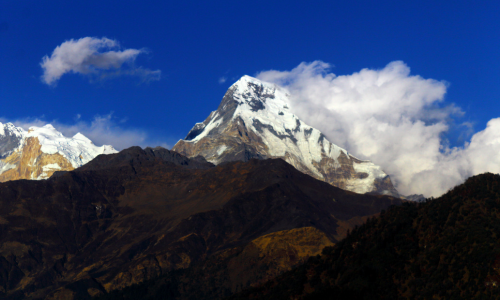
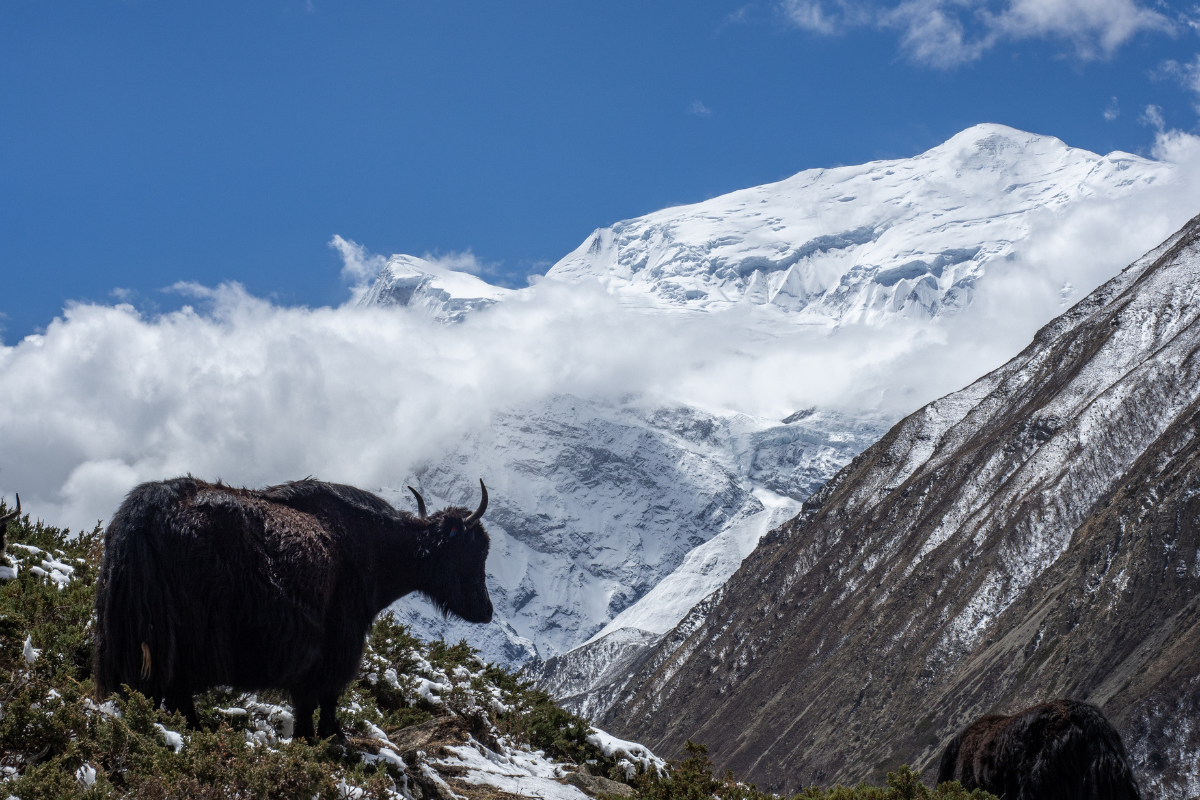
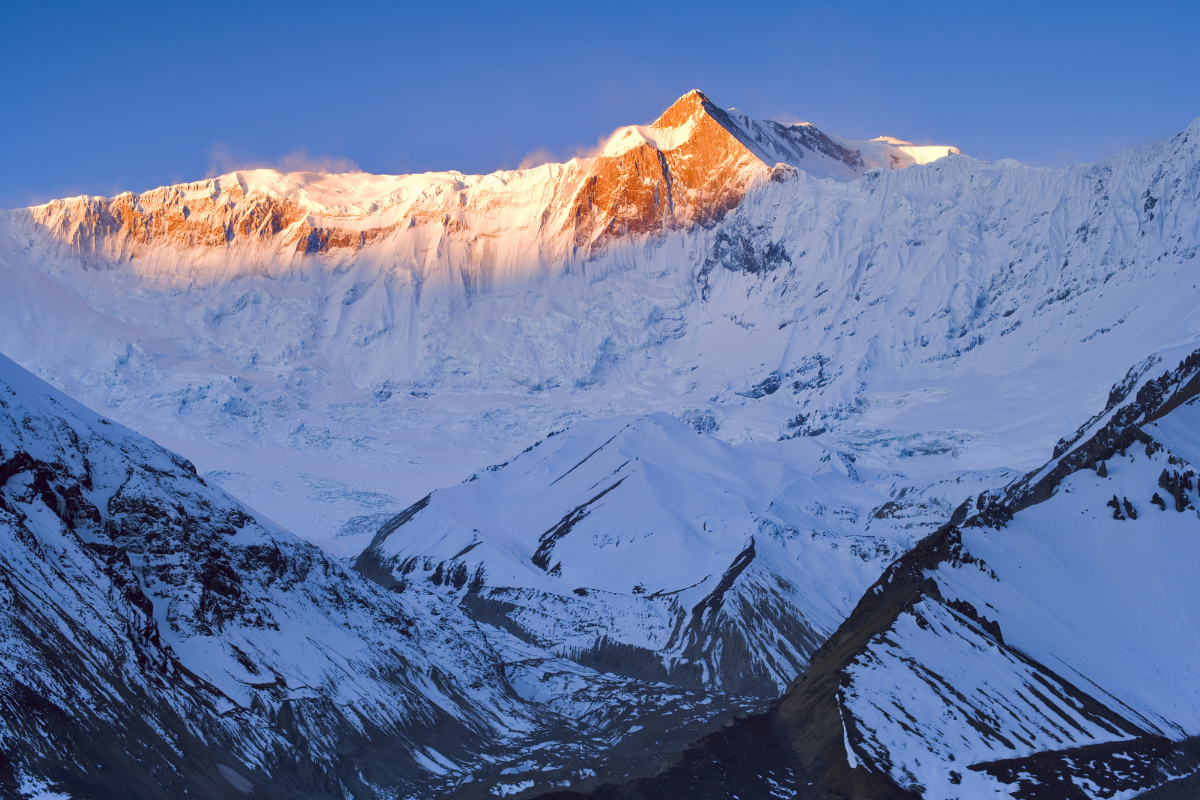
The route offers close-up views of Annapurna I, Dhaulagiri, Machapuchare, and Manaslu, as well as glaciers and snow-capped peaks. Sunrise and sunset views from high-altitude points are truly mesmerizing.
5. Natural Hot Springs
Relax in natural hot springs near Tatopani or along the trail. These mineral-rich springs offer soothing relief for tired muscles and are a unique cultural experience.
6. Adventure and Accessibility
Despite its high altitude, the Annapurna Circuit Trek is moderately challenging, making it accessible to trekkers with some prior experience. Professional guides and well-planned stages ensure a safe yet adventurous journey.
7. Scenic Flight from Jomsom to Pokhara
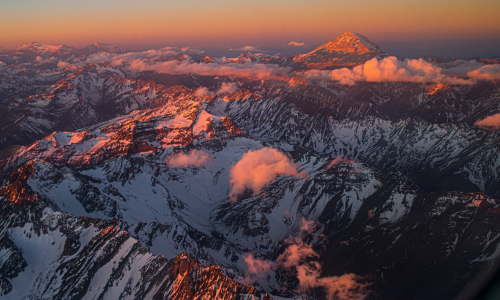
The optional flight from Jomsom to Pokhara offers a spectacular aerial perspective of the Annapurna and Dhaulagiri ranges, providing a once-in-a-lifetime view of the Himalayas.
Annapurna Circuit Trek Permits
To undertake the Annapurna Circuit Trek, trekkers must obtain official permits to ensure safety, legal access, and environmental conservation. The two primary permits required are ACAP (Annapurna Conservation Area Permit) and TIMS (Trekkers’ Information Management System Card).
ACAP is mandatory for entering the Annapurna Conservation Area, supporting trail maintenance, local communities, and wildlife preservation. The permit fee varies depending on nationality and duration, and it can be obtained in Kathmandu or Pokhara before starting the trek.
TIMS is essential for all trekkers in Nepal, helping authorities track trekkers for safety and rescue purposes.
Obtaining these permits is straightforward and usually handled by trekking agencies. Carrying them is crucial, as trekking without permits is illegal. These permits not only ensure compliance with local regulations but also contribute to the sustainability and protection of the Annapurna region.
Best Season for Annapurna Circuit Trek
Choosing the right season is crucial for a safe, enjoyable, and scenic Annapurna Circuit Trek. The region experiences varying weather patterns due to its diverse landscapes, so timing your trek properly enhances both comfort and views.
Spring (March to May)
Spring is one of the best seasons to trek Annapurna Circuit. The weather is mild, skies are mostly clear, and rhododendrons bloom, coloring the trails with vibrant reds, pinks, and oranges. Temperatures at lower altitudes are comfortable, while high-altitude areas remain manageable. This season also provides excellent conditions for photography and wildlife spotting.
Autumn (September to November)
Autumn is the most popular trekking season. The skies are clear and stable, offering spectacular panoramic views of Annapurna, Dhaulagiri, Machapuchare, and Manaslu. Post-monsoon air is crisp, rivers are full, and the weather is generally dry, making trails safer and more accessible.
Avoiding Off-Seasons
- Monsoon (June–August): Heavy rainfall makes trails slippery and increases the risk of landslides.
- Winter (December–February): Extremely cold temperatures and snow at high altitudes make trekking challenging.
Planning your trek in spring or autumn ensures safety, scenic beauty, and memorable experiences on the Annapurna Circuit.
Annapurna Circuit Trek Difficulty Level
The Annapurna Circuit Trek is considered moderate to challenging, making it suitable for trekkers with good physical fitness and some prior trekking experience. While the trail does not require technical climbing skills, trekkers must be prepared for long walking days, steep ascents, and high-altitude conditions.
The most demanding section is the Thorong La Pass (5,416m), which requires early morning starts, slow pacing, and proper acclimatization. Other parts of the trek involve gradual climbs through valleys, river crossings, and rocky trails, providing both adventure and variety.
Acclimatization days, proper hydration, and rest stops are built into the itinerary to reduce the risk of altitude sickness. Overall, the trek offers a rewarding high-altitude experience without extreme technical challenges, making it ideal for adventurers seeking breathtaking Himalayan views and cultural encounters in a safe and structured way.
Final Thoughts on Annapurna Circuit Trek
The Annapurna Circuit Trek is more than just a journey through the Himalayas—it is an unforgettable blend of adventure, culture, and natural beauty. From the lush valleys and terraced fields of lower altitudes to the rugged highlands near Thorong La Pass (5,416m), every step of the trek offers a new perspective on Nepal’s majestic mountains and vibrant local communities.
Trekking through villages like Manang, Pisang, and Chame, you will experience authentic Himalayan life, meet friendly locals, and witness centuries-old traditions. The carefully planned itinerary ensures proper acclimatization, safety, and maximum enjoyment, making it accessible to moderately experienced trekkers.
Whether you are crossing high passes, photographing snow-capped peaks, or simply enjoying the serenity of the mountains, the Annapurna Circuit Trek delivers a sense of achievement, peace, and adventure. This journey promises memories that will stay with you for a lifetime and inspires a deeper connection with Nepal’s incredible landscapes.
 Instant Booking