
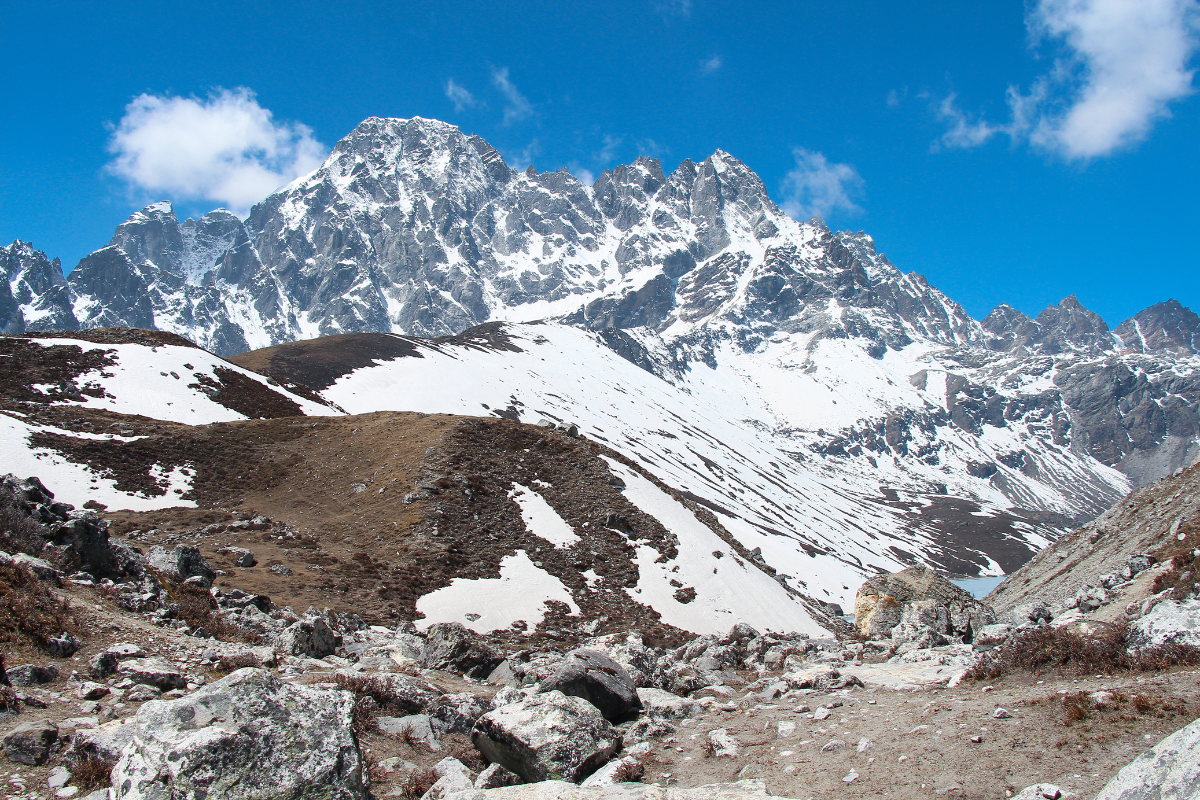
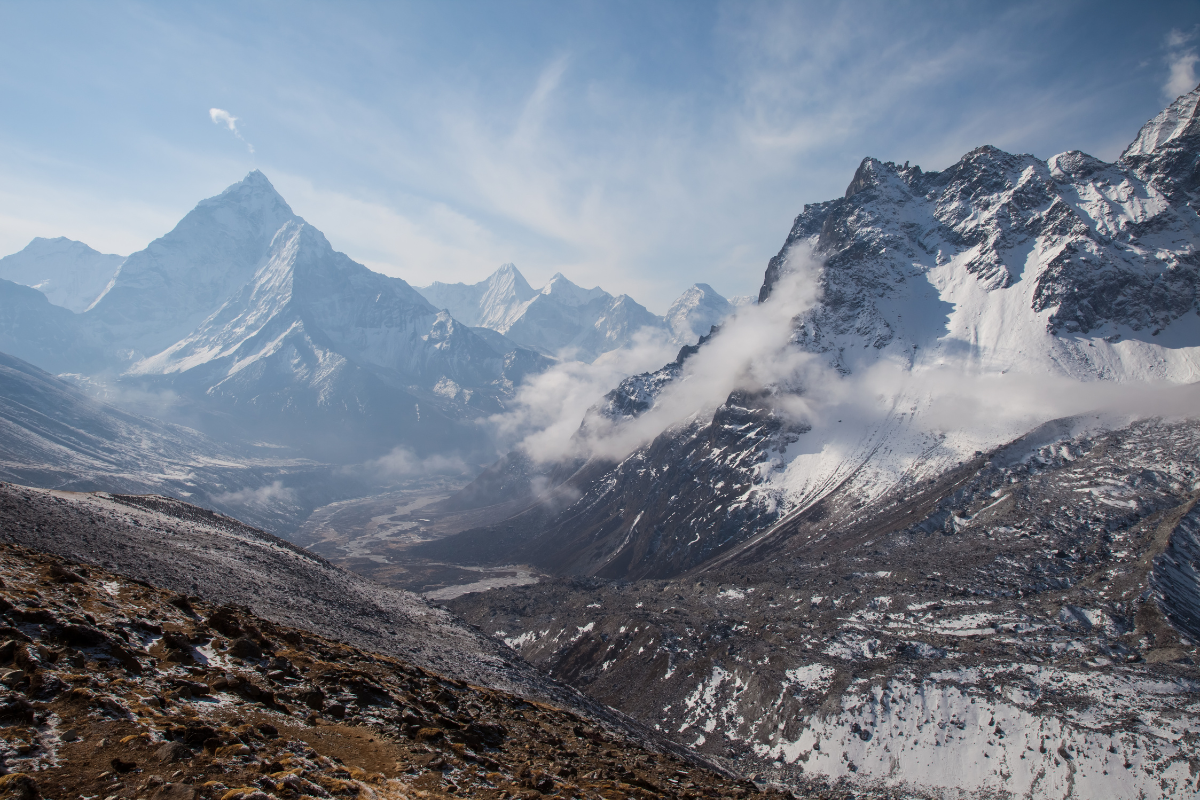
Overview of Kyajo Ri Peak Climbing
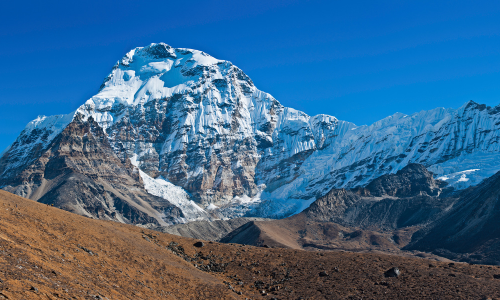
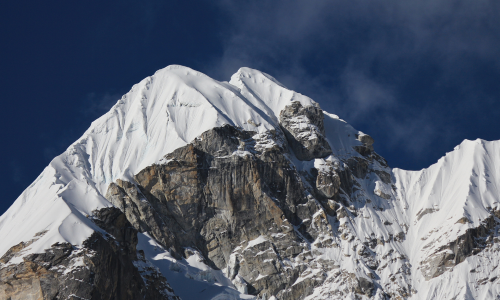
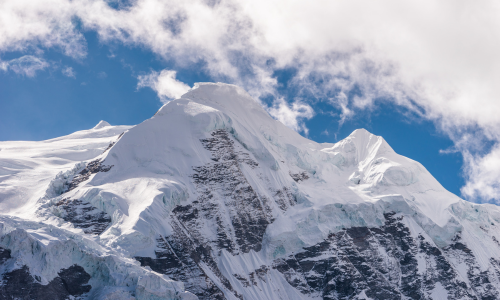
The Kyajo Ri Peak Climbing is one of the most thrilling Himalayan adventures in the Everest region of Nepal. Standing at 6,187 meters (20,305 feet), Kyajo Ri offers mountaineers the opportunity to climb a technically moderate peak while enjoying some of the most spectacular scenery in the Khumbu region. Unlike Everest or other extremely technical peaks, Kyajo Ri is accessible to climbers with basic mountaineering skills and prior trekking experience, making it ideal for those looking for a challenging but achievable summit.
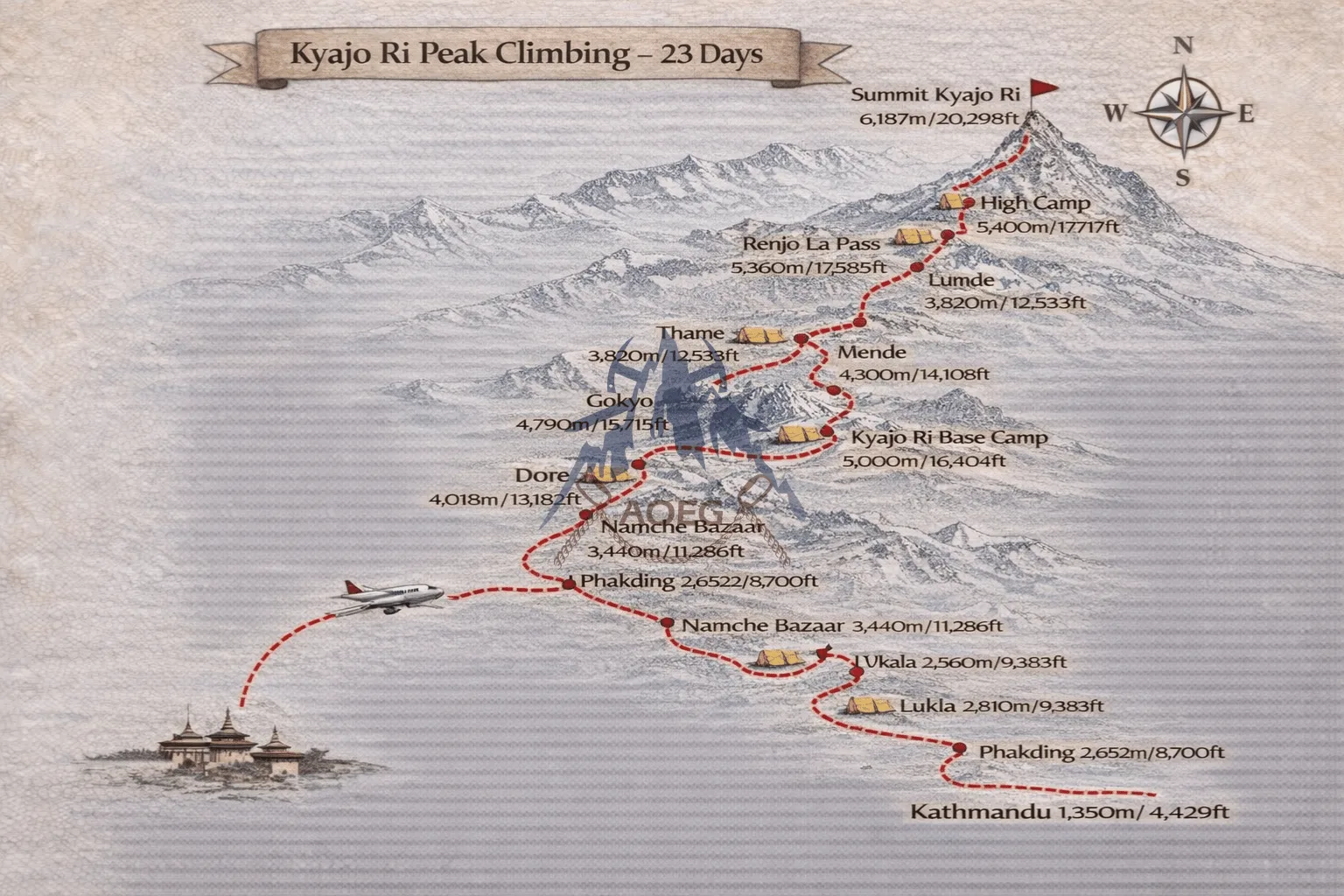
This 23-day expedition combines trekking through traditional Sherpa villages, walking past glacial lakes, crossing high passes like Renjo La, and immersing yourself in the rich culture of the Khumbu region. You’ll experience acclimatization days at Namche Bazaar and Gokyo Lake, ensuring safety during the climb. The journey begins in Kathmandu, the vibrant capital of Nepal, and gradually transitions to the high Himalayas, passing through lush forests, rhododendron valleys, and high-altitude alpine landscapes.
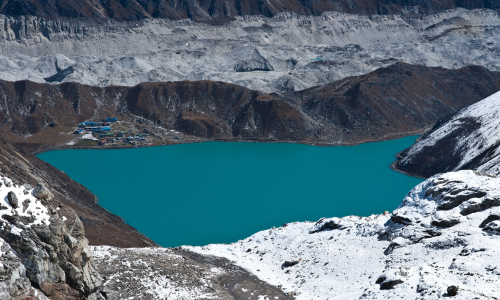
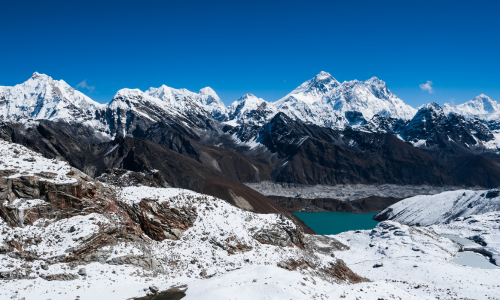
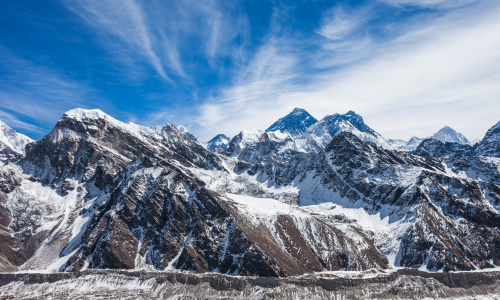
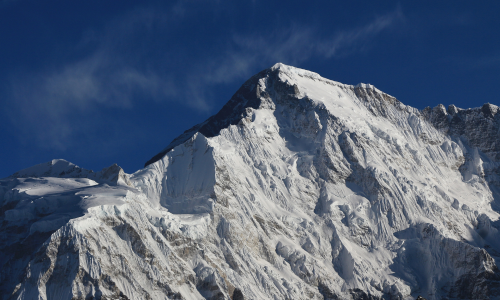
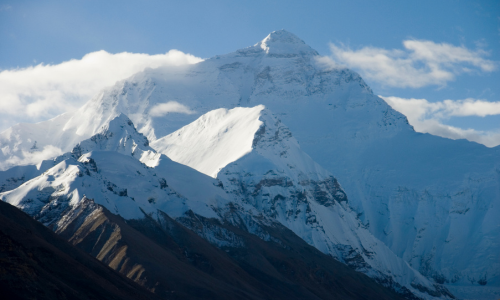
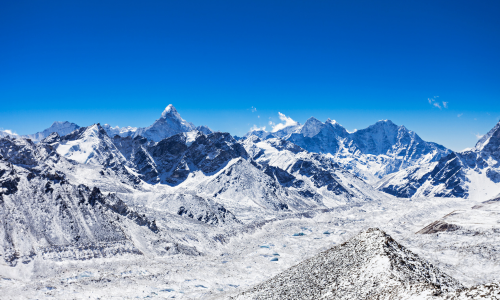
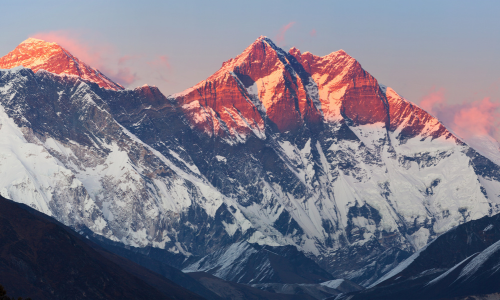
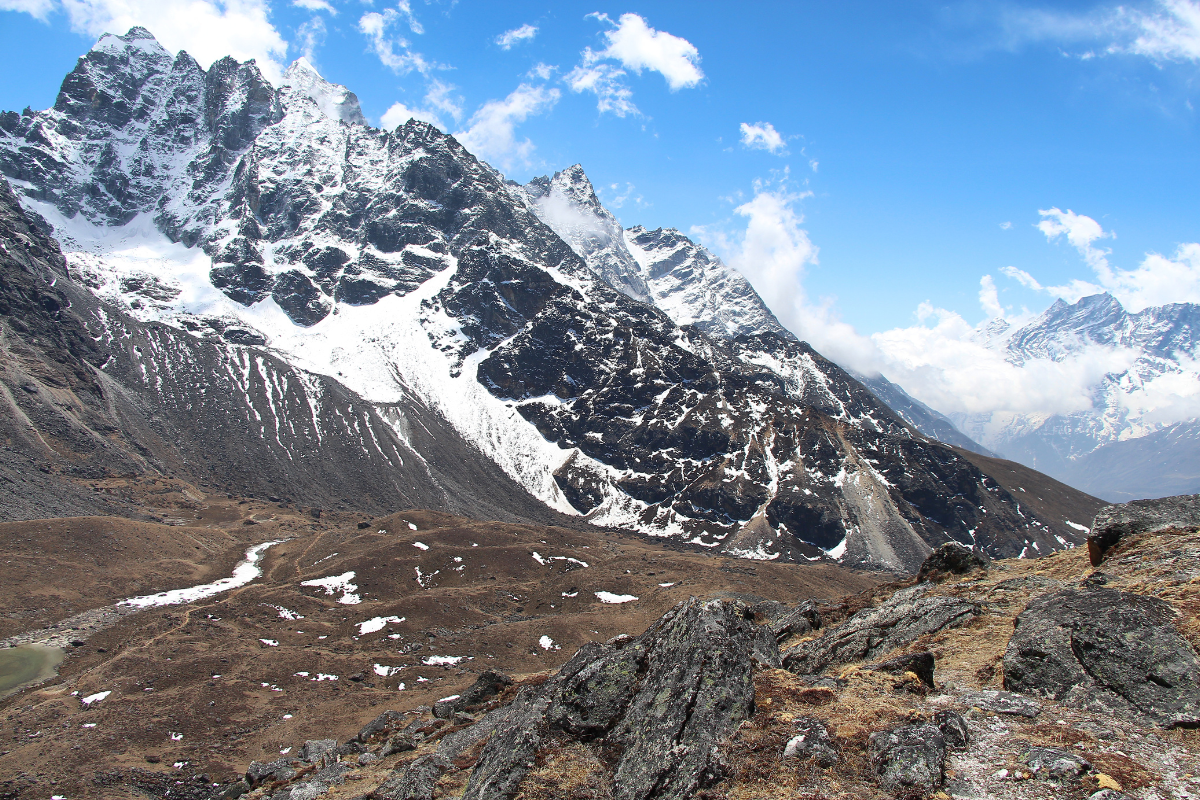
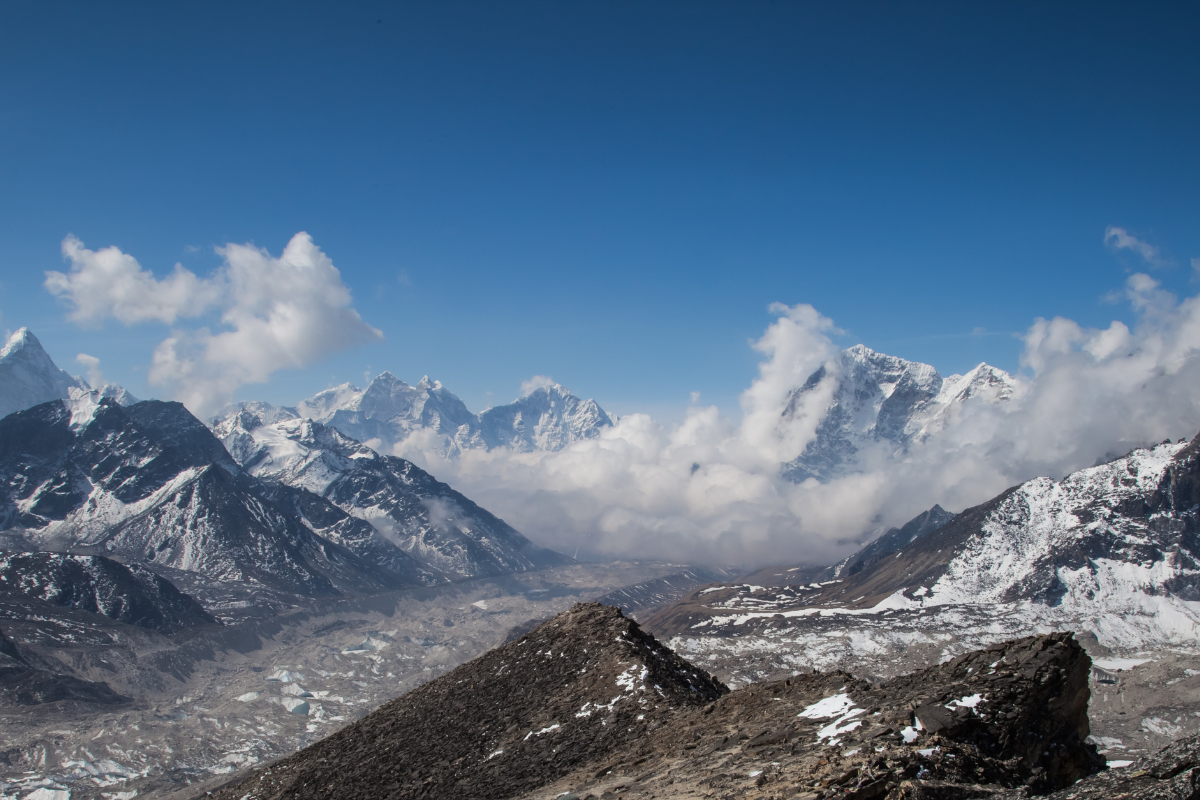
Climbers will get the chance to explore the Gokyo region, including the famous turquoise lakes and panoramic views of peaks such as Cho Oyu, Everest, Lhotse, and Makalu. Proper planning, experienced guides, and step-by-step acclimatization make this expedition safe, enjoyable, and highly rewarding. For adventure enthusiasts and mountaineers, summiting Kyajo Ri promises breathtaking views, personal achievement, and unforgettable memories.
Highlights of Kyajo Ri Peak Climbing
The Kyajo Ri Expedition offers a mix of adventure, culture, and stunning Himalayan scenery. Each highlight of the journey brings a unique experience:
- Summit Kyajo Ri (6,187m): Reaching the summit is the pinnacle of the expedition. From the top, climbers enjoy breathtaking panoramic views of Everest, Cho Oyu, Lhotse, and surrounding glaciers. The feeling of standing on a high Himalayan peak is exhilarating and rewarding, giving a sense of achievement that lasts a lifetime.
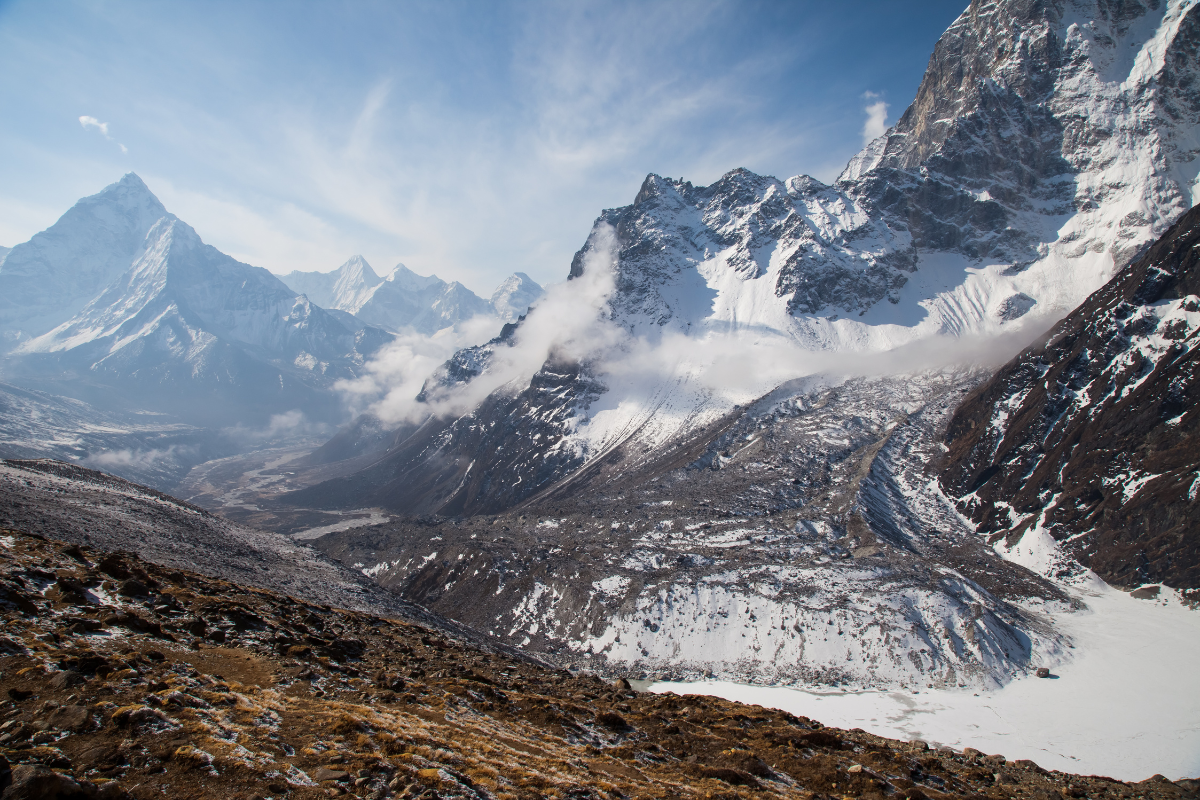
- Gokyo Lakes: The trek passes by the famous turquoise Gokyo Lakes, some of the highest freshwater lakes in the world. These serene lakes are surrounded by snow-capped peaks and glaciers, providing a perfect spot for photography, relaxation, and reflection amidst nature.
- Renjo La Pass (5,360m): Crossing the Renjo La Pass is a challenging yet scenic part of the trek. From here, you can see panoramic Himalayan vistas, including distant peaks and glaciers, making it one of the most memorable high-altitude passes in the Everest region.
- Sherpa Culture: Along the trail, trekkers pass through traditional Sherpa villages, visit ancient monasteries, and see colorful prayer flags fluttering in the wind. This offers a deep cultural immersion and a chance to interact with locals who maintain centuries-old traditions.
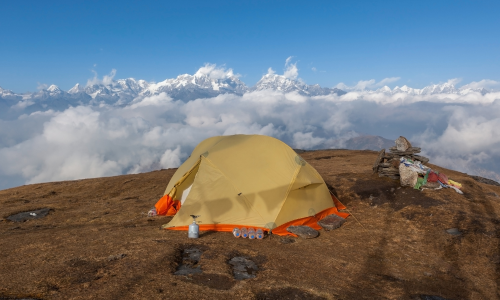
- High-Altitude Camping: The expedition includes stays in carefully placed base and high camps. This not only ensures proper acclimatization but also gives climbers a chance to experience the serenity and solitude of the high Himalayas up close.
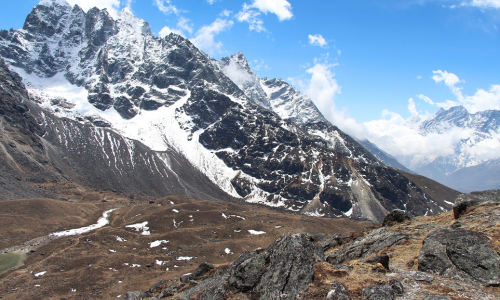
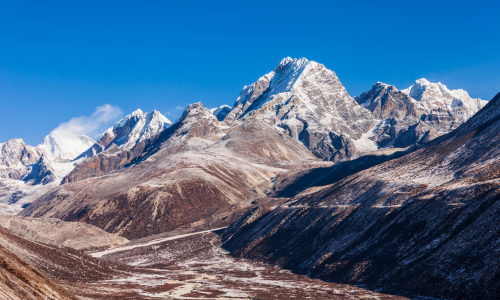
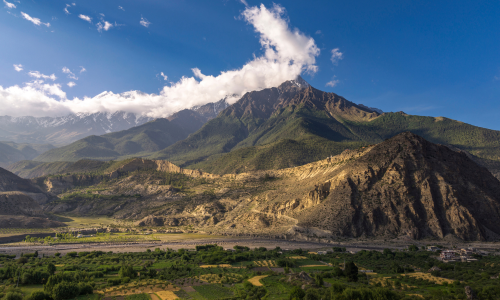
- Everest Region Landscapes: The journey takes you through diverse landscapes, from lush forests and flowing rivers to moraines and glacier-fed trails. The untouched beauty of this region showcases the pristine Himalayan wilderness, offering a sense of adventure at every step.
- Adventure with Safety: The expedition is led by experienced guides and Sherpas, providing technical support, acclimatization guidance, and safety throughout the climb. This allows climbers to focus on the adventure while minimizing risks.
With these highlights, the Kyajo Ri Expedition delivers a perfect balance of trekking, climbing, culture, and natural beauty, making it a must-do for adventurers seeking both challenge and serenity in the Himalayas.
Permits Required for Kyajo Ri Expedition
Climbing and trekking in the Everest region, including Kyajo Ri, requires official permits to ensure safety, legal compliance, and environmental protection. All climbers must obtain Trekking Information Management System (TIMS) cards, which help authorities track trekkers and provide support in case of emergencies. In addition, a Sagarmatha National Park permit is required for the areas surrounding the Everest region, protecting the natural environment and local communities.
For Kyajo Ri itself, a special peak climbing permit is mandatory, as it is a designated high-altitude climbing peak. This permit ensures that climbers follow regulations and are aware of safety guidelines. The expedition team typically handles all permit arrangements in Kathmandu, saving participants time and avoiding bureaucratic challenges. Permits are included in the package, giving climbers a hassle-free experience and allowing them to focus entirely on the trek and summit attempt.
Best Season to Climb Kyajo Ri
The ideal seasons for Kyajo Ri Climbing are spring (March to May) and autumn (September to November), offering the best combination of weather, visibility, and trekking conditions.
Spring Season (March–May): This is a vibrant time in the Everest region. The weather is generally stable, with moderate temperatures during the day and crisp, clear skies providing spectacular mountain views. The rhododendron forests along the trail are in full bloom, creating colorful landscapes that make trekking a truly scenic experience. Snow levels are manageable, making both trekking and climbing safer and more enjoyable.
Autumn Season (September–November): Autumn is the most popular time for Himalayan expeditions. The monsoon has cleared, leaving behind crystal-clear skies, excellent visibility of peaks like Everest, Cho Oyu, and Lhotse, and dry trails that make trekking easier. Temperatures are cooler than spring but stable, which is ideal for high-altitude climbing.
Avoid winter due to extreme cold and heavy snow, and monsoon season (June–August) because trails are slippery and the risk of landslides is high. Planning your Kyajo Ri expedition in spring or autumn ensures safety, stunning views, and a memorable Himalayan experience.
Difficulty Level of Kyajo Ri Expedition
The Kyajo Ri Expedition is considered a moderate to challenging high-altitude climb, suitable for trekkers and climbers with prior trekking or basic mountaineering experience. While it is less technical than peaks like Everest or Lhotse, the expedition requires good physical fitness, endurance, and the ability to adapt to high-altitude conditions.
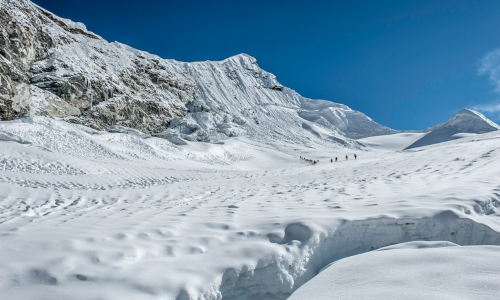
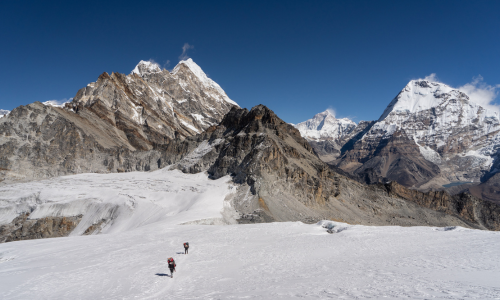
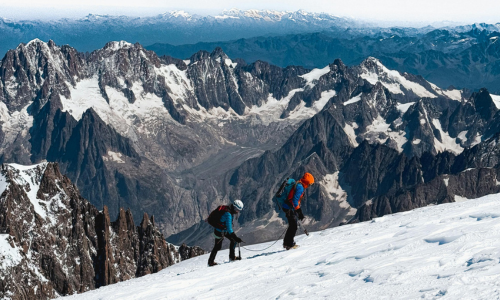
Climbers will face long trekking days, steep ascents, glacier crossings, and cold, windy conditions at higher camps. Proper acclimatization is built into the itinerary with rest days at Namche Bazaar and Gokyo Lake, ensuring safety and reducing the risk of altitude sickness. The climb involves moderate technical skills, such as using crampons and ice axes under Sherpa guidance.
This expedition is ideal for adventurous individuals who are physically prepared, mentally focused, and eager to take on a rewarding high-altitude challenge. With experienced guides, step-by-step acclimatization, and careful planning, climbers can safely enjoy the adventure and achieve the summit of Kyajo Ri.
Final Thoughts on Kyajo Ri Expedition – Adventure and Achievement
The Kyajo Ri Expedition offers a unique blend of adventure, culture, and breathtaking Himalayan scenery. From trekking through traditional Sherpa villages and crossing the spectacular Renjo La Pass to exploring the turquoise Gokyo Lakes and summiting Kyajo Ri at 6,187 meters, every step is memorable. This expedition is meticulously planned with proper acclimatization, high-altitude camps, and expert Sherpa guidance, ensuring both safety and enjoyment.
Kyajo Ri is perfect for climbers seeking a moderate high-altitude challenge without extreme technical difficulties, making it accessible for those with trekking or basic mountaineering experience. Beyond the summit, the journey provides an immersive experience of the Everest region’s natural beauty, local culture, and pristine landscapes.
If you’re ready to embrace this once-in-a-lifetime adventure and secure your spot on the Kyajo Ri Expedition, contact our team today to book your journey. Don’t miss the chance to create unforgettable memories and experience the Himalayas like never before.
 Instant Booking