
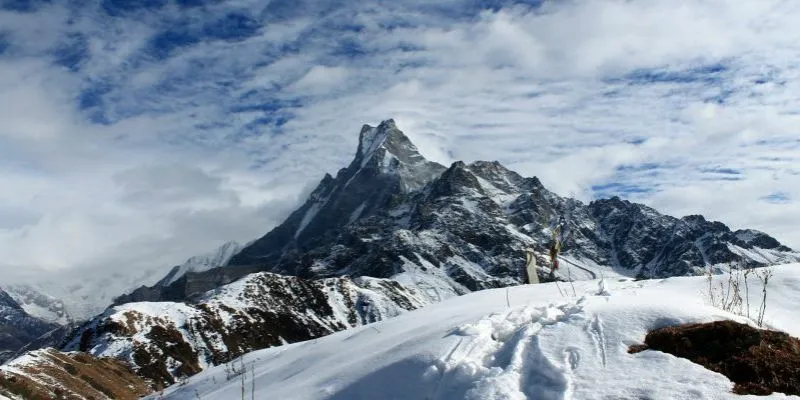
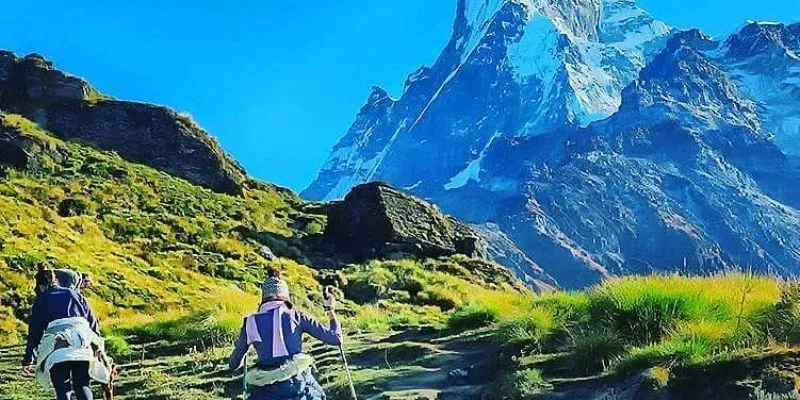
Overview of Mardi Himal Trek
The Mardi Himal Trek is one of the most enchanting and lesser-known trekking experiences in Nepal. This 8-day journey takes you through the hidden trails of the Annapurna region, offering a perfect blend of adventure, culture, and nature. With a maximum altitude of 4,500 meters, Mardi Himal is ideal for trekkers seeking a moderate yet rewarding high-altitude experience without the extreme challenges of peaks like Annapurna or Dhaulagiri.
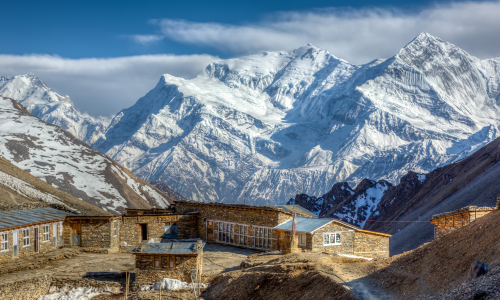
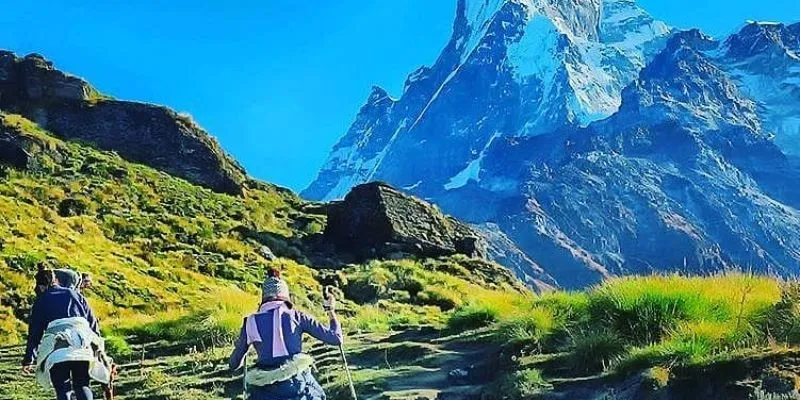
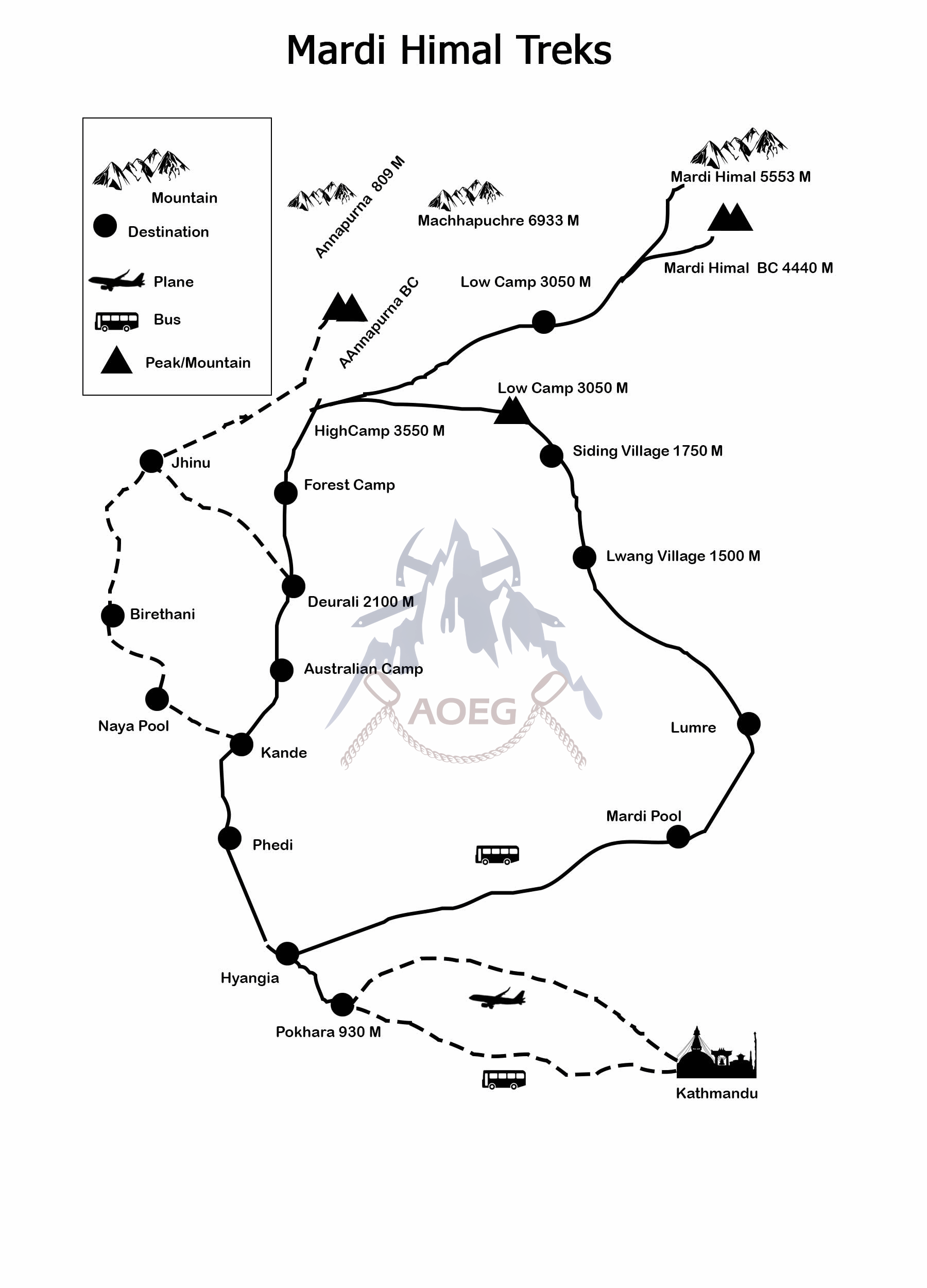
Starting from Kathmandu, the journey takes you to Pokhara, the gateway to the Annapurna region, known for its serene lakes and spectacular mountain panoramas. From Pokhara, the trek begins through lush forests, terraced fields, and remote villages, offering trekkers an authentic Himalayan experience. The trail is dotted with rhododendron forests, cascading waterfalls, and traditional stone houses, providing countless photo opportunities.
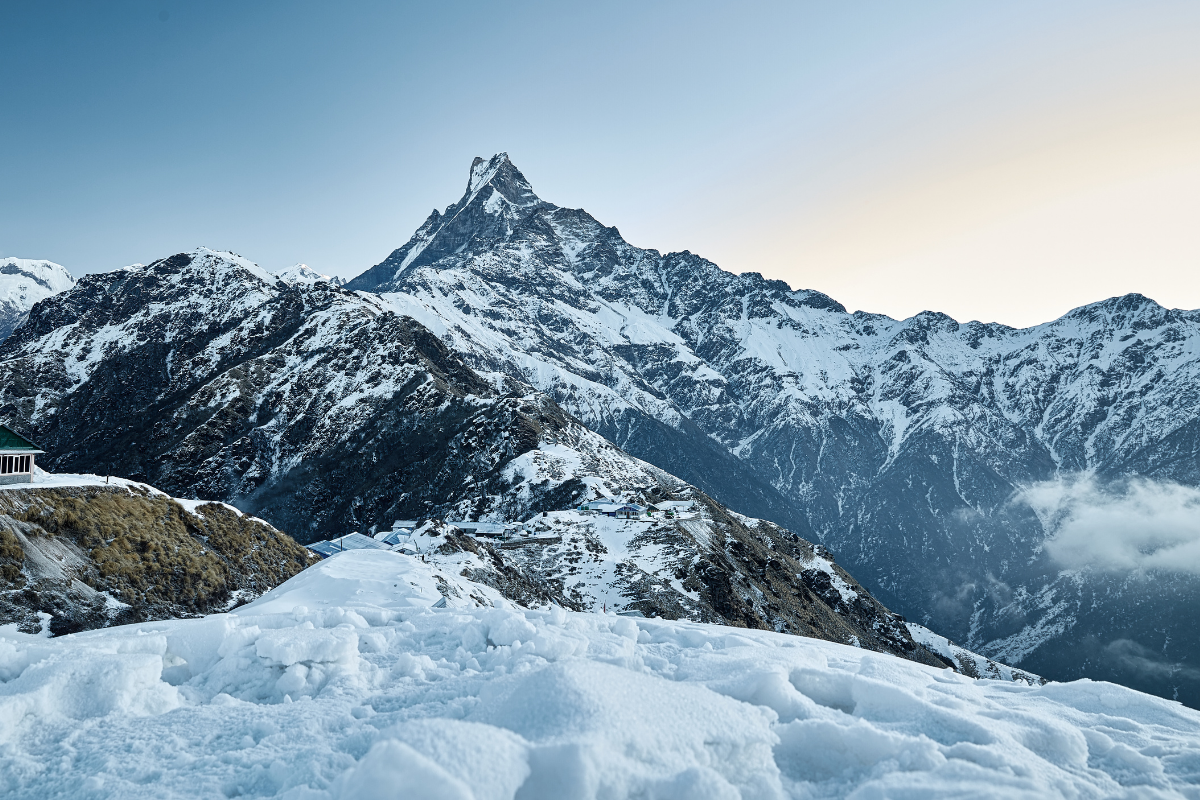
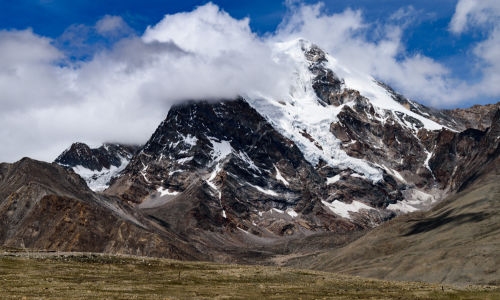
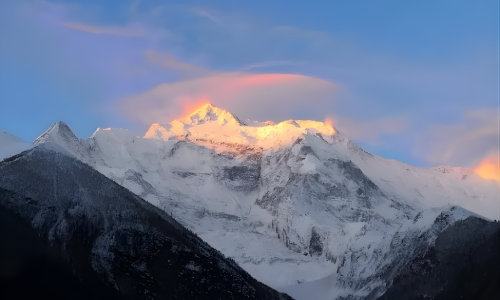
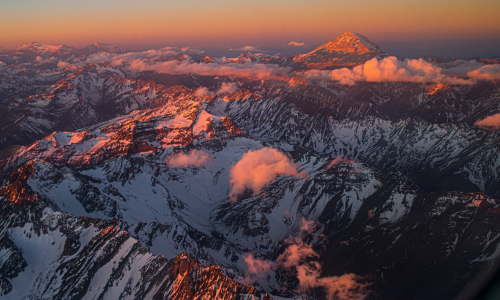
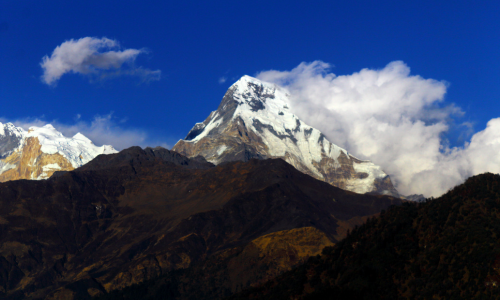
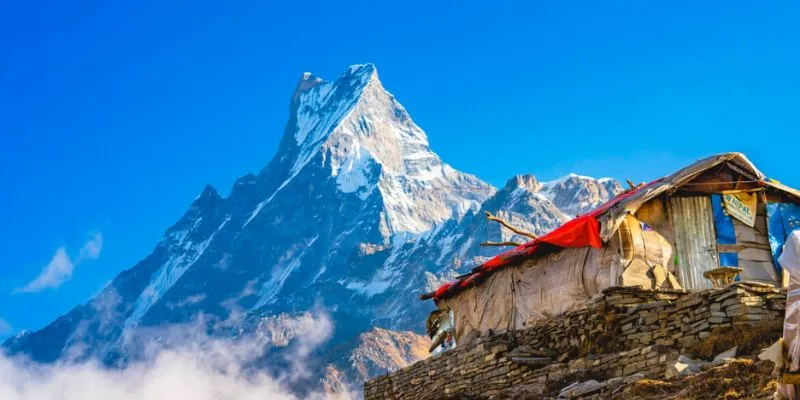
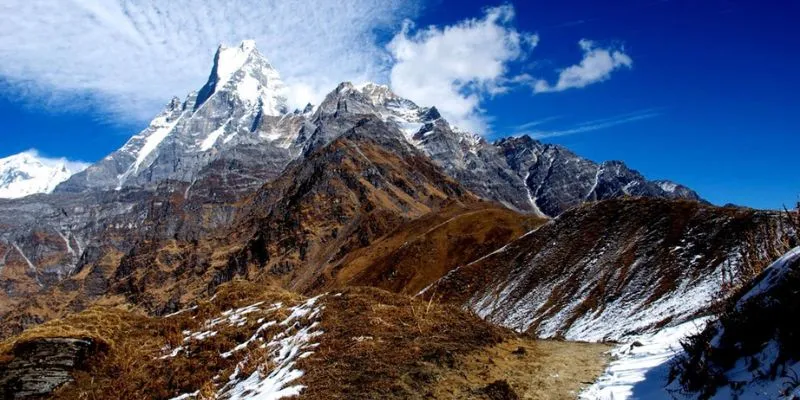
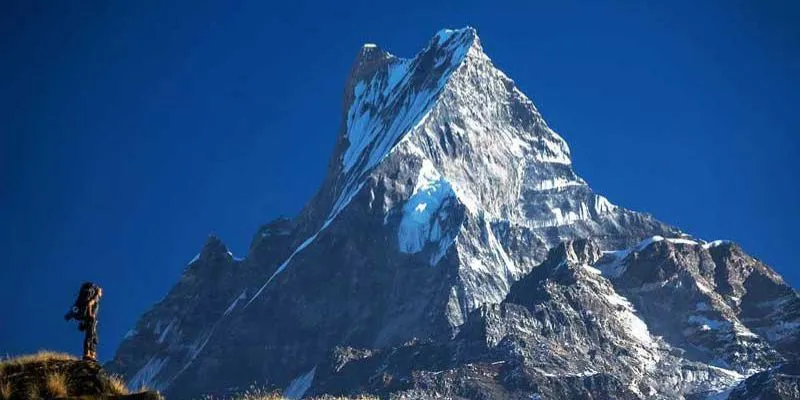
The highlight of the trek is the Mardi Himal Base Camp, perched beneath the mighty Annapurna South and Machapuchare (Fishtail) mountains. This vantage point offers some of the most breathtaking sunrise and sunset views in the entire Annapurna region. Along the way, trekkers can enjoy cultural encounters with local Gurung and Magar communities, visit ancient monasteries, and experience the peace and serenity of high-altitude life.
The trek is carefully planned to include rest and acclimatization days, ensuring safety for all participants. Whether you are a beginner looking for a first high-altitude trek or an experienced trekker wanting to explore off-the-beaten paths, the Mardi Himal Trek promises an unforgettable Himalayan adventure, combining physical challenge, natural beauty, and cultural immersion.
Highlights of Mardi Himal Trek
The Mardi Himal Trek offers an array of experiences that make it truly special:
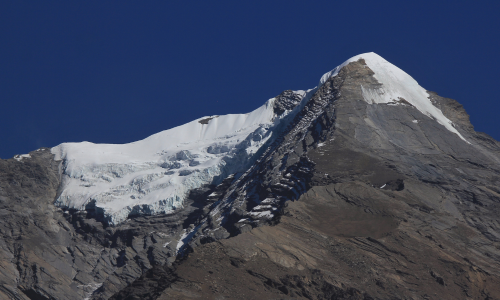
- Mardi Himal Base Camp Views: Witness the grandeur of Annapurna South, Hiunchuli, and Machapuchare (Fishtail) peaks from the Base Camp. Sunrises and sunsets here are simply magical.
- Off-the-Beaten-Path Trek: Unlike popular routes like Annapurna Base Camp, Mardi Himal trails are less crowded, giving you solitude and the chance to connect deeply with nature.
- Rhododendron Forests: Trek through dense forests, especially vibrant during spring, where blooming rhododendrons create a spectacular red and pink canopy.
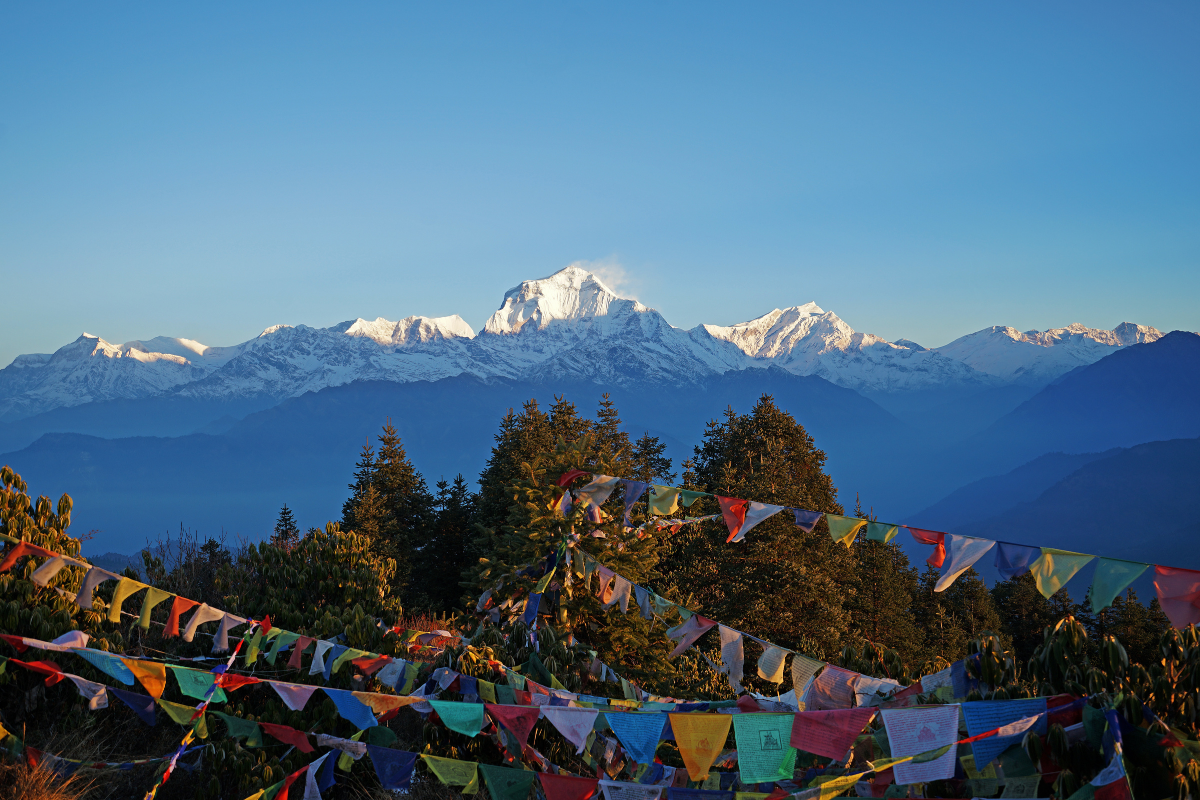
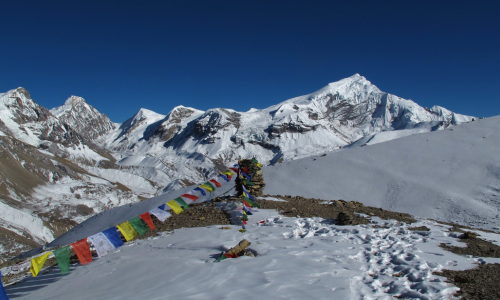
- Cultural Encounters: Pass through remote villages, meet friendly locals, and observe traditional Gurung and Magar lifestyles. Monasteries, prayer flags, and stone temples add spiritual charm to the journey.
- Scenic Landscapes: Traverse terraced fields, waterfalls, alpine meadows, and suspension bridges, offering constant panoramic views of the Annapurna and Machapuchare ranges.
- High-Altitude Camping and Tea Houses: Stay in cozy tea houses or campsites surrounded by the tranquility of the Himalayas, with fresh mountain air and starry nights.
- Adventure with Safety: The trek includes moderate difficulty trails, gradual altitude gain, and optional acclimatization days, making it safe for most physically fit trekkers.
- Hot Springs Experience: Relax in natural hot springs at Tatopani, a rejuvenating end to the trek.
Permits for Mardi Himal Trek
Trekking in the Mardi Himal region requires proper permits to ensure a safe and legal journey while supporting local conservation efforts. All trekkers must obtain the Annapurna Conservation Area Permit (ACAP), which allows access to the protected Annapurna region, and the Trekkers’ Information Management System (TIMS) card, which registers trekkers with the Nepal Tourism Board. These permits help regulate tourism, preserve the environment, and support local communities along the trail. The process is simple and can be completed in Kathmandu or Pokhara before starting the trek. For convenience, many tour operators, including ours, handle all permit arrangements on behalf of trekkers. Carrying valid permits is mandatory, and rangers may check them during the trek. Having these permits ensures a smooth, worry-free trekking experience while respecting Nepal’s protected natural areas.
Best Season to Trek Mardi Himal
The Mardi Himal Trek can be undertaken throughout the year, but the best time for clear skies, comfortable weather, and stunning landscapes is during spring and autumn.
Spring (March to May)
Spring is one of the most popular seasons for trekking. During this period:
- Rhododendrons bloom, painting the forests in vibrant shades of red, pink, and orange.
- Temperatures are moderate, making trekking comfortable.
- Clear skies offer breathtaking panoramic views of Annapurna South, Machapuchare, and Mardi Himal.
- Wildlife is active, and you may see Himalayan birds and butterflies along the trail.
Autumn (September to November)
Autumn is another ideal season for trekking:
- Skies are clear, providing unobstructed mountain views and excellent photography opportunities.
- The trails are dry and safe after the monsoon, reducing the risk of slippery paths.
- Days are warm while nights are crisp, perfect for trekking at high altitudes.
- Cultural festivals in villages may coincide with your trek, giving a unique cultural experience.
Other Seasons
- Winter (December–February): Cold temperatures and occasional snowfall make high-altitude sections challenging.
- Monsoon (June–August): Heavy rainfall causes slippery trails and increased risk of landslides; this season is not recommended.
Tip: For the ultimate Mardi Himal experience with vibrant landscapes, clear skies, and comfortable trekking conditions, plan your journey in spring or autumn.
Difficulty Level of Mardi Himal Trek
The Mardi Himal Trek is considered moderate in difficulty, making it suitable for physically fit beginners as well as experienced trekkers seeking a less crowded Himalayan adventure. The trek involves gradual ascents, well-marked trails, and altitudes reaching up to 4,500 meters at Mardi Himal Base Camp. Daily trekking hours typically range from 5 to 7 hours, allowing enough time for rest and acclimatization.
While the trails are not technically challenging, some sections can be steep, rocky, or slippery, especially after rainfall. Proper footwear, trekking poles, and moderate fitness levels are recommended. Acclimatization days, such as the rest day at Khopra Danda, help prevent altitude sickness and ensure a safer trek. Overall, the Mardi Himal Trek offers a rewarding high-altitude experience with stunning mountain views without the extreme difficulty of peaks like Annapurna or Dhaulagiri.
How to Book Mardi Himal Trek
Booking the Mardi Himal Trek is simple, safe, and stress-free with the right guidance. To secure your spot, start by contacting our team via email, phone, or through the website. Share your preferred dates, number of participants, and basic trekking experience.
Next, make a deposit payment to confirm your reservation. Once confirmed, provide your passport details and emergency contact information. Complete the remaining payment before departure to receive your detailed pre-departure guide, gear checklist, and itinerary, ensuring you are fully prepared for the adventure.
We recommend booking at least 2–3 months in advance, as slots for Mardi Himal Trek are limited to maintain safety, quality service, and a personalized trekking experience.
Take the first step toward an unforgettable Himalayan adventure today! Contact Alpine Outdoors & Expedition Guide Pvt. Ltd and let us handle all the planning, logistics, and support, so you can focus entirely on trekking, exploring, and creating lifelong memories
 Instant Booking