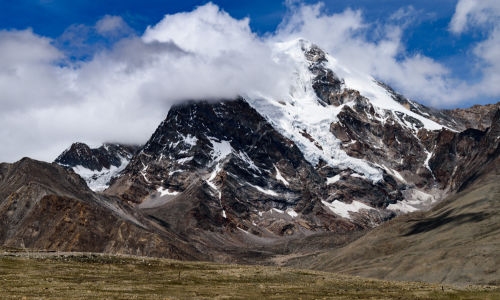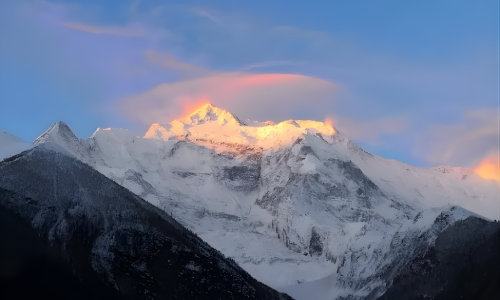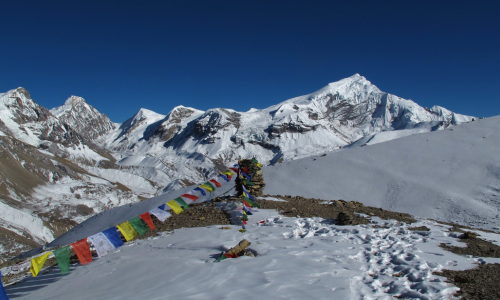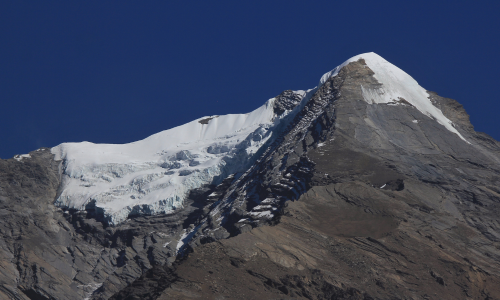

Pisang Peak Expedition Overview
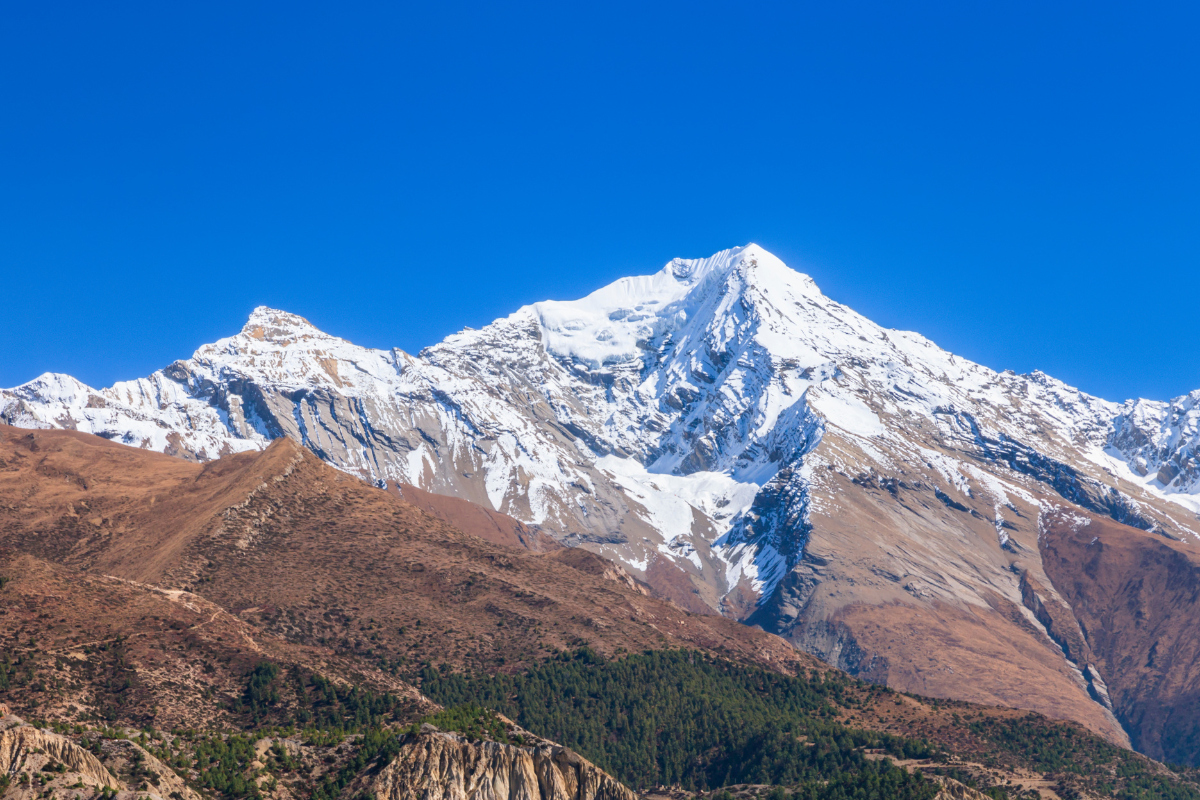
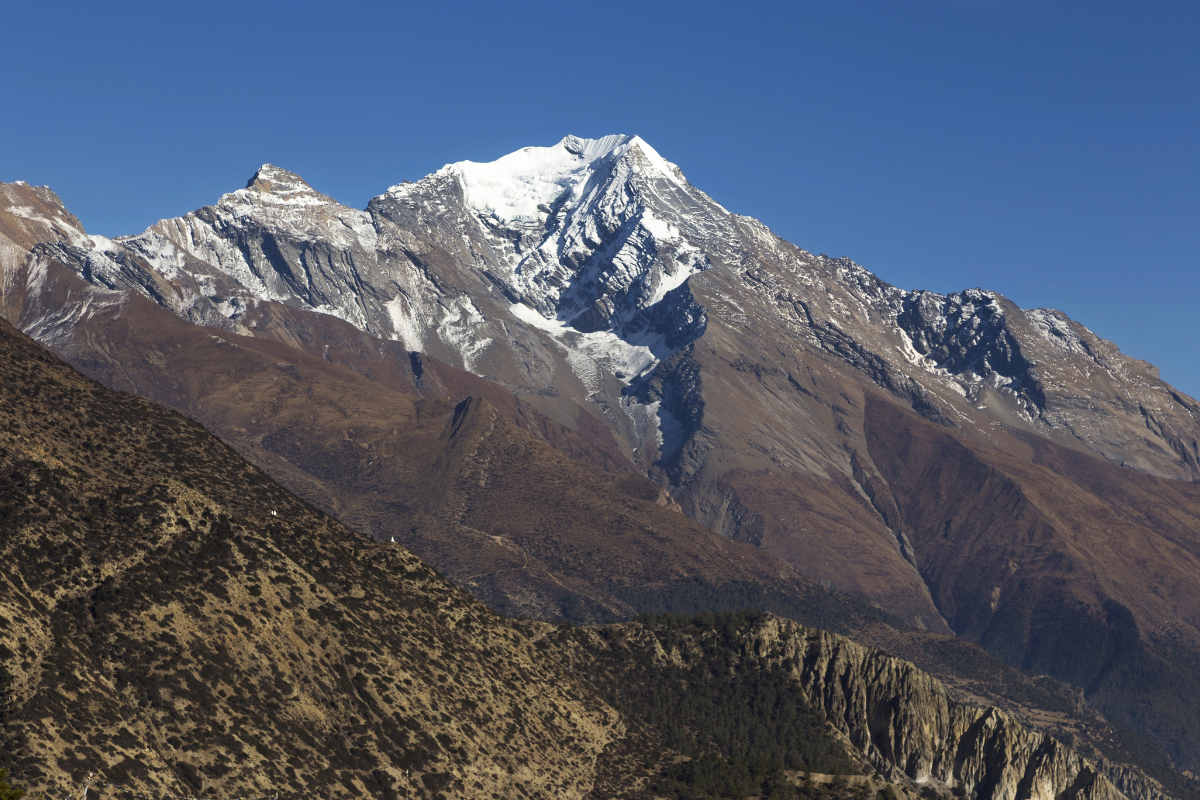
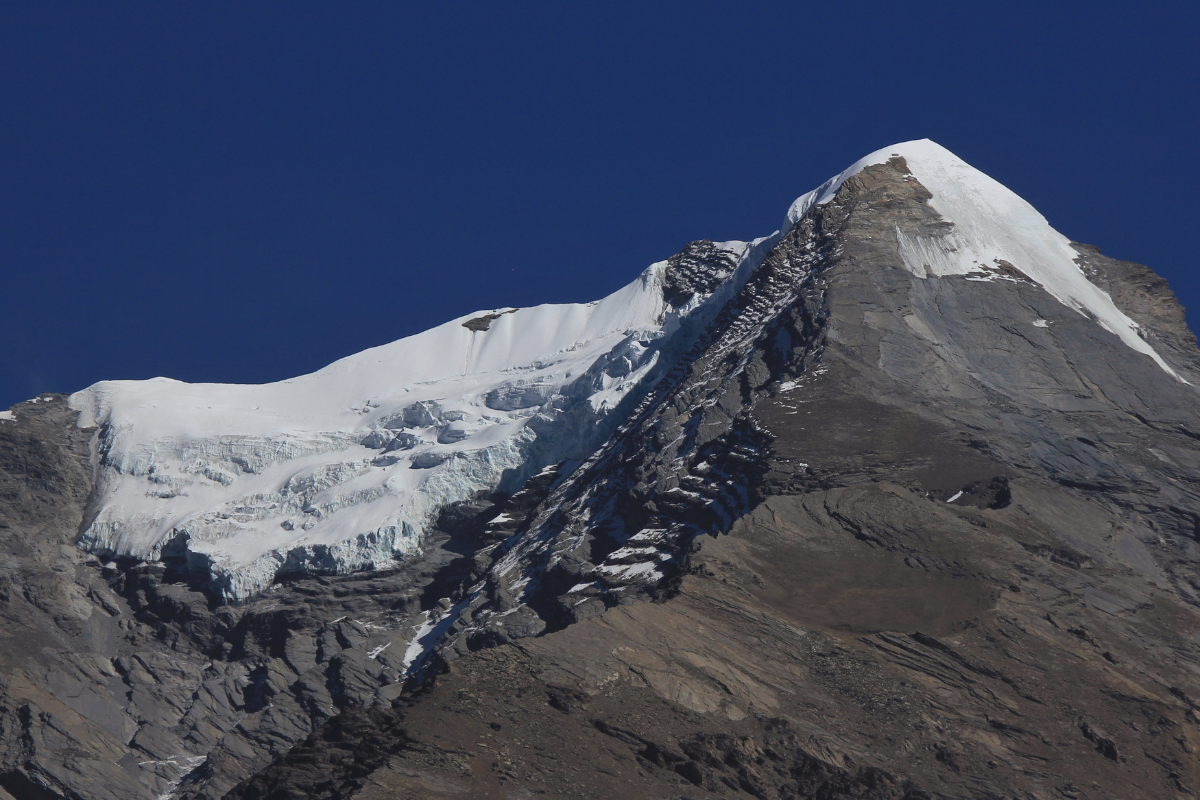
The Pisang Peak Expedition is one of Nepal’s most exciting high-altitude trekking and climbing adventures. Standing at 6,091 meters (19,980 feet), Pisang Peak is a popular choice for climbers who want to experience a Himalayan summit without the extreme technical challenges of peaks like Everest or Annapurna. This 18-day journey blends trekking through the scenic Annapurna region, acclimatization in traditional Himalayan villages, and the thrilling climb to the summit of Pisang Peak.
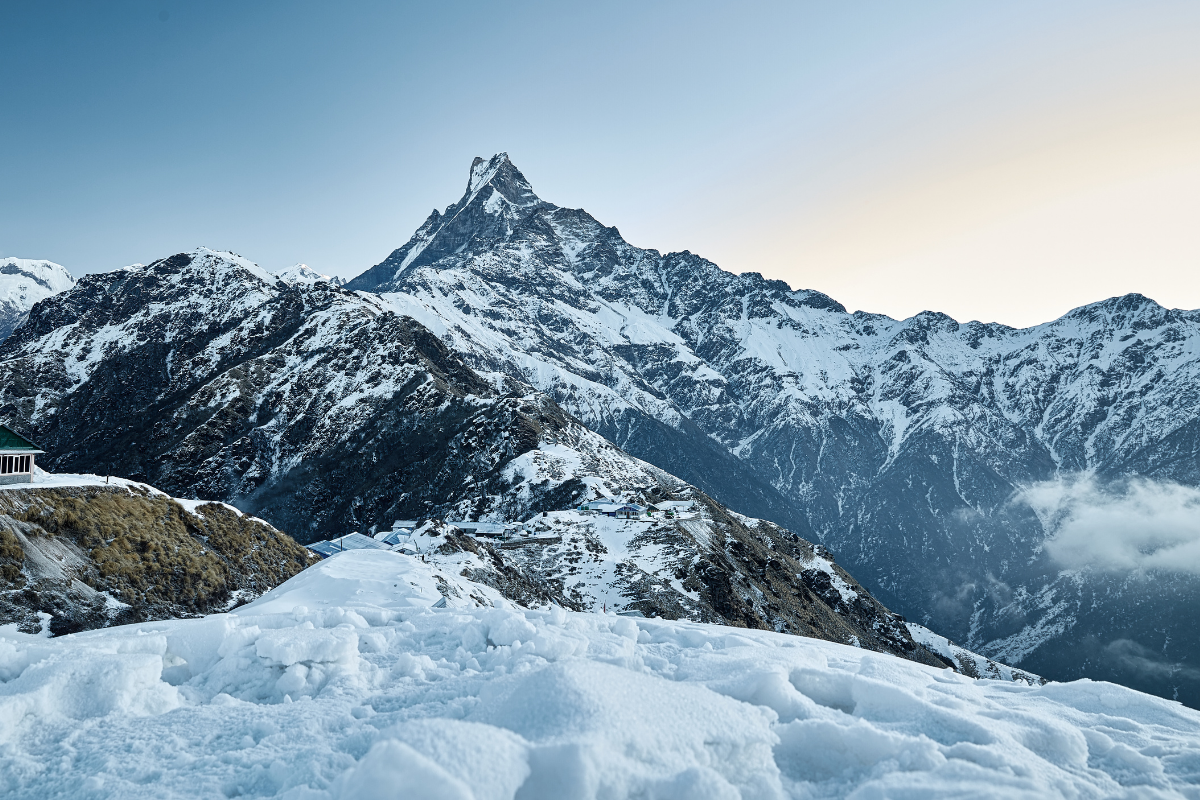
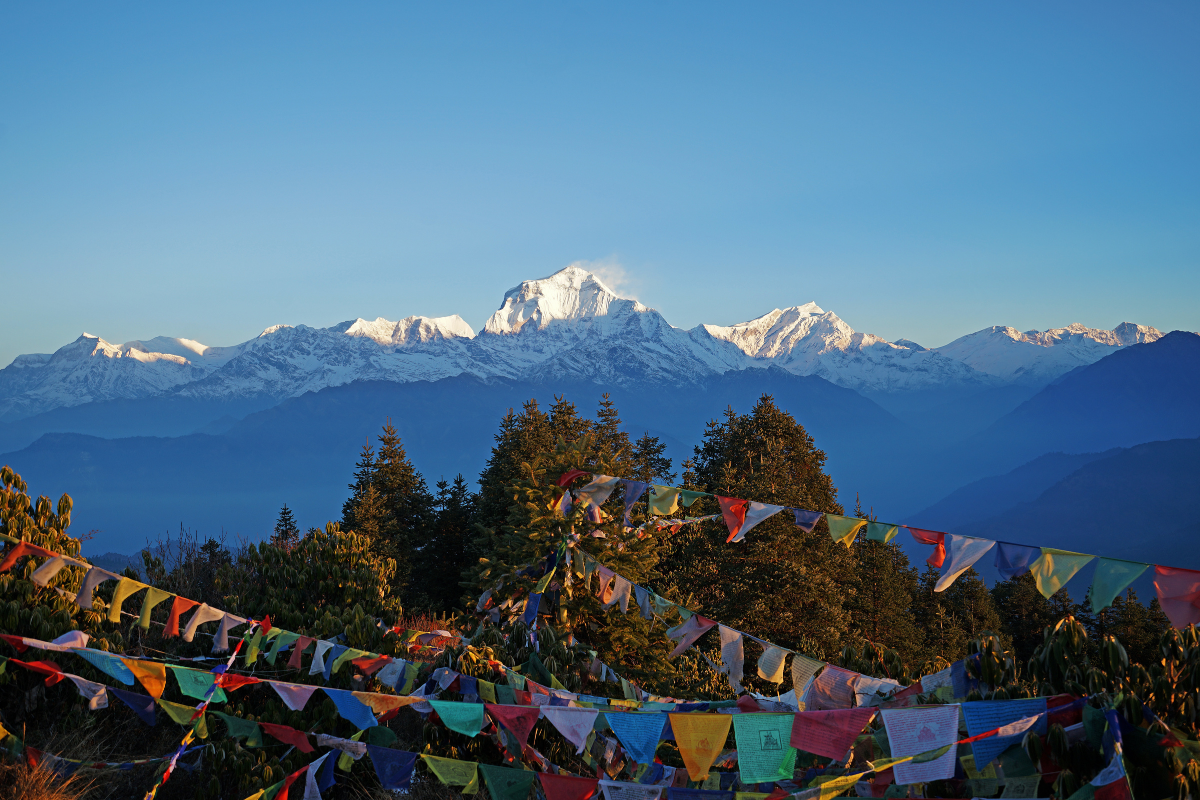
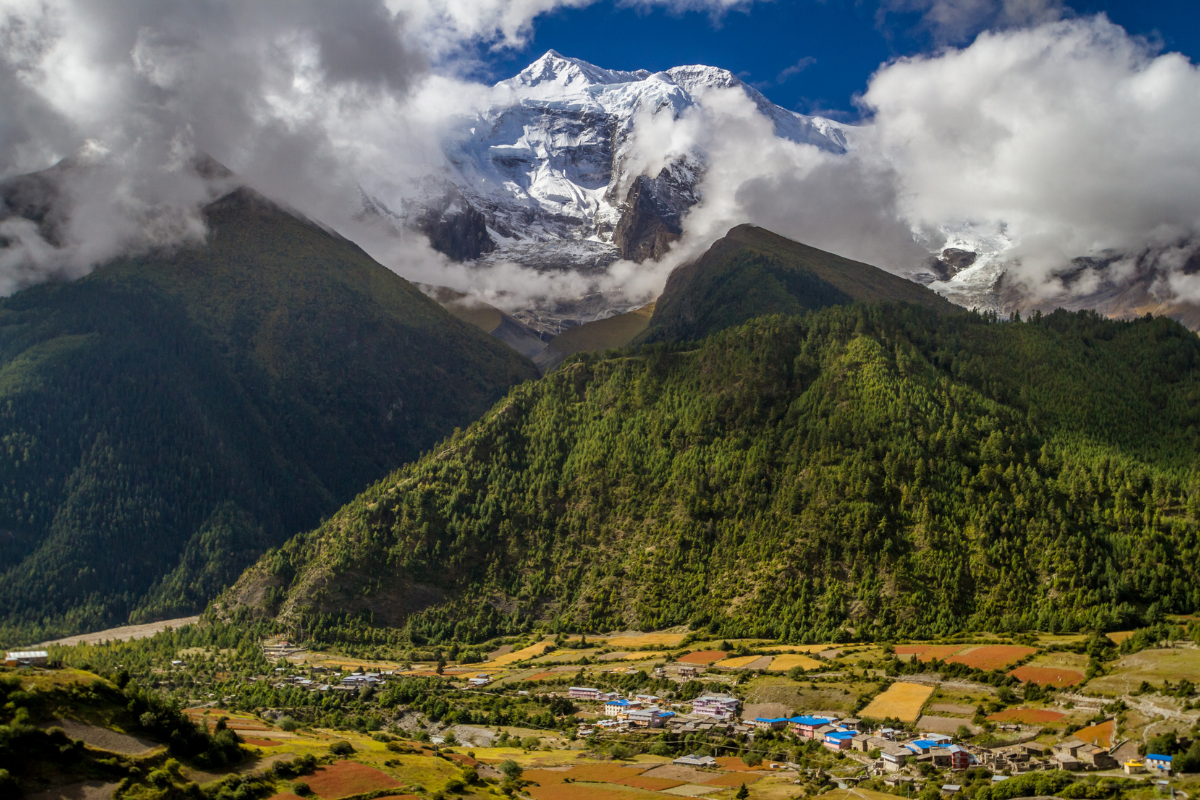
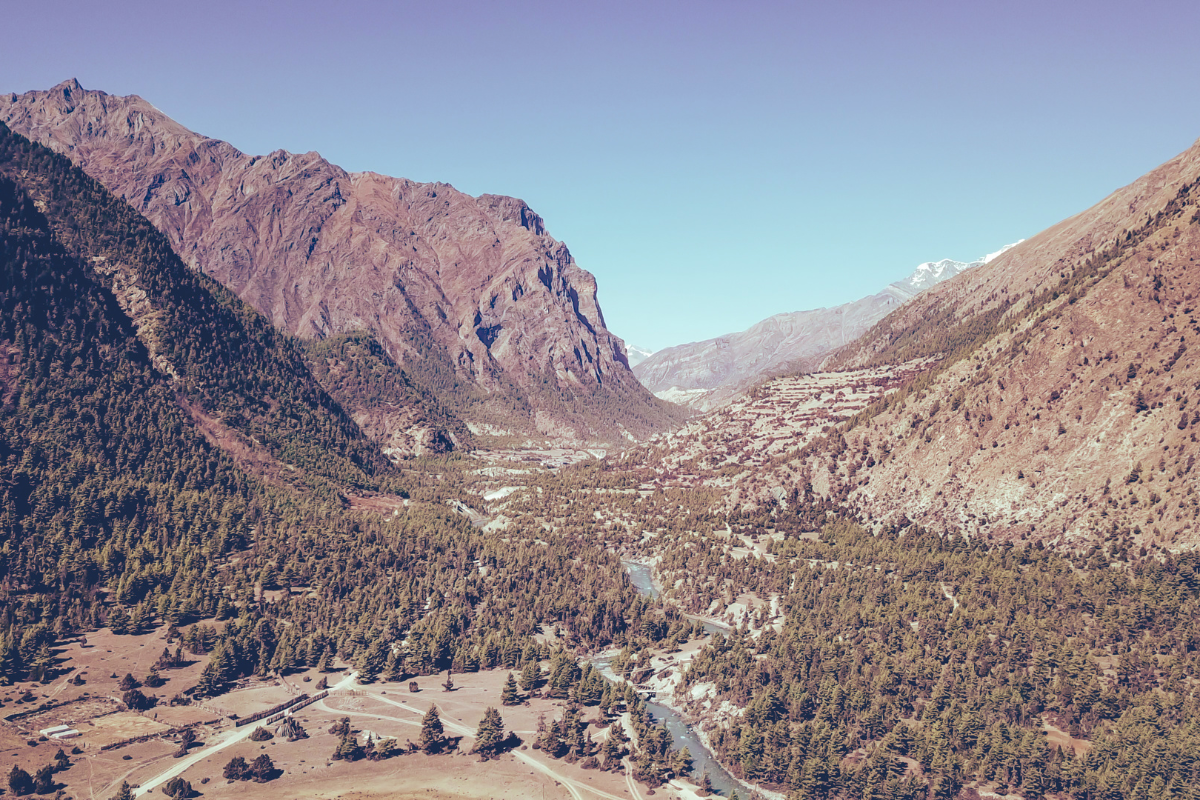
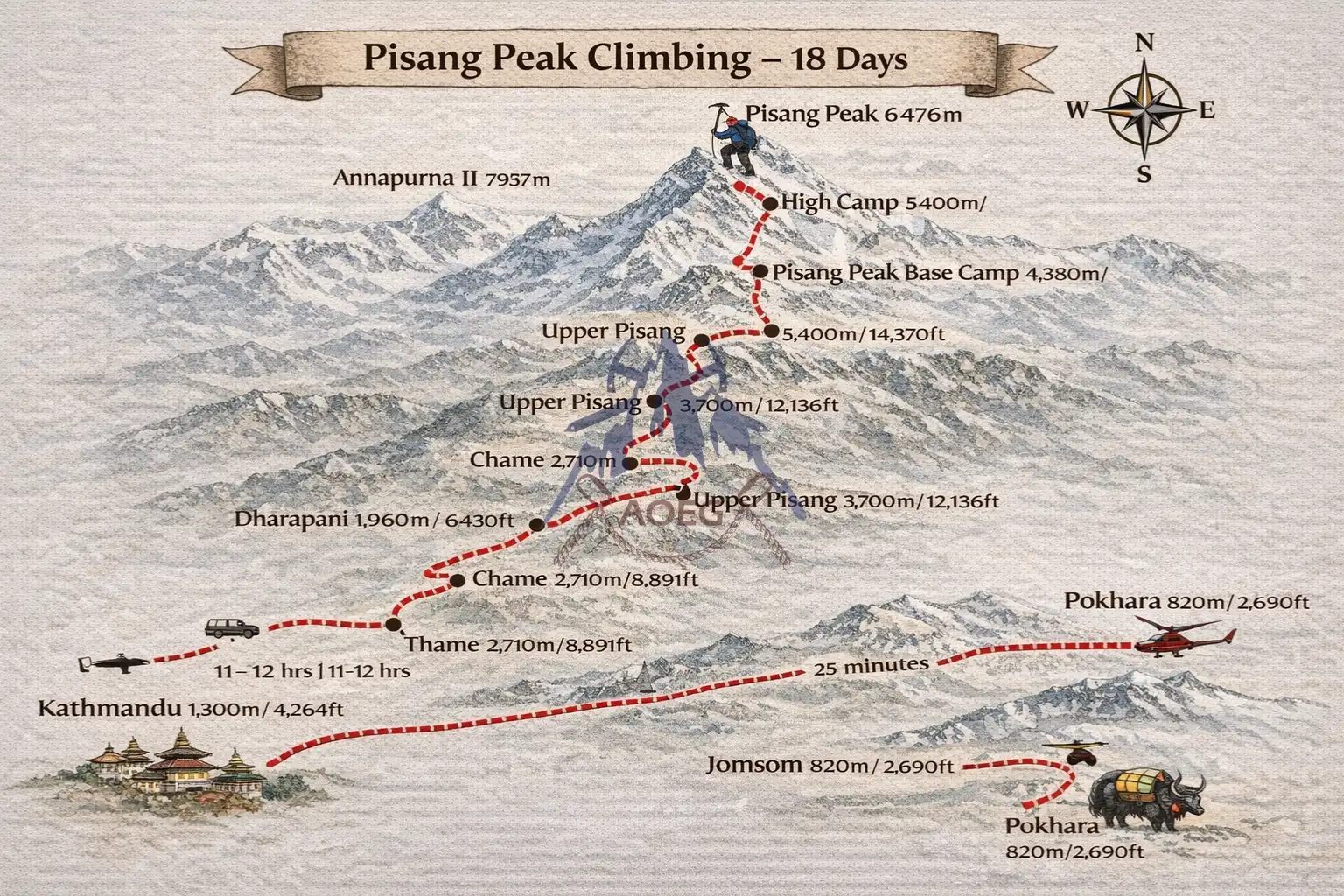
The expedition begins in Kathmandu, where participants prepare for the adventure with gear checks, briefings, and permit arrangements. The journey then moves through lush forests, terraced valleys, and charming villages before reaching the high-altitude landscapes of Upper Pisang, the base camp, and the summit. Along the way, climbers experience breathtaking views of the Annapurna and Manaslu ranges, glaciers, and serene alpine landscapes.
Designed for adventurers with moderate to advanced trekking experience, the Pisang Peak Expedition emphasizes safety, proper acclimatization, and enjoyment. Daily treks are carefully planned to balance physical challenge with recovery, allowing participants to reach the summit with confidence. This expedition offers not only the thrill of high-altitude climbing but also cultural immersion, encounters with local communities, and unforgettable Himalayan scenery.
Whether you are a seasoned mountaineer or a trekking enthusiast seeking your first 6,000-meter summit, the Pisang Peak Expedition promises adventure, achievement, and memories that will last a lifetime.
Highlights of Pisang Peak Expedition
The Pisang Peak Expedition is not just a climb—it’s a complete Himalayan experience. From trekking through lush valleys and alpine meadows to standing atop a 6,091-meter summit, every moment is filled with adventure, culture, and stunning landscapes. This expedition offers a perfect balance of trekking, high-altitude climbing, and cultural immersion, making it ideal for both enthusiastic trekkers and aspiring mountaineers.
Key Highlights
- Summit Pisang Peak (6,091m / 19,980ft): Achieve the thrill of standing on a Himalayan peak with panoramic views of Annapurna, Manaslu, and surrounding high mountains.
- Scenic Trekking Routes: Walk through terraced farmlands, rhododendron forests, and alpine meadows, offering breathtaking scenery and photography opportunities.
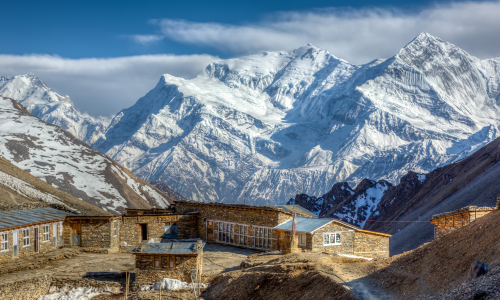
- Remote Himalayan Villages: Explore Upper Pisang, Manang, and Thorong Phedi, witnessing local culture, traditional architecture, and Buddhist monasteries.
- High-Altitude Camping Experience: Stay in base and high camps, enjoying crisp mountain air, starry skies, and serene surroundings.
- Glacial and Mountain Views: Trek near glaciers, moraines, and snow-capped peaks, giving climbers a close encounter with Himalayan landscapes.
- Cultural Immersion: Experience the lifestyle, traditions, and hospitality of local communities along the route.
- Adventure with Safety: Professional guides, Sherpas, and well-planned logistics ensure safe acclimatization and smooth summit attempts.
- Once-in-a-Lifetime Experience: Less crowded than Everest or Annapurna, this expedition offers solitude, serenity, and personal achievement amidst the majestic Himalayas.
This combination of trekking, climbing, culture, and nature makes the Pisang Peak Expedition a truly unforgettable Himalayan adventure.
Required Permits for Pisang Peak Expedition
Climbing Pisang Peak requires several official trekking and climbing permits to ensure safety, legality, and environmental protection. All participants must obtain the Annapurna Conservation Area Permit (ACAP), which grants access to the protected Annapurna region. Additionally, a Trekkers’ Information Management System (TIMS) card is mandatory for all trekkers, helping authorities monitor visitor safety and track trekking routes.
For the summit of Pisang Peak, a special climbing permit is also required, which is issued by the Nepal Ministry of Tourism. These permits are generally arranged by your registered tour operator, saving you time and ensuring all legal formalities are properly handled. By securing these permits, climbers can focus on the adventure while respecting local regulations, contributing to environmental conservation, and enjoying a safe, well-organized high-altitude expedition.
Best Season to Climb Pisang Peak
Choosing the right season is crucial for a safe, enjoyable, and successful Pisang Peak expedition. The mountain region experiences extreme weather changes, so timing your climb ensures clear skies, pleasant temperatures, and stable trekking conditions.
Ideal Seasons
Spring (March to May):
- The most popular time for climbers and trekkers.
- Weather is clear and moderate, with daytime temperatures suitable for trekking and climbing.
- Rhododendrons and alpine flowers bloom along the trails, creating vibrant landscapes.
- Snow conditions on Pisang Peak are generally stable, allowing for safer summit attempts.
Autumn (September to November):
- Considered the best post-monsoon season.
- Clear skies and excellent visibility provide spectacular views of Annapurna, Manaslu, and surrounding peaks.
- Moderate weather and dry trails make trekking and high-altitude climbing more comfortable.
- Less risk of landslides or slippery paths compared to the monsoon season.
Avoid Other Seasons
- Summer (June to August / Monsoon): Heavy rainfall makes trails slippery, rivers swollen, and increases the risk of landslides.
- Winter (December to February): Extremely cold temperatures, snow accumulation, and harsh winds make climbing dangerous.
Planning your expedition in spring or autumn ensures safety, optimal trekking conditions, and a rewarding high-altitude adventure, giving you the best chance to enjoy the summit and surrounding Himalayan landscapes.
Difficulty Level of Pisang Peak Expedition
The Pisang Peak Expedition is classified as moderate to advanced in difficulty. While it is less technically challenging than major Himalayan peaks like Everest or Manaslu, it still requires good physical fitness, endurance, and prior trekking experience.
The trek involves multi-day high-altitude walking, gradually ascending from 1,300m in Kathmandu to 6,091m at the summit. Climbers must be prepared for long trekking days, steep paths, and cold weather conditions at higher altitudes. Proper acclimatization is included in the itinerary, helping to minimize the risks of altitude sickness.
Participants should also be comfortable using basic climbing equipment, such as crampons and ropes, under the guidance of professional Sherpas and guides. This expedition is ideal for adventurers who are fit, motivated, and seeking a high-altitude Himalayan challenge while experiencing breathtaking landscapes and remote cultural villages.
Final Thoughts on Pisang Peak Expedition
The Pisang Peak Expedition is more than a climb—it’s a journey through the heart of the Annapurna region, combining adventure, culture, and breathtaking Himalayan landscapes. From trekking through remote villages and terraced farmlands to camping under the stars at high-altitude base and high camps, every day brings memorable experiences and personal achievement.
Reaching the summit of 6,091 meters (19,980 feet) provides not only a thrilling sense of accomplishment but also panoramic views of Annapurna, Manaslu, and surrounding peaks, a sight few ever witness firsthand. The expedition is carefully designed for safety, proper acclimatization, and enjoyment, guided by experienced professionals who ensure climbers can focus on the adventure rather than logistics.
Whether you are a first-time 6,000-meter climber or an experienced mountaineer, Alpine Outdoors & Expedition Guide Pvt. Ltd ensures this expedition promises unforgettable memories, cultural immersion, and a true Himalayan experience. Pisang Peak is a perfect choice for those seeking challenge, beauty, and adventure in one complete package.
 Instant Booking