
Overview of Annapurna Base Camp Trek
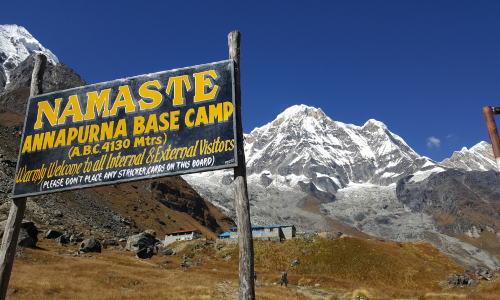
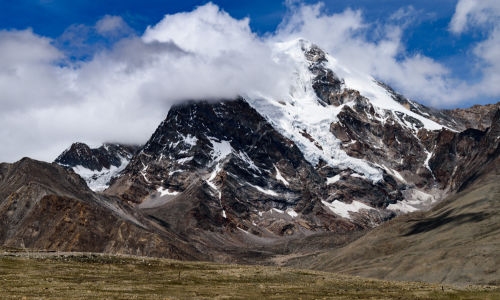
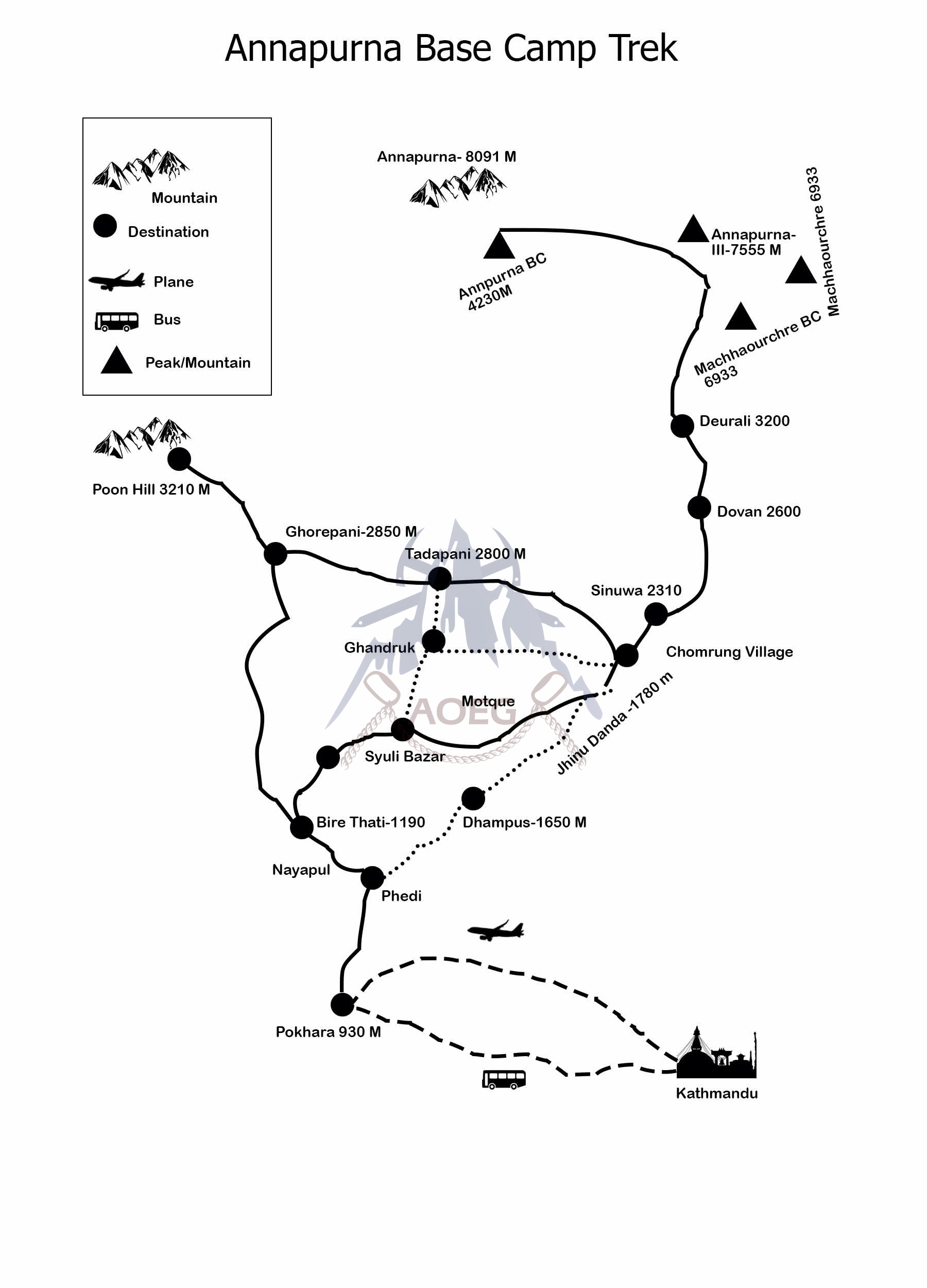
The Annapurna Base Camp (ABC) Trek is one of Nepal’s most iconic trekking experiences, offering a perfect combination of natural beauty, cultural immersion, and adventure. Spanning 12 days, this trek takes you through lush subtropical forests, terraced farmlands, and picturesque Himalayan villages, culminating at the Annapurna Base Camp (4,130m / 13,549ft). While the maximum altitude reached is 4,130 meters at ABC, trekkers also enjoy spectacular viewpoints like Poon Hill (3,210m / 10,531ft), which provides panoramic sunrise views over the Annapurna and Dhaulagiri ranges.
Starting in the vibrant city of Kathmandu (1,400m / 4,593ft), the journey includes a scenic flight to Pokhara, followed by an adventurous drive and trek into the heart of the Annapurna region. The trek passes through traditional Gurung and Magar villages, allowing trekkers to witness authentic Nepali culture, ancient temples, and stone-paved trails lined with rhododendron forests.
Unlike higher technical climbs, the ABC Trek is moderate in difficulty, making it accessible to trekkers with reasonable fitness levels. The route is well-established, with tea houses, lodges, and local hospitality providing comfort and convenience throughout the journey. Along the way, trekkers enjoy breathtaking views of snow-capped peaks, waterfalls, glacial moraines, and diverse flora and fauna.
This trek is ideal for those seeking an adventurous yet comfortable Himalayan experience, combining trekking, cultural exposure, and photography opportunities. With proper acclimatization and professional guides, the ABC Trek offers an unforgettable journey to one of the world’s most beautiful mountain landscapes.
Highlights of Annapurna Base Camp Trek
The Annapurna Base Camp Trek is packed with experiences that make it unforgettable:
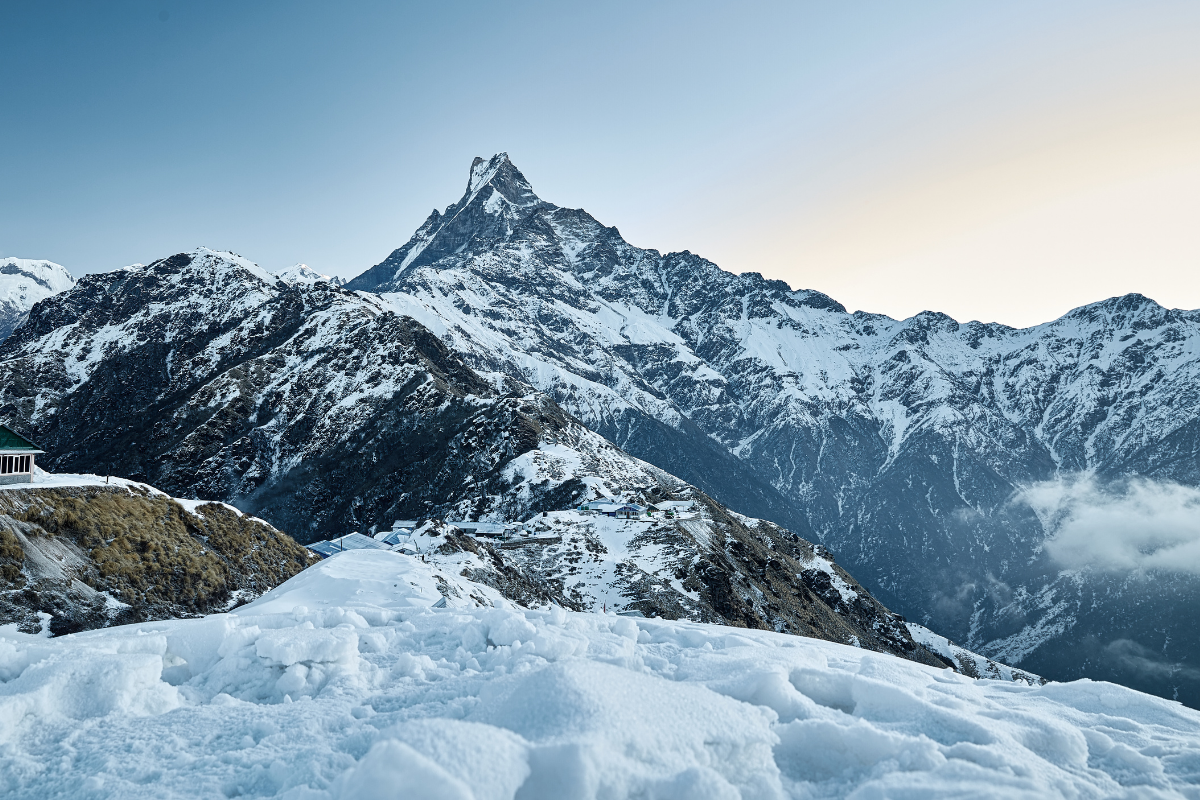
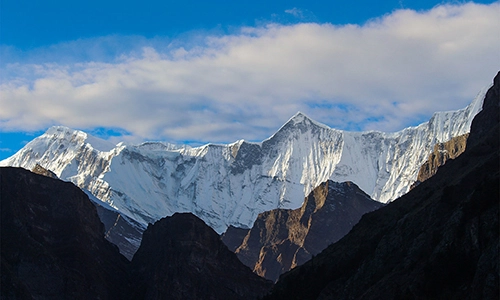
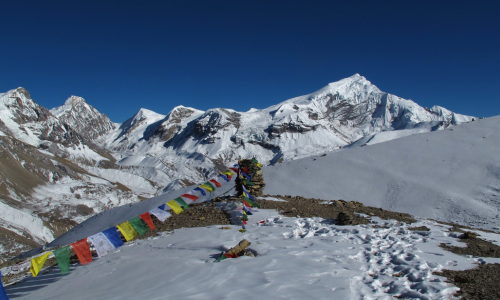
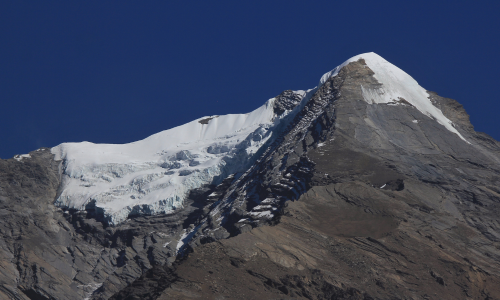
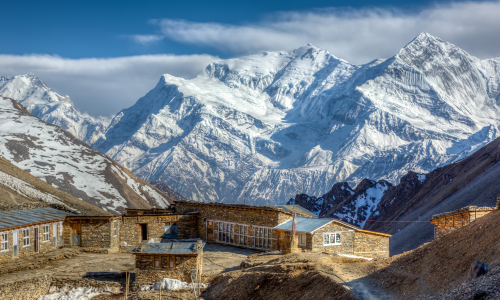
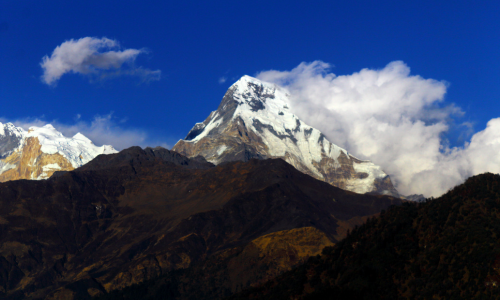
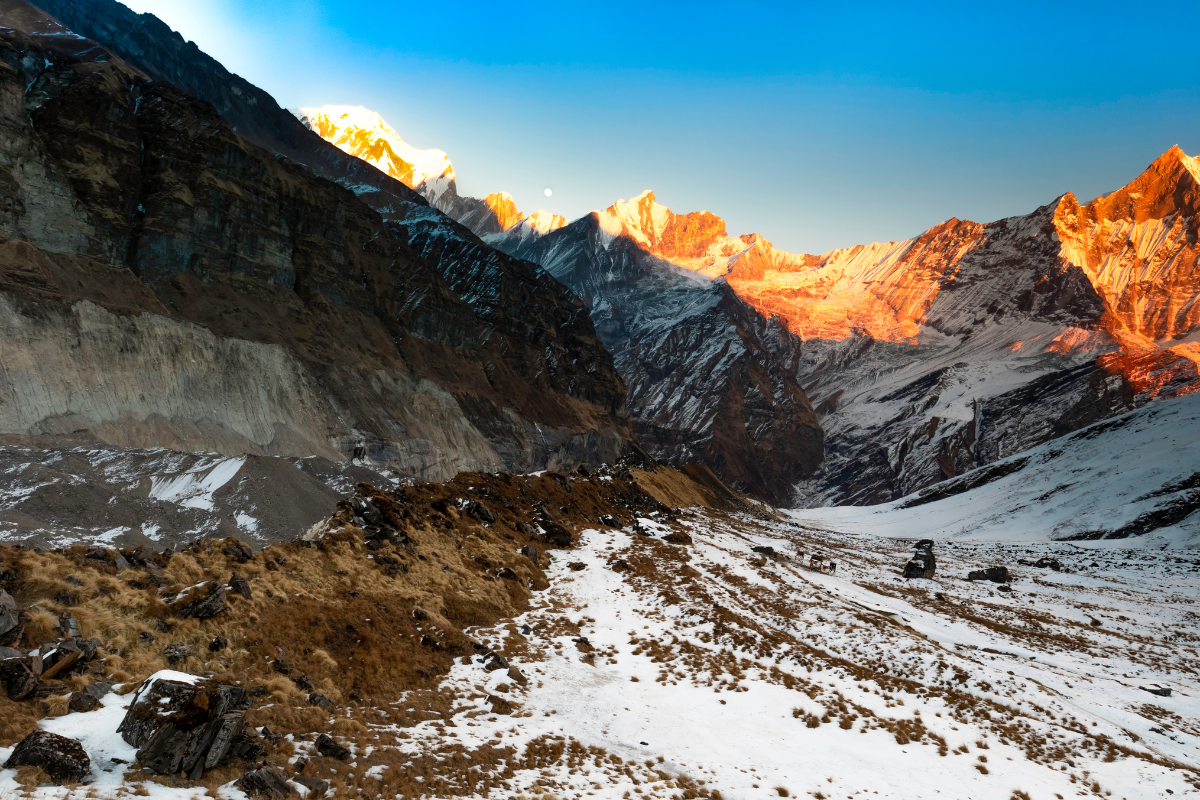
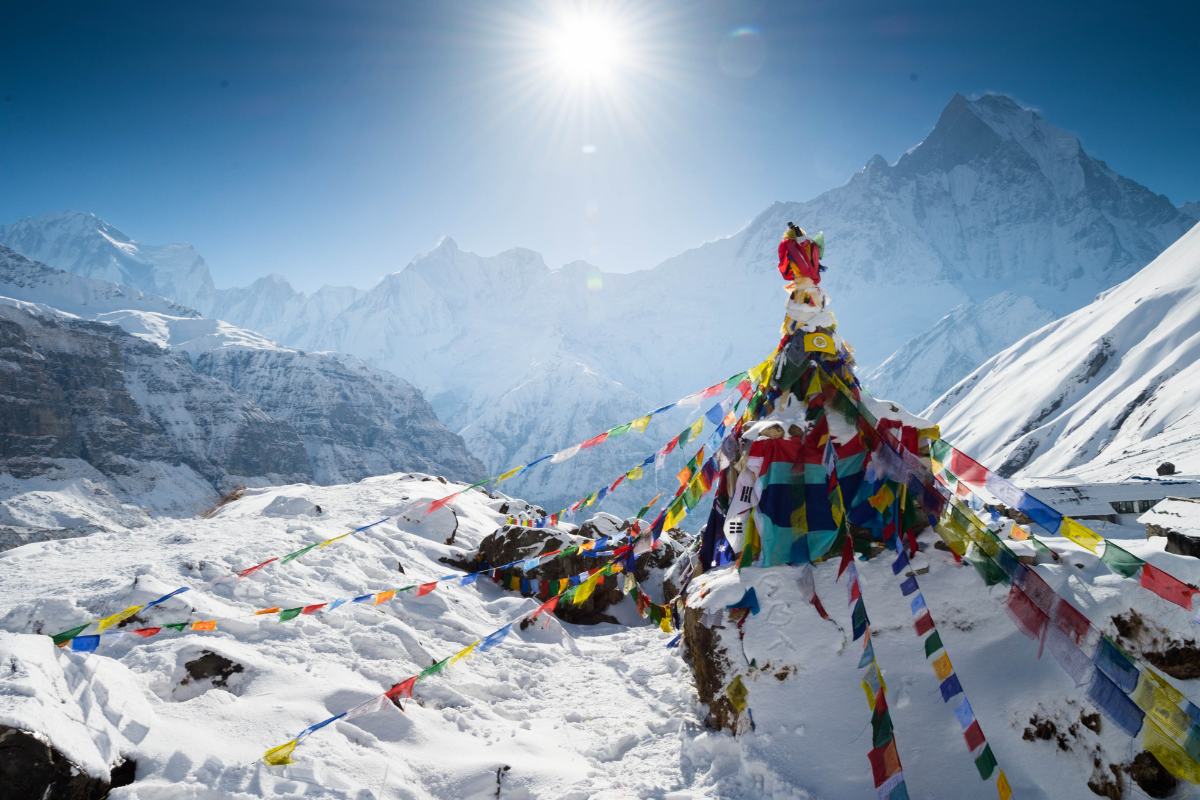
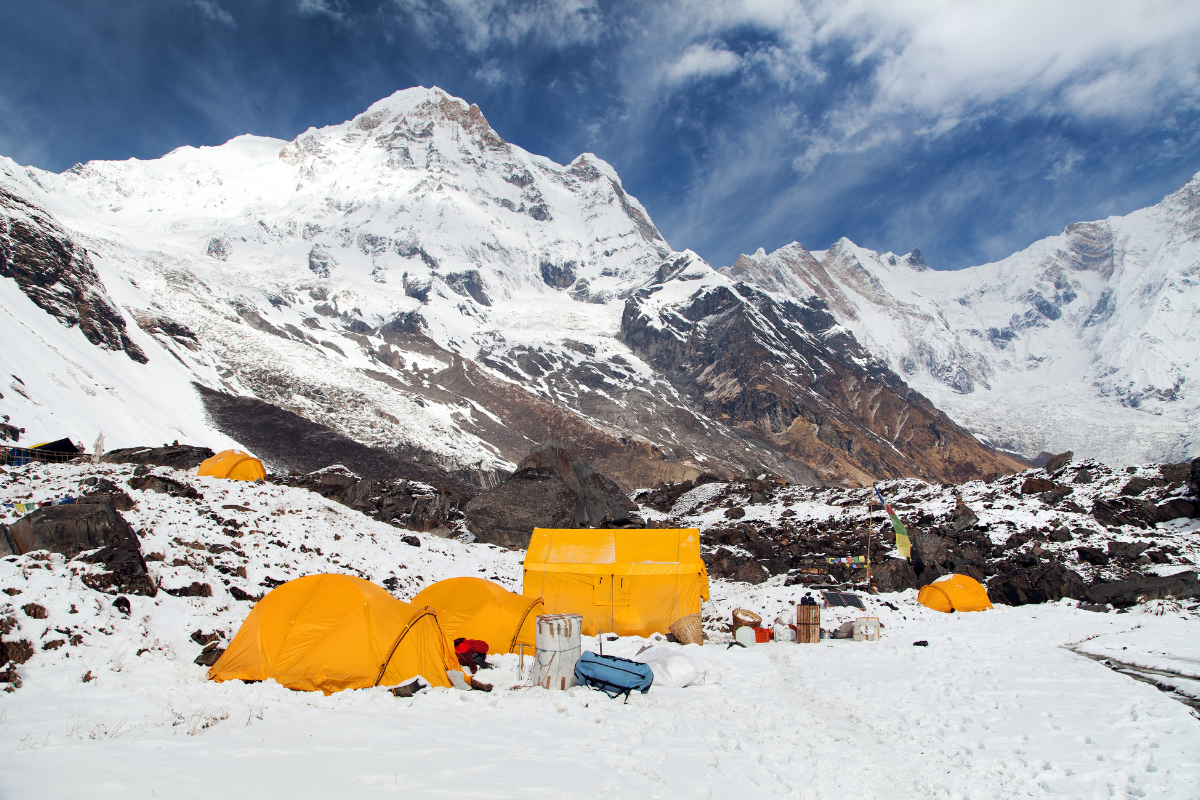
- Panoramic Himalayan Views: Witness 360-degree views of iconic peaks such as Annapurna I, Annapurna South, Machhapuchhre, Hiunchuli, and Dhaulagiri.
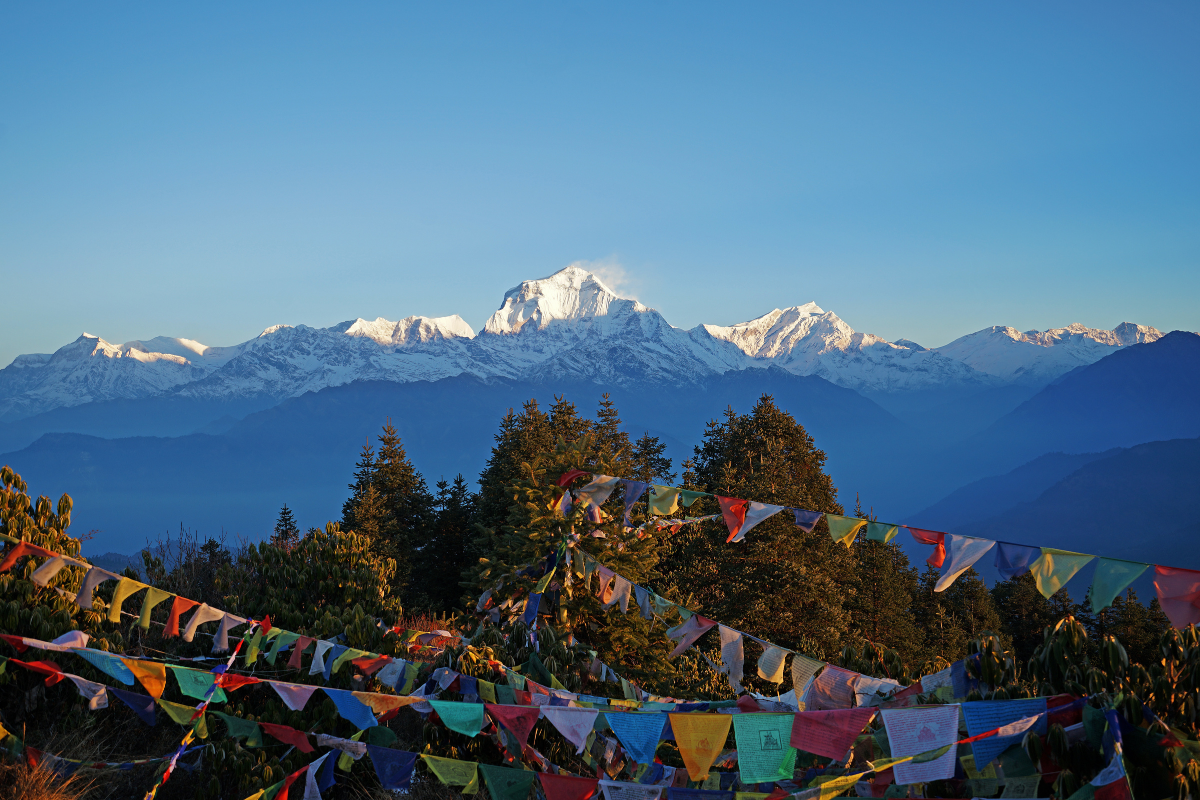
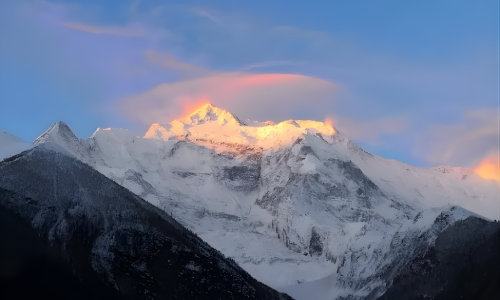
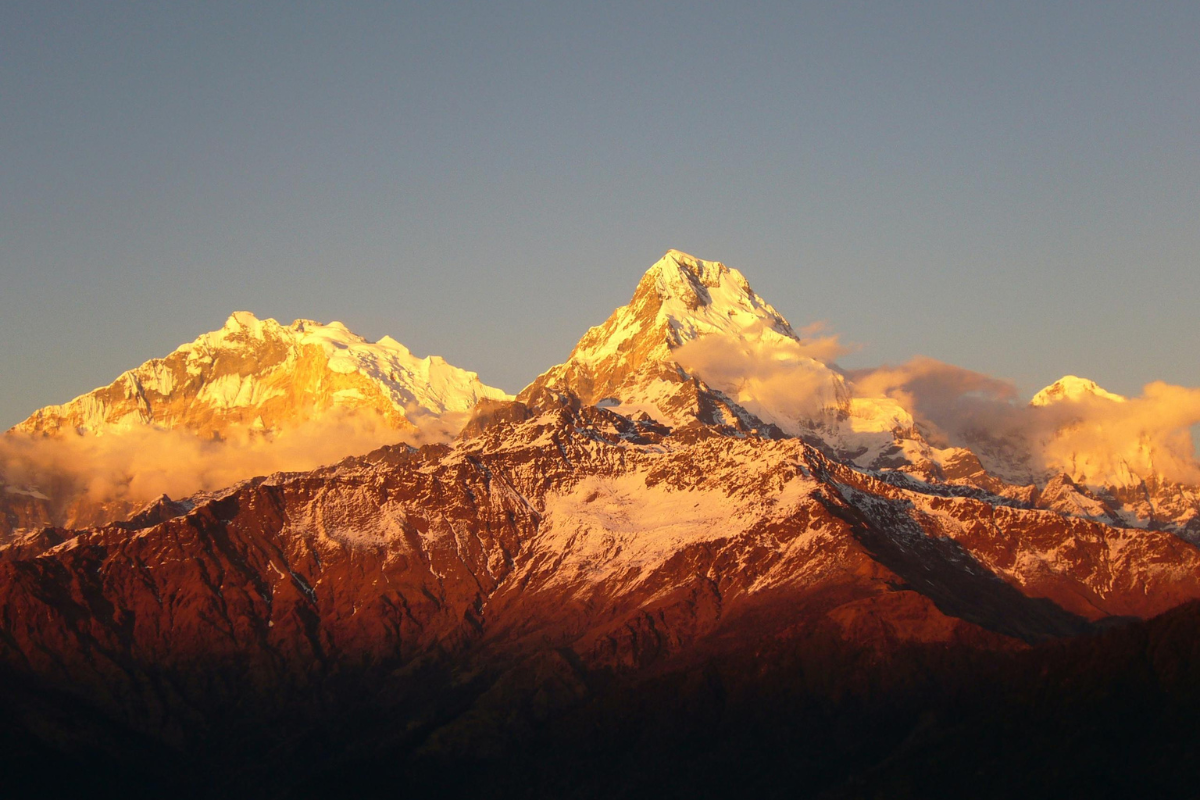
- Sunrise at Poon Hill: Start your day early to see the golden sunlight illuminate the snow-capped Himalayas, one of the most iconic sights in Nepal.
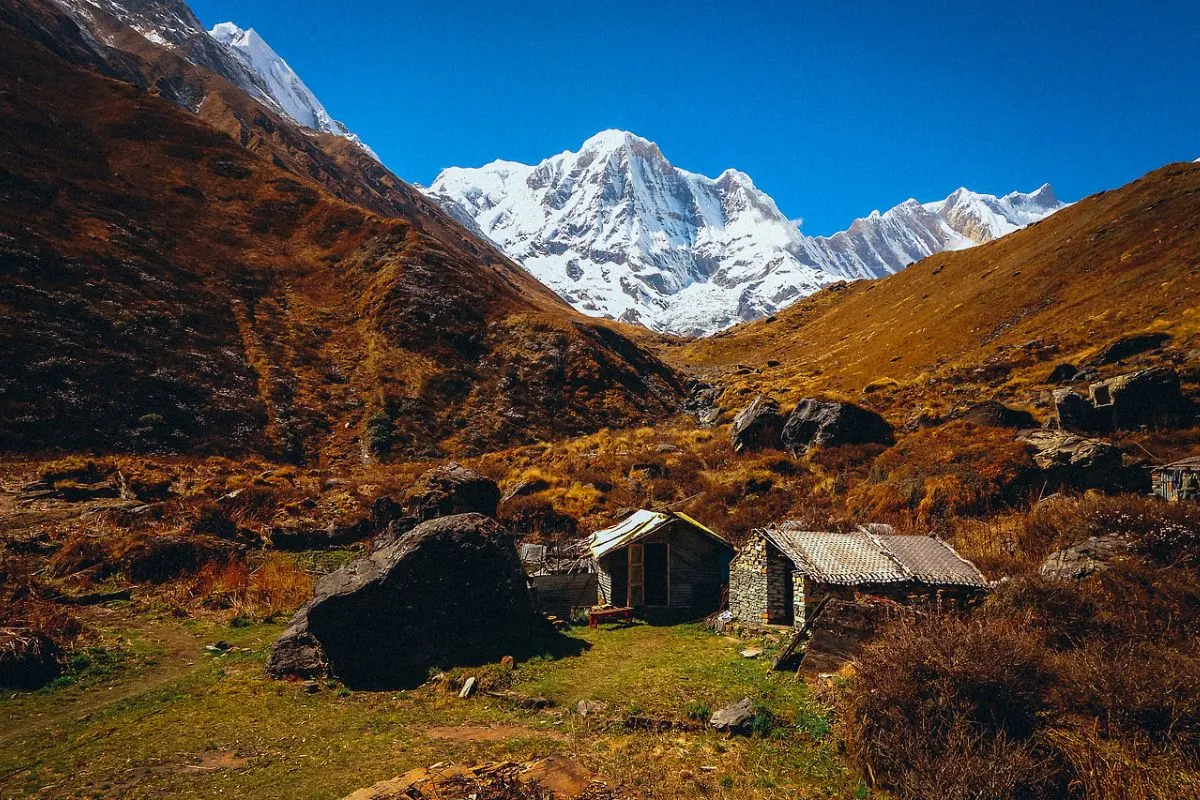
- Diverse Landscapes: Trek through subtropical forests, terraced farmland, rhododendron blooms, alpine meadows, and rugged high-altitude terrain.
- Traditional Villages: Explore Gurung and Magar villages, meet friendly locals, and experience authentic culture and hospitality.
- Hot Springs at Jhinu Danda: Relax in natural thermal hot springs, a perfect way to soothe tired muscles after several days of trekking.
- Tea House Accommodation: Stay in cozy lodges along the route, enjoying home-cooked Nepali meals and warmth of local hospitality.
- Photography Opportunities: From waterfalls and suspension bridges to Himalayan peaks, every step of the trek offers picture-perfect moments.
- Moderate Adventure: Suitable for trekkers with basic fitness, offering a balance of adventure, nature, and comfort.
Permits for Annapurna Base Camp Trek
Trekking to Annapurna Base Camp (ABC) requires official permits to ensure safety, regulation, and conservation of the region. The two main permits are the Annapurna Conservation Area Permit (ACAP) and the Trekkers’ Information Management System (TIMS) Card.
The ACAP permit is mandatory for all trekkers entering the Annapurna region. It helps manage and preserve the natural and cultural heritage of the area while supporting local communities. The TIMS card is issued to foreign trekkers and serves as a tracking and safety system, providing authorities with necessary information in case of emergencies.
Both permits can be obtained in Kathmandu or Pokhara through authorized agencies or your trekking operator. Carry a valid passport and two passport-sized photos for verification. These permits are essential for a legal, safe, and hassle-free trek, allowing you to fully enjoy the breathtaking landscapes of the Annapurna region.
Best Season to Trek Annapurna Base Camp
The Annapurna Base Camp Trek is best attempted during the pre-monsoon (spring: March to May) and post-monsoon (autumn: September to November) seasons. These periods offer the most favorable weather, clear skies, and optimal conditions for trekking, sightseeing, and photography.
Spring (March–May)
Spring brings moderate temperatures, abundant sunshine, and vibrant rhododendron forests in full bloom along the trails. The valleys, alpine meadows, and terraced farmland are alive with color, creating a breathtaking backdrop for trekking and acclimatization. Clear skies and mild weather make the trek comfortable and enjoyable.
Autumn (September–November)
Autumn is widely considered the most popular trekking season in the Annapurna region. Skies are usually clear, providing unobstructed views of Annapurna, Dhaulagiri, Machhapuchhre, and surrounding peaks. Stable weather ensures safer trails and comfortable daytime temperatures. Crisp air enhances visibility and makes photography and sightseeing spectacular.
Seasons to Avoid
The summer monsoon (June–August) brings heavy rainfall, slippery trails, and landslide risks, making trekking challenging. Winter (December–February) is very cold at high altitudes, with snow and ice on the trails, which can make trekking difficult and less enjoyable.
Planning your Annapurna Base Camp Trek in spring or autumn ensures safety, stunning scenery, and the best overall experience, making your journey an unforgettable Himalayan adventure.
Difficulty Level of Annapurna Base Camp Trek
The Annapurna Base Camp (ABC) Trek is considered moderate in difficulty, making it suitable for trekkers with a reasonable level of fitness and some prior trekking experience. Daily walking ranges from 5 to 8 hours, often on uneven, rocky, or steep trails, requiring stamina and endurance. While no technical climbing skills are needed, trekkers must be comfortable with long hours of walking, altitude changes, and carrying a small daypack.
The trek gradually ascends to 4,130 meters at ABC, allowing time for proper acclimatization to reduce the risk of altitude sickness. Trails pass through subtropical forests, terraced fields, and alpine landscapes, offering a variety of terrains that challenge and reward trekkers alike.
With well-marked paths, tea houses for rest, and professional guides, the ABC Trek balances adventure and safety, providing a memorable high-altitude experience for those ready to explore the Annapurna region.
Final Thoughts on Annapurna Base Camp Trek
The Annapurna Base Camp Trek is more than a journey—it’s an immersive adventure through some of Nepal’s most stunning landscapes. From the lush rhododendron forests and terraced valleys to the towering peaks of Annapurna, Dhaulagiri, and Machhapuchhre, every step offers breathtaking views and memorable experiences. Highlights like sunrise at Poon Hill, the serene villages of Ghorepani and Chomrong, and relaxing in the natural hot springs at Jhinu Danda make this trek truly unforgettable.
Designed for trekkers with moderate fitness, the ABC Trek provides a perfect balance of adventure, culture, and comfort, with tea houses along the trail and professional guides ensuring safety. Whether you are a first-time trekker or a seasoned adventurer, this trek promises spectacular scenery, cultural immersion, and a profound sense of achievement.
Take the first step toward your Himalayan adventure today—book your Annapurna Base Camp Trek and create memories that will last a lifetime.

 Instant Booking