
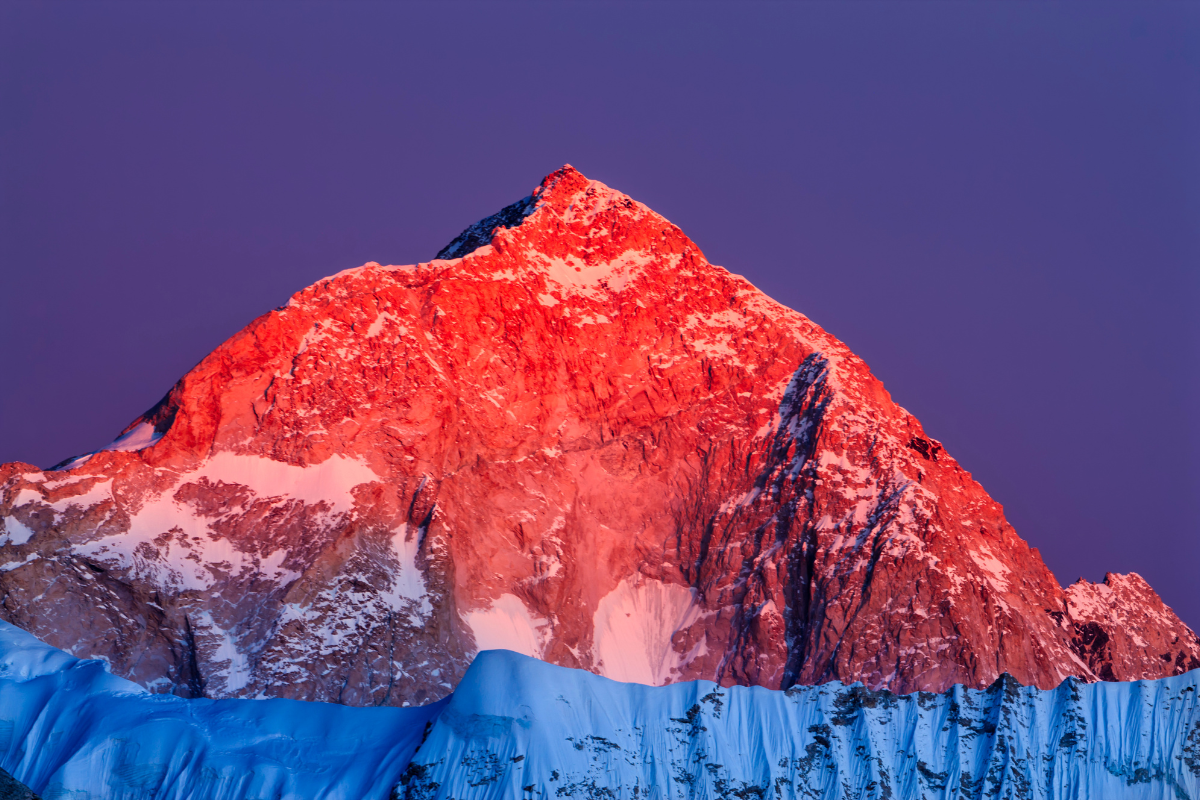
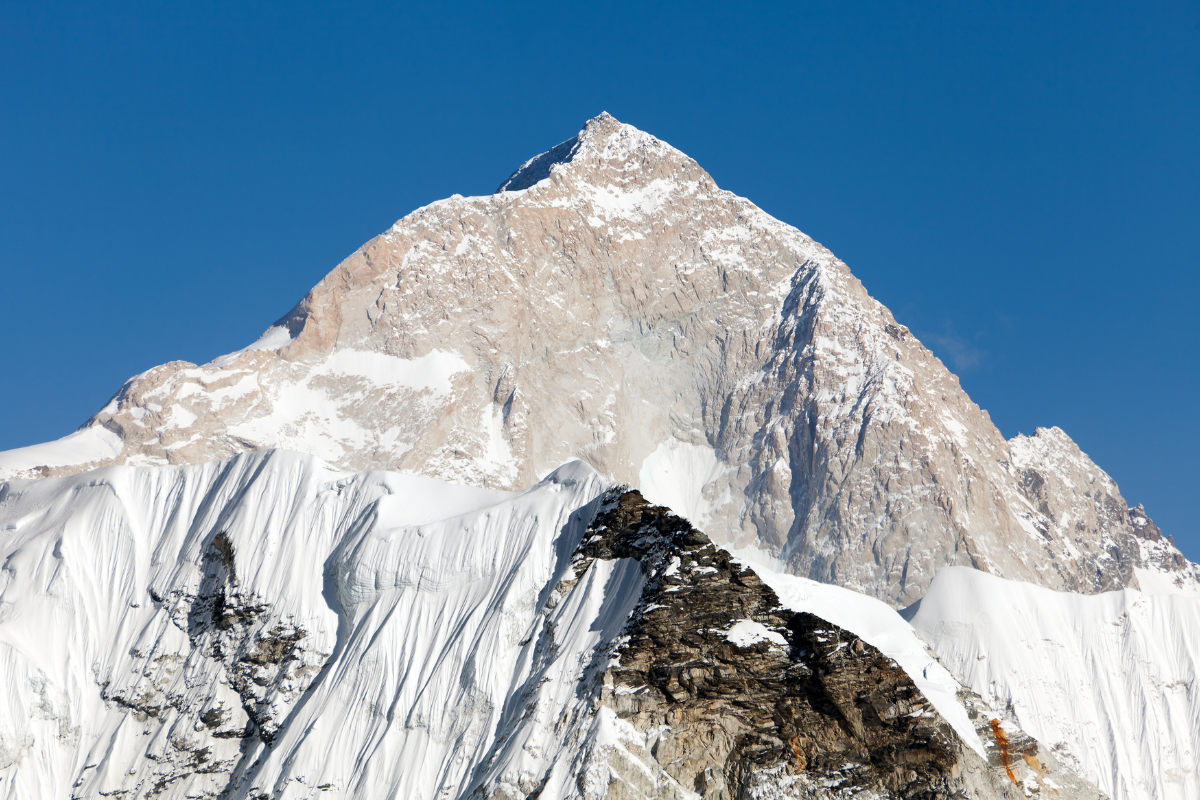
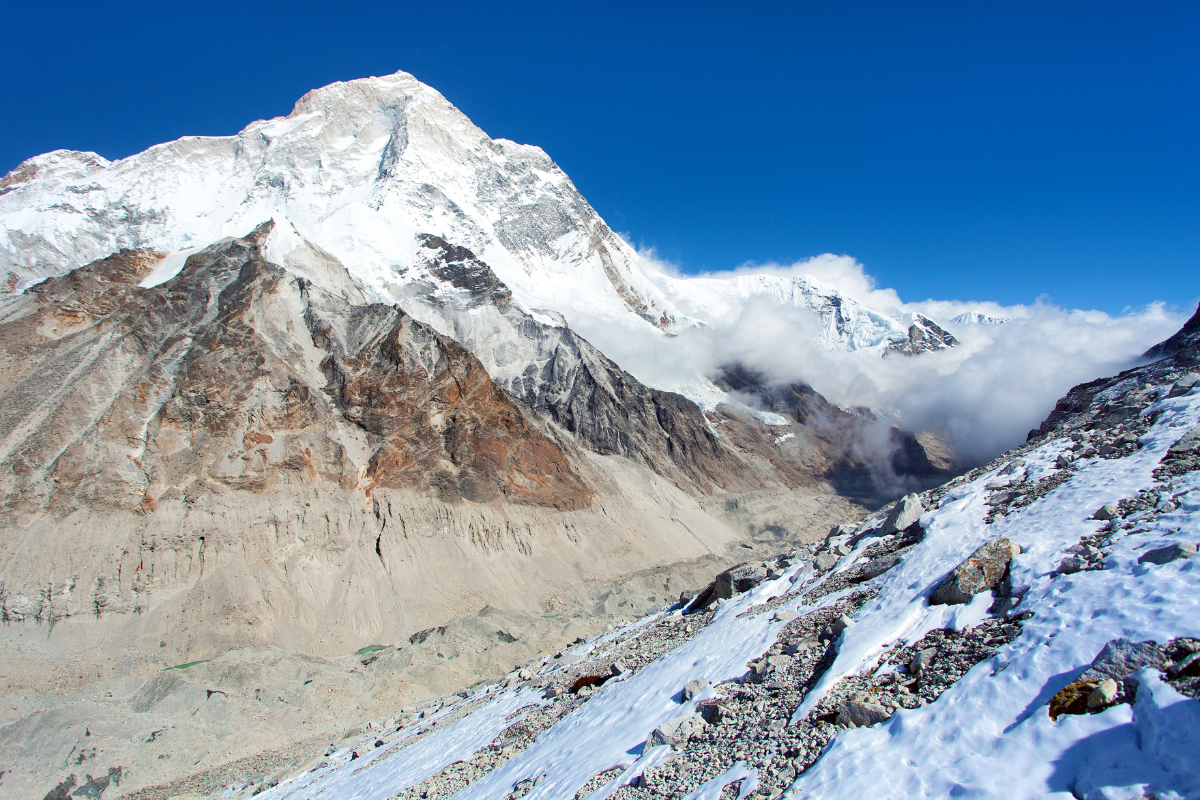
Mt. Makalu Expedition Overview
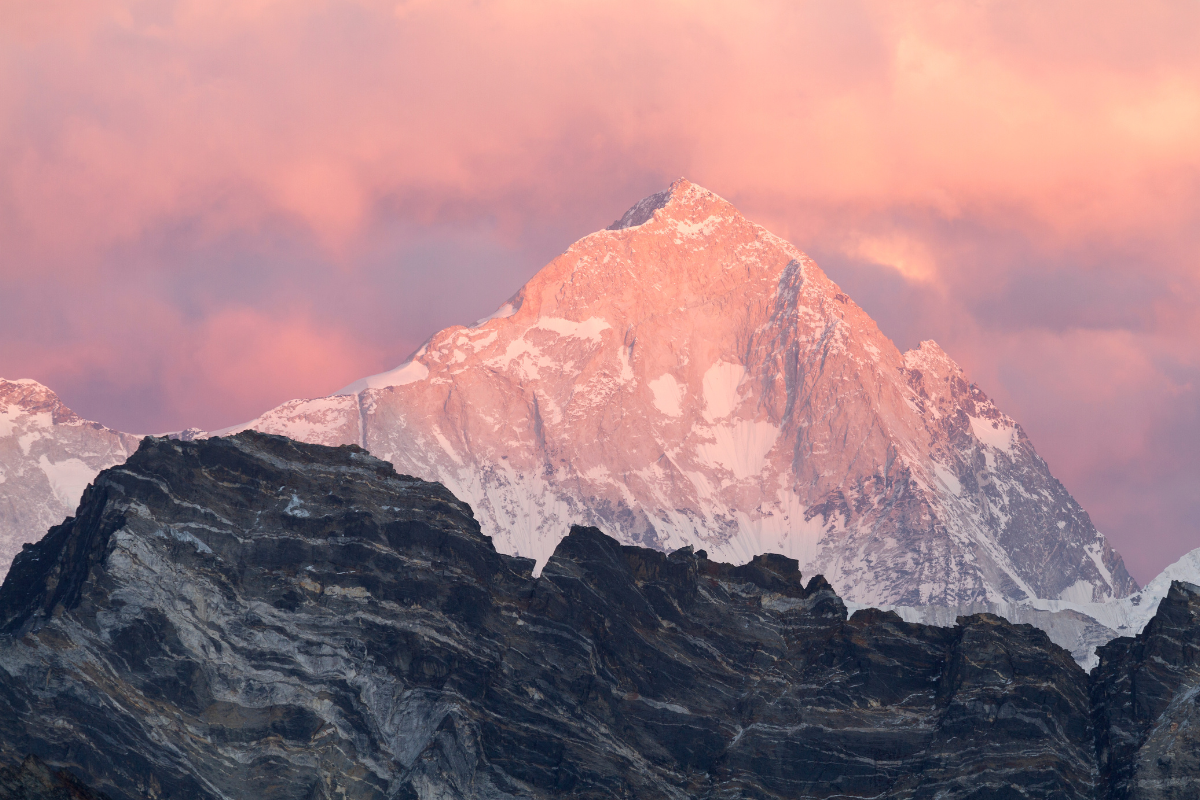
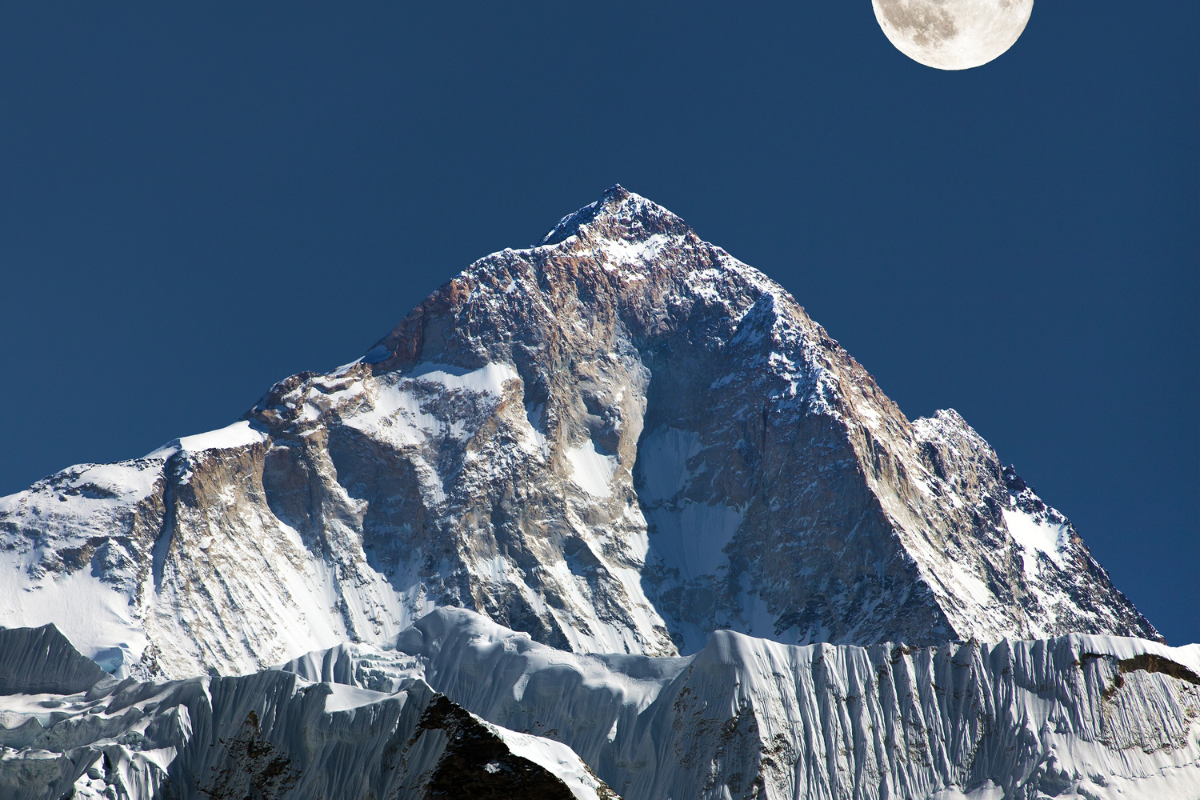
The Mt. Makalu Expedition is an extraordinary adventure for serious mountaineers seeking to challenge themselves on one of the world’s tallest peaks. Standing at 8,463 meters (27,766 feet), Makalu is the fifth highest mountain on Earth and is known for its steep ridges, sharp faces, and remote location. Unlike Everest or Cho Oyu, Makalu remains less crowded, offering climbers solitude, pristine landscapes, and an authentic high-altitude experience.
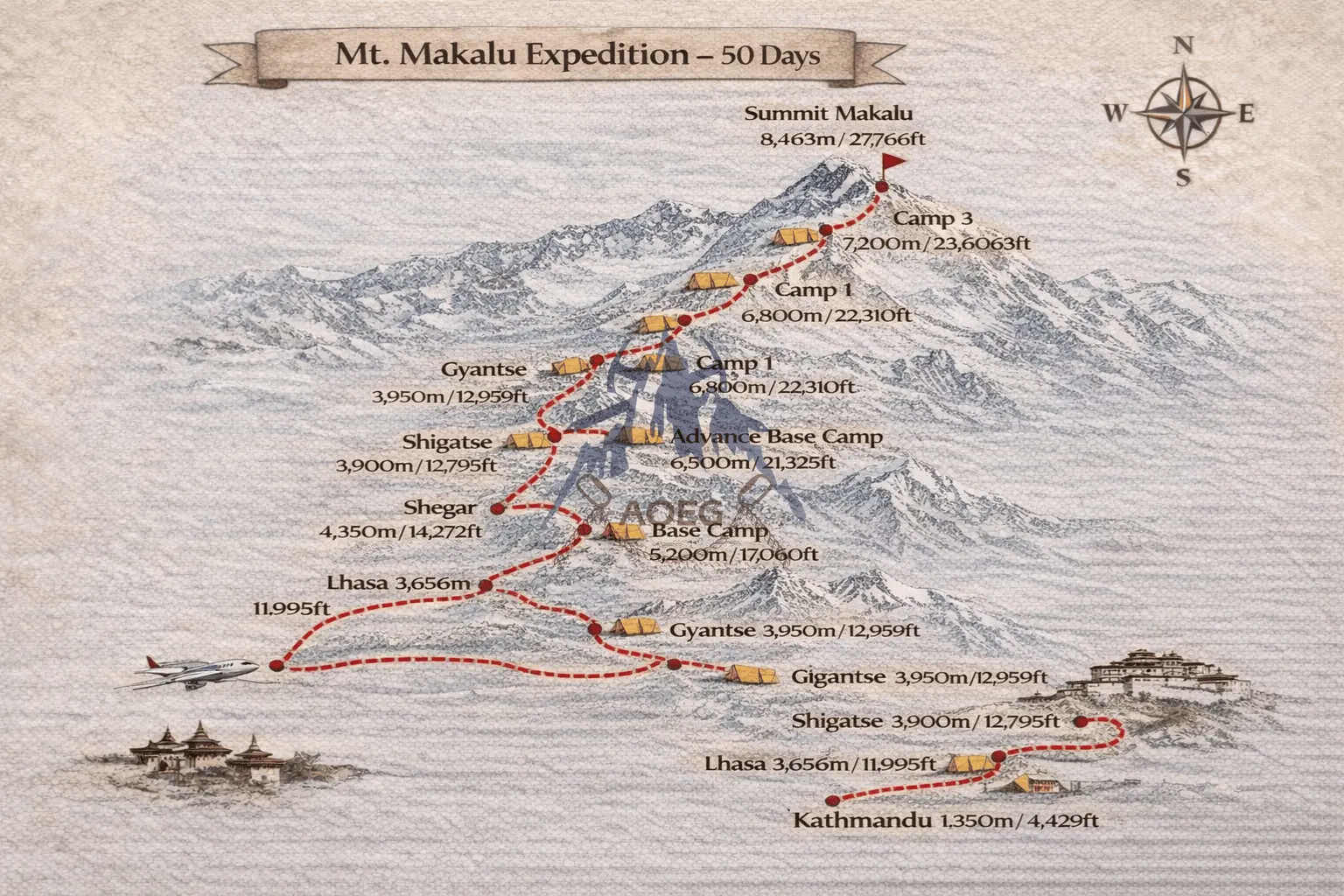
This 64-day journey combines trekking, cultural immersion, and technical climbing, making it a complete Himalayan expedition. Participants begin in Kathmandu, Nepal’s bustling capital, where they prepare for the journey with briefings, equipment checks, and exploration of local culture. From there, the expedition moves to Tibet, flying to Lhasa and traveling through Gyantse, Shigatse, and Shegar. This overland journey introduces adventurers to the Tibetan plateau, dotted with monasteries, prayer flags, and traditional villages, giving a unique cultural perspective alongside the Himalayan adventure.
The trek to Makalu Base Camp involves scenic drives and moderate trekking, allowing climbers to acclimatize gradually while enjoying the beauty of the high Himalayas. The Base Camp, located at 5,200 meters, is a hub of activity where climbers organize gear, receive briefings from Sherpas, and begin high-altitude training. From there, climbers ascend to Intermediate Camp (6,200m) and Advance Base Camp (6,500m), following a carefully planned acclimatization schedule to maximize safety and summit success.
Climbing Makalu requires advanced mountaineering skills, including experience with high-altitude terrain, technical ice and rock climbing, and the use of ropes, crampons, and ice axes. Despite its difficulty, the expedition is designed with rotations between camps, rest days, and professional support to ensure climbers can focus on the thrill of the ascent without being burdened by logistics.
One of the most remarkable aspects of the Mt. Makalu Expedition is the stunning scenery along every stage. From Tibetan grasslands and plateau vistas to the rugged slopes of the Mahalangur Himal, climbers experience unparalleled Himalayan beauty. Remote villages, traditional Tibetan culture, and the serenity of high-altitude landscapes combine to make this journey both spiritually and physically enriching.
By the time climbers reach the summit, they are rewarded with breathtaking panoramic views of Everest, Lhotse, Cho Oyu, and other Himalayan giants, alongside a profound sense of achievement. The descent, return through Tibet, and arrival back in Kathmandu provide time for reflection, celebration, and cultural exploration, rounding out an epic adventure of a lifetime.
Whether you are a seasoned mountaineer looking for your next challenge or an experienced climber seeking a rare 8,000-meter peak, the Mt. Makalu Expedition offers a combination of adventure, culture, and nature that few experiences in the world can match.
Key Highlights of Mt. Makalu Expedition
The Mt. Makalu Expedition offers experiences that few expeditions in the world can match:
- Summit Makalu (8,463m / 27,766ft): Experience the thrill and sense of achievement on the fifth highest peak in the world.
- Remote Himalayan Wilderness: Explore untouched landscapes and high-altitude trails with breathtaking panoramas.
- Tibetan Culture: Travel through Lhasa, Gyantse, Shigatse, and Shegar, witnessing Buddhist monasteries, prayer flags, and traditional Tibetan life.
- High-Altitude Climbing Camps: Stay at advanced base camps and intermediate camps, experiencing the Himalayan environment up close.
- Adventure with Safety: The expedition is guided by expert mountaineers and Sherpas, ensuring proper acclimatization and risk management.
- Once-in-a-Lifetime Experience: A rare opportunity to climb a technical 8,000-meter peak that is far less crowded than Everest or Cho Oyu.
- This expedition is not just a climb—it is a complete Himalayan adventure blending nature, culture, and mountaineering.
Required Permits for Mt. Makalu Expedition
Climbing Mt. Makalu involves traveling through Tibet and entering a high-altitude expedition zone, so obtaining the necessary permits is essential. These permits ensure legal access, safety, and smooth coordination with local authorities. The following are the key permits required for the Mt. Makalu Expedition:
- Tibet Travel Permit
Mandatory for all foreign travelers entering Tibet. This permit allows you to visit Lhasa, Gyantse, Shigatse, and other Tibetan regions along the route. - Foreign Expedition Permit
Required specifically for climbing Mt. Makalu. This permit is issued by the Chinese authorities and ensures that your expedition is recognized and monitored. - Local Liaison Fees
Covers the services of local guides, coordination with authorities, and logistical support within Tibet. - Base Camp and High-Altitude Access Permits
Ensures climbers are allowed to establish Base Camp at 5,200m and move to Advance Camps during the summit attempt. - Additional Permit Fees (Optional)
May include fees for photography, environmental conservation, or specialized route access depending on local regulations.
Obtaining these permits is typically handled by the tour operator, who ensures all documentation is completed before departure. Proper permits not only make your expedition legal but also guarantee smoother travel, safer operations, and compliance with local rules, allowing you to focus entirely on your climb and the adventure ahead.
Best Season to Climb Mt. Makalu
The ideal time to climb Mt. Makalu is during the pre-monsoon (spring) and post-monsoon (autumn) seasons, when weather conditions are stable and visibility is excellent.
- Spring (March to May)
This is one of the most popular seasons for high-altitude expeditions. The skies are usually clear, temperatures are moderate, and the Himalayan landscape is at its most vibrant. Spring offers longer daylight hours, reduced snow hazards on the route, and excellent conditions for summit attempts. - Autumn (September to November)
Autumn is considered the prime climbing season. The monsoon has passed, leaving crisp, clear skies and spectacular panoramic views of the Himalayan peaks. Temperatures are stable, trails are dry, and climbing conditions are generally ideal. - Avoid winter (December to February) due to extremely cold temperatures, heavy snow, and high avalanche risks. Summer (June to August) is not recommended because of monsoon rains, slippery trails, and poor visibility.
Climbing during spring or autumn ensures a safer, more comfortable expedition, with the best opportunities to enjoy the stunning Himalayan scenery and successful summit attempts.
Difficulty Level of Mt. Makalu Expedition
The Mt. Makalu Expedition is considered one of the most challenging high-altitude climbs in the world, suitable only for experienced and well-prepared mountaineers. At 8,463 meters (27,766 feet), Makalu presents extreme physical and mental demands, requiring advanced skills and meticulous preparation.
Key points regarding difficulty:
- High-Altitude Challenge
Climbers face thin air, extreme cold, and unpredictable weather at high camps. Proper acclimatization is crucial to avoid altitude sickness. - Technical Terrain
The ascent involves steep snow and ice slopes, crevasses, and ridge climbing. Climbers must be proficient in using ropes, crampons, ice axes, and other technical climbing equipment. - Physical Endurance
The expedition spans over 60 days, including long treks, high-altitude rotations, and summit attempts. Climbers need excellent stamina, cardiovascular fitness, and mental resilience. - Remote Location
Makalu is far less accessible than Everest or Cho Oyu, meaning that rescue and medical support may take longer, increasing the need for self-reliance and careful planning. - Weather Risks
Sudden storms, high winds, and extreme temperatures add to the difficulty, requiring climbers to be flexible and adaptive.
In summary, the Mt. Makalu Expedition is extremely demanding. It is best suited for climbers with prior experience on 7,000–8,000 meter peaks, strong technical skills, and the ability to endure prolonged high-altitude exposure. Proper preparation, professional guidance, and adherence to acclimatization schedules are essential to maximize safety and summit success.
Final Thoughts on Mt. Makalu Expedition
The Mt. Makalu Expedition is a once-in-a-lifetime adventure for serious mountaineers seeking to conquer one of the world’s highest and most challenging peaks. Standing at 8,463 meters (27,766 feet), Makalu offers not just a climb but an immersive Himalayan experience, blending breathtaking landscapes, Tibetan culture, and the thrill of high-altitude mountaineering.
This expedition demands physical endurance, technical skills, and mental resilience, making it ideal for experienced climbers who are ready for a true challenge. From the vibrant streets of Kathmandu to the remote villages of Tibet, and from Base Camp to the summit, every step is carefully planned to ensure safety, proper acclimatization, and maximum enjoyment.
With professional guides, Sherpas, and full logistical support, climbers can focus on the adventure and the journey itself rather than worrying about planning or safety. The expedition promises stunning panoramic views, cultural encounters, and an unmatched sense of achievement at the summit. For anyone seeking the ultimate high-altitude experience, the Mt. Makalu Expedition is not just a climb—it is a transformative journey that creates memories and accomplishments to last a lifetime.
 Instant Booking