
Lobuche Peak Climbing Overview
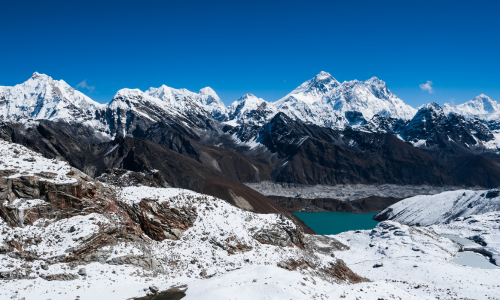
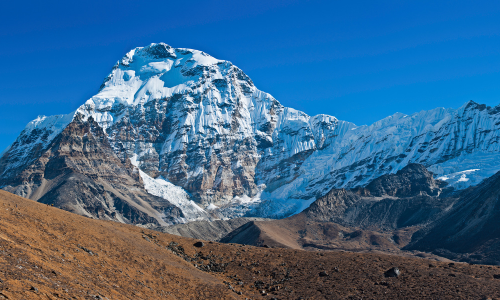
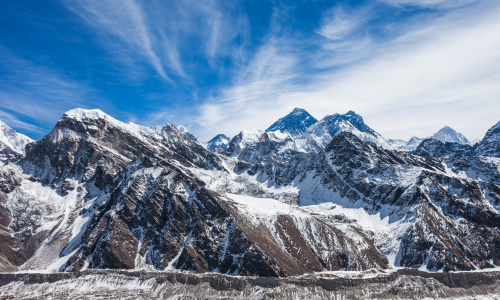
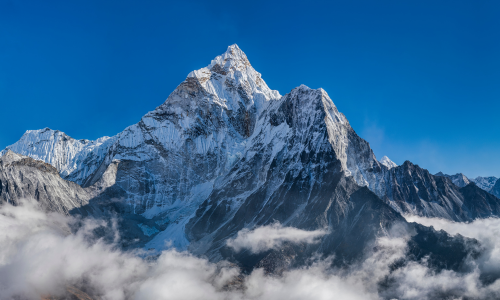
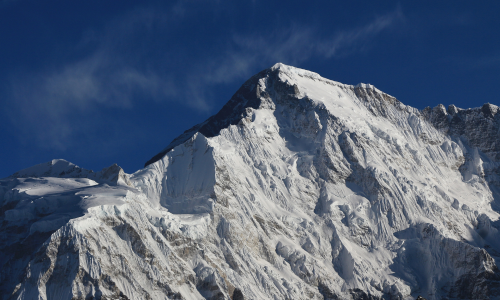
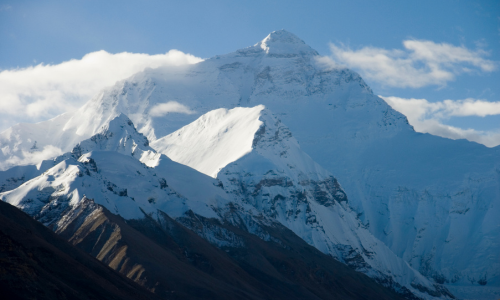
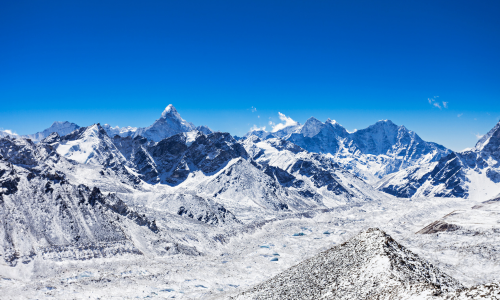
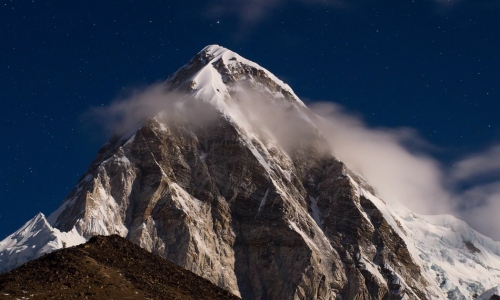
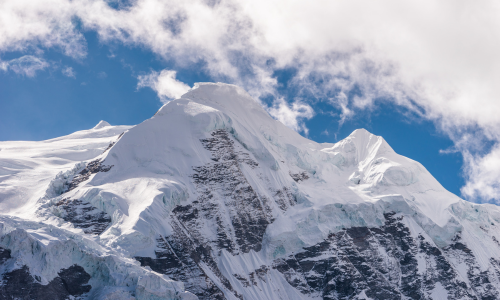
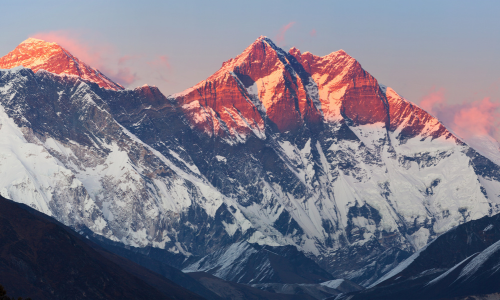
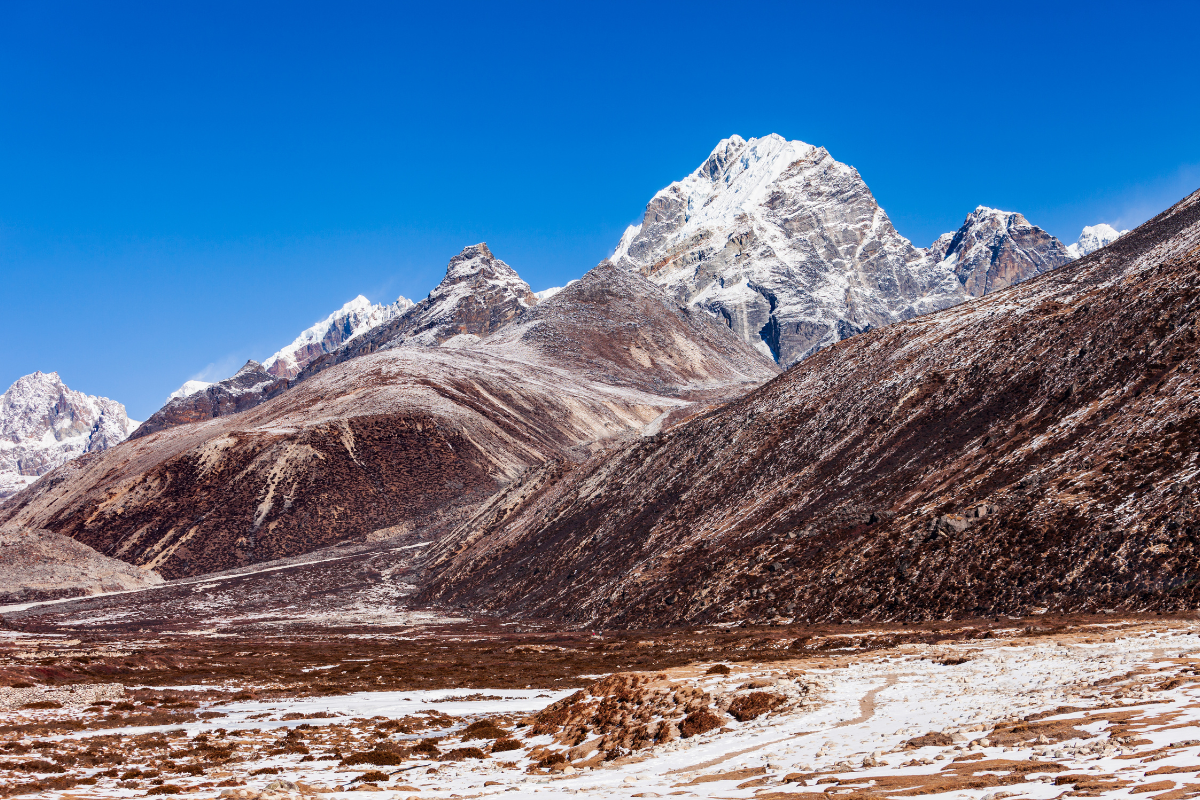
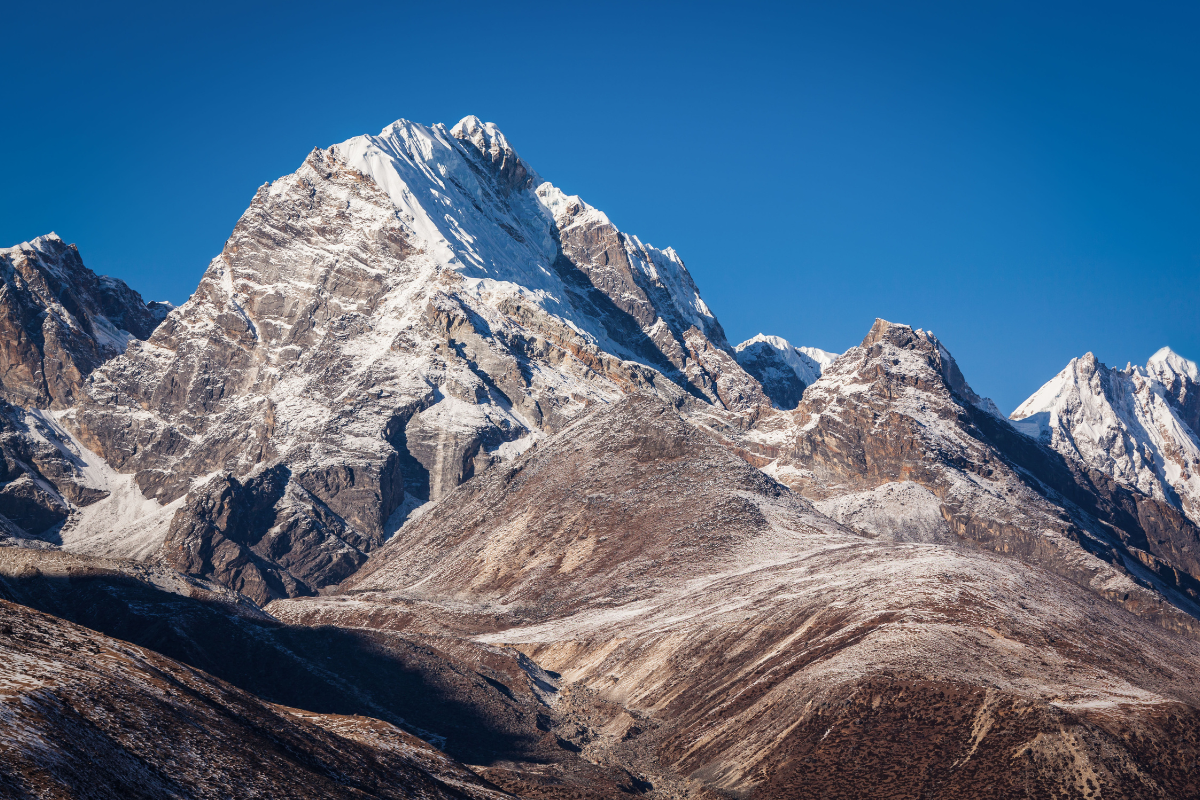
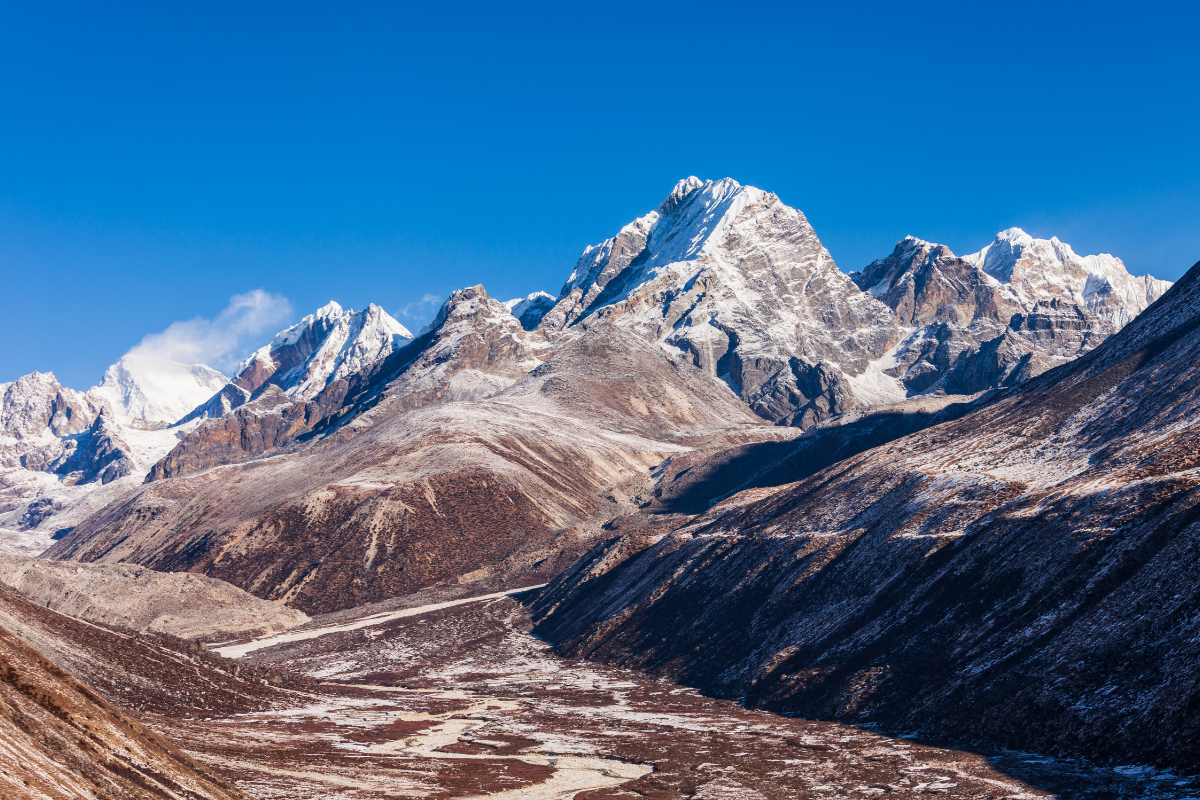
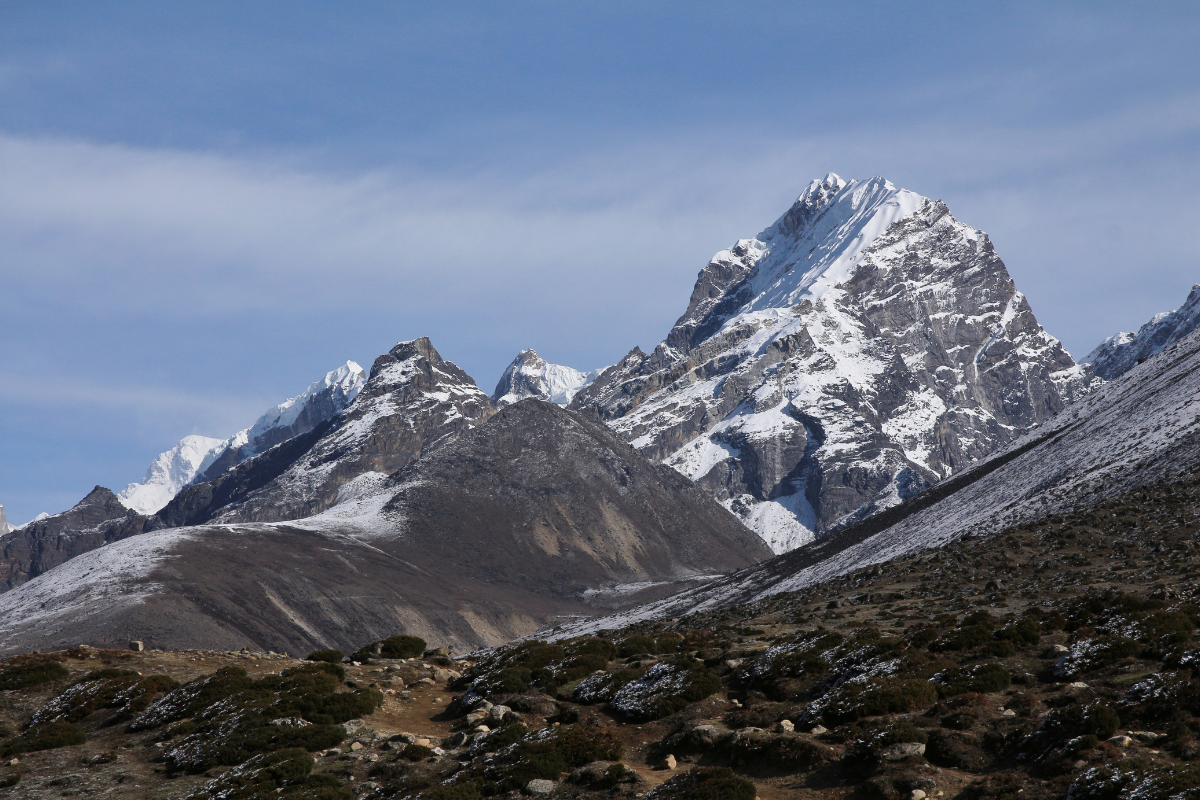
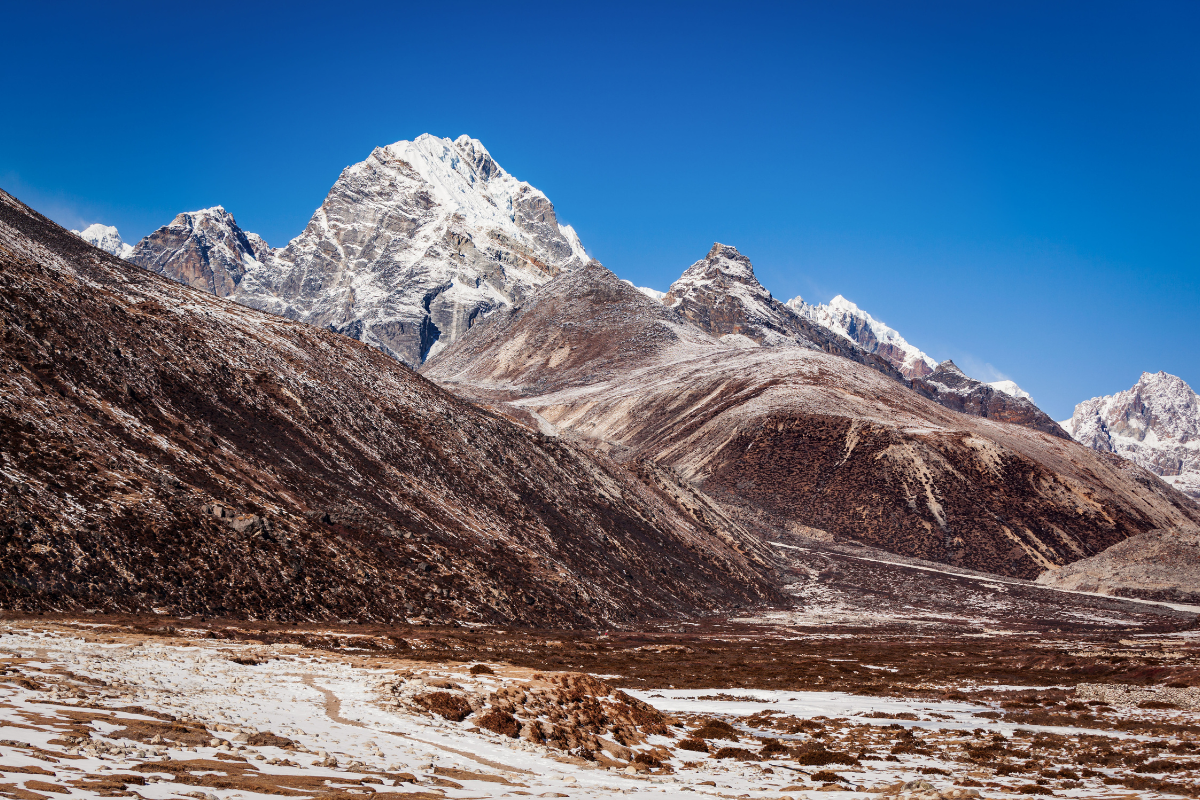
Lobuche Peak Climbing is an exciting high-altitude adventure that combines classic Everest region trekking with a rewarding Himalayan summit experience. Standing at 6,119 meters, Lobuche East Peak offers climbers a chance to step into true mountaineering while enjoying some of the best mountain views in Nepal. Located close to Mount Everest, the peak rewards you with stunning panoramas of Everest, Lhotse, Nuptse, Ama Dablam, and the surrounding Khumbu glaciers.
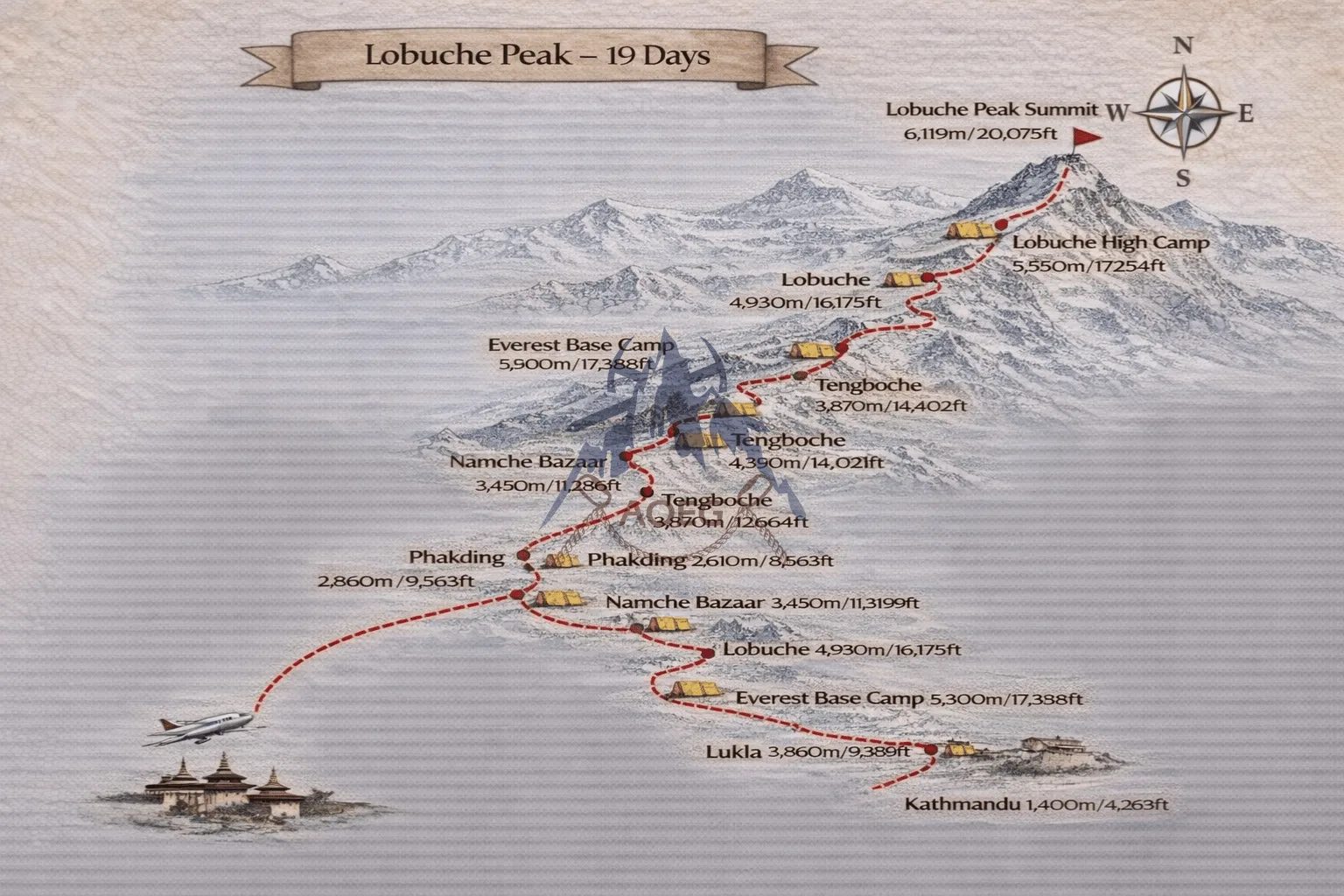
This 19-day expedition follows the famous Everest Base Camp trail, allowing proper acclimatization through scenic Sherpa villages such as Namche Bazaar, Tengboche, Dingboche, and Lobuche. Along the way, you experience rich Sherpa culture, ancient monasteries, and dramatic alpine landscapes. Highlights include visiting Everest Base Camp, watching sunrise from Kala Patthar, and finally pushing toward the Lobuche Peak summit.
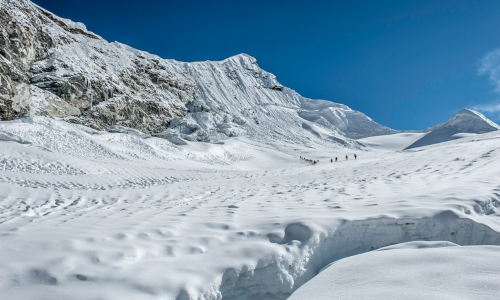
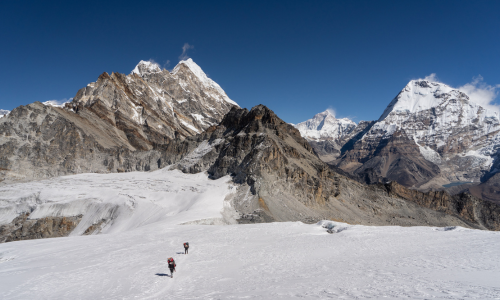
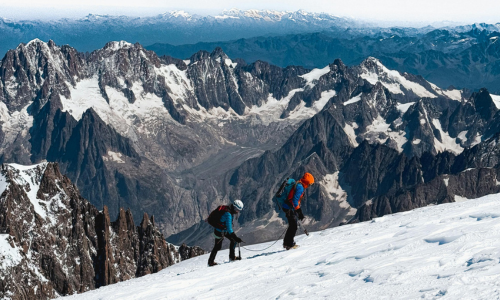
The climb itself involves snow slopes, fixed ropes, and basic alpine techniques, making it ideal for fit trekkers with some prior high-altitude experience. With a well-planned itinerary, experienced guides, and a strong focus on safety, Lobuche Peak Climbing offers a perfect balance of challenge, adventure, and unforgettable Himalayan achievement.
Best Highlights of Lobuche Peak Climbing
The Lobuche Peak Climbing Expedition is an unforgettable adventure that combines breathtaking Himalayan scenery, cultural immersion, and the thrill of high-altitude mountaineering. Here are the top highlights of this incredible journey:
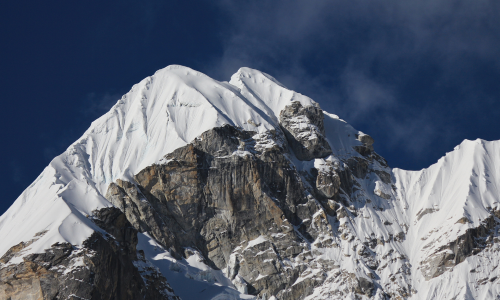
- Summit of Lobuche East (6,119m / 20,075ft): Experience the exhilaration of standing atop a high Himalayan peak. The panoramic views of Everest, Lhotse, and Nuptse create memories that last a lifetime.
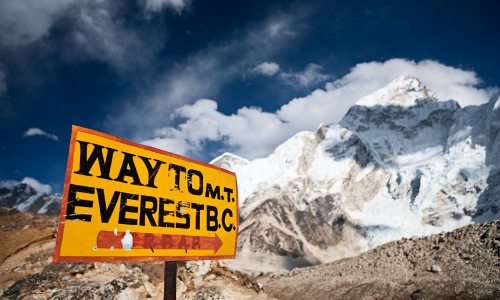
- Everest Base Camp and Kala Patthar: Trek to the legendary Everest Base Camp (5,300m) and witness a stunning sunrise at Kala Patthar (5,545m), offering some of the most iconic vistas of the Himalayas.
- Trekking Through Sherpa Villages: Visit charming villages like Namche Bazaar, Tengboche, and Pangboche, where you can experience traditional Sherpa culture, monasteries, and warm hospitality.
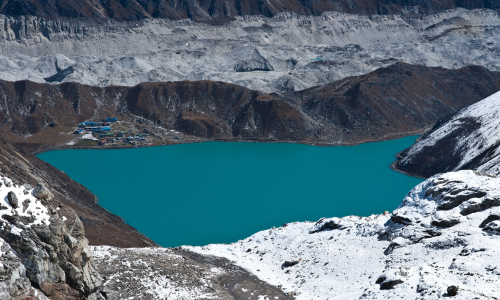
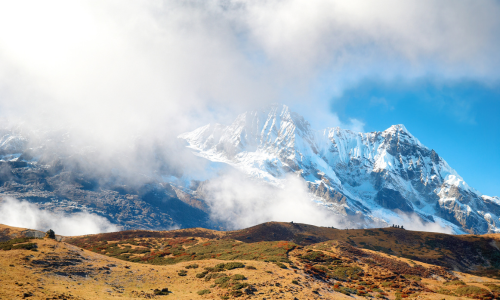
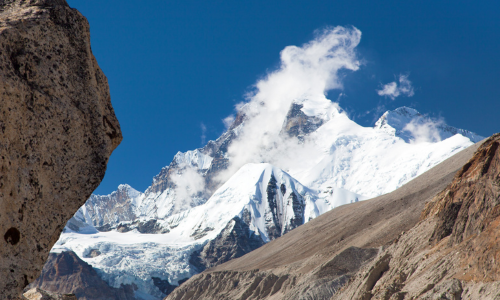
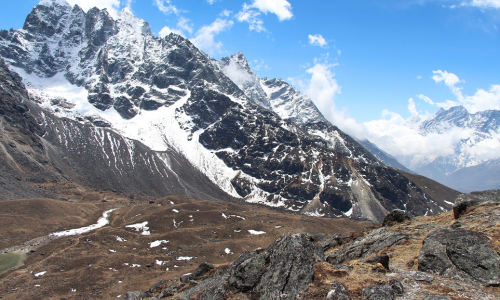
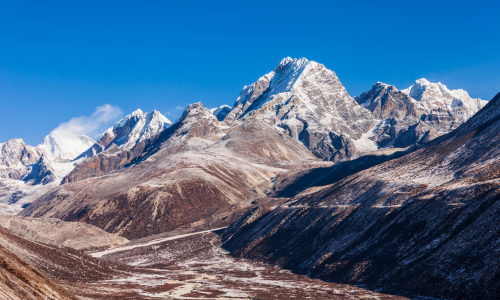
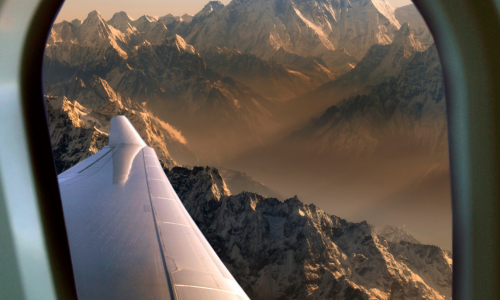
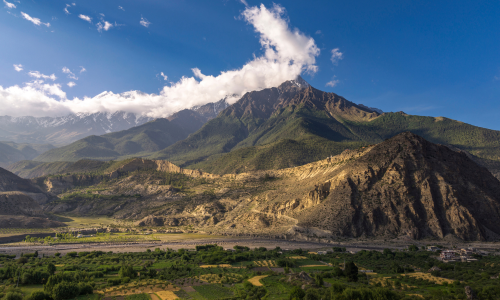
- Dramatic High-Altitude Landscapes: Traverse glacial valleys, rugged ridges, and alpine meadows. The mix of snow-capped peaks, glaciers, and dramatic ridgelines is a photographer’s paradise.
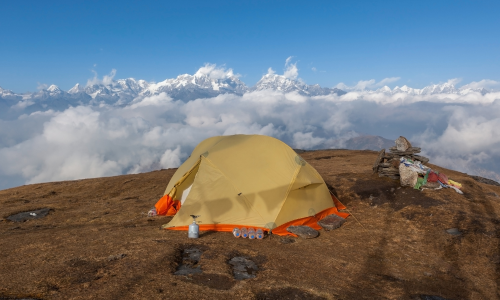
- Acclimatization and Adventure: Strategic rest days and short hikes help you acclimatize while offering opportunities to explore and enjoy the local culture, making the climb both challenging and safe.
This expedition is perfect for climbers seeking a high-altitude adventure with cultural experiences, breathtaking scenery, and the achievement of summiting a Himalayan peak.
Required Permits for Lobuche Peak Climbing
Lobuche Peak Climbing requires several official permits issued by the Nepal government. These permits ensure safety, conservation, and legal access to the Everest region. Climbers must obtain a Sagarmatha National Park Permit and a Khumbu Pasang Lhamu Rural Municipality Permit to trek within the Everest region. In addition, a Lobuche Peak Climbing Permit issued by the Nepal Mountaineering Association (NMA) is mandatory for summit attempts.
Permit fees vary depending on the season, with spring being the most expensive due to high demand. These permits help fund trail maintenance, environmental protection, and local community development. Most climbers arrange permits through a licensed trekking agency, making the process smooth and stress-free while ensuring full compliance with Nepalese regulations.
Best Season and Time for Lobuche Peak Climbing
Timing your Lobuche Peak Climbing Expedition right is crucial for safety, comfort, and the best views of the Himalayas. The most suitable seasons are spring (March to May) and autumn (September to November).
- Spring (March to May): This season offers clear skies, moderate temperatures, and blooming rhododendrons along the trekking trails. The mountains are highly visible, and the weather is stable, making it ideal for climbing and capturing breathtaking photographs.
- Autumn (September to November): Autumn is considered the peak season for Himalayan expeditions. The skies are usually crystal clear, providing spectacular panoramic views of Everest, Lhotse, Nuptse, and surrounding peaks. Temperatures are comfortable, and trekking paths are dry and safe.
- Seasons to Avoid: Summer (monsoon) brings heavy rains, slippery trails, and leeches, while winter can be extremely cold with heavy snowfall, making climbing risky.
Planning your expedition during spring or autumn ensures safe trekking, smooth climbing conditions, and the most rewarding Himalayan experience. These seasons let you enjoy the mountains at their finest, with clear skies, vibrant landscapes, and unforgettable sunrises over the world’s highest peaks.
Lobuche Peak Climbing Difficulty Level
The Lobuche Peak Climbing Expedition is considered a moderate to advanced high-altitude climb, suitable for trekkers with previous experience in Himalayan trekking or basic mountaineering. While the technical challenges are less extreme than peaks like Everest or Ama Dablam, climbers must be prepared for steep icy slopes, rocky ridges, and potential glacier travel during the summit push.
Physical fitness, stamina, and proper acclimatization are essential, as altitudes reach over 6,100 meters (20,075 ft). The expedition includes rest days and short acclimatization hikes to minimize the risk of altitude sickness. Participants should be comfortable using basic climbing equipment, such as crampons and ice axes, and be ready for long days of trekking and climbing.
With proper preparation, guidance from experienced Sherpas, and gradual acclimatization, the Lobuche Peak climb is both challenging and achievable, offering a rewarding Himalayan adventure.
How to Book Lobuche Peak Climbing
Booking your Lobuche Peak Climbing Expedition is straightforward and designed to ensure a smooth start to your Himalayan adventure. Begin by contacting the tour operator via email, phone, or official website, providing your preferred travel dates and expedition season—spring or autumn is recommended for the best conditions.
Once your dates are confirmed, secure your spot by paying a deposit. You will then need to submit your personal information, including passport details, emergency contacts, and any previous trekking or climbing experience. The remaining balance should be completed prior to departure.
After booking, you will receive a pre-departure guide, a detailed gear checklist, and the complete itinerary to help you prepare efficiently.
It is recommended to book at least 2–3 months in advance, as slots are limited to ensure safety, proper support, and a high-quality expedition experience. Early booking guarantees peace of mind and a seamless journey.
 Instant Booking