
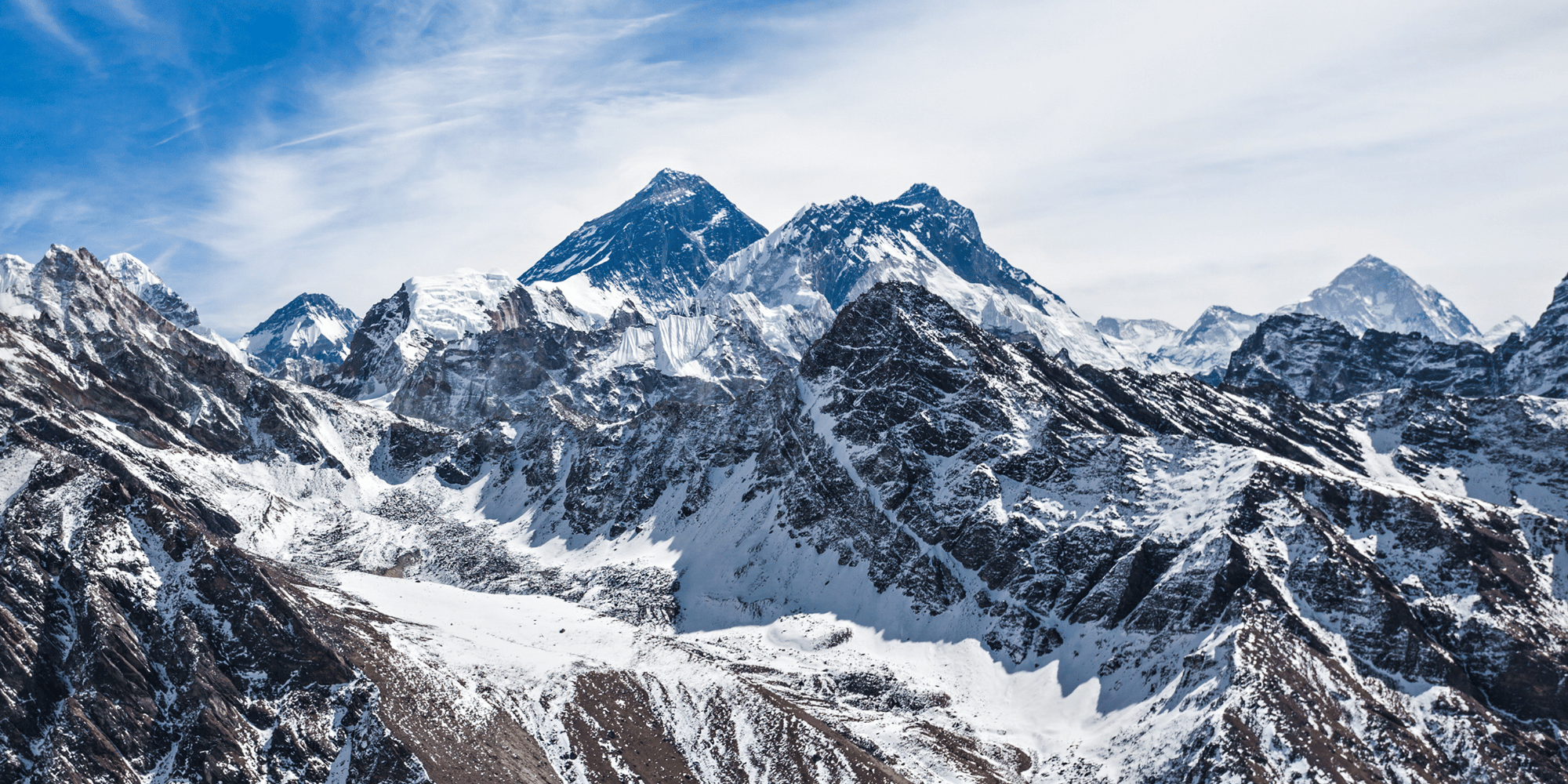
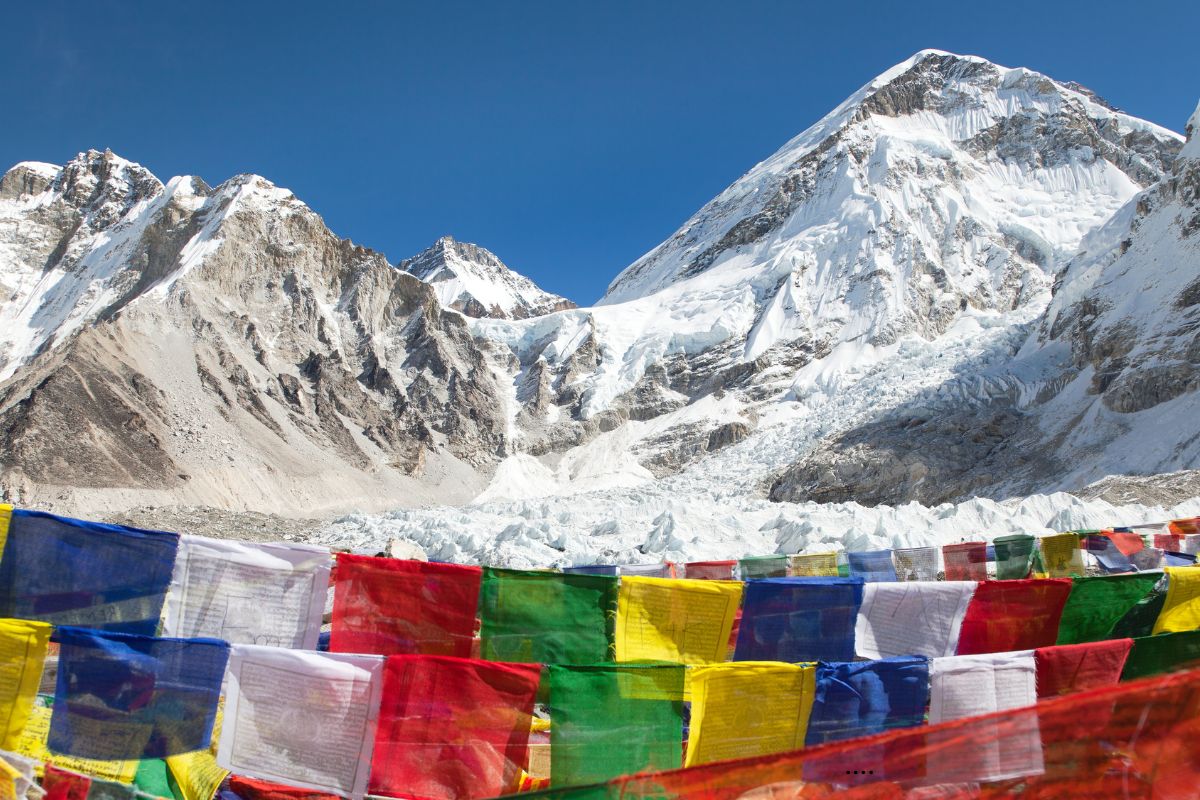
Mt. Everest South Expedition – 42 Days | Detailed Overview
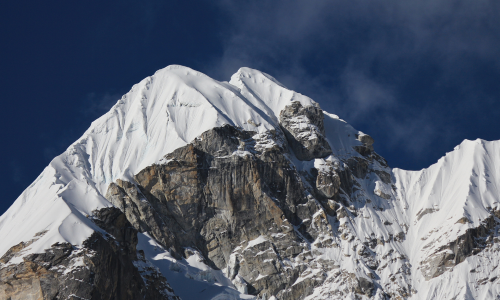
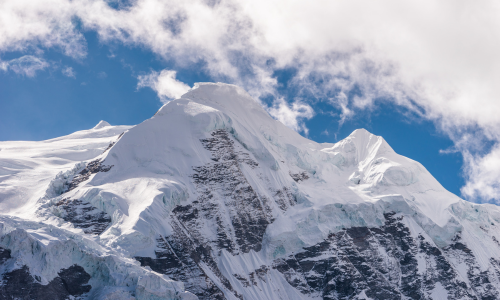
The Mt. Everest South Expedition is the ultimate high-altitude adventure for climbers seeking to conquer the world’s highest peak – Mount Everest (8,848.86m / 29,031 ft) via the South Col route in Nepal. This 42-day expedition is carefully designed to combine gradual acclimatization, rigorous climbing preparation, and stunning Himalayan landscapes with cultural immersion in the heart of the Everest region. It provides a structured and safe approach for serious mountaineers, offering the thrill of one of the most iconic climbs in human history.
The journey begins in Kathmandu, Nepal’s bustling capital, where climbers are greeted by a professional expedition team from Alpine Outdoors & Expedition Guide Pvt. Ltd.. The first days are dedicated to preparing necessary permits, completing legal formalities, and attending expedition briefings, ensuring climbers are fully equipped for the challenges ahead. Kathmandu also offers an opportunity to explore Nepalese culture, historic temples, and local markets, allowing participants to mentally and physically prepare for the high-altitude adventure.
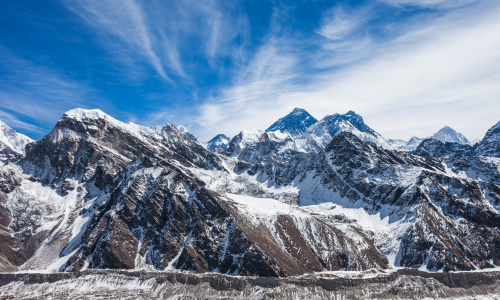
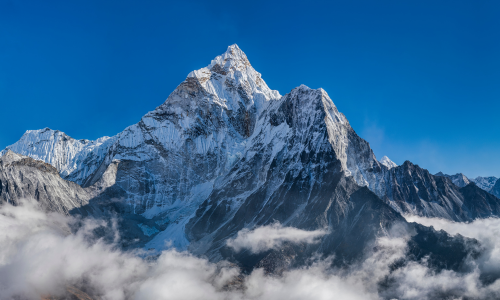
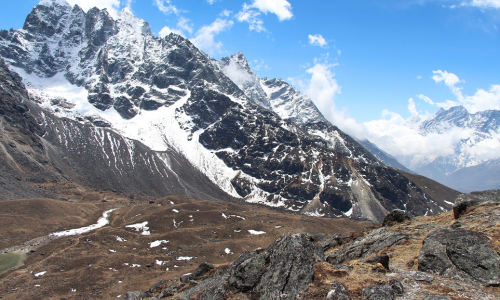
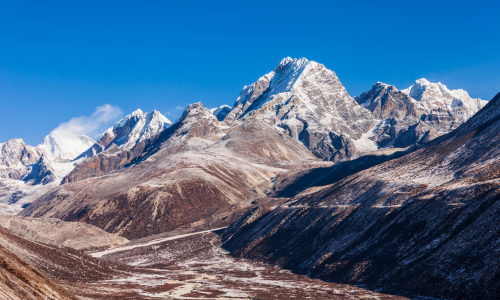
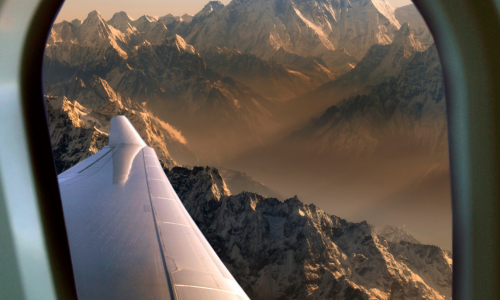
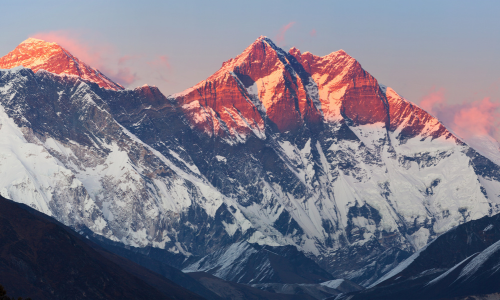
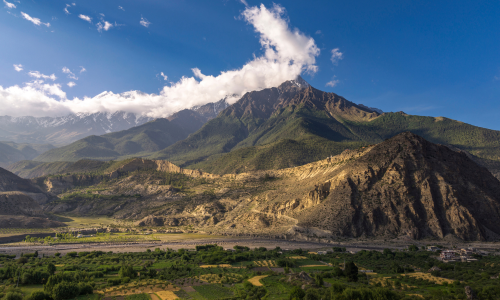
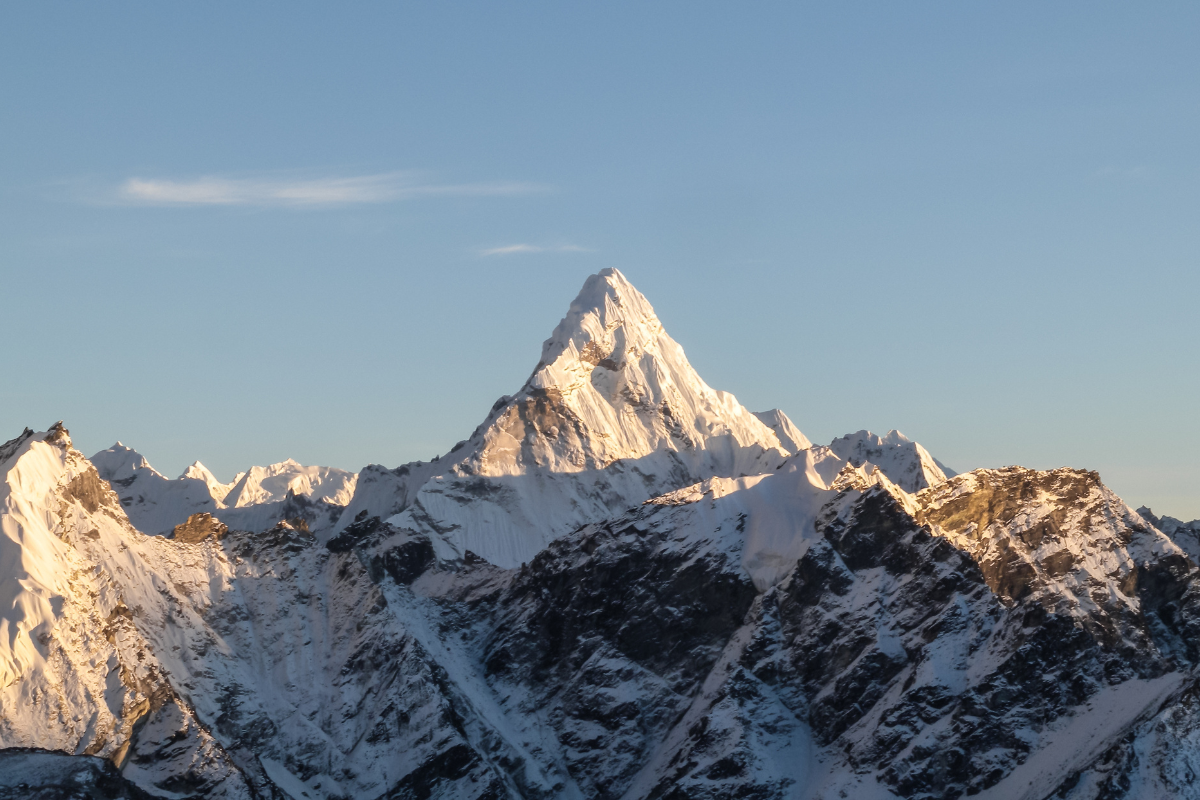
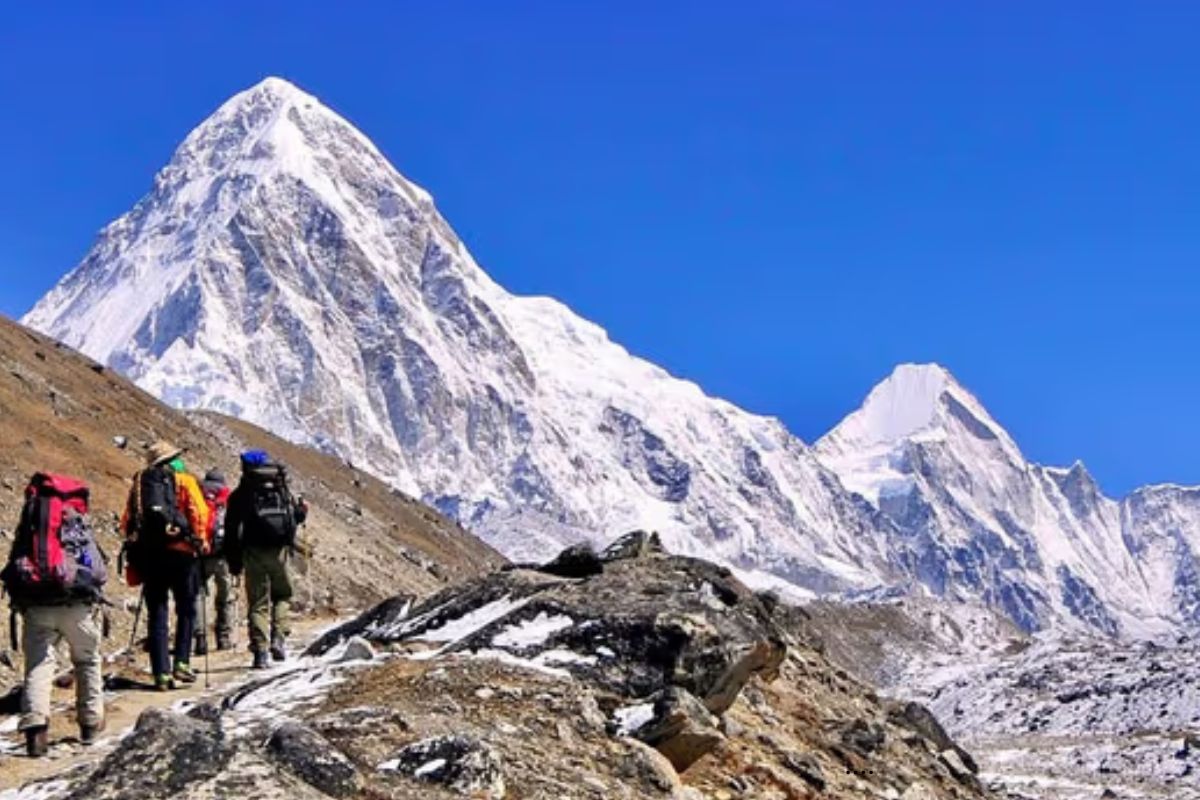
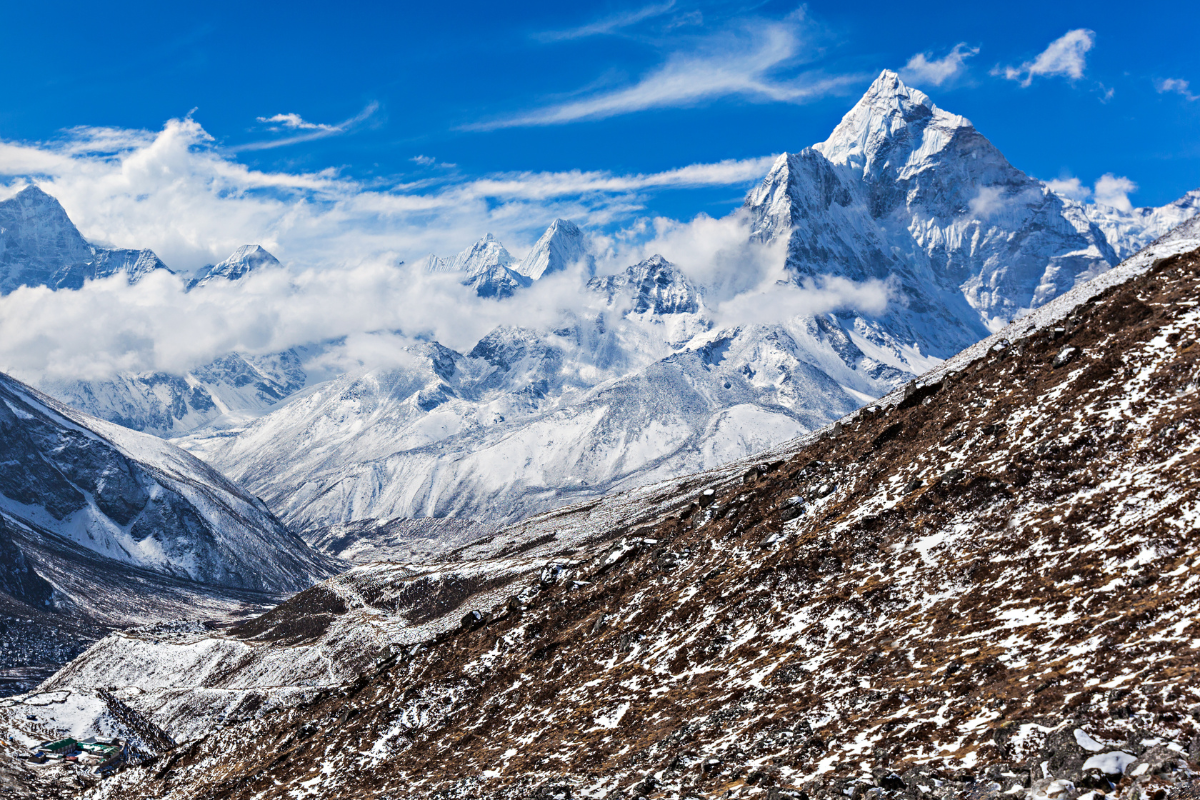
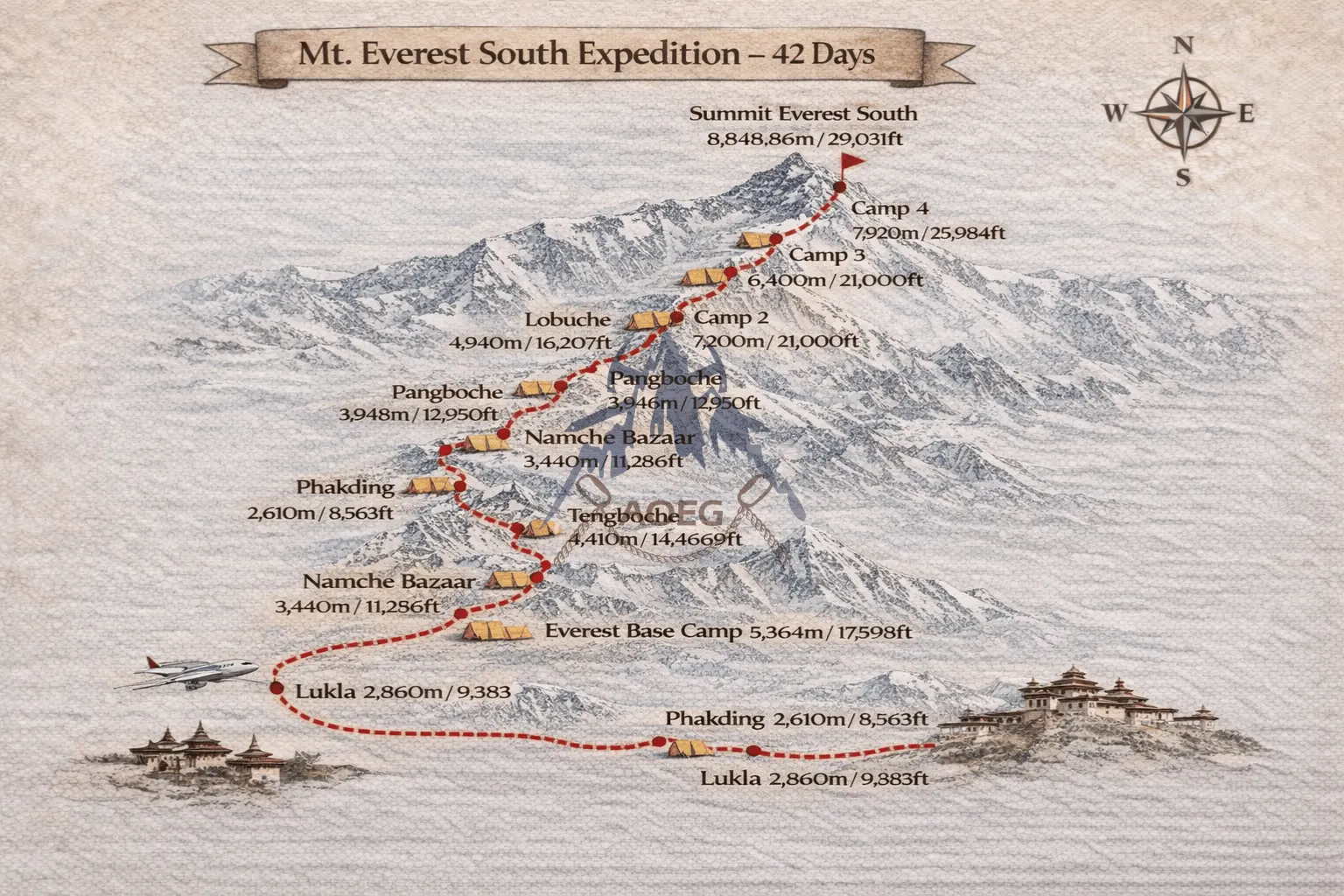
From Kathmandu, the expedition transitions to the Everest region. Most climbers fly from Kathmandu to Lukla (2,860m / 9,383ft), home to one of the most famous airstrips in the world, offering breathtaking views of the Himalayas during the flight. The trek from Lukla to Namche Bazaar and onward to Everest Base Camp follows classic Sherpa trails, passing through Sherpa villages, rhododendron forests, suspension bridges, and the iconic monasteries. Along the way, climbers gradually acclimatize to the increasing altitude while enjoying stunning panoramic vistas of Everest, Lhotse, Nuptse, Ama Dablam, and other Himalayan giants.
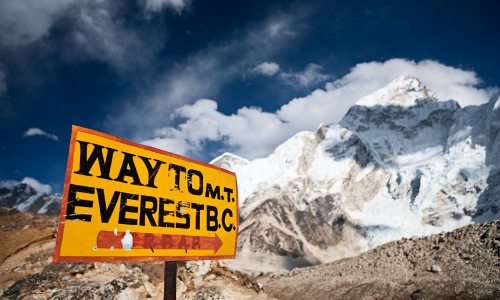
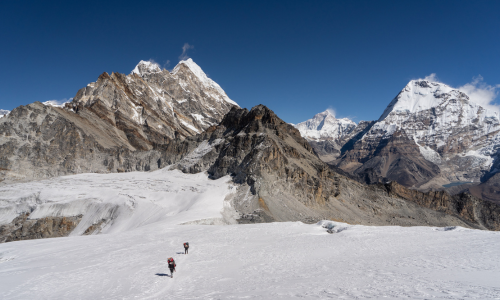
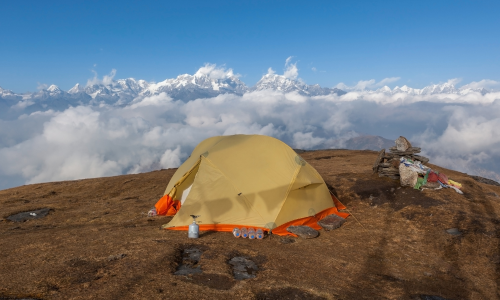
Once at Everest Base Camp (5,364m / 17,598ft), climbers begin a series of rotation climbs to higher camps, including Camp I, Camp II, Camp III, and Camp IV, following a structured acclimatization plan. This rotational strategy allows the body to adjust to extreme altitudes, reducing the risk of altitude sickness while preparing climbers for the final summit push. The expedition is fully supported by IFMGA-certified guides, experienced Sherpas, and Base Camp staff, ensuring expert guidance, safety, and logistical support throughout the climb.
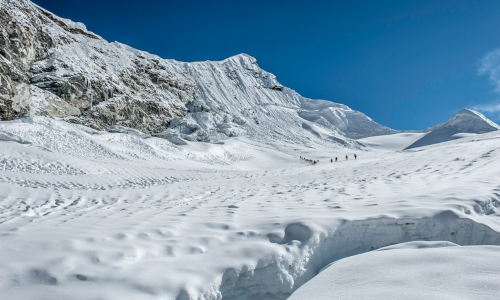
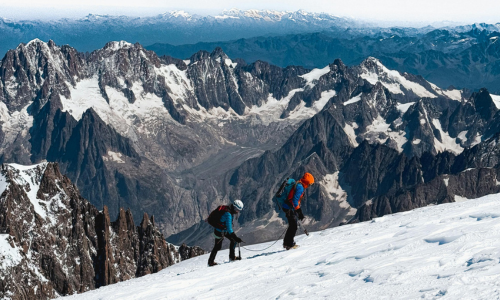
The summit attempt is the most exhilarating and challenging part of the expedition. Climbers navigate the Khumbu Icefall, Western Cwm, Lhotse Face, South Col, and the Hillary Step, requiring technical proficiency, stamina, and mental resilience. Reaching the summit of Everest is the ultimate reward, offering unparalleled panoramic views and a profound sense of achievement. After summiting, climbers safely descend to Base Camp, where they can rest and recover from the high-altitude exertion.
The descent continues along the same trek, returning through Namche Bazaar and Lukla, and eventually flying back to Kathmandu. The final days in Kathmandu provide an opportunity to relax, celebrate, and reflect on the expedition, enjoy a farewell dinner, and explore the city’s cultural treasures.
The Mt. Everest South Expedition – 42 Days is more than a climb; it is a life-changing journey that combines high-altitude adventure, breathtaking Himalayan scenery, cultural immersion, and expert guidance. It is ideal for experienced mountaineers who are physically fit, mentally prepared, and ready to tackle one of the most challenging and iconic climbs on Earth.
Key Highlights – Mt. Everest South Expedition
- Summit the world’s highest peak – Mount Everest (8,848.86m / 29,031 ft).
- Trek through classic Everest trails, passing Sherpa villages, monasteries, and rhododendron forests.
- Acclimatization and rotational climbs to Camp I, II, III, and IV for safe high-altitude preparation.
- Experience the Khumbu Icefall, Western Cwm, Lhotse Face, South Col, and Hillary Step.
- Fully supported by IFMGA-certified guides, Sherpa climbers, Base Camp staff, and high-altitude medical facilities.
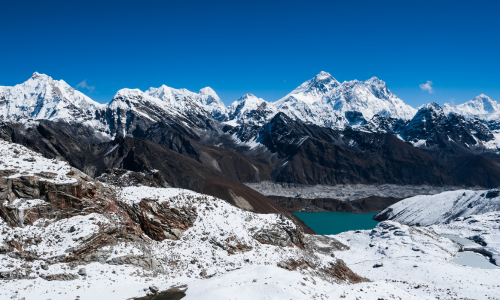
- Opportunity to enjoy stunning panoramic Himalayan views, including Everest, Lhotse, Nuptse, Ama Dablam, and more.
- Cultural immersion in Sherpa villages, Tengboche Monastery, Namche Bazaar, and the heart of the Everest region.
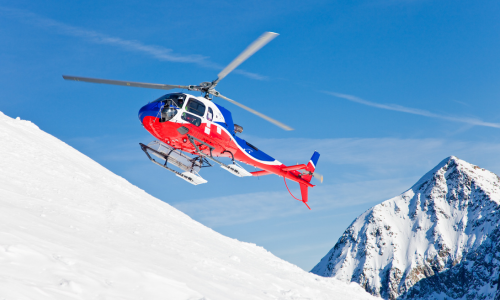
- Helicopter flights for emergency evacuation or flexible itinerary adjustments.
Difficulty Level – Mt. Everest South Expedition
The Everest South Expedition is an extremely challenging high-altitude climb, suitable only for experienced mountaineers with prior 6,000–7,000m expeditions. Climbers face extreme cold, high winds, low oxygen, technical ice and snow sections, crevasses, and prolonged exposure to high altitude.
This expedition requires excellent physical fitness, mental endurance, technical climbing skills, and experience in glacier travel, ice climbing, and high-altitude navigation. The rotational climbs and structured acclimatization allow climbers to gradually adapt, but the summit push remains physically and mentally demanding. Successful climbers must be resilient, disciplined, and prepared for sudden weather changes and high-altitude conditions.
Best Season – Mt. Everest South Expedition
- Autumn (September – November): The most popular season due to stable weather, clear skies, low precipitation, and high summit success rates.
- Spring (March – May): Offers longer daylight, milder temperatures, and favorable climbing conditions, making it a secondary option for climbers.
- Not Recommended:
Monsoon (June – August): Heavy rain, avalanches, and unpredictable weather make climbing extremely dangerous.
Winter (December – February): Extreme cold, strong winds, and short daylight hours reduce summit chances.
Selecting the ideal climbing season maximizes summit success, safety, and overall expedition experience, while providing breathtaking photography opportunities of Everest and surrounding peaks.
Permits Required – Mt. Everest South Expedition
Climbing Everest via the South Col (Nepal) requires several official permits:
- Sagarmatha National Park Permit – mandatory for all climbers entering the Everest region.
- Climbing Permit for Mt. Everest – issued by the Government of Nepal; one of the most essential documents for the summit attempt.
- Trekkers’ Information Management System (TIMS) Card – required for tracking trekkers in Nepal.
- Liaison Officers and Registered Guides – ensure legal and safe access throughout the expedition.
Booking with Alpine Outdoors & Expedition Guide Pvt. Ltd. ensures that all permits, local taxes, and required documentation are taken care of, providing a smooth and legally compliant expedition.
How to Book – Mt. Everest South Expedition
Booking the 42-day Everest South Expedition with Alpine Outdoors & Expedition Guide Pvt. Ltd. is simple:
- Contact Alpine Outdoors via email, phone, or website to check availability and receive a detailed expedition plan.
- Submit necessary documents, including passport copies, previous climbing experience, and medical clearance.
- Confirm expedition dates and pay the deposit to secure your slot.
- Full-service support is provided, including permits, trekking and climbing logistics, Base Camp facilities, Sherpa assistance, oxygen, medical kits, and satellite communication.
- Receive pre-expedition guidance on training, acclimatization, and gear preparation for a safe and successful summit attempt.
Booking with Alpine Outdoors ensures complete safety, legal compliance, expert guidance, and logistical support, allowing climbers to focus solely on achieving their dream – summiting Mount Everest.
 Instant Booking