
Overview of Nar Phu Valley Short Trek
The Nar Phu Valley Short Trek is a hidden gem in the Annapurna region, offering trekkers an opportunity to explore remote Himalayan landscapes away from the crowds. Unlike popular trekking routes, Nar Phu Valley remains largely untouched, allowing travelers to experience authentic Himalayan life in traditional villages such as Phu and Nar. The trek combines moderate trekking with high-altitude adventure, making it ideal for those seeking a unique and culturally rich journey in the mountains.
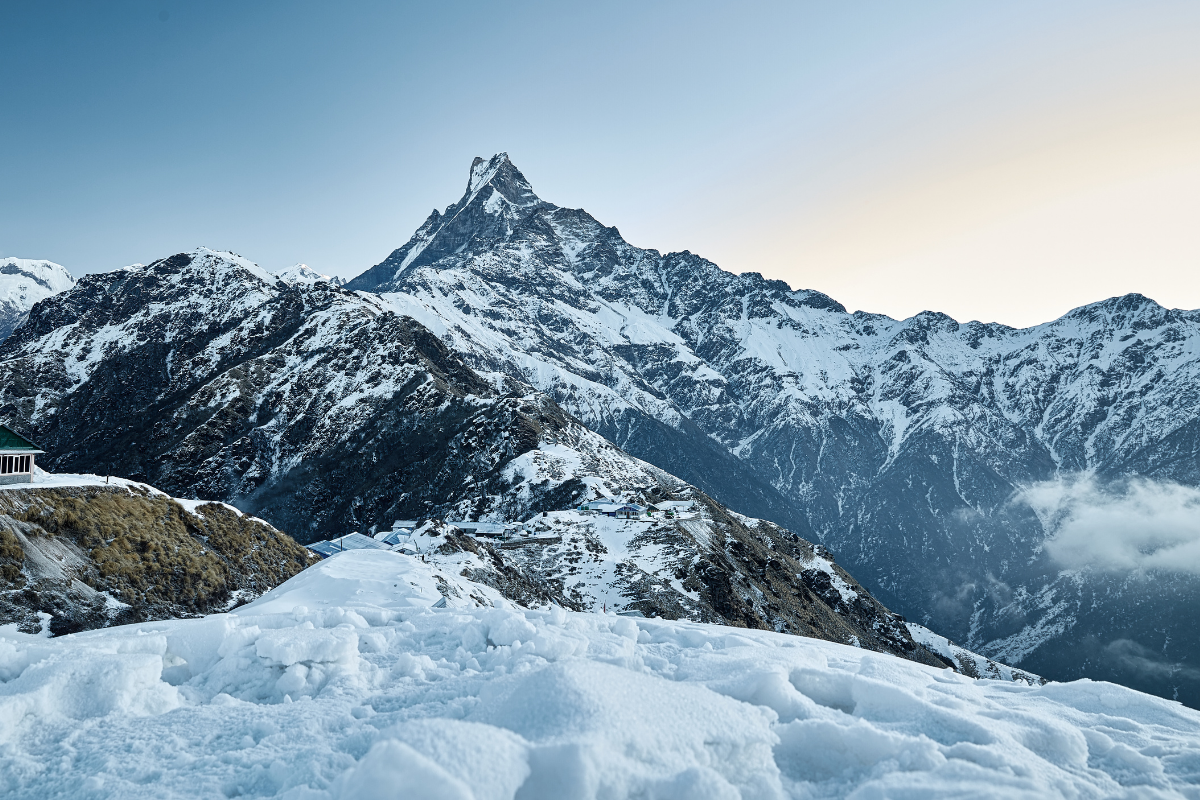
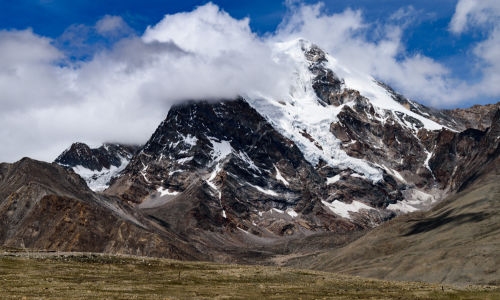
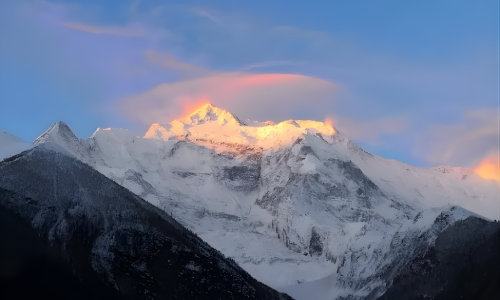
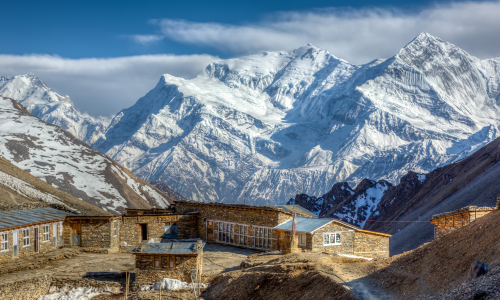
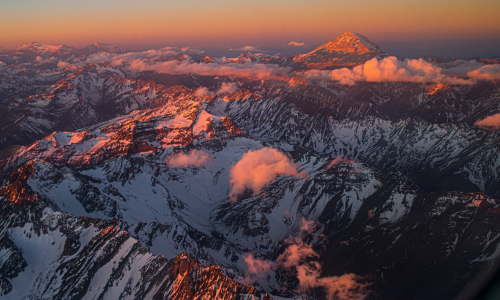
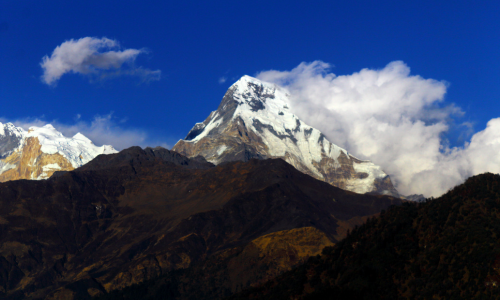
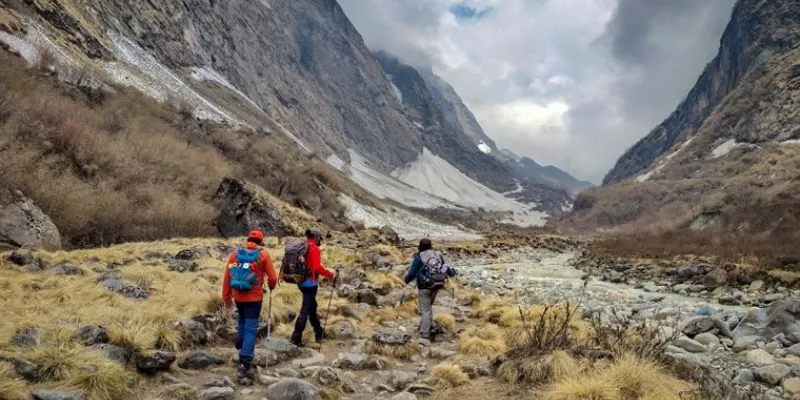
With a maximum altitude of 4,250 meters, the trek is both challenging and rewarding. Trekkers will pass through alpine meadows, terraced fields, and pristine valleys while enjoying spectacular views of towering peaks like Annapurna II, Gangapurna, and Tilicho. The trail gradually ascends, ensuring proper acclimatization and allowing trekkers to comfortably adapt to high-altitude conditions.
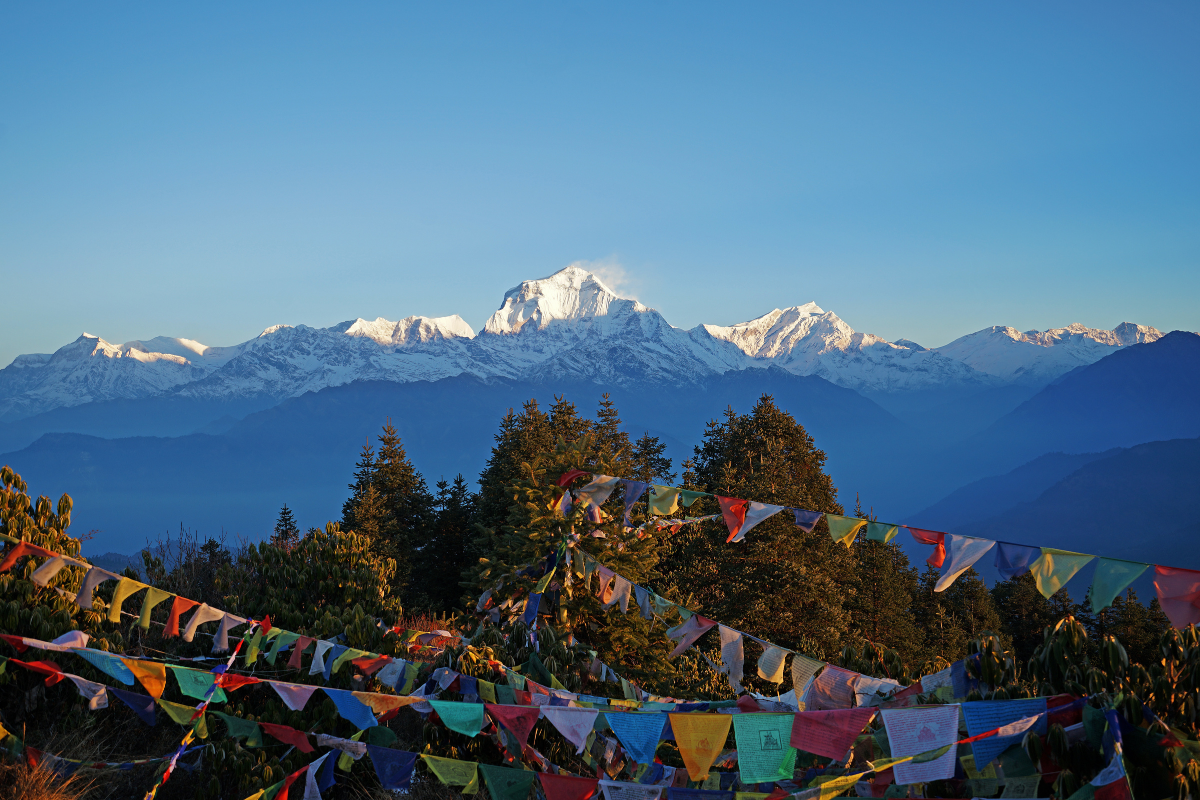
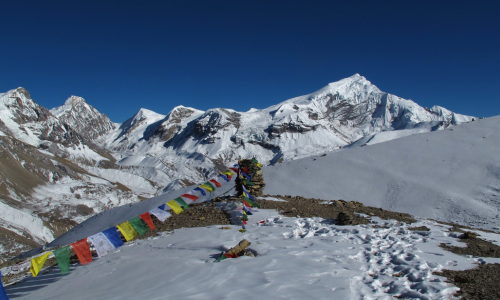
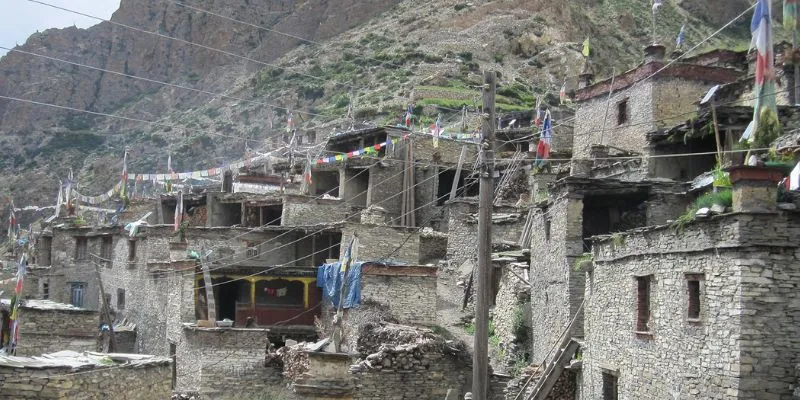
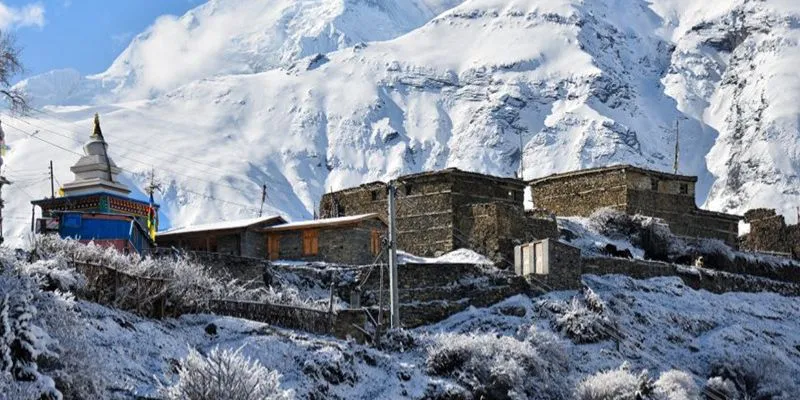
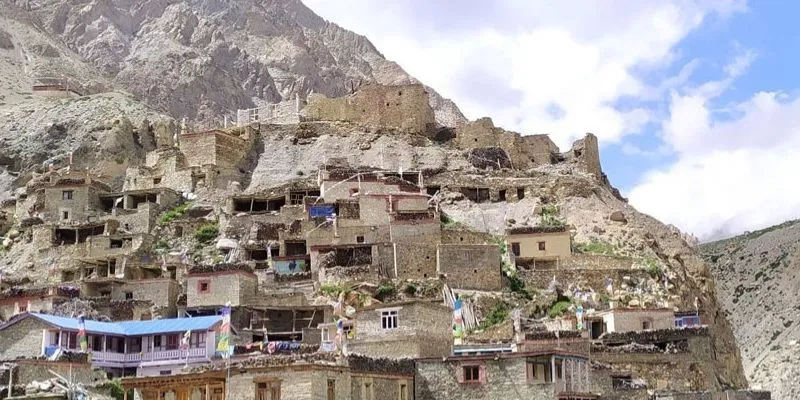
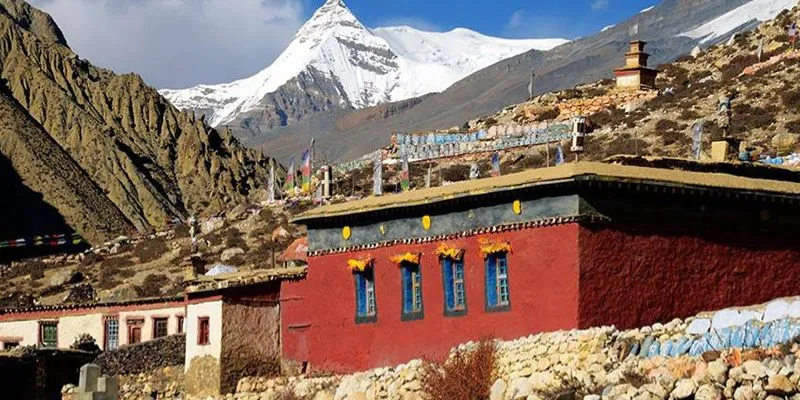
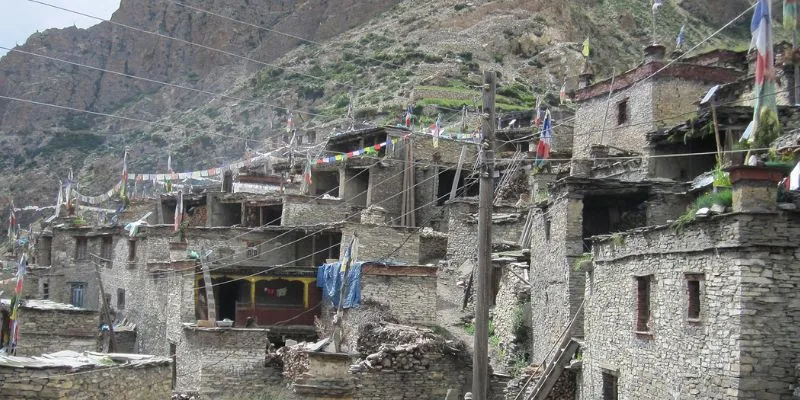
A key highlight of this trek is the cultural immersion in remote villages. Stone-built houses, ancient monasteries, and fluttering prayer flags provide a glimpse into the lives of the local Gurung and Tibetan-influenced communities. Interacting with the villagers offers a rare opportunity to understand traditions that have been preserved for centuries, adding depth and meaning to the trekking experience.
The Nar Phu Valley Short Trek is carefully planned to balance adventure, scenic beauty, and safety. With professional guides, well-structured itineraries, and acclimatization days included, trekkers can fully enjoy the breathtaking scenery, cross the iconic Kang La Pass, and create unforgettable memories. It is a perfect choice for nature lovers, photographers, and adventure seekers looking for a short yet immersive Himalayan journey.
Highlights of Nar Phu Valley Trek
The Nar Phu Valley Short Trek offers experiences that make it one of the most enchanting Himalayan treks:
- Remote Himalayan Villages: Explore traditional villages such as Phu and Nar, experiencing authentic Tibetan-influenced culture.
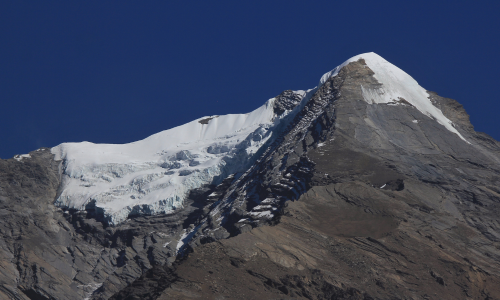
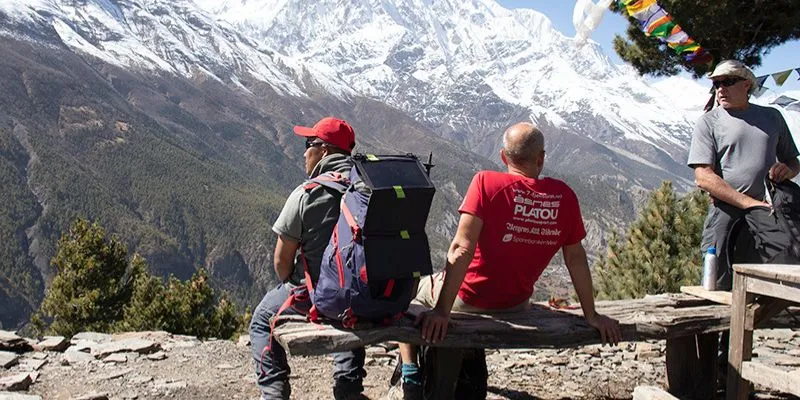
- Stunning Mountain Views: Marvel at Annapurna II, Gangapurna, Tilicho, and other towering peaks from various viewpoints.
- Kang La Pass Adventure: Cross the scenic Kang La Pass (4,250m), offering panoramic vistas of the surrounding valleys.
- Pristine Natural Beauty: Trek through alpine meadows, terraced fields, and high-altitude landscapes untouched by tourism.
- Cultural Immersion: Witness ancient monasteries, prayer flags, and local customs preserved for centuries.
- Moderate High-Altitude Trekking: Enjoy a highland adventure without extreme technical challenges, suitable for fit beginners and experienced trekkers.
- Photographer’s Paradise: The combination of remote villages, high passes, and snow-capped peaks provides perfect photography opportunities.
This trek combines adventure, culture, and natural beauty in a short yet fulfilling itinerary, offering an unforgettable Himalayan experience.
Required Permits for Nar Phu Valley Trek
Trekking in the Nar Phu Valley requires specific permits to ensure the protection of the environment and local communities. All trekkers must obtain the Annapurna Conservation Area Permit (ACAP), which allows access to the Annapurna Conservation Area and contributes to the preservation of its pristine landscapes. In addition, a Trekkers’ Information Management System (TIMS) card is mandatory for all visitors, helping authorities monitor trekking activities and ensure safety.
Since the Nar Phu Valley is a restricted region, special permits are also required to enter this remote area. These permits are typically arranged by your trekking agency before departure. Carrying valid permits is strictly enforced, and trekking without them is prohibited. By obtaining the necessary permits, you not only comply with local regulations but also support conservation efforts and help sustain the cultural heritage of these remote Himalayan communities.
Best Season for Nar Phu Valley Trek
Choosing the right season is crucial for a safe and enjoyable Nar Phu Valley trek. The weather, trail conditions, and visibility vary significantly throughout the year, and picking the best time ensures a memorable experience.
Spring (March to May)
Spring is one of the most popular seasons for the Nar Phu Valley trek. During this time, the weather is moderate, and the skies are usually clear, offering stunning mountain views. The rhododendrons bloom, painting the valleys with vibrant red and pink colors, making it a paradise for photographers and nature lovers. Moderate temperatures also make trekking comfortable during the day while nights remain cool.
Autumn (September to November)
Autumn is another ideal season to trek Nar Phu Valley. After the monsoon, the skies are crystal clear, and the air is crisp and refreshing. Visibility is excellent, allowing panoramic views of Annapurna II, Gangapurna, and Tilicho peaks. The weather is stable, and trails are dry, making it the best time for high-altitude trekking and crossing Kang La Pass.
Avoiding Monsoon and Winter
The monsoon season (June to August) brings heavy rainfall, slippery trails, and the risk of landslides, making trekking difficult and unsafe. Winter (December to February), on the other hand, is extremely cold, with snow covering high passes and making some sections dangerous. These seasons are not recommended for this trek unless you are an experienced high-altitude mountaineer.
Difficulty Level of Nar Phu Valley Trek
The Nar Phu Valley Short Trek is classified as moderate to challenging, making it ideal for trekkers who are physically fit and have some prior high-altitude trekking experience. The trek involves gradual ascents through remote valleys, steep trail sections, and the crossing of the Kang La Pass at 4,250 meters, which is the highest point of the journey.
While the trek does not require technical climbing skills, it demands endurance, stamina, and proper acclimatization to cope with high-altitude conditions. Daily trekking hours range from 4 to 7 hours, providing manageable challenges while allowing time to enjoy the scenery.
Proper acclimatization days are included to reduce the risk of altitude sickness, and professional guides accompany all trekkers to ensure safety, pace management, and support throughout the journey. Overall, the trek is challenging enough to be rewarding but accessible to well-prepared adventurers.
How to Book the Nar Phu Valley Trek
Booking your Nar Phu Valley Short Trek is simple, secure, and hassle-free. Start by contacting our team via email, phone, or through our website to discuss your preferred travel dates and customize your trekking experience. Once your dates are confirmed, pay a deposit to reserve your spot and provide your personal details, including passport information, emergency contacts, and any prior trekking experience.
Complete the final payment before departure and receive your pre-departure guide, detailed itinerary, and gear checklist, ensuring you are fully prepared for the adventure ahead.
Don’t wait to explore one of Nepal’s most pristine and remote valleys! Limited slots are available for this trek, so early booking is highly recommended. Step into the mountains with confidence and create unforgettable memories with Alpine Outdoors & Expedition Guide Pvt. Ltd.
 Instant Booking