
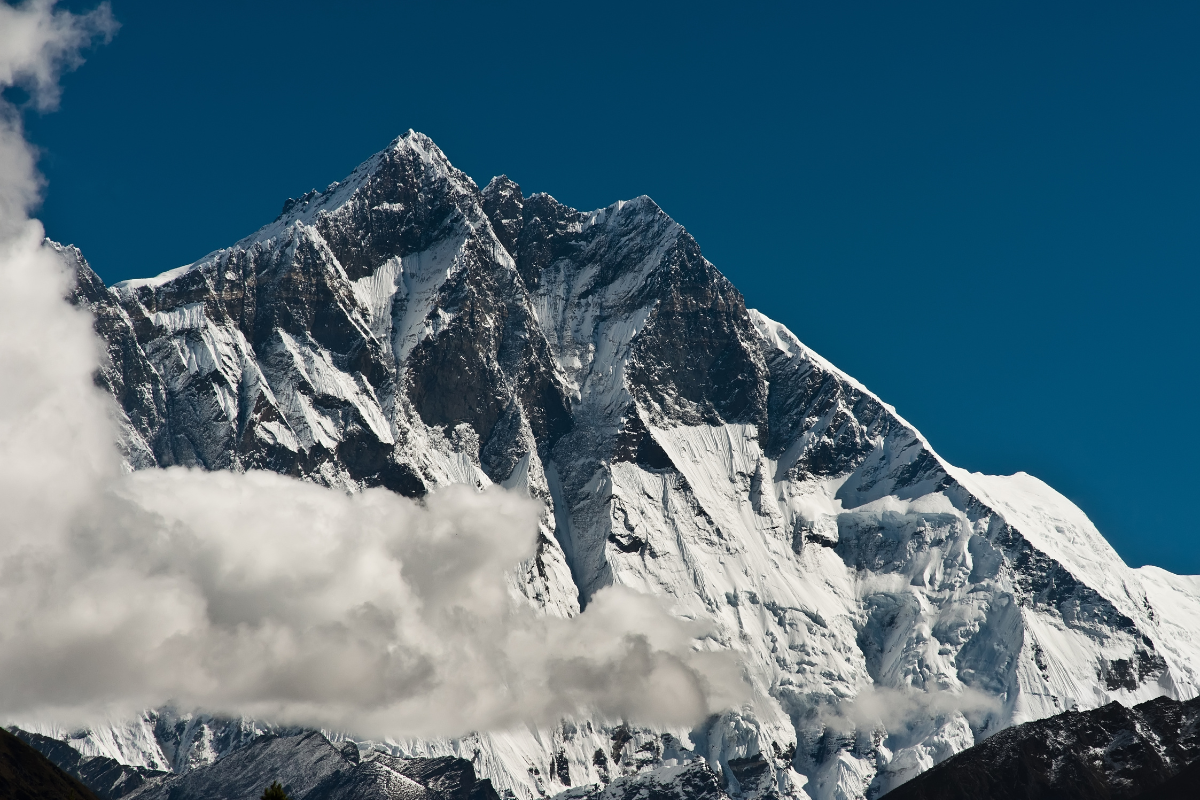
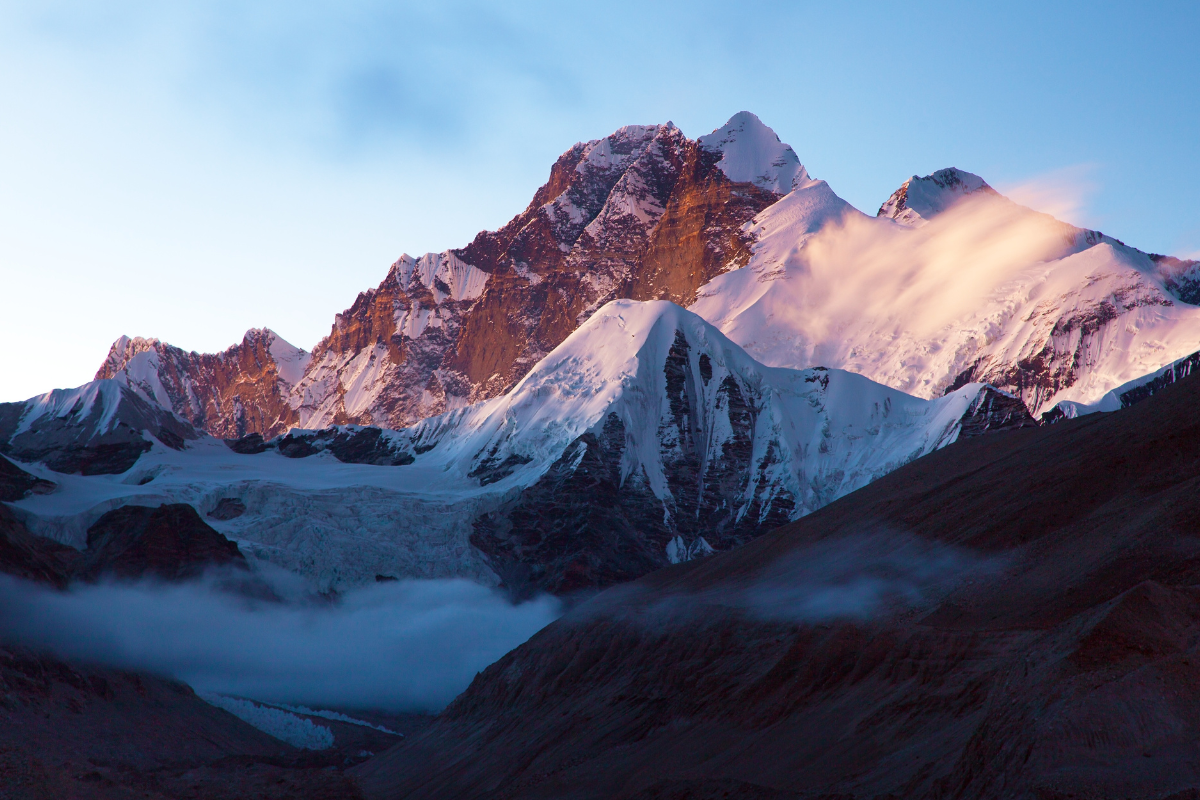
Lhotse Rapid Expedition Overview
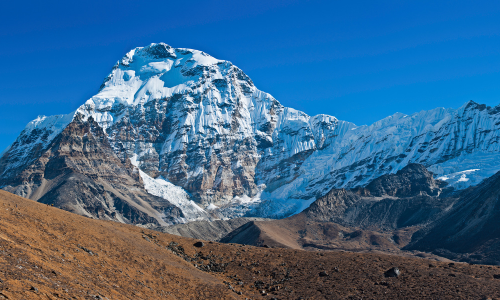
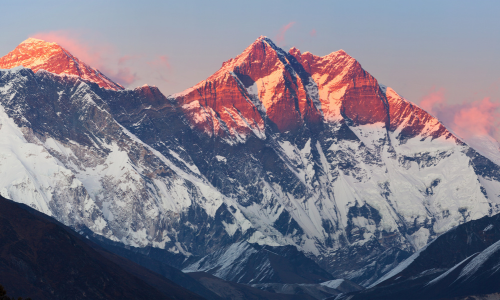
The Lhotse Rapid Expedition is one of the most thrilling and prestigious high-altitude climbing experiences in the Nepalese Himalayas. Standing at 8,516 meters (27,940 feet), Lhotse is the fourth-highest mountain in the world and shares part of the famous Everest route, offering climbers a chance to experience the grandeur of the Himalayas with a challenging but highly rewarding ascent.
This 30-day rapid expedition is designed for highly experienced mountaineers seeking a focused, well-supported climb. Unlike traditional long-duration expeditions, the Lhotse Rapid Expedition combines high-altitude acclimatization, technical climbing training, and an optimized climbing schedule to maximize efficiency without compromising safety.
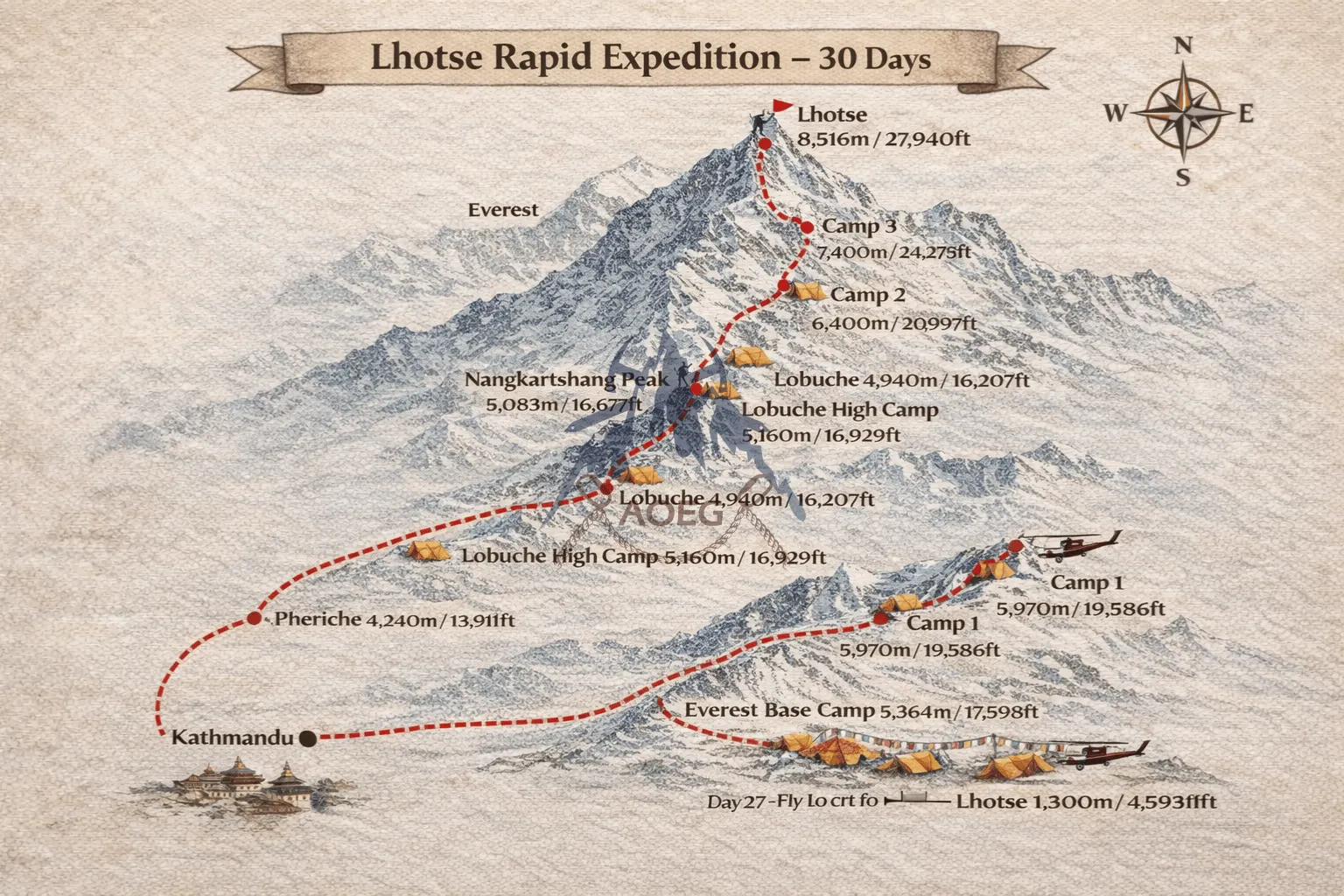
The journey begins in Kathmandu, continues through the iconic Khumbu region, and culminates at the summit of Lhotse, offering unforgettable Himalayan scenery, unique cultural encounters, and an unparalleled sense of achievement. Every stage is meticulously planned to ensure safety, proper acclimatization, and peak performance, making it ideal for climbers with advanced mountaineering experience seeking a high-altitude challenge in record time.
Key Highlights of Lhotse Himal
- Summit Lhotse (8,516m / 27,940ft): Experience the thrill of standing on the world’s fourth-highest peak.
- Rapid Expedition Style: A focused, time-efficient itinerary designed for serious climbers.
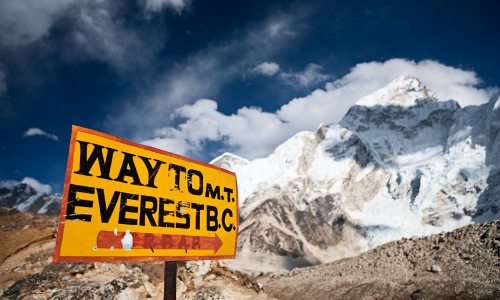
- Iconic Khumbu Region: Trek through Everest’s shadow, visiting Pheriche, Lobuche, and Everest Base Camp.
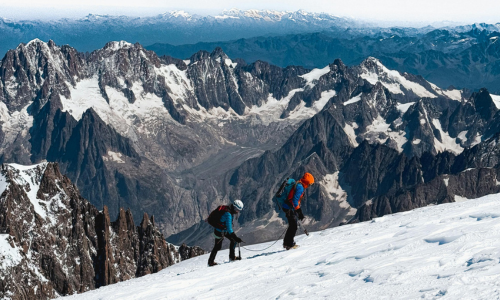
- Technical Climbing Training: Learn advanced high-altitude climbing techniques with professional instructors.
- Base Camp Puja Ceremony: Witness the traditional Nepali ritual that blesses climbers for a safe expedition.
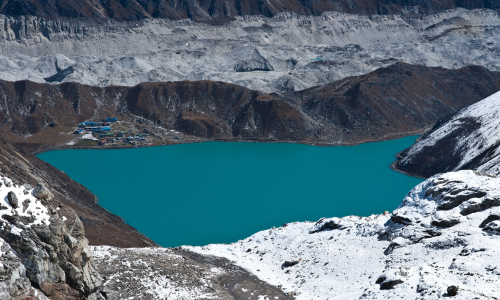
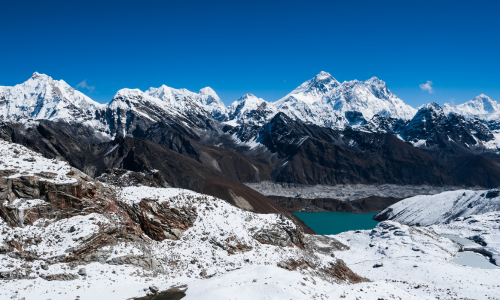
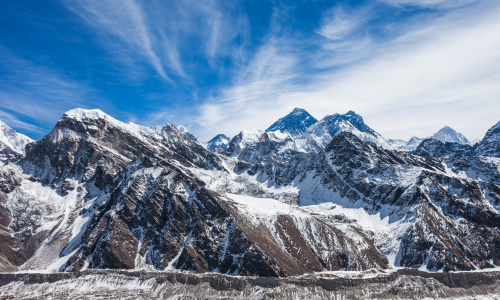
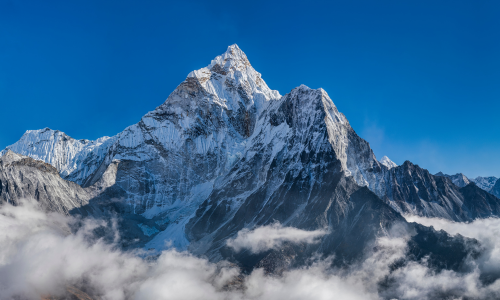
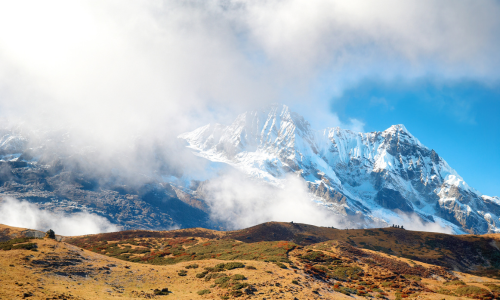
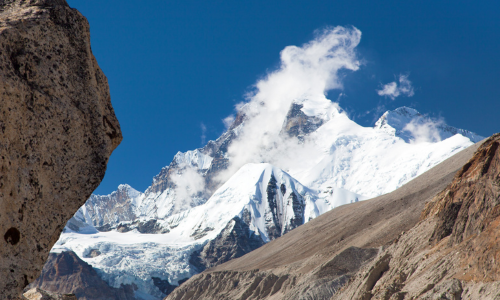
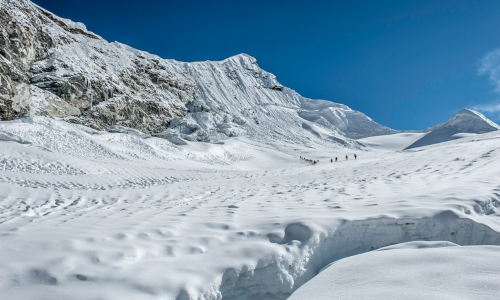
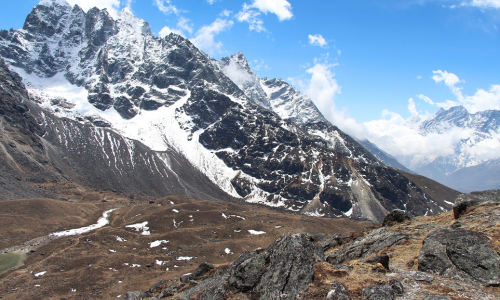
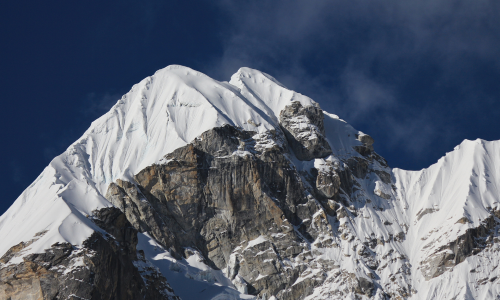
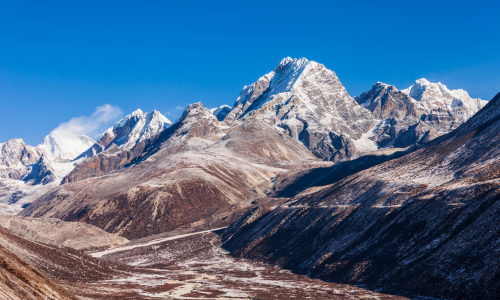
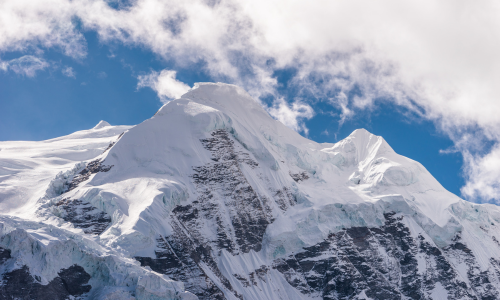
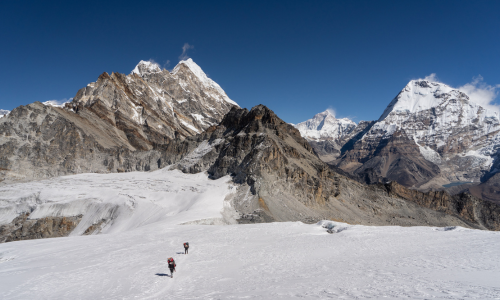
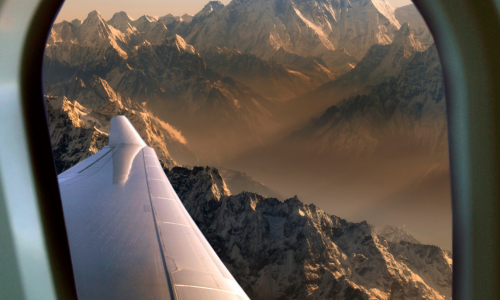
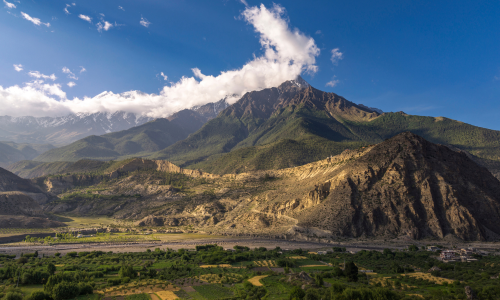
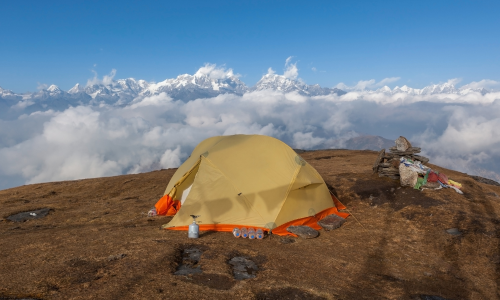
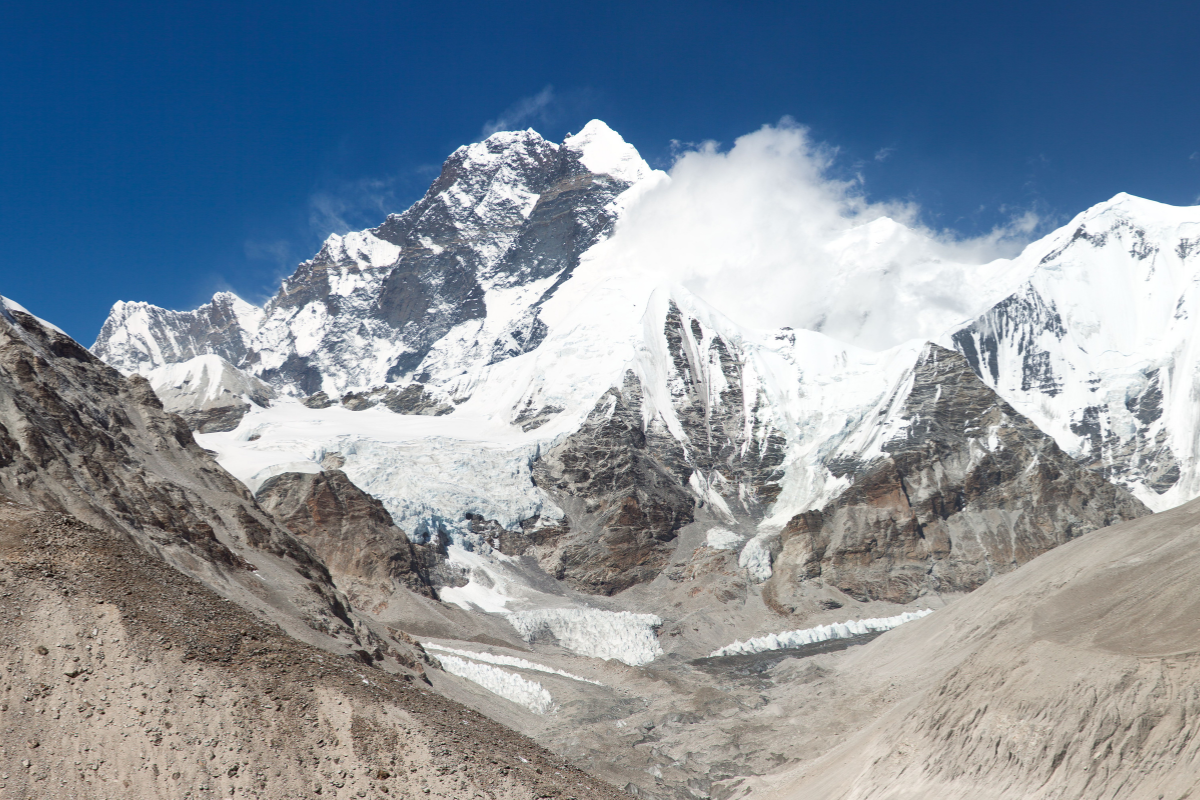
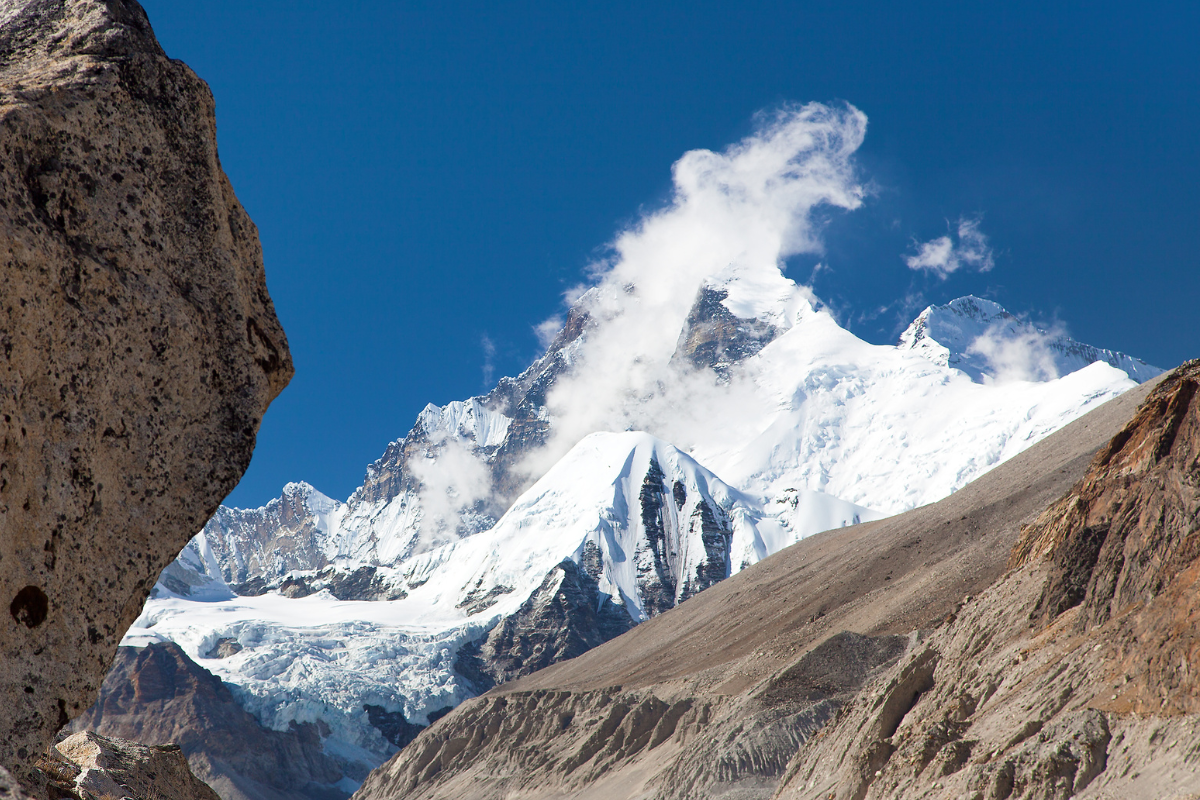
- Stunning Himalayan Landscapes: Dramatic glacial valleys, icefalls, towering peaks, and panoramic views.
- Cultural Immersion: Experience Sherpa hospitality, monasteries, prayer flags, and local traditions.
- Professional Support: Experienced guides, Sherpas, and porters ensure climbers can focus entirely on the ascent.
Required Permits for Lhotse Climb
Climbing Lhotse requires several official permits issued by the Government of Nepal to ensure safety, legality, and proper management of high-altitude expeditions. Key permits include the Lhotse Climbing Permit, which authorizes climbers to ascend the peak, as well as ACAP (Annapurna Conservation Area Permit) and TIMS (Trekkers’ Information Management System) for trekking in protected areas.
Additionally, a liaison officer is mandatory for all high-altitude expeditions above 8,000 meters, and proof of high-altitude travel insurance is required. These permits are essential for all participants, and our expedition team handles the arrangements, ensuring that climbers can focus fully on the ascent without worrying about paperwork or legal requirements.
Best Season to Climb Lhotse
The Lhotse Rapid Expedition is best attempted during pre-monsoon (spring: March to May) and post-monsoon (autumn: September to November) seasons. These periods offer the most favorable weather, clear skies, and optimal conditions for both trekking and high-altitude climbing.
- Spring (March–May)
Spring brings moderate temperatures, abundant sunshine, and the famous Himalayan rhododendrons in full bloom. The valleys and trails are vibrant with colorful flora, creating a breathtaking backdrop for trekking and acclimatization hikes. Clear weather windows make summit attempts safer and more enjoyable. - Autumn (September–November)
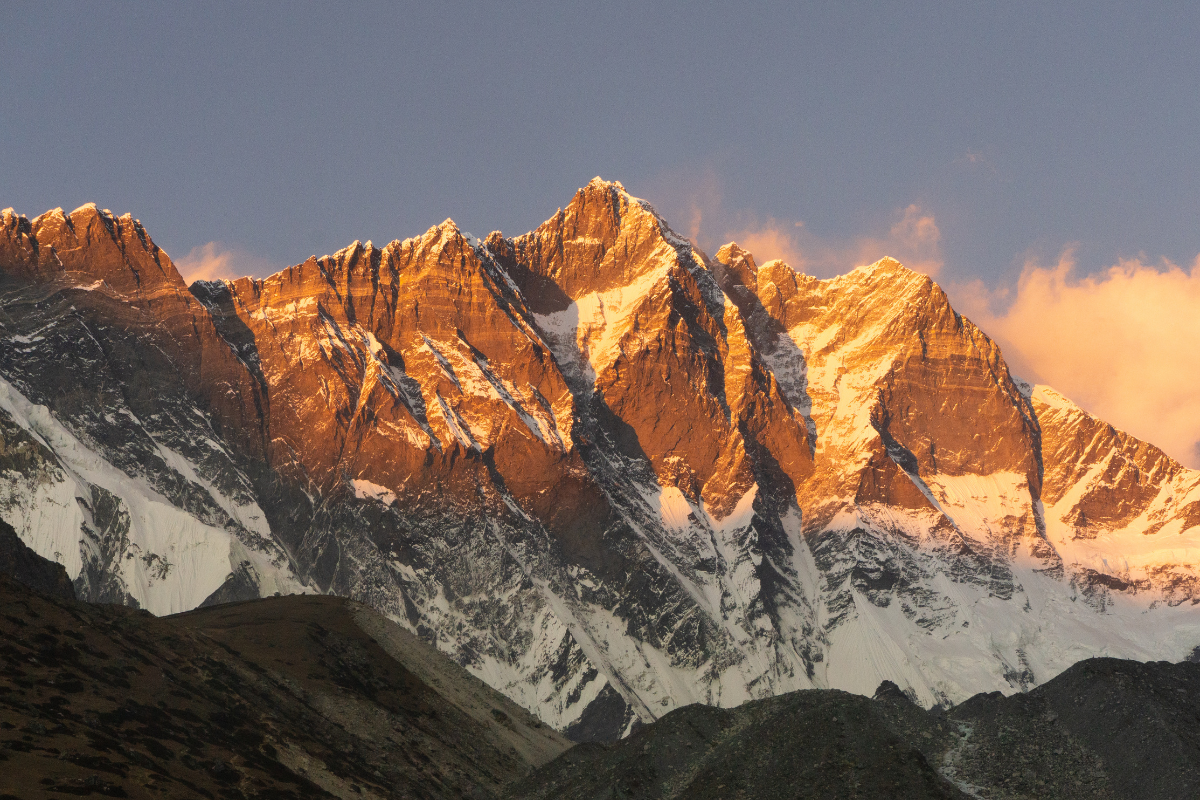
Autumn is widely considered the most popular climbing season. The skies are usually clear, visibility is unmatched, and stable weather ensures safer climbs. Temperatures are comfortable during the day, and the crisp air enhances panoramic views of Everest, Nuptse, Lhotse, and surrounding peaks, making this the ideal time for photographers and climbers alike. - Seasons to Avoid
The summer monsoon (June–August) brings heavy rainfall, slippery trails, and high avalanche risks. Winter (December–February) is extremely cold, with snowstorms and potential ice hazards, making climbing extremely challenging.
Planning your Lhotse expedition during spring or autumn ensures safety, stunning scenery, and the best chance of a successful summit, making your journey an unforgettable Himalayan adventure.
Lhotse Expedition Difficulty Level
The Lhotse Rapid Expedition is extremely challenging and recommended for experienced high-altitude climbers.
- Excellent physical fitness and stamina
- Prior trekking or mountaineering experience above 5,000 meters
- Ability to handle technical climbing, icefalls, and extreme weather
- Mental resilience for rapid acclimatization and summit rotation
Final Thoughts on Lhotse Expedition
The Lhotse Rapid Expedition is a once-in-a-lifetime Himalayan adventure. From trekking through the Khumbu region to summiting one of the world’s tallest peaks, every moment is filled with awe, challenge, and achievement. With professional guides, Sherpa support, and meticulously planned acclimatization, climbers can focus on the adventure while staying safe.
Whether you are a seasoned mountaineer or a high-altitude climbing enthusiast, this expedition promises stunning views, cultural immersion, and an unmatched sense of personal accomplishment. Step into the Himalayas, embrace the challenge, and create memories that will last a lifetime.
 Instant Booking