
Overview of Mera & Island Peak Expedition
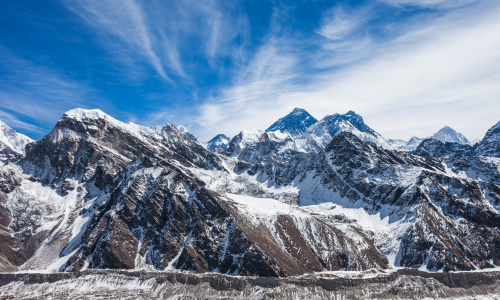
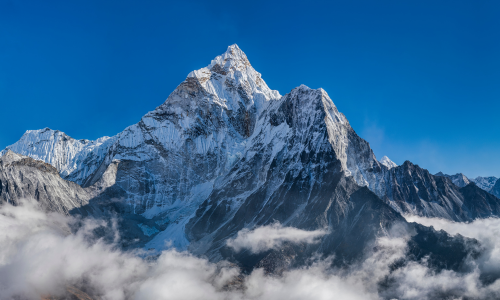
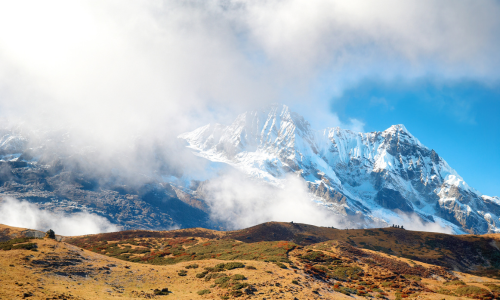
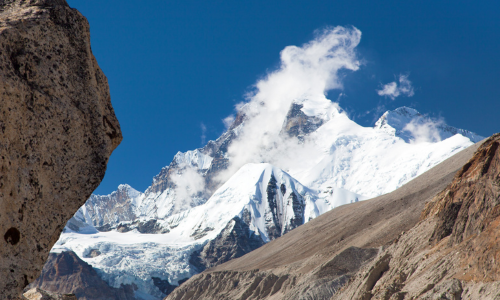
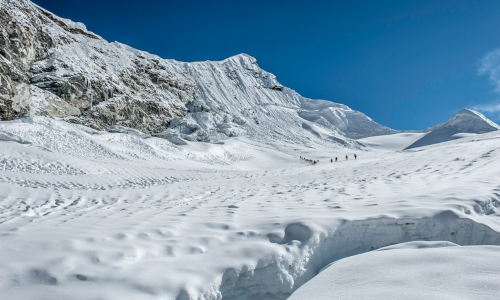
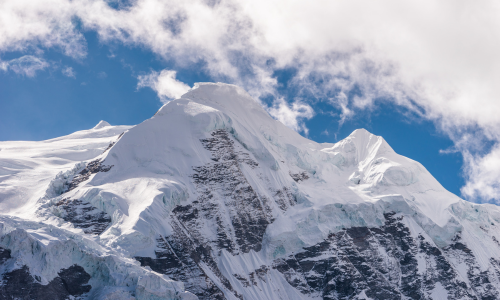
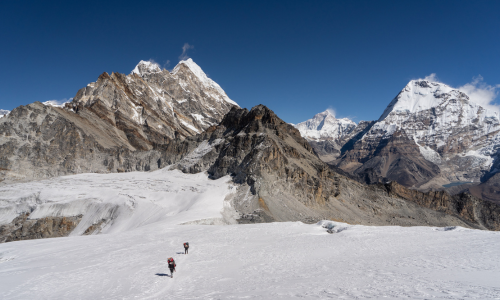
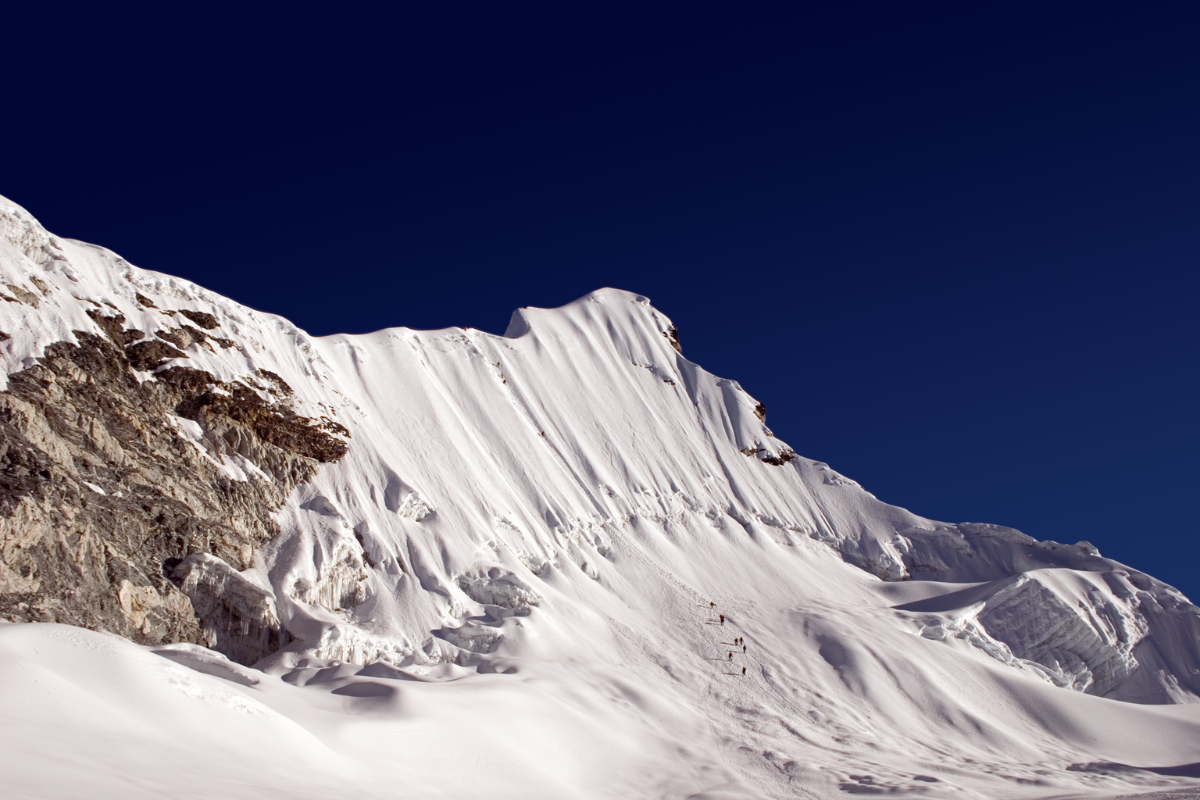
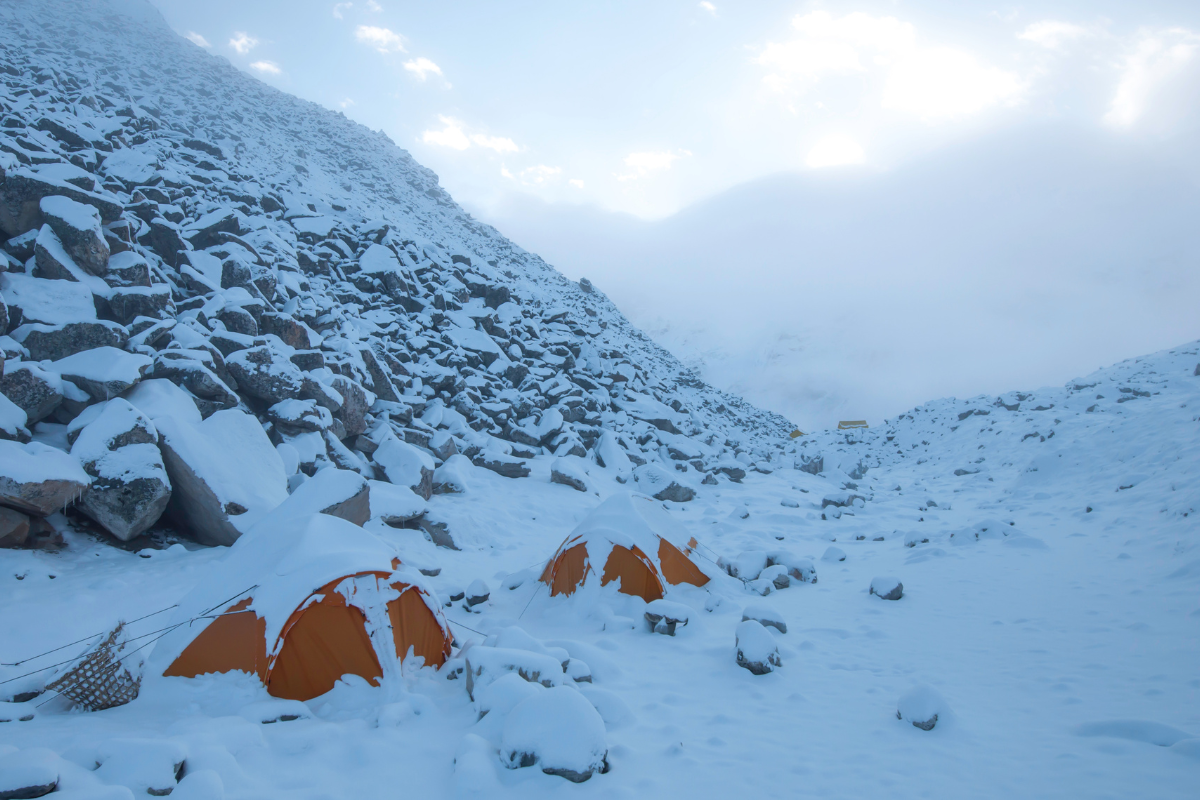
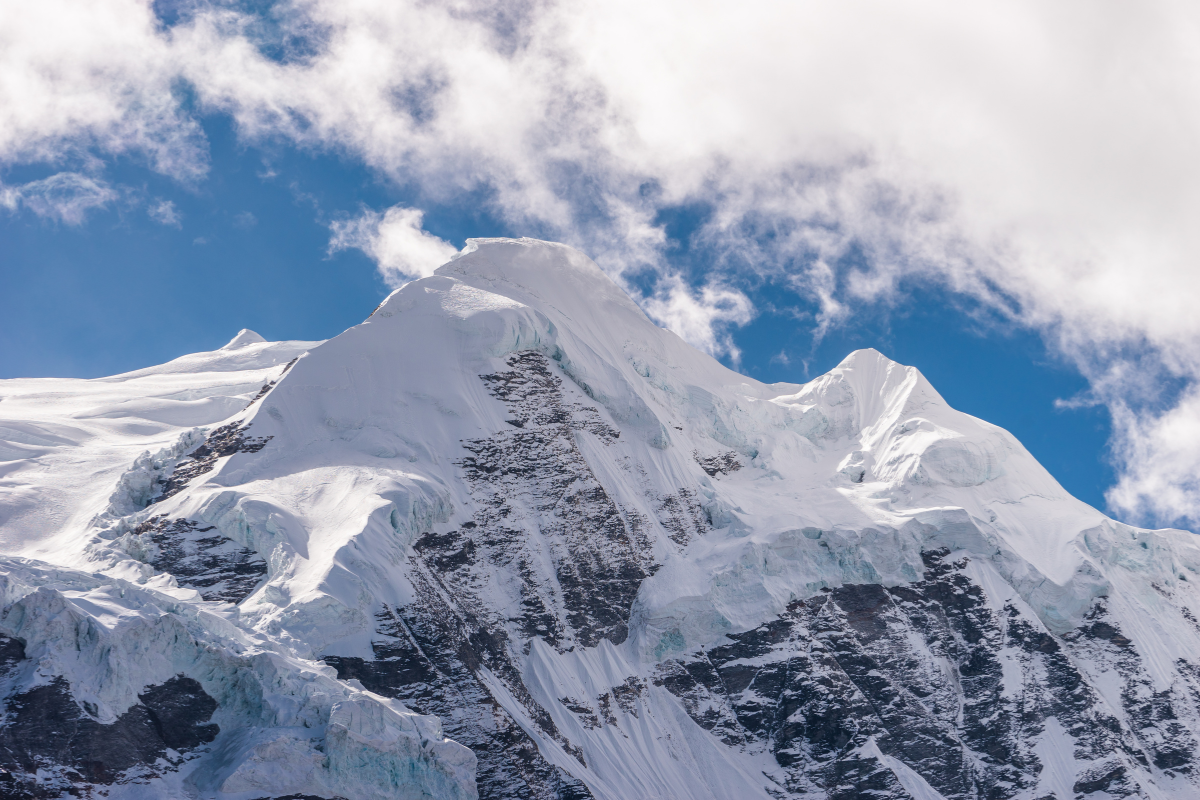
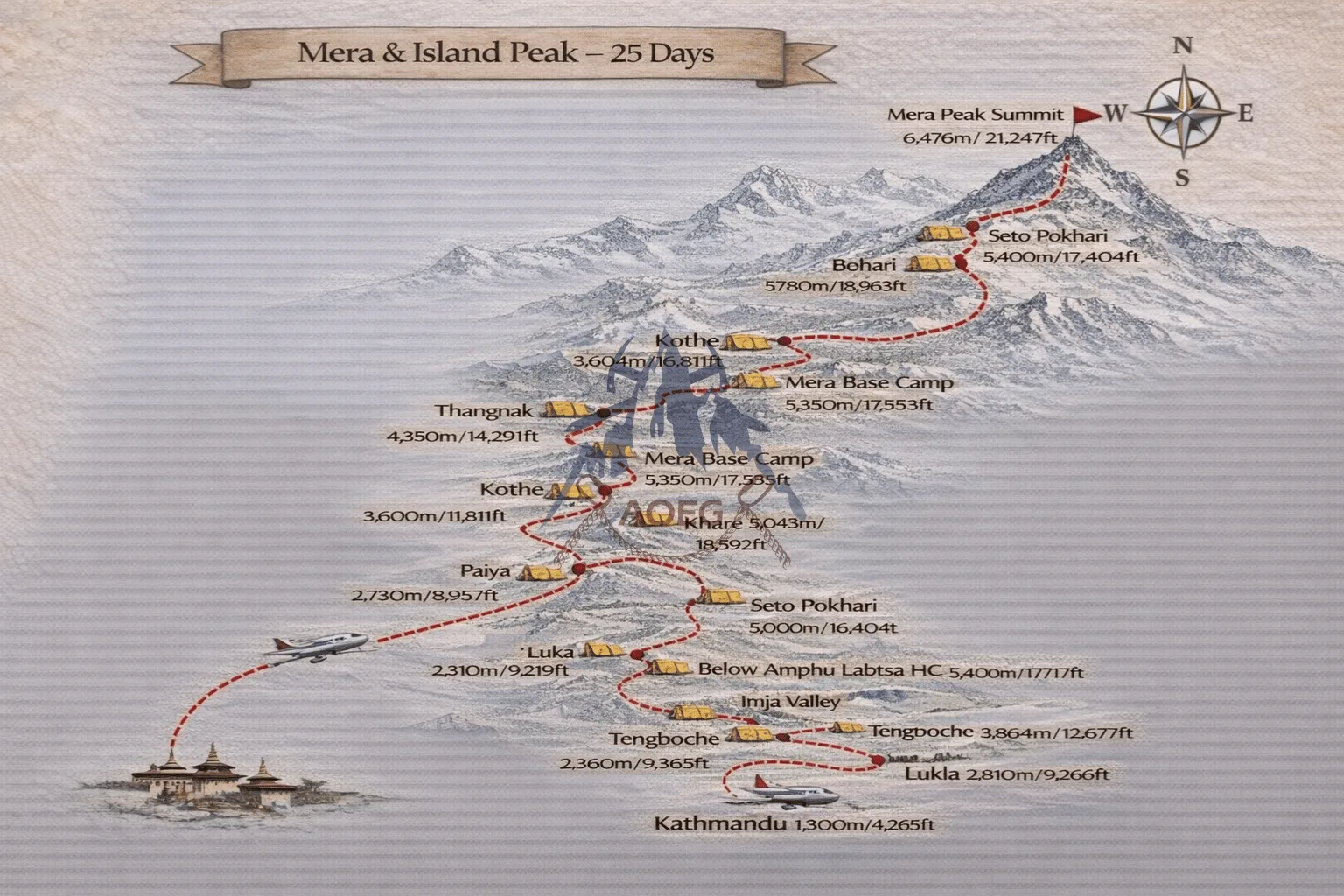
The Mera and Island Peak Expedition is one of Nepal’s most exciting high-altitude adventures, combining trekking through the heart of the Himalayas with the thrill of climbing two stunning peaks. Standing at 6,476 meters (21,246 ft) for Mera Peak and 6,189 meters (20,305 ft) for Island Peak, this expedition offers climbers the chance to experience true Himalayan grandeur without the extreme technical challenges of Everest or other major peaks. Over 25 days, adventurers will trek through scenic valleys, remote villages, and pristine alpine landscapes, immersing themselves in both nature and culture.
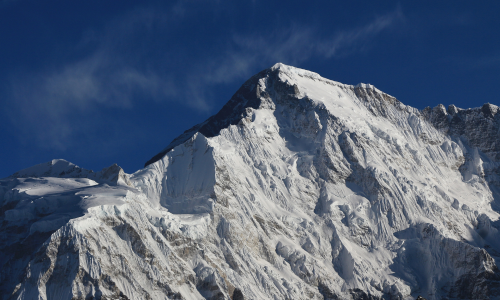
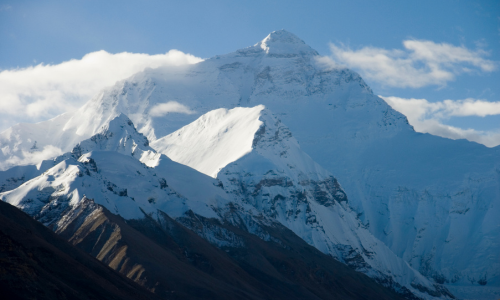
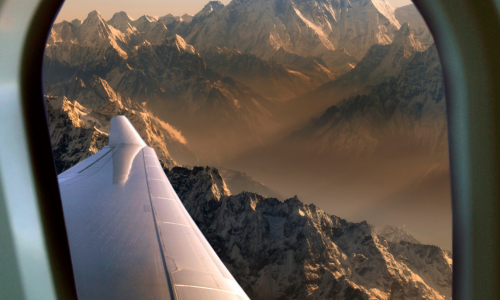
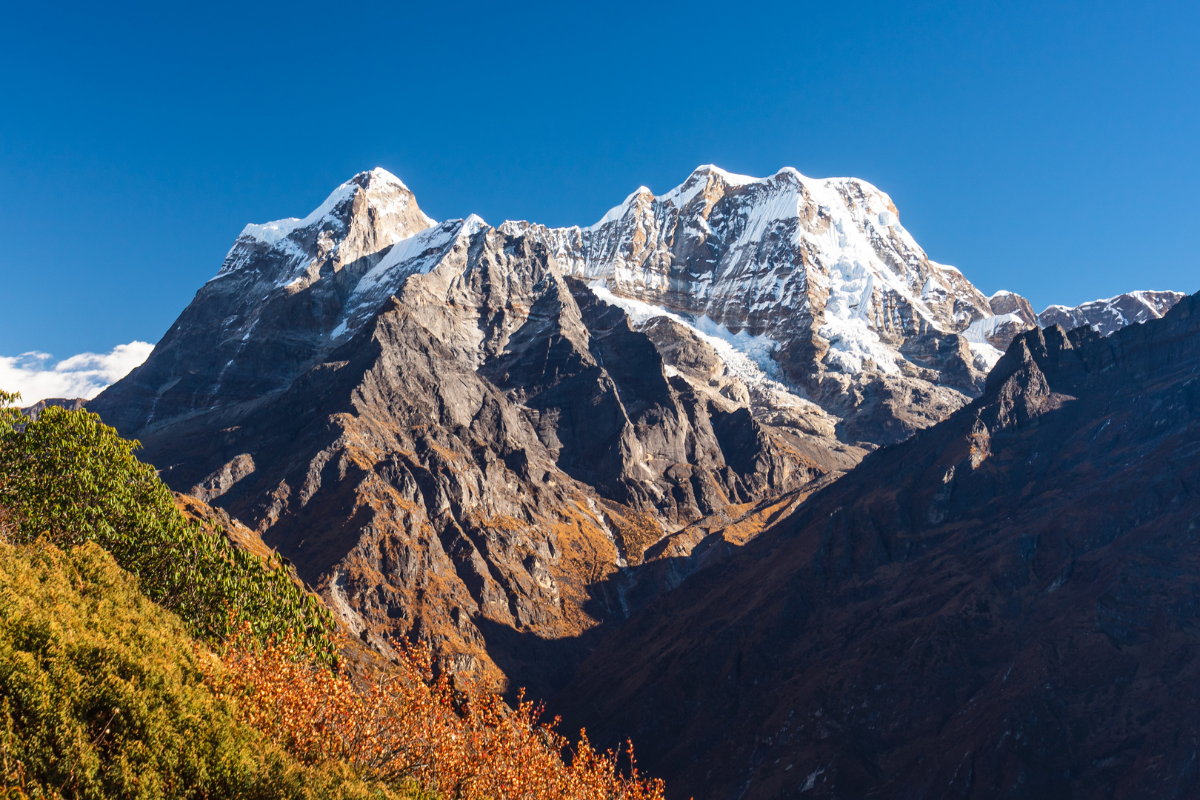
The journey begins in Kathmandu, where participants complete preparation, briefings, and gear checks. From here, the team flies to Lukla, the gateway to the Everest region, and begins trekking through charming Sherpa villages, lush forests, and dramatic mountain passes. Along the way, climbers experience authentic Himalayan life, visit monasteries, and witness breathtaking views of iconic peaks like Makalu, Lhotse, and Cho Oyu.
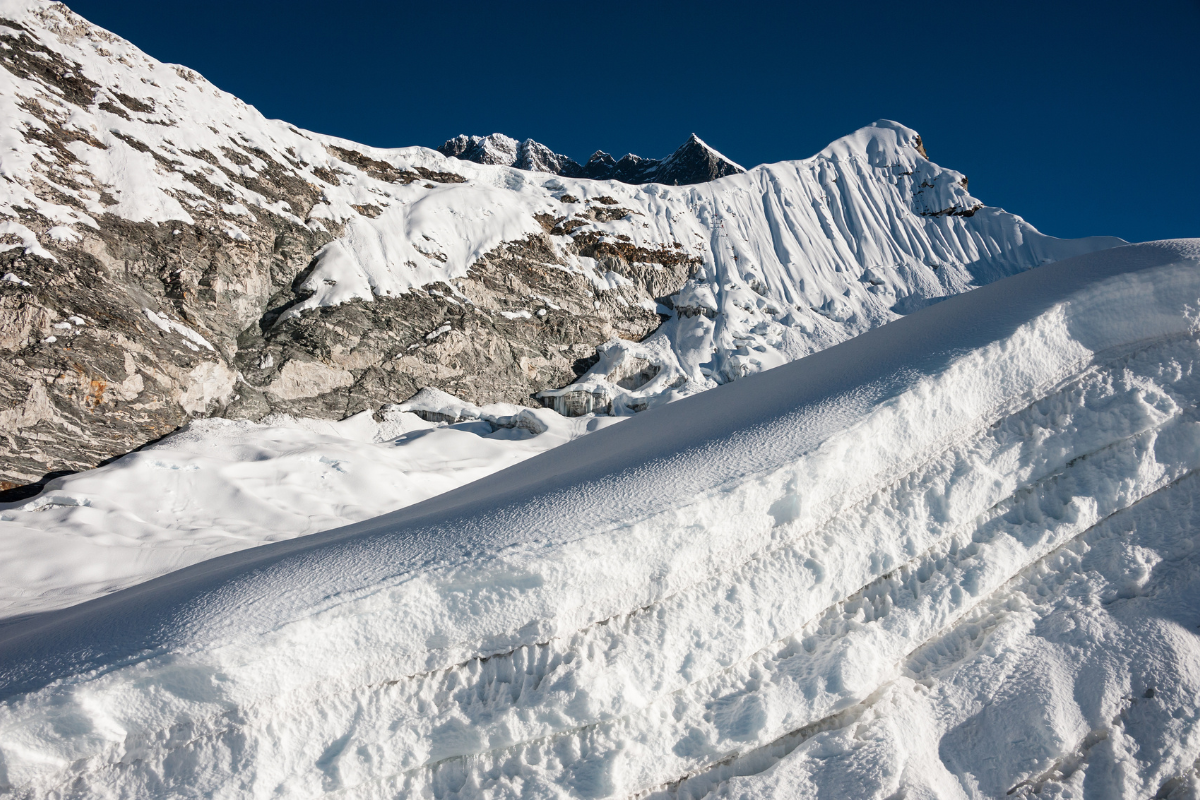
Climbing Mera Peak provides a sense of achievement with its sweeping panoramas of the highest mountains on Earth, while Island Peak adds a thrilling challenge for mountaineers seeking technical climbing experience. The expedition carefully balances trekking, acclimatization, and climbing preparation to ensure safety and success.
Designed for climbers with moderate to advanced experience, this expedition is perfect for adventure enthusiasts eager to explore Nepal’s high mountains. From trekking through vibrant villages to standing on the summit of these majestic peaks, the Mera and Island Peak Expedition promises unforgettable memories, stunning landscapes, and the ultimate Himalayan adventure.
Best Highlights of Mera & Island Peak Expedition
The Mera & Island Peak Expedition is packed with unforgettable moments that make it one of the most rewarding climbing adventures in Nepal. This journey is special because it combines two iconic Himalayan peaks with stunning landscapes and rich mountain culture.
Summit Two Peaks in One Trip
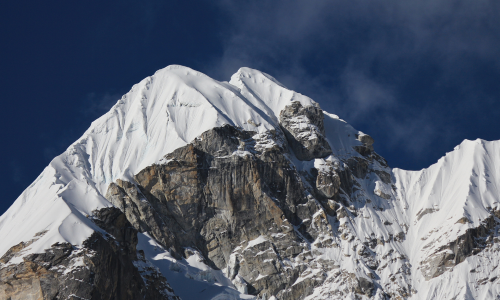
Reach the top of Mera Peak (6,476m) and Island Peak (6,189m) in a single expedition. Standing on these summits gives you a powerful sense of achievement and lifetime memories.
Panoramic Himalayan Views
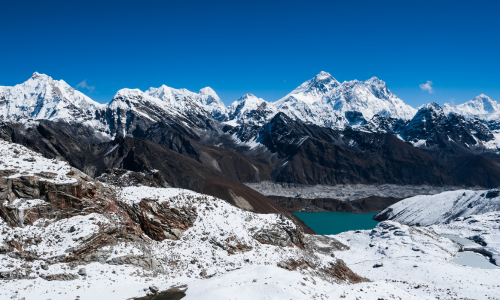
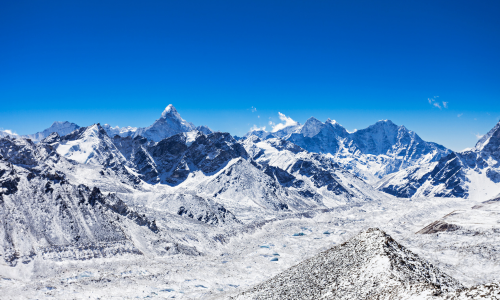
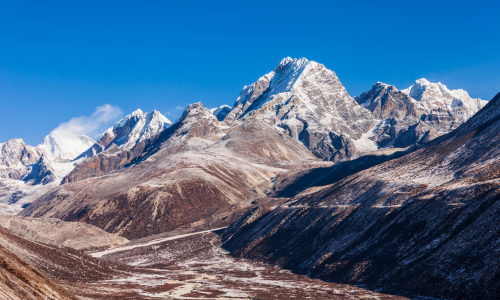
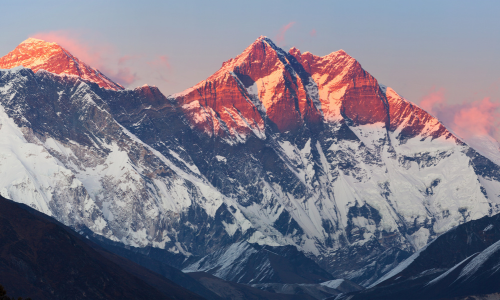
From the summit of Mera Peak, enjoy jaw-dropping views of Everest, Makalu, Lhotse, Cho Oyu, and many other giants—all in one frame.
Remote and Peaceful Trails
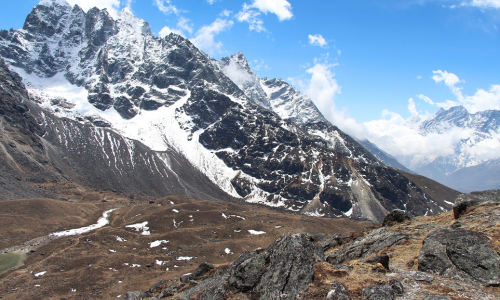
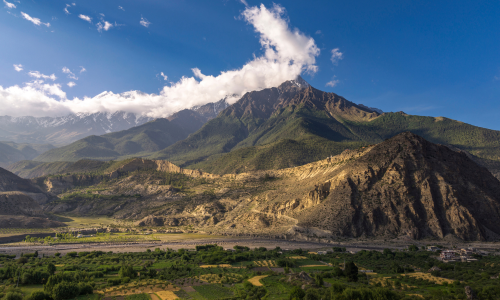
Trek through the quiet Hinku Valley, far from crowded routes, where nature feels raw, calm, and untouched.
Classic Everest Region Experience
Walk through famous Sherpa villages like Namche Bazaar, Tengboche, and Chhukung, learning about mountain culture and Buddhist traditions.
True Mountaineering Adventure
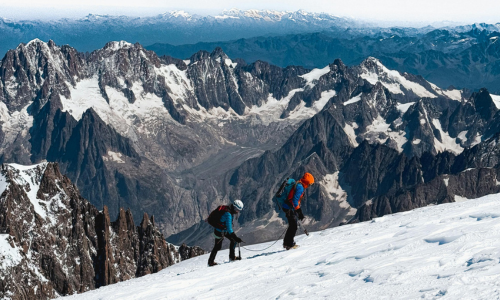
Cross glaciers, use fixed ropes, and climb snow and ice sections—perfect for those wanting real Himalayan climbing experience.
This expedition blends adventure, beauty, and personal challenge, creating an experience that stays with you long after the journey ends.
Permits for Mera & Island Peak Expedition
Climbing Mera Peak and Island Peak requires several essential permits to ensure legal and safe trekking in Nepal’s protected regions. All climbers must obtain a Sagarmatha National Park Permit, as these peaks are located within the park’s boundaries. Additionally, a TIMS (Trekkers’ Information Management System) Card is mandatory for all foreign trekkers, helping authorities track visitors for safety and security. Special climbing permits are required for both Mera Peak and Island Peak, issued by the Nepalese government through authorized expedition operators.
These permits cover access to high-altitude areas, environmental protection, and emergency support services. Our expedition team handles all permit arrangements, saving participants time and ensuring compliance with Nepal’s regulations. Having the proper permits not only keeps your expedition legal but also provides peace of mind, allowing climbers to focus entirely on trekking, acclimatization, and summit attempts. With all permits in place, adventurers can safely enjoy the breathtaking Himalayan landscapes and cultural experiences along the journey.
Best Season & Time for Mera & Island Peak Expedition
Choosing the right season is crucial for a safe and enjoyable Mera & Island Peak Expedition. The best periods are spring (March to May) and autumn (September to November). Here’s why:
Spring (March to May):
- Moderate temperatures and longer daylight hours make trekking comfortable.
- Valleys and slopes are filled with blooming rhododendrons and alpine flowers, creating vibrant landscapes.
- Clear skies provide excellent panoramic views of Everest, Makalu, Lhotse, and other Himalayan peaks.
Autumn (September to November):
- Most popular season for Himalayan climbing due to stable weather and minimal rainfall.
- Crisp, clear skies make for breathtaking photography opportunities.
- Ideal conditions for both trekking and summit attempts, with well-trodden trails and local support fully operational.
Seasons to Avoid:
- Monsoon (June–August): Heavy rainfall, slippery trails, and leeches make trekking risky.
- Winter (December–February): Extremely cold, strong winds, and heavy snow increase difficulty and risk.
Planning your expedition in spring or autumn ensures safety, comfort, and the most spectacular Himalayan experience.
Difficulty Level of Mera & Island Peak Expedition
The Mera & Island Peak Expedition is a high-altitude adventure suitable for climbers with moderate to advanced experience. While both peaks are considered technically accessible compared to Everest, they still require good physical fitness, endurance, and mental preparation. Trekkers face long days of walking, steep ascents, and trekking over rocky trails, glaciers, and moraine paths, which demand stamina and focus.
Altitude is one of the main challenges. Mera Peak (6,476m / 21,246ft) and Island Peak (6,189m / 20,305ft) involve extended exposure to thin air, requiring proper acclimatization and careful monitoring of symptoms of altitude sickness. Climbers also need to be comfortable using basic mountaineering equipment such as crampons, ropes, and harnesses.
Overall, this expedition is perfect for adventurers who have prior trekking experience, are physically fit, and are ready to embrace both the thrill and challenge of high-altitude climbing. Proper preparation ensures a safe and rewarding Himalayan journey.
Final Thoughts on Mera & Island Peak Expedition
The Mera & Island Peak Expedition is a once-in-a-lifetime Himalayan adventure that combines trekking through pristine valleys, cultural immersion in remote Sherpa villages, and the thrill of climbing two majestic peaks. From the vibrant streets of Kathmandu to the serene high-altitude landscapes of Khumbu, this journey offers breathtaking panoramas, challenging ascents, and unforgettable experiences for mountaineers and adventure enthusiasts alike.
Careful planning, proper acclimatization, and support from experienced guides ensure a safe and rewarding expedition, making it suitable for those with moderate to advanced trekking or climbing experience. Whether you’re summiting Mera Peak or Island Peak, every step promises a sense of achievement and awe-inspiring Himalayan views.
Don’t wait to make your dream a reality—book your Mera & Island Peak Expedition with Alpine Outdoors & Expedition Guide Pvt. Ltd today and embark on the adventure of a lifetime.
 Instant Booking